Nevada’s Clear Voter Mandate (Image Credits: Flickr)
Las Vegas – Nevada voters face a pivotal choice in 2026 as a voter identification amendment returns to the ballot for final approval.[1][2] Approved overwhelmingly in 2024 under Question 7, the proposal requires proof of identity at polling places to bolster election security.[3] Critics continue to question the practicality, yet widespread support underscores a growing consensus on basic safeguards.
Nevada’s Clear Voter Mandate
Support for voter ID in Nevada runs deep. In November 2024, approximately 73 percent of voters backed Question 7, the constitutional amendment mandating identification for in-person voting.[4] This measure now seeks ratification in the upcoming election cycle, including primaries set for June 9.[5]
The ballot initiative reflects long-standing calls for enhanced verification. Organizers gathered sufficient signatures to qualify it, highlighting public demand for measures that restore confidence in elections.[6] Nevada remains one of 14 states without strict polling-place ID rules, a status drawing national attention amid midterm preparations.[7]
The Everyday Reality of ID Access
Government-issued identification proves straightforward for most residents. In Nevada, individuals obtain state IDs or driver’s licenses through the Department of Motor Vehicles with basic documents like a birth certificate and proof of residency.[8] These credentials serve routine purposes, from boarding flights to opening bank accounts, making them ubiquitous.
Nationwide, 36 states already enforce some form of voter ID at polls, ranging from photo requirements to affidavits.[9] Proponents emphasize that obtaining an ID mirrors processes millions navigate annually without issue. Free or low-cost options exist in many areas, further easing barriers.
- Driver’s licenses double as primary voter ID in compliant states.
- State-issued non-driver IDs cost under $20 and renew easily.
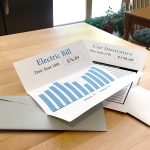
- Alternative documents like utility bills or affidavits provide flexibility.
- REAL ID compliance, required for federal purposes, streamlines access.[10]
- Post offices and other outlets offer photo IDs beyond DMVs.[11]
Challenging Perceptions of Burden
Opponents often highlight potential disenfranchisement among low-income, elderly, or minority groups lacking IDs. However, recent polls reveal broad acceptance, including 71 percent of Democrats favoring government ID at polls.[12][13] This bipartisan tilt suggests the narrative of insurmountable hurdles falls short.
Election data from strict-ID states shows minimal turnout drops, with safeguards like provisional ballots protecting eligible voters. Common activities demand similar verification, from buying alcohol to picking up prescriptions, yet these rarely spark comparable outcry. Nevada’s motor voter law, approved in 2018, already streamlines registration, pairing well with ID checks.[5]
National Push Aligns with State Efforts
Federal momentum bolsters Nevada’s initiative. President Trump recently urged Congress to pass the SAVE Act, mandating proof of citizenship for voter registration in federal races – a move potentially reshaping state practices.[14] Governor Joe Lombardo has championed local reforms, decrying Democratic blocks on security bills.
Secretary of State officials previewed updated processes ahead of midterms, including new verification steps.[15] As debates intensify, Nevada positions itself at the forefront of election integrity discussions.
Voter ID stands as a proven, popular reform ready for Nevada’s final stamp. With accessibility matching daily life demands, the path forward prioritizes trust without undue obstacles. What do you think about Nevada’s voter ID push? Share in the comments.
Key Takeaways
- Nevada voters approved voter ID in 2024; 2026 decides its fate.
- 71% of Democrats support ID requirements per recent polls.
- IDs are readily available via DMVs, post offices, and more.