There’s a strange pride that washes over desert locals when the thermometer climbs past 110 degrees. Outsiders look horrified. Locals? They shrug, grab an ice-cold drink, and carry on like nothing’s happening. It sounds borderline irrational, and maybe it is. But there’s something real underneath all that bravado, a genuine, often surprising appreciation for life at the absolute edge of what human beings can comfortably endure. The numbers are jaw-dropping and the culture is uniquely its own. Stick around, because what’s coming might genuinely change how you think about extreme heat.
A City That Lives Inside a Furnace (And Keeps Growing Anyway)
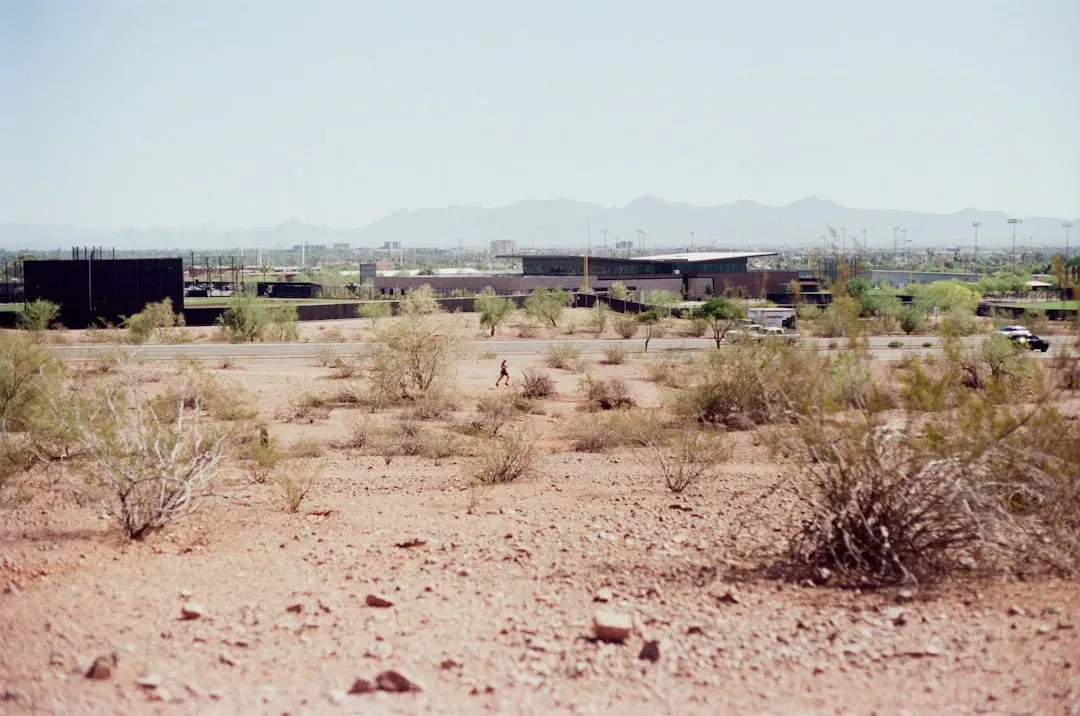
Let’s be real about what we’re dealing with here. The National Weather Service confirms 2024 was Phoenix’s hottest year on record. That’s not just a footnote in climate history. That’s a living, breathing city of millions rewriting the record books every single summer.
Phoenix recorded a staggering 70 days at or above 110 degrees in 2024. Think about that. Seventy days. That’s not a heat wave. That’s a heat season. For most of the country, one week above 100 degrees is a catastrophe worth reporting on the national news.
Phoenix typically sees 21 days per year above 110, but 70 days in 2024 passed the 110-degree mark. Honestly, even writing that sentence feels surreal. Yet people are still moving here, building lives here, and raising families here. That says something.
The Record Nobody Wanted But Everyone Talks About
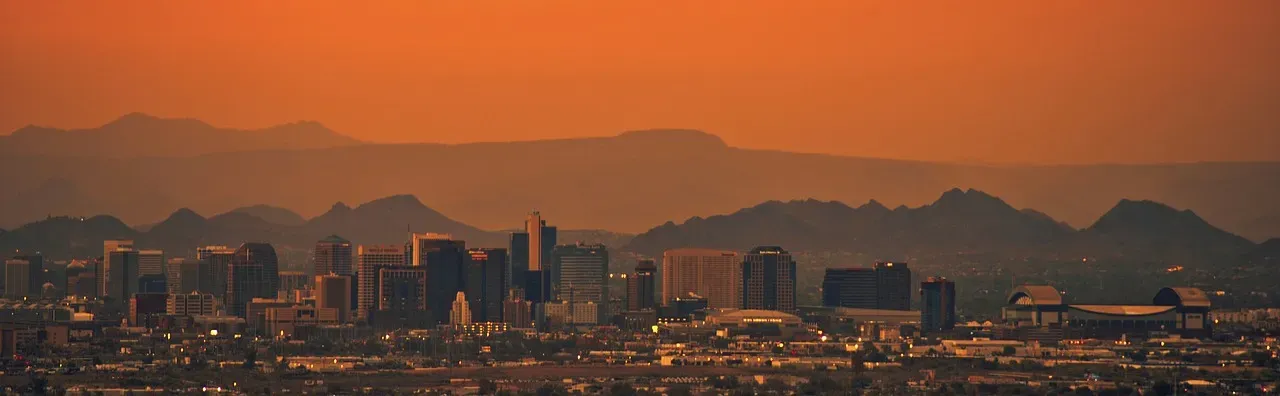
Phoenix experienced 113 consecutive days of 100 degrees or hotter in 2024, the longest run ever recorded. The next highest run was set in 1993 and was 76 days. That’s nearly 37 more days of triple-digit heat than the previous record. It’s the kind of statistic that makes climatologists sit up straight in their chairs.
A lackluster monsoon season in 2024 contributed to Phoenix setting multiple heat records, including the longest stretch of 100-degree days in the city’s history. Without consistent cloud cover and rainfall, Phoenix recorded 111 consecutive days at or above 100 degrees, with several days climbing above 115 degrees.
I know it sounds crazy, but locals have a specific look they give you when you bring this up. It’s somewhere between exhaustion and pride. The heat is extreme, no question. Still, it belongs to them in a way that’s hard to explain to someone who’s never lived it.
The Urban Heat Island Effect Makes It Even Hotter

The global temperature has risen by approximately 2 degrees Fahrenheit since 1880, but in Phoenix you can add another 5 degrees to that number due to the urban heat island effect. The urban heat island effect is when the temperatures in an urban area increase due to the heat retained by structures and ground coverings, lack of vegetation, and other impacts of urbanization.
Phoenix is categorized as an urban heat island, meaning a developed area where buildings and infrastructure absorb and reflect heat even more than its surrounding natural elements. Miles of dark and hard surfaces and population density are at fault, not to mention that less vegetation means less evaporative cooling.
Think of it like a cast iron skillet left in the oven. The city absorbs heat all day, and then slowly radiates it back out at night. On average, seven nights per year in Phoenix won’t cool below 90 degrees. In 2024, 39 nights stayed that warm. Even the darkness offers no real reprieve.
The First Thing Locals Love: The “Desert Schedule” Is Actually Liberating
Here’s the thing most outsiders completely miss. Desert life doesn’t stop during the heat. It just shifts. Long-time Scottsdale residents have developed numerous strategies for thriving in the desert climate. Many embrace the “desert schedule” – early morning outdoor activities, indoor midday hours during summer, and evening outdoor time.
This rhythm becomes natural and actually provides a unique lifestyle that many find preferable to more traditional schedules. Hydration becomes a way of life rather than just a health recommendation. Locals carry water constantly, drink more than they think they need, and pay attention to their body’s signals.
Early morning easy hikes mean you’ll be rewarded with a stunning Arizona sunrise to boost your mood right at the start of the day. There’s genuinely something magical about watching the desert go golden at 5:30 a.m. before the heat takes over. It’s a lifestyle that almost nobody from outside Arizona expects to envy.
Yet Another Plus: The Monsoon Season Is Pure Theater
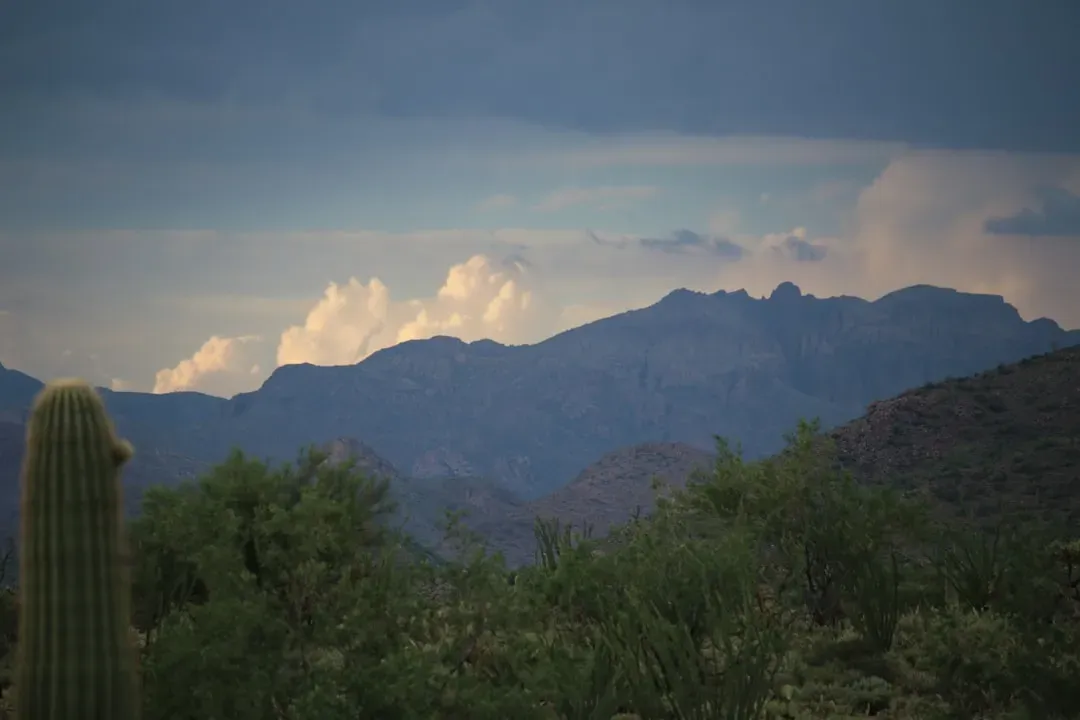
Arizona is well known for having over 300 sunny days per year, but in summertime, the clouds build and the desert drinks in as much precipitation as possible during the monsoon season. For locals, the monsoon isn’t just weather. It’s an event. People actually look forward to it.
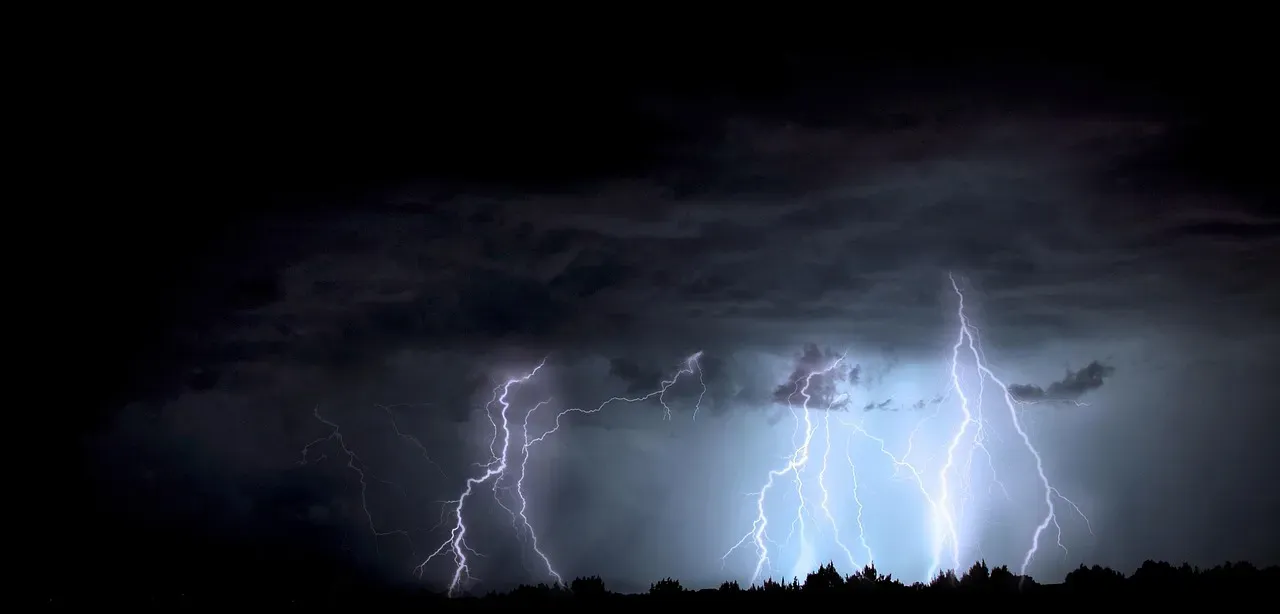
From dramatic thunderstorms rolling across the desert to the rejuvenation of parched landscapes, the monsoon brings an unmistakable rhythm of life to the state. It’s a time when the air crackles with energy, the skies dazzle with displays of lightning, and rain breathes new life into the arid Southwest. That’s not marketing copy. That’s what locals genuinely feel.
The precipitation replenishes groundwater, brings relief from extreme heat, supports wildlife with life-sustaining water, and pushes desert plants into bloom. After weeks of punishing sun, when that first real storm rolls in and the smell of wet desert soil fills the air, it feels like a reward. A genuine, earned reward.
Last But Not Least: The City Is Practically Empty (And Cheap)
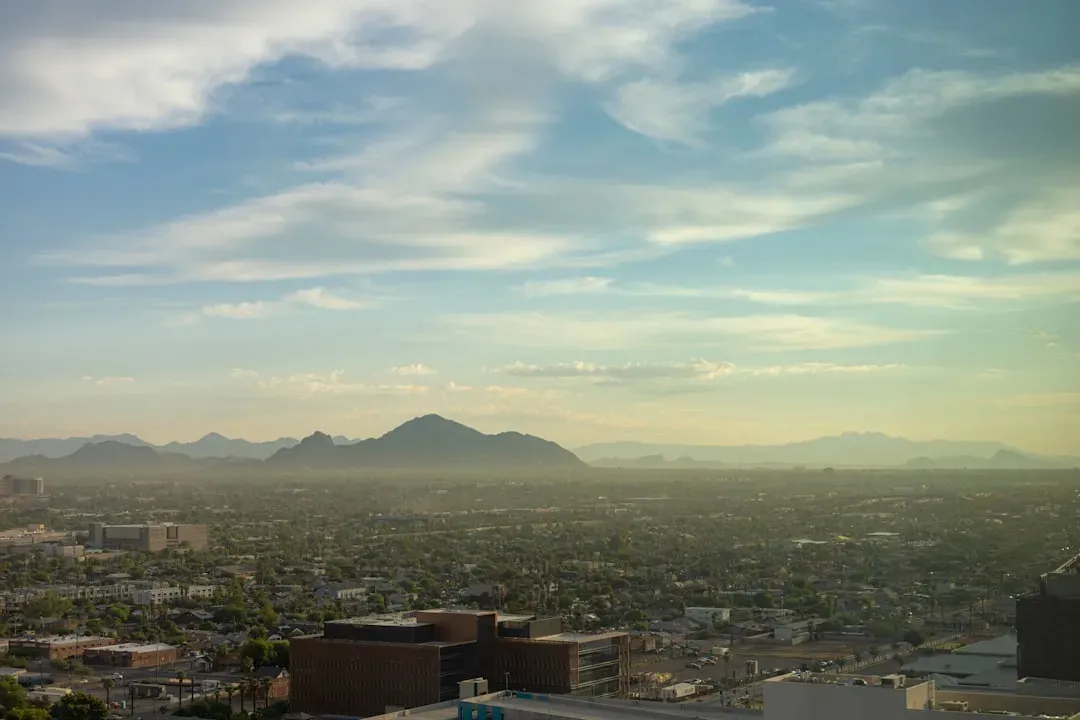
Every August, something quietly wonderful happens in Phoenix. The snowbirds have fled. The tourists are gone. And the city belongs to the people who actually live there. The summer months, while challenging weather-wise, offer their own unique benefits for those willing to adapt. Hotel rates drop dramatically, restaurants are less crowded, and you’ll experience a more authentic local atmosphere as the tourist crowds thin out.
All locals know that resorts and hotels in Greater Phoenix lower their prices in summer, but golf courses do the same. You’ll need to lather up in sunscreen and bring a big sun hat and lots of water, but you can experience some of the best golf courses on Earth for cheap during the summer.
Restaurants with month-long waiting lists suddenly have walk-in availability. World-class spas slash their rates. It’s a little like being handed the keys to a city that’s usually too crowded and expensive to fully enjoy. Locals know this, and quietly love it.
The Culture of Heat Pride Is Deeply Real

Despite the challenges, many Phoenicians embrace their city’s fiery climate, integrating it into a robust local culture. It’s not performance. It’s identity. There’s a shared solidarity among people who can genuinely say they survived a Phoenix summer without losing their mind about it.
Many events are timed during cooler months, but summer activities like night markets and early morning festivals take advantage of the unique desert environment. The hot climate influences local food, promoting the use of fresh, often cooling ingredients like citrus fruits and avocados, and reflecting the vibrant culture of the region.
It’s hard to say for sure, but I think there’s a psychological component here that research hasn’t fully caught up with yet. When you voluntarily stay in a place that most of the country considers unlivable, you develop a toughness. A quiet confidence. The heat becomes a filter, not a punishment.
Indigenous Roots Run Deep: The Monsoon Has Always Been Sacred
Although the monsoon rains have certainly influenced farming and agriculture in the Southwest, they have also deeply influenced culture. This goes back centuries, long before Phoenix had an airport or an air conditioner or even a name.
The Hohokam and the Tohono O’odham practiced ak-chin agriculture, in which they planted crops in the desert where washes come out of the hills and spread out on the plain. Regular summer rains would cause these washes to flow and water the crops. The heat, the rains, the entire seasonal cycle was not a burden. It was the foundation of everything.
At the end of the harvest day, Tohono O’odham families brought the sugar-sweet Saguaro fruit to their grandmothers, who fermented it to create ceremonial wine used to welcome the monsoon rains. The relationship between desert people and extreme heat is ancient, spiritual, and layered in ways that newcomers often overlook entirely.
The Economy Doesn’t Sweat It Either
Outsiders sometimes assume that months of 115-degree weather must be destroying Phoenix’s economy. The data says otherwise. Tourism Economics found 20.8 million people visited Phoenix in 2024, up 2.2% from 2023, with an 11.1% increase in international visitors. Visitors spent $5 billion in the city, averaging $13.7 million per day.
With visitors spending an unprecedented $29.7 billion across Arizona in 2024, the state’s sun-soaked landscapes are witnessing a surge of economic vitality. That is not the economic profile of a region being slowly cooked into irrelevance. That’s a booming destination.
Phoenix visitor spending helped support nearly 56,600 jobs in 2024. All those millions of Phoenix visitors generated $1.5 billion in tax revenue, including more than $703 million in state and local taxes. Heat or no heat, Phoenix is wide open for business, and the numbers make that impossible to argue with.
The Heat Is Getting More Intense, But So Is the Response
The average temperature recorded at Phoenix Sky Harbor International Airport throughout 2025 was 78.1 degrees. The average temperature for 2024 was 78.6 degrees. A very hot summer drove the average temperature up. So 2025 lands as the second hottest year in Phoenix’s recorded history, right on the heels of 2024’s record.
Policy interventions to prevent heat-related deaths did appear to make some impact in 2025, though. Some heat deaths are still under investigation, but the number of heat deaths in Maricopa County appears on track to be lower than the previous two years. Maricopa County’s chief medical officer reported 427 heat deaths in 2025, down from 608 the year before.
Some Arizona cities, including Phoenix and Tucson, already require landlords to provide working air conditioning that cools a space to at least 82 degrees. The city is adapting, legislating, and learning. The heat isn’t going anywhere. Neither are the people who call this place home. That, in the end, might be the most telling thing of all. What would you have guessed about a city that loves its 115-degree summers? Tell us in the comments.