History class gives us clean stories. Neat timelines. A winner, a loser, a moral lesson tucked in at the end. But real wars are messy, complicated, and full of truths that get buried under popular myths, Hollywood scripts, and national pride. Some of the biggest conflicts in history are far stranger, darker, and more surprising than most people ever realize.
So if you think you know these wars, think again. What follows might genuinely change how you see some of history’s most famous conflicts. Let’s dive in.
1. World War I: The War That Didn’t Start the Way You Think
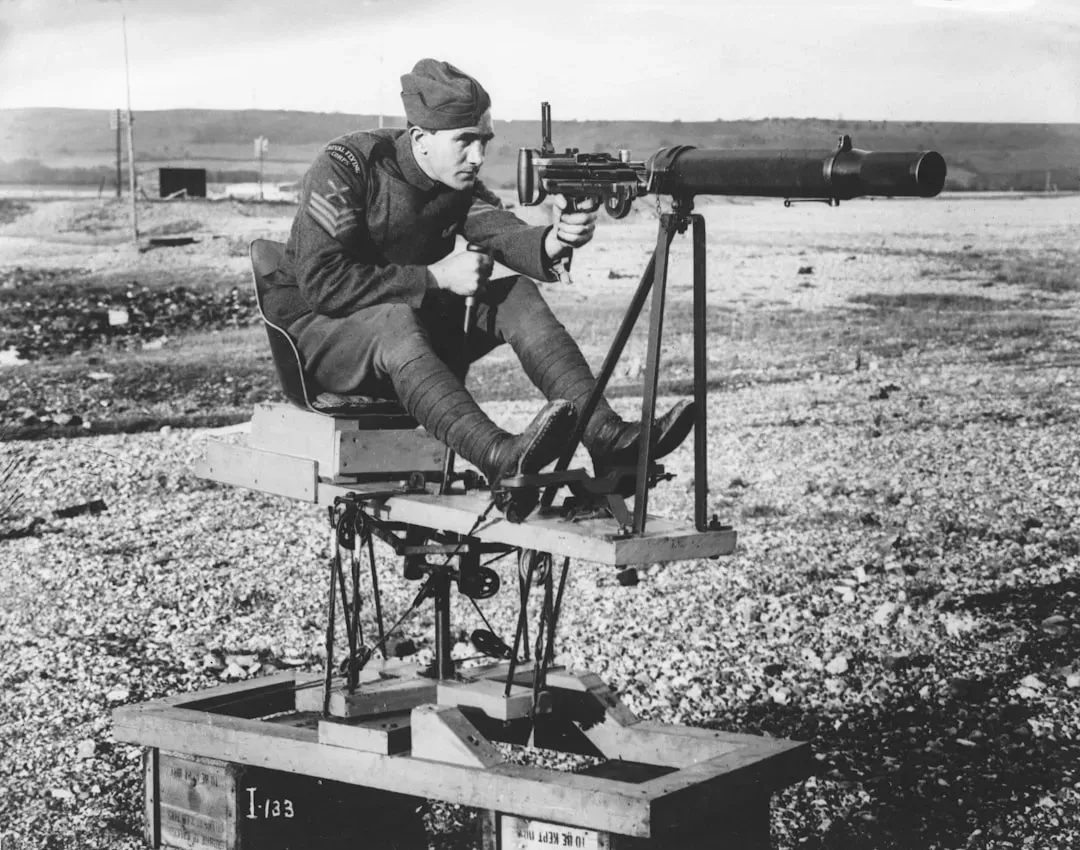
Everyone knows the story. Archduke Franz Ferdinand gets assassinated in Sarajevo in June 1914, and boom, a world war begins. Simple cause, simple effect. Except the reality is far more layered than that single gunshot on a summer morning.
World War I is called one of the deadliest wars ever, one that opened the door to a century of change. Yet the sheer scale of its human machinery is often lost. Russia mobilized roughly 12 million troops during WWI, making it the largest army in the war, and more than three quarters of them were killed, wounded, or went missing in action.
During WWI, the Spanish flu caused about one third of total military deaths, a chilling fact that rarely gets mentioned alongside the battles. Most people imagine soldiers dying on the front lines, not in makeshift hospitals from a pandemic. Nearly two thirds of military deaths in WWI were in battle, whereas in previous conflicts, most deaths were due to disease, making WWI a grim turning point in how wars were actually killing people.
2. The Hidden Side of WWI Trenches
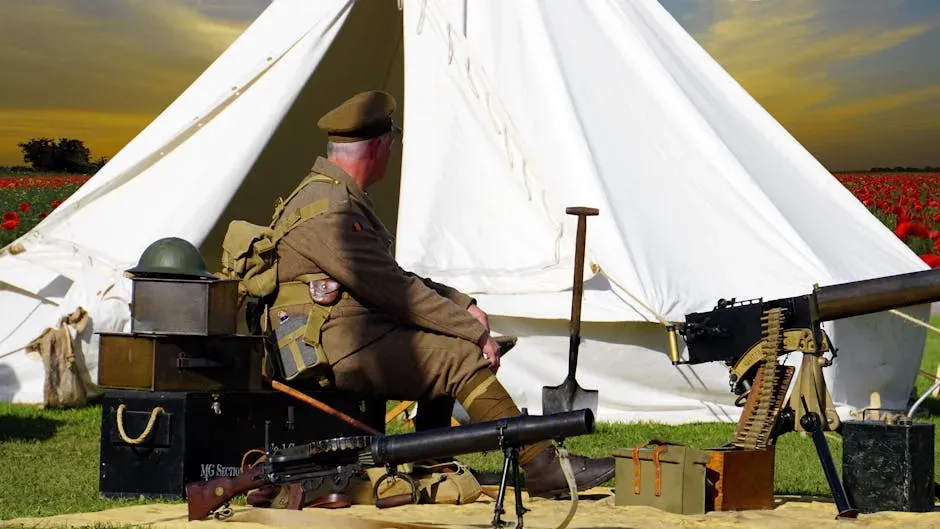
When you picture World War I trenches, you probably imagine muddy hellholes with rats and damp blankets. That image is accurate for one side. German trenches were built to last and included bunk beds, furniture, cupboards, water tanks with faucets, electric lights, and doorbells. Honestly, that reads more like a grim apartment than a war zone.
One battle, the Battle of Verdun, lasted 300 days, running from February to December 1916. The Germans managed to surprise the French, and the heavy use of artillery accounted for roughly 70 percent of the estimated 800,000 casualties. That is an almost unimaginable number tied to a single, grinding engagement.
A team of miners worked in secret to dig tunnels under the trenches during the war in order to plant and detonate mines, and the detonations destroyed much of the German front line and were so great, the prime minister at the time heard the sound in London, 140 miles away. That is the kind of detail that makes your jaw drop.
3. WWI’s Youngest Soldier and the Plastic Surgery It Created
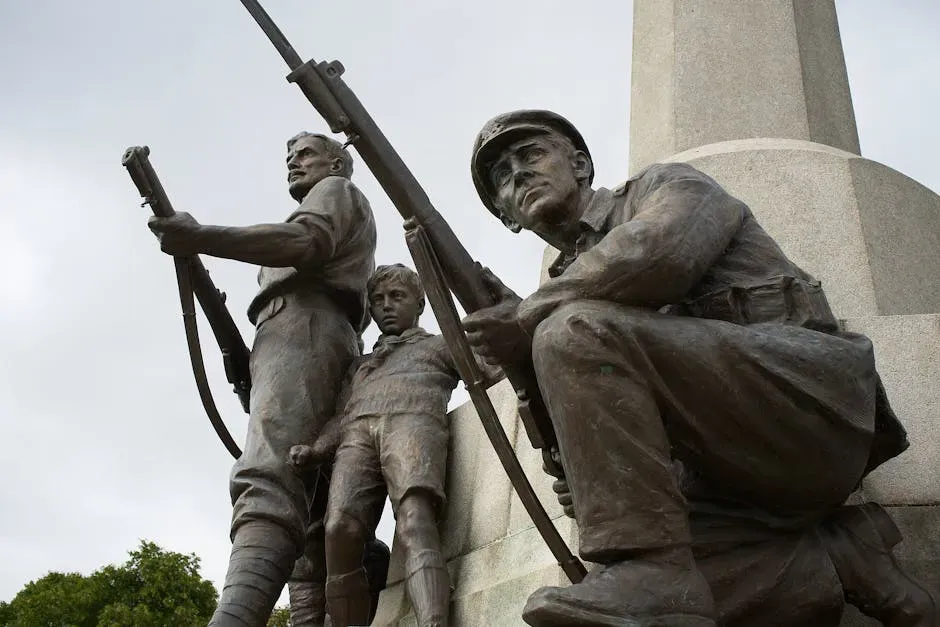
Here’s the thing about WWI. It wasn’t just a war of nations. It was a war of children, doctors, and inventors forced into decisions nobody was prepared for. With so many eager people racing to sign up, plenty of young boys slipped through the cracks. Though the legal age to serve was 18, Sidney Lewis signed up and fought in the Battle of the Somme. He was only twelve, the youngest authenticated British soldier.
Inspired by the sight of soldiers’ faces ravaged by shrapnel, Harold Gillies established the field of plastic surgery, pioneering the first attempts of facial reconstruction. Blood transfusions also became routine to save soldiers, with the first blood bank established on the front line in 1917. Two entire medical fields born from one catastrophic war.
Adolf Hitler served an important role in WWI. Though it seems odd to conceive of now, he was actually regarded as a rather brave dispatch runner and even earned the Iron Cross twice, shortly before his catastrophic rise to power. History pivoted on those two pieces of metal pinned to his chest.
4. The Vietnam War: Everything Hollywood Got Wrong
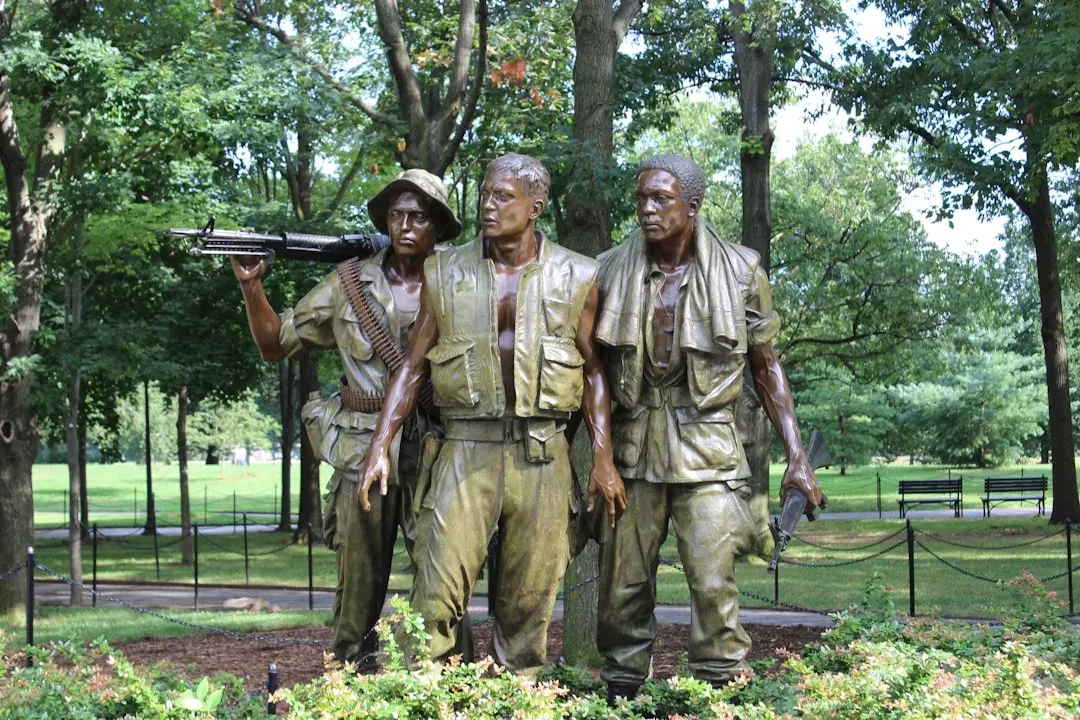
Few wars have been so thoroughly mythologized as Vietnam. Movies like Platoon, Full Metal Jacket, and Forrest Gump built a collective image of the conflict, one featuring young, reluctant draftees thrown into a jungle nightmare. That image is largely a fiction. Let’s be real about what the data actually shows.
Two out of every three men who served in Vietnam were volunteers. In World War II, two out of every three men who served were drafted. The assumption that Vietnam was fought by unwilling conscripts is almost the exact opposite of the truth. Vietnam veterans were the best educated force the nation had ever sent to combat. Nearly four out of five had a high school education or higher.
The average infantryman in the South Pacific during World War II saw about 40 days of combat in four years. The average infantryman in Vietnam saw about 240 days of combat in one year thanks to the mobility of the helicopter. Six times the combat exposure, in a fraction of the time. That statistic is staggering and almost never discussed.
5. The Vietnam War: The Enemy Wasn’t What You Think
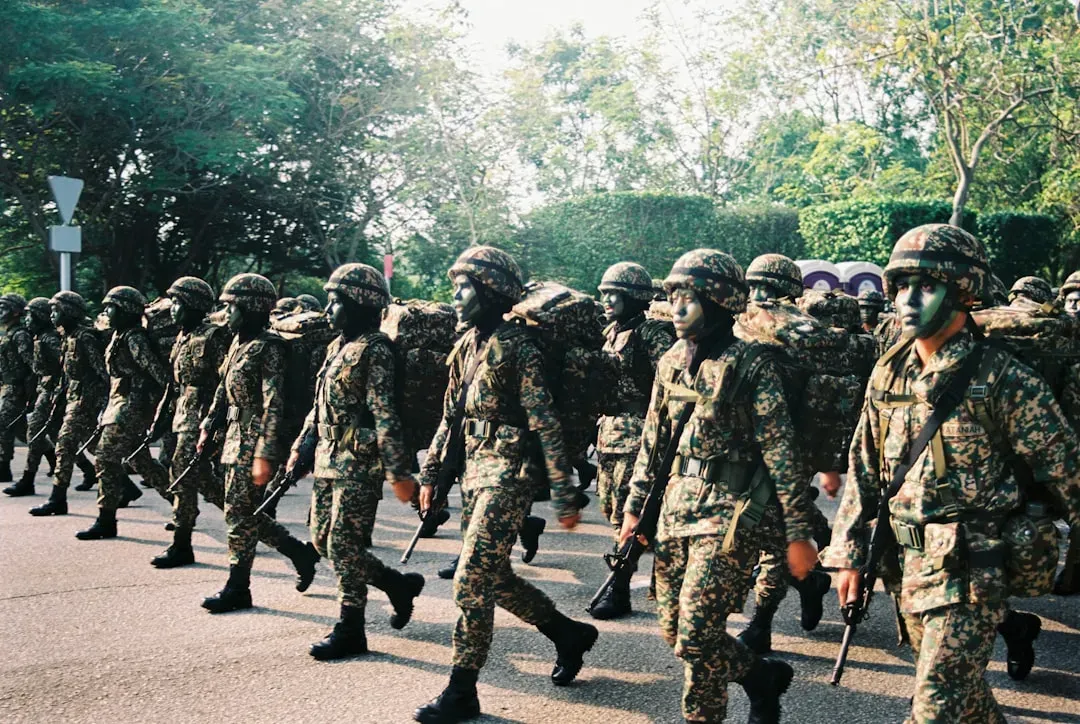
Pop culture painted the Viet Cong as ragged guerrilla fighters armed with basic weapons and sheer determination, a romanticized underdog story. The reality was quite different. The Viet Cong was a well-trained and well-funded military force. It is estimated that from 1954 to 1968, North Vietnam received over 3.2 billion dollars in military and economic aid from communist nations like Russia and China.
The Viet Cong had powerful and modern AK-47s, a Soviet-made automatic rifle that was the equivalent of the M-16 used by American troops. Its fighters were also equipped with submachine guns, grenades, rocket launchers and an array of other weapons. This was not a peasant army improvising with bamboo sticks. It was a modern military force backed by two superpowers.
According to the Department of Defense Combat Area Casualty File, the actual average age of the war’s 58,000 plus dead was 23.11 years. Given that the group represents a very substantial statistical sample, 23.11 is probably quite close to the average age of all who served in Vietnam. The popular myth of the teenage soldier is just that. A myth.
6. The Korean War: A Conflict Nobody Remembers But Everyone Should
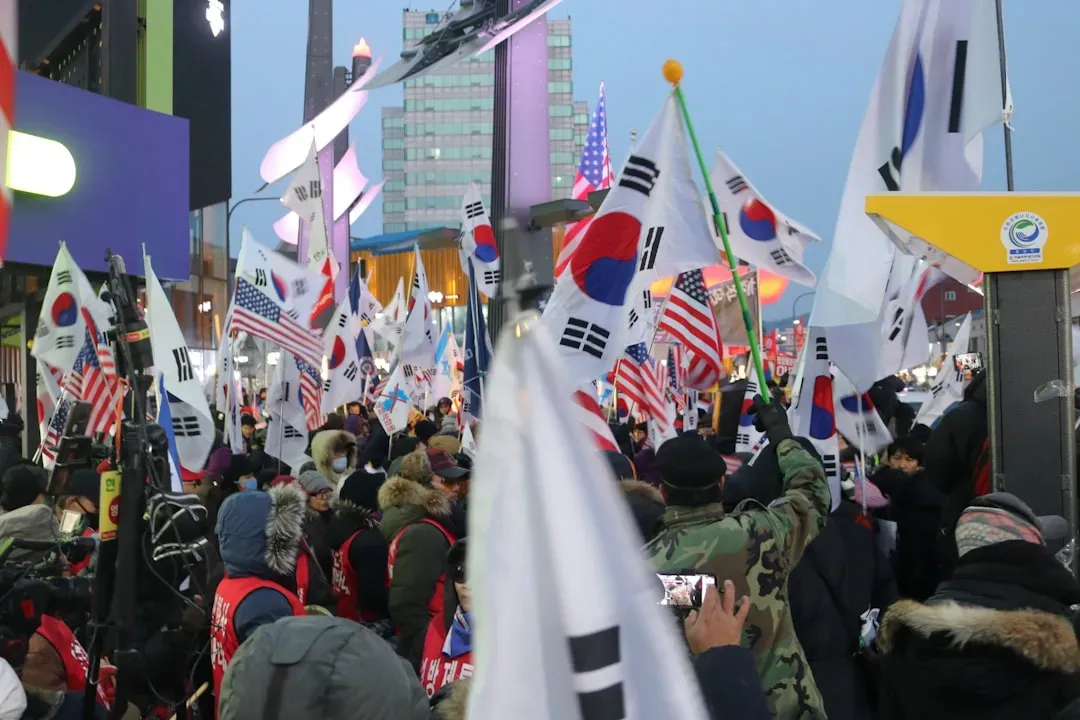
The Korean War is wedged uncomfortably in the American memory between the heroism of World War II and the controversy of Vietnam. It gets called “the Forgotten War” so often that the label itself has become a kind of uncomfortable truth. In the United States, the Korean War is sometimes referred to as the “Forgotten War.” Yet the Korean War was one of the most significant wars of the 20th century. It permanently altered the geopolitical landscape of Asia, set the stage for future Cold War conflicts, and heightened tensions between the United States and Soviet Union that lasted for decades.
Partner offer
When the North Korean military invaded South Korea in 1950, President Truman classified the U.S. military presence in Korea as a “police action” to keep the peace in the region, instead of officially referring to it as a war. This made the Korean War the first time a U.S. President had unilaterally instigated military hostilities without congressional approval. Think about that for a moment.
The division of the Korean Peninsula occurred in 1945 in the final months of World War II, when the United States and Soviet Union agreed to divide Korea in half. The decision on where to place the dividing line fell to two young U.S. Army officers, who were told time was of the essence. In a rush, they used a National Geographic map of Korea and chose the 38th parallel as the midway boundary. The rushed decision was made in roughly 30 minutes, with no consideration given to the real-life geography of Korea or the lives of the people who lived there. Thirty minutes. A map from a magazine. The consequences are still felt today.
7. Korea’s Jet Age Secret and the Atomic Option Nobody Talks About
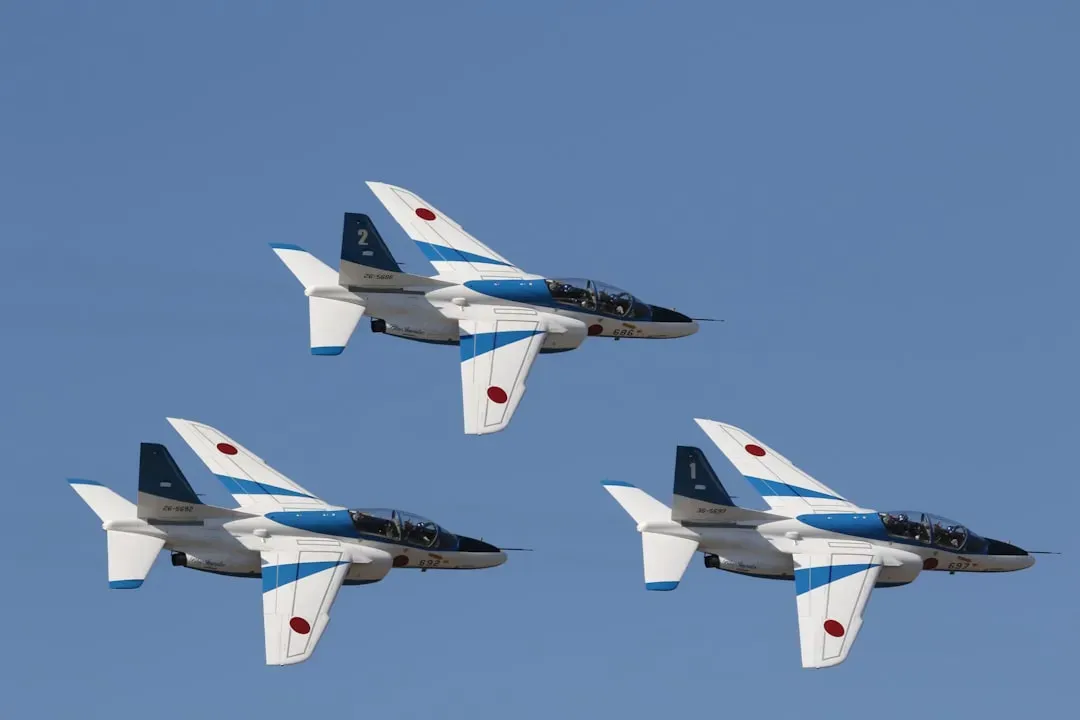
Korea is also where modern air warfare was born in a very literal sense. The Korean War saw the advent of the fighter jet as an icon of modern warfare. Jet-powered fighter planes had started to appear in small numbers at the end of World War II, but it wasn’t until the Korean War that they became widely used. The world’s first jet-powered dogfight took place during the conflict. Soviet fighter jets became such a common sight that an entire region of North Korea earned the name “MiG Alley.”
In the early 1950s, the United States dropped 635,000 tons of bombs and 32,557 tons of napalm on North Korea. That staggering figure never makes it into casual history conversations. The President was even prepared to use atomic weapons, an option that had been under consideration since the early days of the fighting. According to some historians, the United States was closer to using nuclear weapons in Korea under Truman than under his successor, Eisenhower.
Nestled between the last “good war” of World War II and the nightmare of Vietnam, the Korean War is mostly forgotten because very little was accomplished according to some. Neither side won nor did they lose it since they never signed a permanent peace treaty, so both sides are technically still at war. Still at war. In 2026. Let that sink in.
8. The Napoleonic Wars: Far Bigger Than Europe
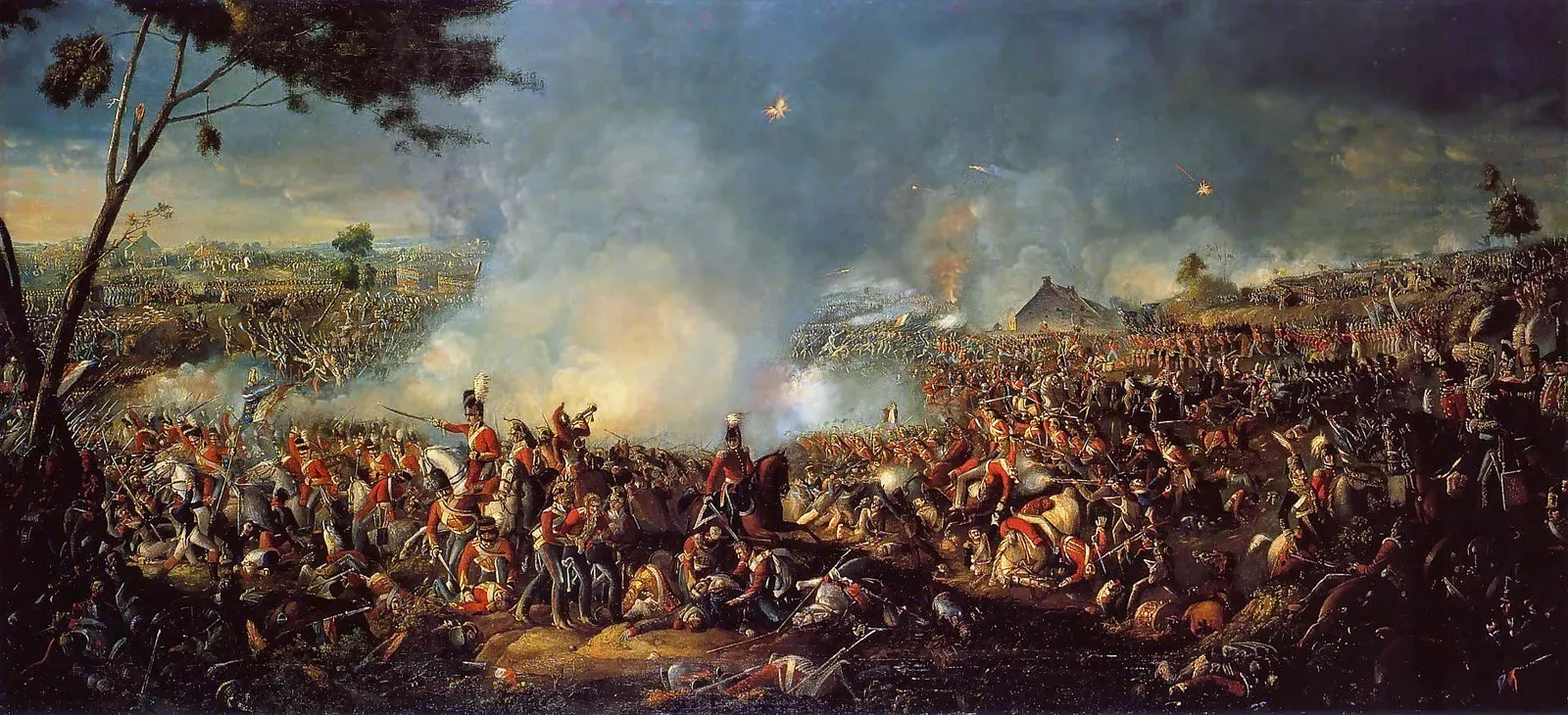
Ask anyone about the Napoleonic Wars and you’ll hear about Waterloo, Wellington, and a short French general on a horse. That last part about his height, by the way, is a myth rooted in a confusion between French and English units of measurement. More importantly, most people completely miss how truly global these wars were.
Napoleon’s invasion of Spain and the sudden collapse of Spanish royal authority in Spanish America created a power vacuum that encouraged communities throughout the colonies to declare their independence. Meanwhile, Napoleon’s machinations resulted in the Louisiana Purchase, which considerably strengthened the young United States. The Purchase also contributed to the rise of Manifest Destiny and the defeat of Native Americans by removing French and Spanish colonies along the Mississippi as an obstacle to westward expansion.
The Battle of Waterloo is often lauded by the British as a great triumph. However, the percentage of British troops in Wellington’s army was only about a third, and that includes Irish troops. The rest of Wellington’s army was comprised of Germans, Dutch, and Belgian troops. The British victory at Waterloo was, in large part, a multinational coalition effort. A detail that gets conveniently forgotten.
9. The Second Boer War: Where “Concentration Camp” Was Born
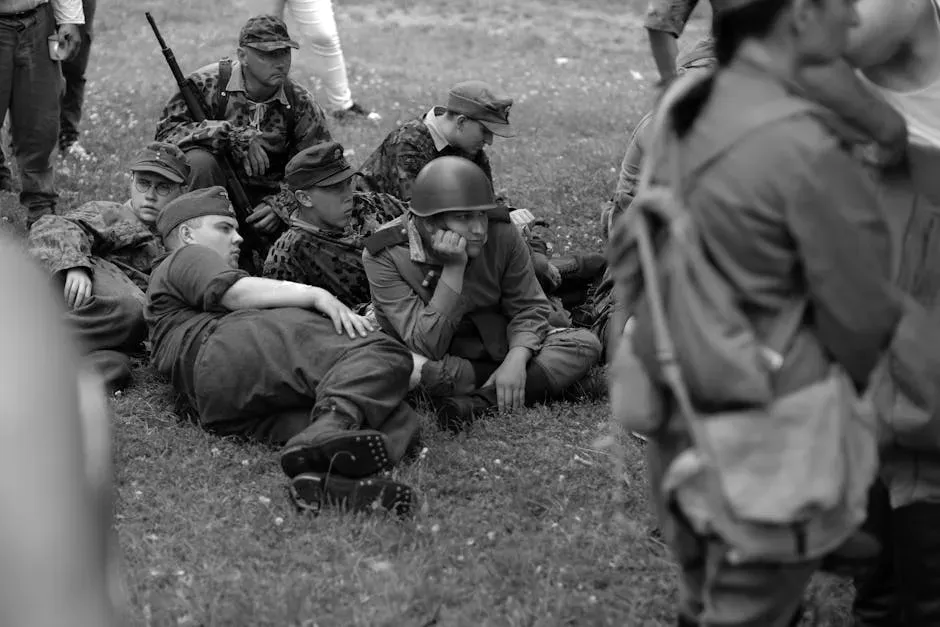
I think most people, if they know anything about the Boer War at all, picture it as a minor colonial skirmish somewhere in Africa. In truth, it was one of the most brutal and morally complex conflicts of its era, and it introduced a dark innovation to the world. Although it was the largest and most costly war in which the British engaged between the Napoleonic Wars and World War I, spending more than 200 million pounds, it was fought between wholly unequal belligerents.
The term “concentration camp” was used to describe camps operated by the British in South Africa during this conflict in the years 1900 to 1902, and the term grew in prominence during this period. The camps had originally been set up by the British Army as “refugee camps” to provide refuge for civilian families who had been forced to abandon their homes. The rebranding from refugee camp to concentration camp tells its own terrible story.
A report after the war concluded that 27,927 White Boers, of whom 24,074 were children under 16, representing roughly half of the Boer child population, had died in the camps. In all, about one in four of the Boer inmates died, most of them children. It is thought that about 12 percent of Black African inmates also died, but the precise number is unknown as little attempt was made to keep any records of the 107,000 Black Africans who were interned. The scale of civilian suffering in this war is rarely taught and almost never discussed.
10. The Tet Offensive: A Military Win That Became a Political Catastrophe
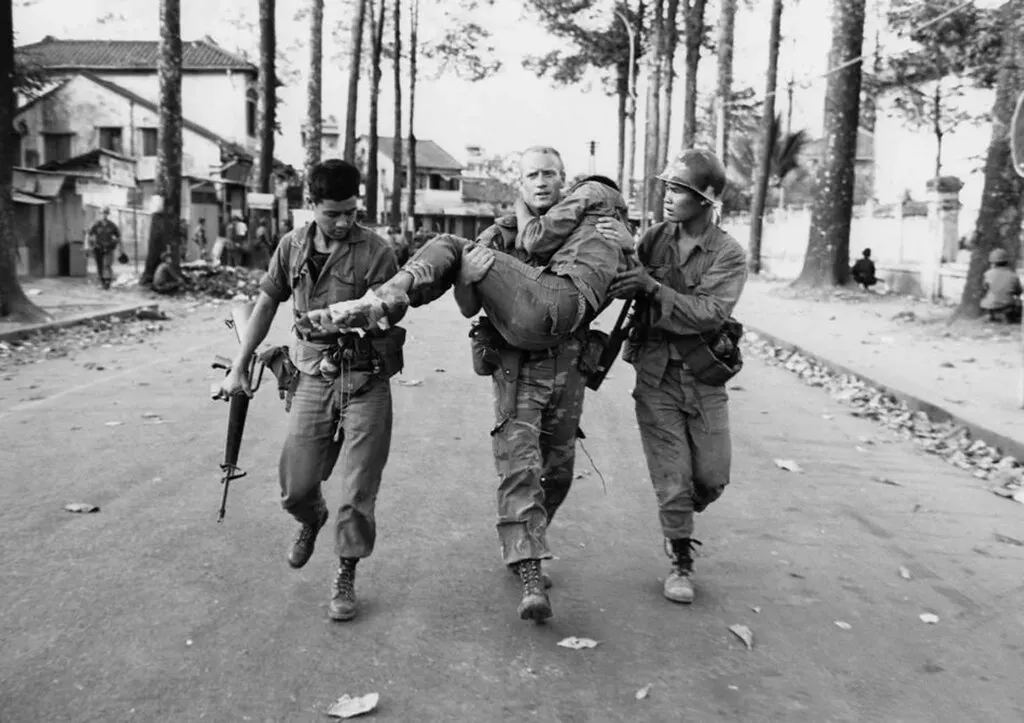
The Tet Offensive of 1968 is taught in schools as the moment America realized it was losing Vietnam. That’s the popular version. Here’s what actually happened on the battlefield, stripped of the media narrative that surrounded it. After recovering from the surprise which accompanied the unleashing of the Tet Offensive, in which over 100 cities were attacked and numerous bases overrun or destroyed, the United States and ARVN responded quickly, recovering most of the territory lost in a matter of a few weeks, and dealing heavy casualties to the North Vietnamese and Viet Cong.
Militarily, the Tet Offensive was a crushing defeat for the North Vietnamese and the communists, but the presentation of the event to the American people by a hostile media led to the American attitude toward the war becoming one of defeatism. Although the American military defeated Tet quickly, they lost the support of the American people. A military victory became a strategic disaster, not on the battlefield, but in living rooms across America.
The famous “Napalm Girl” photograph, one of the most iconic images of the war, was widely believed to show a child burned by an American napalm strike. In fact, Kim Phuc, the nine-year-old girl in the photograph, wasn’t burned in an American napalm strike. No American was involved in the bombing of Trang Bang. The planes that conducted the bombing belonged to the North Vietnamese Air Force. One of the most enduring anti-war images in history was misattributed for decades.
Conclusion: The Wars Behind the Wars
History, it turns out, is not a museum with clearly labeled exhibits. It is a living argument, full of contradictions, inconvenient data, and stories that got simplified beyond recognition to fit a comfortable narrative. Every war in this list was taught to millions of people in a version that left out the most fascinating and often most important parts.
The teenager who wasn’t actually a teenager. The concentration camp that gave the world a terrible new word. The military victory that became a political collapse. The rushed 30-minute border decision that split a nation still divided today. None of it fits neatly into a textbook paragraph.
Understanding these wars more fully doesn’t just make you a better history student. It makes you a sharper thinker about how power, media, and memory shape what we believe to be true. Which of these surprised you the most? Tell us in the comments.
Partner offer
Planning a trip to Vegas?
Compare hotel rates and show tickets on VEGAS.com.