Some voices do more than fill a room. They reach inside you, rearrange something, and leave a mark that stays long after the music stops. The four artists gathered here did exactly that. They didn’t just sing well; they each redefined what singing could mean, what it could carry, and how deeply it could connect one human being to another. Their legacies are not relics of the past. They are still being studied, streamed, covered, and argued about today.
Freddie Mercury: The Science Behind the Spectacle

A group of Austrian, Czech, and Swedish researchers set out to examine the Queen singer’s incredible vocals, and their conclusion was clear: Freddie Mercury had a voice unlike anyone else in rock and roll, one that led to one of the most unique singers and stage performers of all time. What made him so different wasn’t simply volume or drama, though both were in plentiful supply. The lead author, Austrian voice scientist Christian Herbst, states that Mercury’s voice range was “normal for a healthy adult – not more, not less,” and contrary to his popular image, he was probably a baritone who sang as a tenor with exceptional control over his voice production technique. That gap between what he was given and what he achieved is the whole story.
A 2016 study published in the journal Logopedics Phoniatrics Vocology concluded that Mercury’s vocal cords moved faster than the average person’s. While a typical vibrato will fluctuate between 5.4 Hz and 6.9 Hz, Mercury’s was 7.04 Hz, according to the report. Beyond that remarkable vibrato, researchers discovered that he likely employed subharmonics, a singing style where the ventricular folds vibrate along with the vocal folds. Most humans never speak or sing with their ventricular folds unless they’re Tuvan throat singers, so the fact that this popular rock vocalist was probably dealing with subharmonics is pretty incredible. The science, in short, confirmed what audiences had sensed all along.
Aretha Franklin: The Queen Who Changed Everything
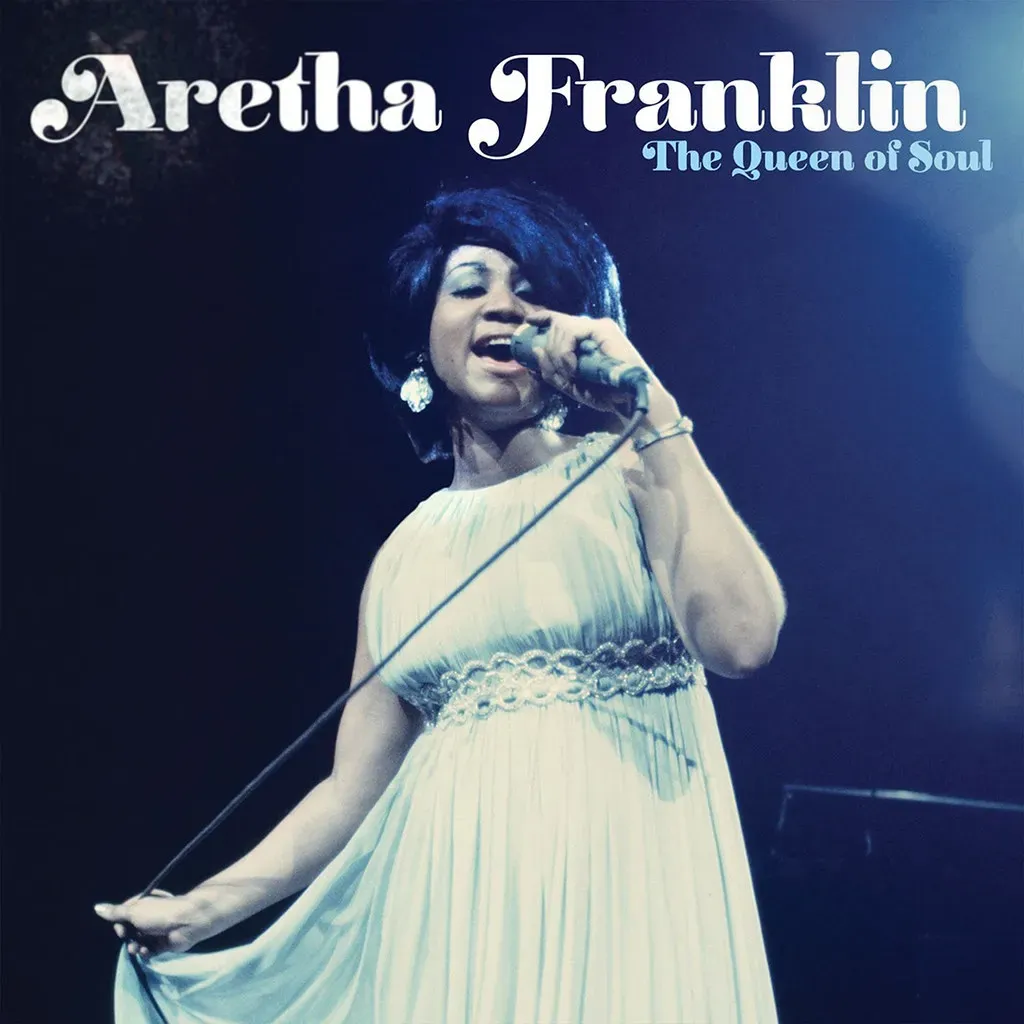
Known as the “Queen of Soul,” Aretha Franklin possessed a powerful and soulful voice capable of moving listeners to their core. With her gospel-inspired style and emotive performances, she created timeless classics like “Respect” and “Natural Woman,” establishing herself as one of the greatest vocalists in history and an icon of female empowerment. She wasn’t just talented. She arrived at a moment in American history when her voice carried something bigger than melody. Her hit recording “Respect” became an anthem of the civil rights struggle and of the nascent women’s movement.
The numbers behind her career are staggering in their consistency. During the span of her career, the Queen of Soul received 44 Grammy nominations, won 18 Grammy awards, and has five recordings in the Grammy Hall of Fame: “Respect,” “Chain Of Fools,” “Amazing Grace,” “(You Make Me Feel Like) A Natural Woman,” and “I Never Loved A Man (The Way I Love You).” She also made history as the first woman Rock and Roll Hall of Fame inductee in 1987. She won the Grammy for best R&B vocal performance, female, for eight consecutive years – the longest Grammy-winning streak by any artist in any category. History has rarely been so decisive in its verdict.
Whitney Houston: The Voice That Rewrote the Record Books
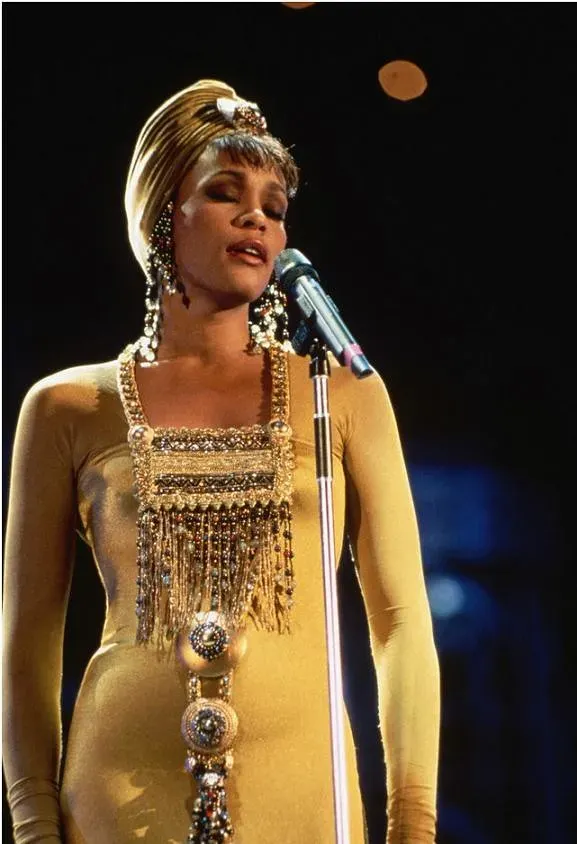
Whitney Houston’s voice was a force of nature, possessing an incredible vocal range, impeccable technique, and a unique ability to infuse every note with raw emotion. Her commercial numbers were equally unrestrained. When “Where Do Broken Hearts Go” from her second album reached the top of the Billboard Hot 100 on April 23, 1988, Whitney became the first female artist to achieve four number-one singles from one album and is also the first and only artist in pop history to have seven consecutive number-one hits. That kind of run was simply not supposed to be possible.
Whitney Houston recorded a pop-ballad arrangement of “I Will Always Love You” for the 1992 film The Bodyguard, and Houston’s version peaked at number one on the Billboard Hot 100 for a then-record-breaking 14 weeks. The song was an enormous success worldwide, going number one in 34 official singles charts. With over 25 million copies sold worldwide, it became the best-selling single of all time by a female solo artist. In 2020, “I Will Always Love You” was selected by the Library of Congress for preservation in the National Recording Registry, and in January 2022 it was certified Diamond by the Recording Industry Association of America.
Partner offer
Frank Sinatra: The Chairman Who Invented Modern Pop
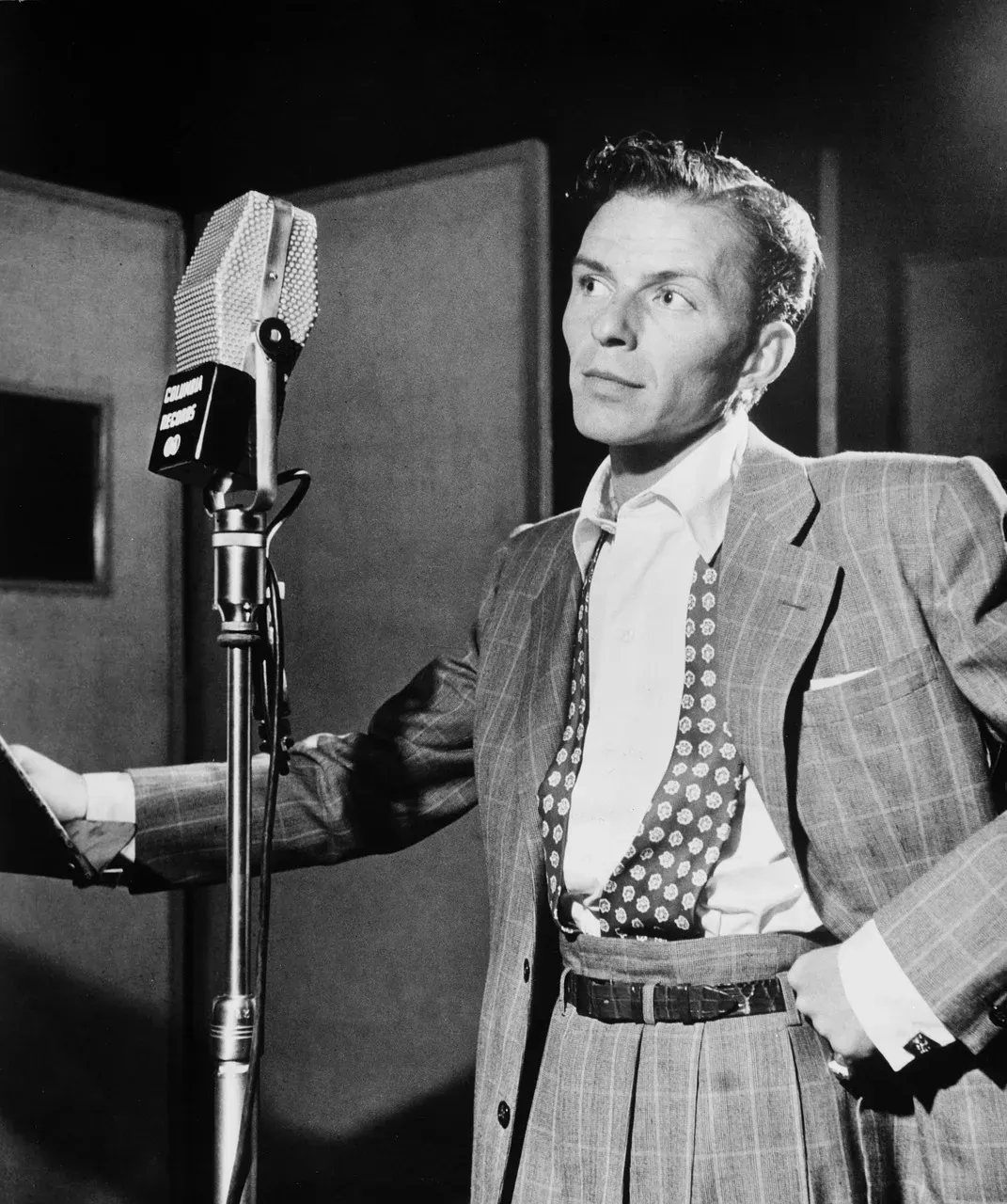
Sinatra is one of the most influential music artists of the 20th century, and has sold 150 million records worldwide, making him one of the best-selling music artists of all time. His career didn’t just span decades; it actively shaped them. His career spanned more than half a century, yielding a recorded legacy of 59 studio albums, 2 live albums, 8 compilation ones, and 297 singles. His legacy includes 1,400 recordings, 31 gold, nine platinum, three double-platinum, and one triple-platinum album.
Sinatra made a point of studying Tommy Dorsey’s trombone playing as a means of cultivating a more free-flowing vocal style. He noticed that Dorsey used a small airhole at the side of his mouth to sneak breaths when playing, and Sinatra would employ a similar technique, so as to be able to hold notes for incredibly long durations. In addition to this, Sinatra started to jog and swim underwater to develop his lung capacity, which enabled him to continue a musical phrase through a stanza without pausing, or breaking the note, for breath. In 1969, some 30 years after his first single, he released the legendary track “My Way,” which became the longest charting song ever in the UK. The craft was always deliberate, always physical, always earned.
What These Four Voices Share

It’s about technical skill, yes, but it’s also about the emotion, the storytelling, and the sheer charisma that a vocalist brings to their performance. Each of these four artists understood that truth differently, but they all lived it completely. Mercury bent physics with his larynx. Franklin weaponized gospel tradition for civil rights. Houston turned a country song into the best-selling female single in history. Sinatra practiced underwater breathing drills to hold notes no one thought a pop singer could hold. None of them happened by accident. The talent of a great singer transcends generations, genres, and cultures.
These artists are redefining what it means to be a great vocalist. They’re not just singing notes; they’re telling stories, expressing emotions, and pushing the boundaries of their own artistry. That observation, made in the context of contemporary voices in 2024, applies just as accurately to the four legends examined here. Their influence is not merely historical. It is alive in every modern singer who studies their phrasing, their breath control, their courage to go further than the song seems to require. Every artist on this list represents a unique voice that has truly made a significant impact in shaping the landscape of music.
Why These Voices Still Matter in 2025 and 2026

Frank Sinatra has got many nicknames during his life, but more than anything, he got what can be regarded as the most outstanding entertainment career of all time. A quarter of a century after his passing, the singer of “My Way,” “Fly Me to the Moon,” and “New York New York” remains a household name. The same holds true across all four voices featured here. Streaming data, tribute concerts, and academic studies continue to prove their reach. Even decades after his passing, Mercury’s influence on vocalists across genres remains undeniable. His legacy as a trailblazing vocalist continues to inspire countless singers around the world.
Even 17 years later, and 7 years after her passing, Aretha Franklin remains the third most Grammy-winning female artist. Whitney Houston’s estate, meanwhile, continues to release archival material and license her recordings globally, with The Bodyguard soundtrack remaining the all-time top-selling album by a female artist worldwide and the biggest-selling soundtrack album ever, with global sales of more than 45 million copies. These are not nostalgic footnotes. They are active, living numbers. The four are still doing exactly that.
Partner offer
Planning a trip to Vegas?
Compare hotel rates and show tickets on VEGAS.com.