There is something almost surreal about Las Vegas. Neon lights blazing at every hour, crowds shoulder to shoulder, and a constant electric buzz that never quite dies down. It feels, to most visitors, completely untouchable – a pleasure dome where the world’s troubles stay at the door.
That feeling, honestly, is part of the problem. Because behind the spectacle and the noise, U.S. security officials, federal law enforcement, and terrorism researchers have consistently identified the city as one of the most attractive targets in America for actors who want to cause maximum harm. The reasons are more layered and troubling than most people realize. Let’s dive in.
A City That Never Sleeps – and Never Empties Out
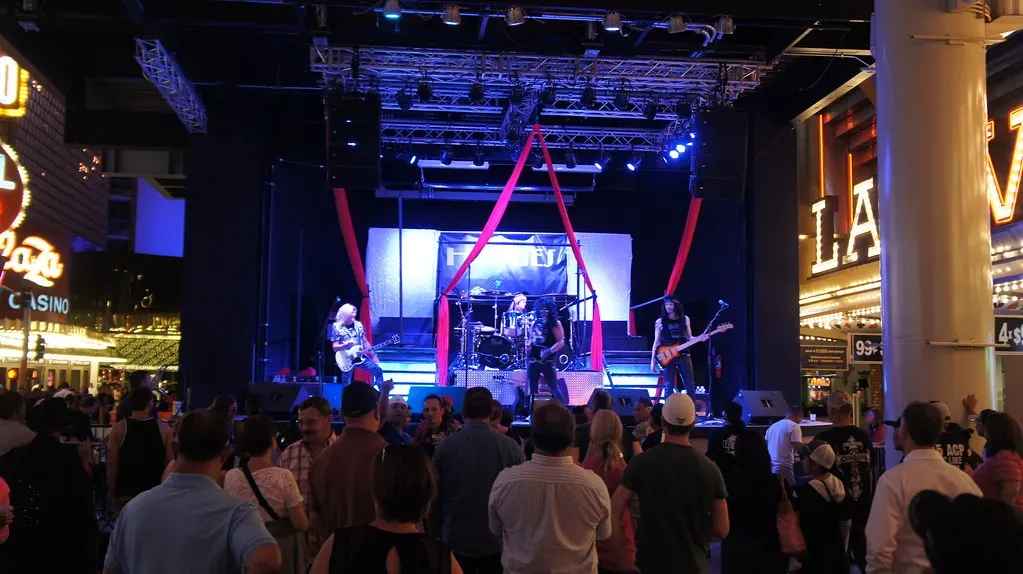
Las Vegas welcomed nearly 41.7 million visitors in 2024, a rise of more than two percent on 2023’s already enormous numbers. Think about that for a second. That is more people than the entire population of California flowing through a single city in a single year. On any given day in 2024, Las Vegas averaged roughly 114,000 visitors inside the city at once.
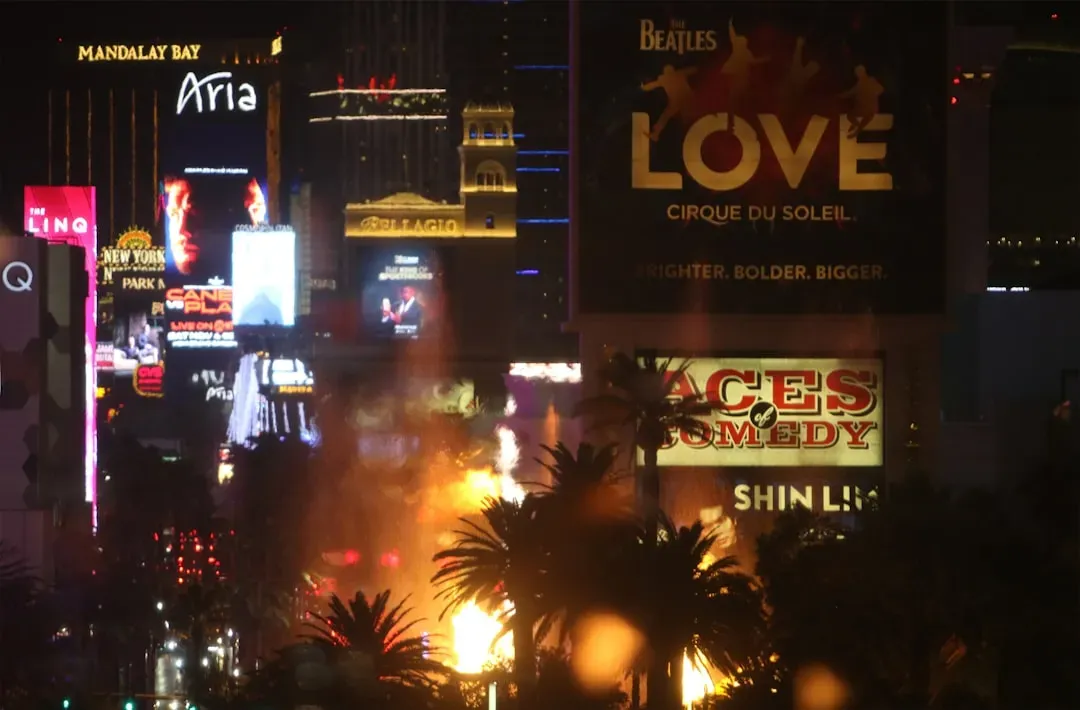
Visitor spending in Las Vegas hit an all-time high of $55.1 billion in 2024. The Strip, the conventions, the concerts, the sporting events – they all feed a relentless, round-the-clock flow of humanity. For anyone seeking mass visibility and mass casualties, that density is not just tempting. It is the entire point.
The New Year’s Day Explosion That Changed the Conversation
On January 1, 2025, Las Vegas made headlines for something far darker than a headline act on the Strip. A Tesla Cybertruck exploded outside the Trump International Hotel in Las Vegas, killing one person and injuring seven others in an incident investigated as a possible act of terrorism. The suspect, identified as active-duty U.S. Army Special Forces soldier Matthew Livelsberger, had driven the rented vehicle from Colorado and detonated it in the hotel’s valet area.
Investigators concluded the incident was “premeditated” and that the vehicle-borne improvised explosive device had the potential to “cause mass casualties and extensive structural damage.” Perhaps most unsettling of all, the Las Vegas Metropolitan Police Department reported that Livelsberger had used ChatGPT to help plan the explosion – a deeply troubling sign of how accessible bomb-planning information has become. At the time, law enforcement feared the nation might be experiencing a multi-city coordinated terrorist attack, given that a deadly vehicle-ramming in New Orleans had occurred just hours earlier – also by a member of the U.S. military, also using a rented vehicle, on the same day.
Soft Targets and Symbolic Locations
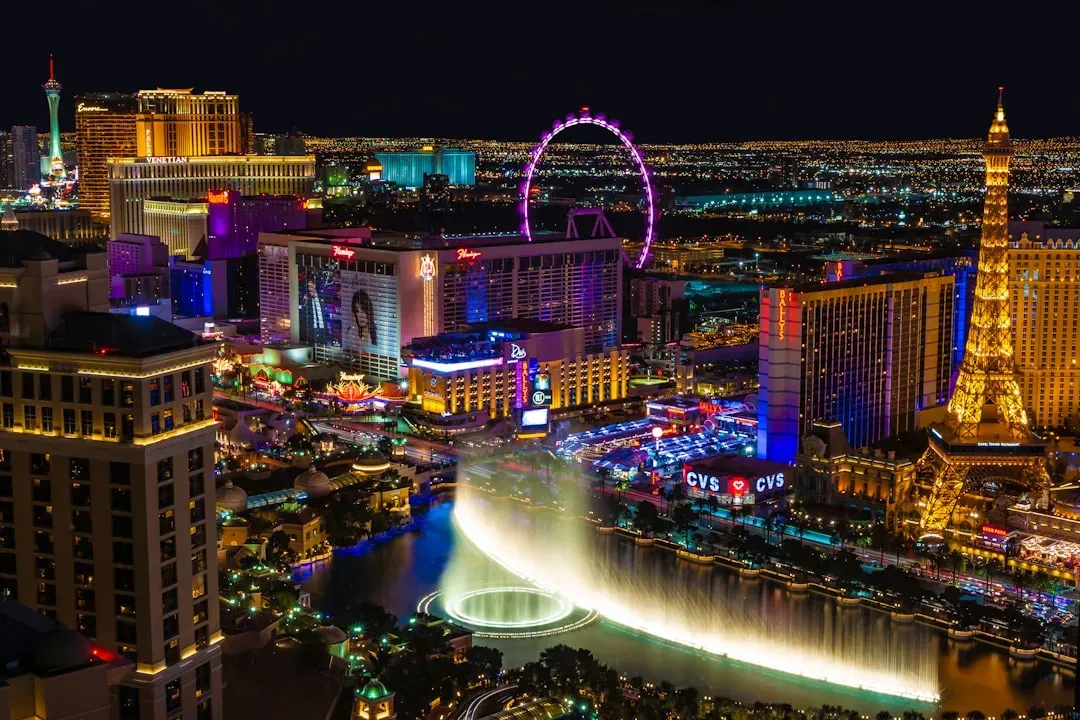
Here’s the thing about Las Vegas that security analysts keep coming back to: the city’s greatest commercial strengths are simultaneously its greatest security vulnerabilities. The city has been identified as a potential target specifically due to its dense concentration of hotels, casinos, and skyscrapers – all of which are notoriously difficult to comprehensively secure.
Research by the RAND Corporation previously ranked Las Vegas ninth among U.S. cities at risk for a terror attack, citing its high-profile targets. Security experts consistently use the term “soft target” to describe locations like the Strip, where enormous crowds gather in open, accessible spaces. Extremist propaganda has specifically urged individuals to use whatever tools they have on hand, including cars, to attack soft targets such as public celebrations. Las Vegas, with its world-famous New Year’s Eve events, its outdoor concerts, and its 24-hour sidewalk crowds, fits that description almost perfectly.
Politically Motivated Violence Finds a Stage in Las Vegas
It would be a mistake to think of the terrorism threat as coming only from foreign ideologies or organized groups. The greatest terrorist threat to the United States today comes from domestic extremists rather than foreign Salafi-jihadist organizations, according to the Center for Strategic and International Studies.
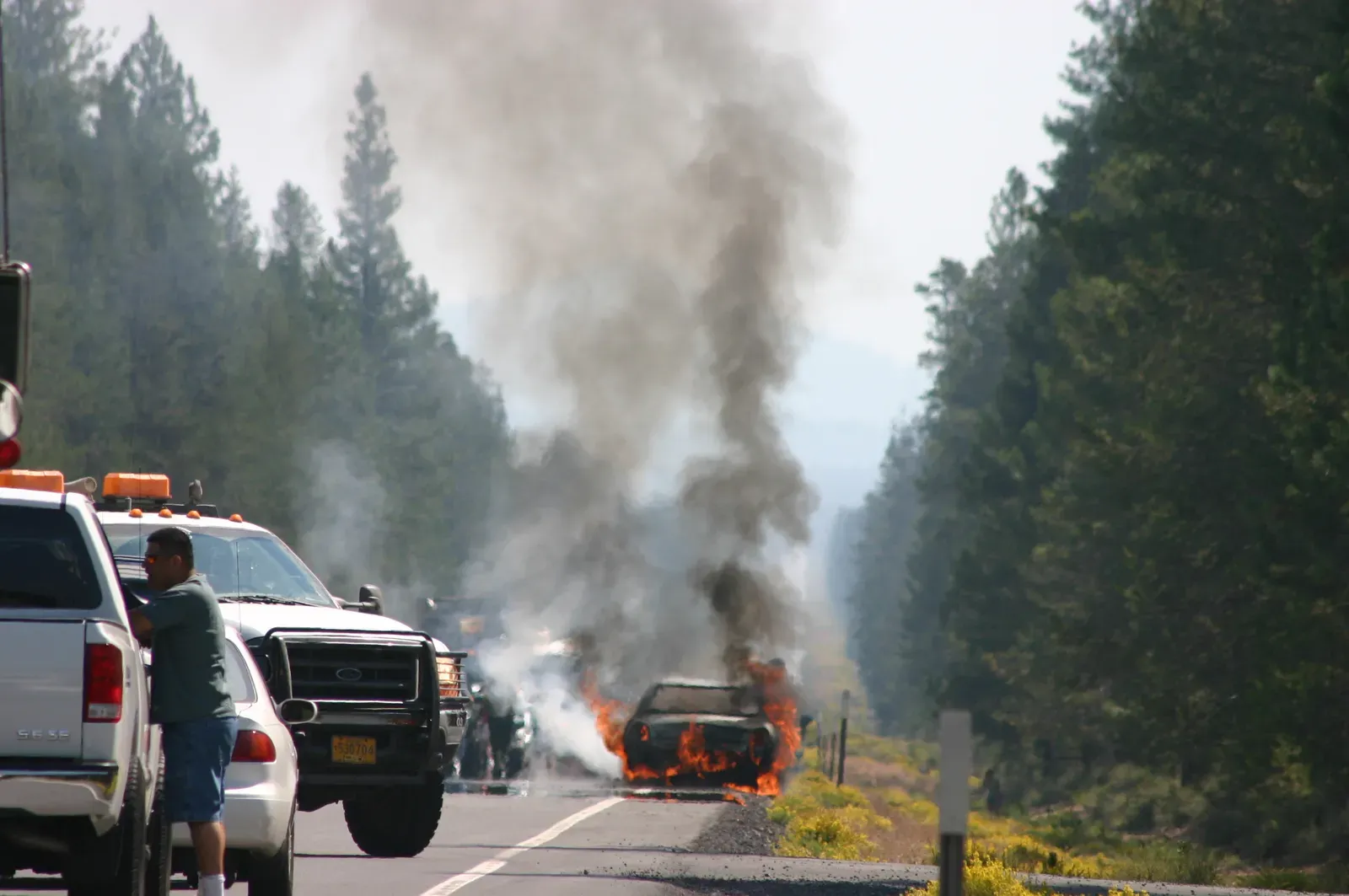
Las Vegas proved this point vividly in March 2025. Five Tesla cars were set on fire and shot at in an arson attack at a Tesla service center in Las Vegas on March 18, 2025, prompting U.S. Attorney General Pam Bondi to call the recent spate of attacks “nothing short of domestic terrorism.” In the Las Vegas attack specifically, the unknown suspect spray-painted “Resist” on the facility’s doors before shooting multiple cars and setting them ablaze – a clear political message aimed at Elon Musk’s role in the Trump administration. FBI Special Agent in Charge Spencer Evans noted the attack had “some of the hallmarks” of terrorism and a “potential political agenda.”
The Escalating IED Threat and What It Means for Dense Urban Venues
A study from the National Counterterrorism Innovation, Technology, and Education Center found that ideologically motivated IED incidents in the U.S. reached a five-year annual high in 2024. Improvised explosive devices, once associated primarily with foreign battlefields, have become a recurring feature of the domestic threat landscape.
IEDs are featured regularly, either as the primary or secondary weapons, in terrorist plots and attacks targeting U.S. communities and infrastructure, with their accessibility and lethal capacity making them a go-to choice for a diverse range of ideological extremists. For a city like Las Vegas, where millions crowd into tightly packed entertainment venues and hotel lobbies, the math becomes uncomfortable very quickly. Threat actors with intent to use explosives are empowered by shrinking capability constraints and enabled by online networks, with bomb-making instructions readily available through encrypted messaging apps and social media.
Federal Warnings and the Persistent Threat Environment
The Department of Homeland Security’s 2025 Homeland Threat Assessment described a threat environment expected to “remain high” over the coming year. That is not boilerplate language – it reflects a genuine, ongoing concern from the highest levels of U.S. intelligence.
Lone offenders and small groups motivated by a range of ideological beliefs and personal grievances continue to pose a persistent and lethal threat to the Homeland, with both domestic violent extremists and those associated with foreign terrorist organizations continuing to attempt to motivate supporters to conduct attacks through violent extremist messaging and online calls for violence. FBI Director Christopher Wray specifically warned about homegrown violent extremists – individuals who radicalize on their own – and noted that the overall threat level spiked sharply after the Hamas attack on Israel in October 2023. Las Vegas, as a place where tens of millions converge, sits squarely in the crosshairs of that expanded threat landscape.
The Southern Nevada Counter Terrorism Center and Local Response
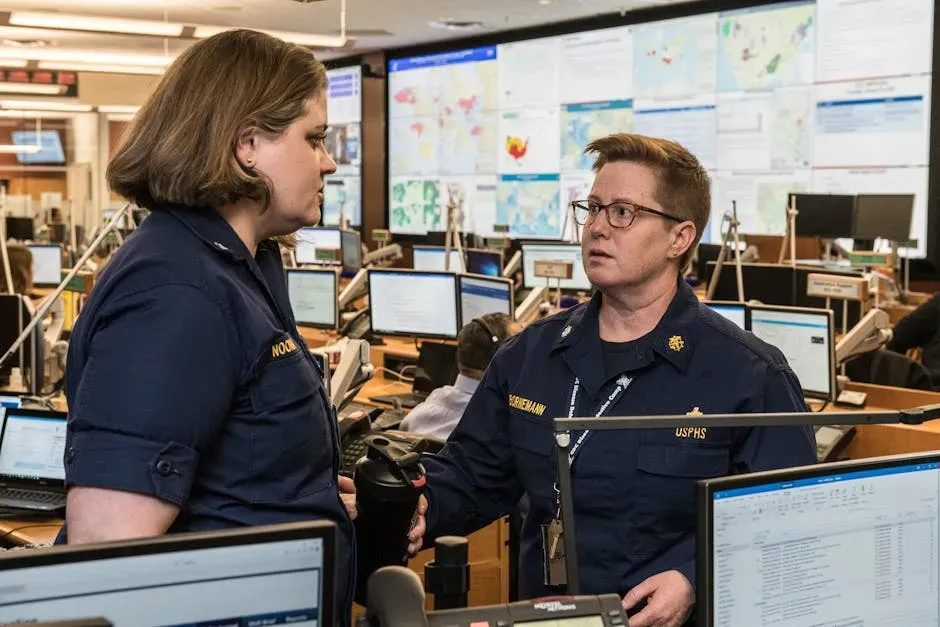
It’s not all grim news, and it would be unfair to leave out the other side of the story. Las Vegas has invested heavily in its own counter-terrorism infrastructure. The Southern Nevada Counter Terrorism Center is a multi-agency fusion center serving southern Nevada, operating 24 hours a day, seven days a week, providing situational awareness and technical support to local, regional, and national partners while assessing threats and suspicious activity reporting in order to prevent acts of terrorism and targeted violence.
Retired Metro Sergeant Ashton Packe, who has experience in counter-terrorism, highlighted the significant advancements in local law enforcement’s intelligence capabilities. Seventeen agencies operate full-time or part-time within the center, reflecting just how seriously Nevada takes this problem. Still, it’s hard to say for sure whether even the best-prepared city in America can fully neutralize the threat when the scale of public exposure is this enormous.
Online Radicalization and the Lone Actor Problem

Perhaps the most stubborn challenge facing Las Vegas – and every major U.S. city – is the lone actor problem. Lone offenders and small groups motivated by a range of ideological beliefs and personal grievances continue to pose a persistent and lethal threat to the Homeland. These individuals do not belong to organizations that can be infiltrated. They do not communicate with networks that can be monitored. They decide, plan, and act.
Threat assessment reports have highlighted the resurgence of foreign jihadist networks, rising antisemitic violence, and the growing threats fueled by online radicalization. The January 2025 Las Vegas explosion was a case study in just this kind of threat – a single, deeply troubled individual who researched online, planned in private, and selected a high-profile symbolic location for maximum visibility. Recent vehicle attacks in New Orleans and Las Vegas underscored persistent terrorist threats in the United States – both premeditated, both suggesting political motives, and both raising public anxiety about safety and security. The fact that at least one of those attackers used an AI tool to assist with planning should give everyone pause.
Conclusion: The City of Lights Cannot Afford to Look Away
Las Vegas sells the fantasy of escape – from routine, from worry, from the weight of everyday life. That fantasy is worth billions to the U.S. economy and millions of jobs to the state of Nevada. Nobody wants to puncture it. But the evidence from 2023 through 2025 makes one thing unmistakably clear: the threats are real, they are evolving, and they keep choosing Las Vegas as their backdrop.
The city’s openness, its symbolism, its staggering visitor numbers, and its role as a living showcase of American excess and freedom make it irresistible to those who want to send a message loud enough for the entire world to hear. Security infrastructure is stronger than it has ever been. Federal awareness is sharper. Yet the lone actor with a plan and a grievance remains extraordinarily difficult to stop. The question worth sitting with is this: how do you fully protect something that is, by design, built for everyone to enter?
What do you think should be done to better protect large public venues like the Las Vegas Strip? Share your thoughts in the comments below.