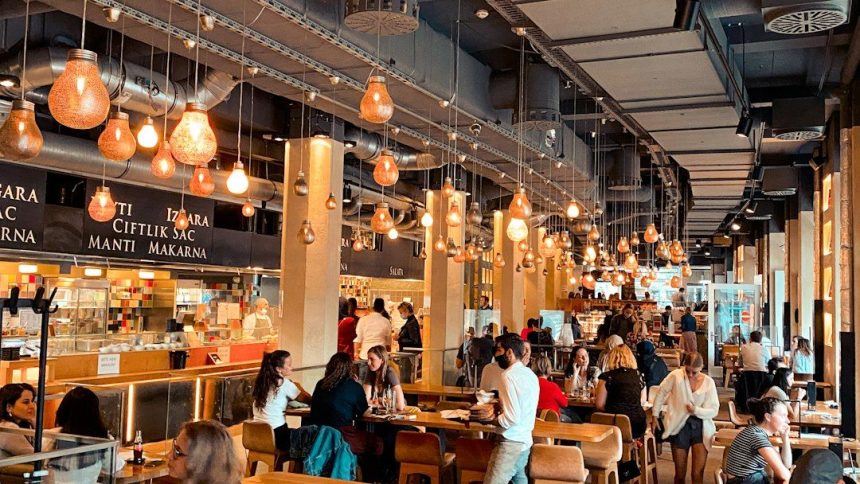
You already know the feeling. You walk into your favorite restaurant or casino floor on a Friday night, and the place is absolutely packed. There’s nowhere to sit, the noise is overwhelming, and any sense of a relaxed evening evaporates almost instantly. It doesn’t have to be that way.
What if the numbers told us something surprising? What if the real secret to a great night out had nothing to do with finding the trendiest new spot, but simply picking the right night of the week? Turns out, the data has a very clear answer. Let’s dive in.
Friday and Saturday Are the Worst Nights for Crowds – No Surprise There
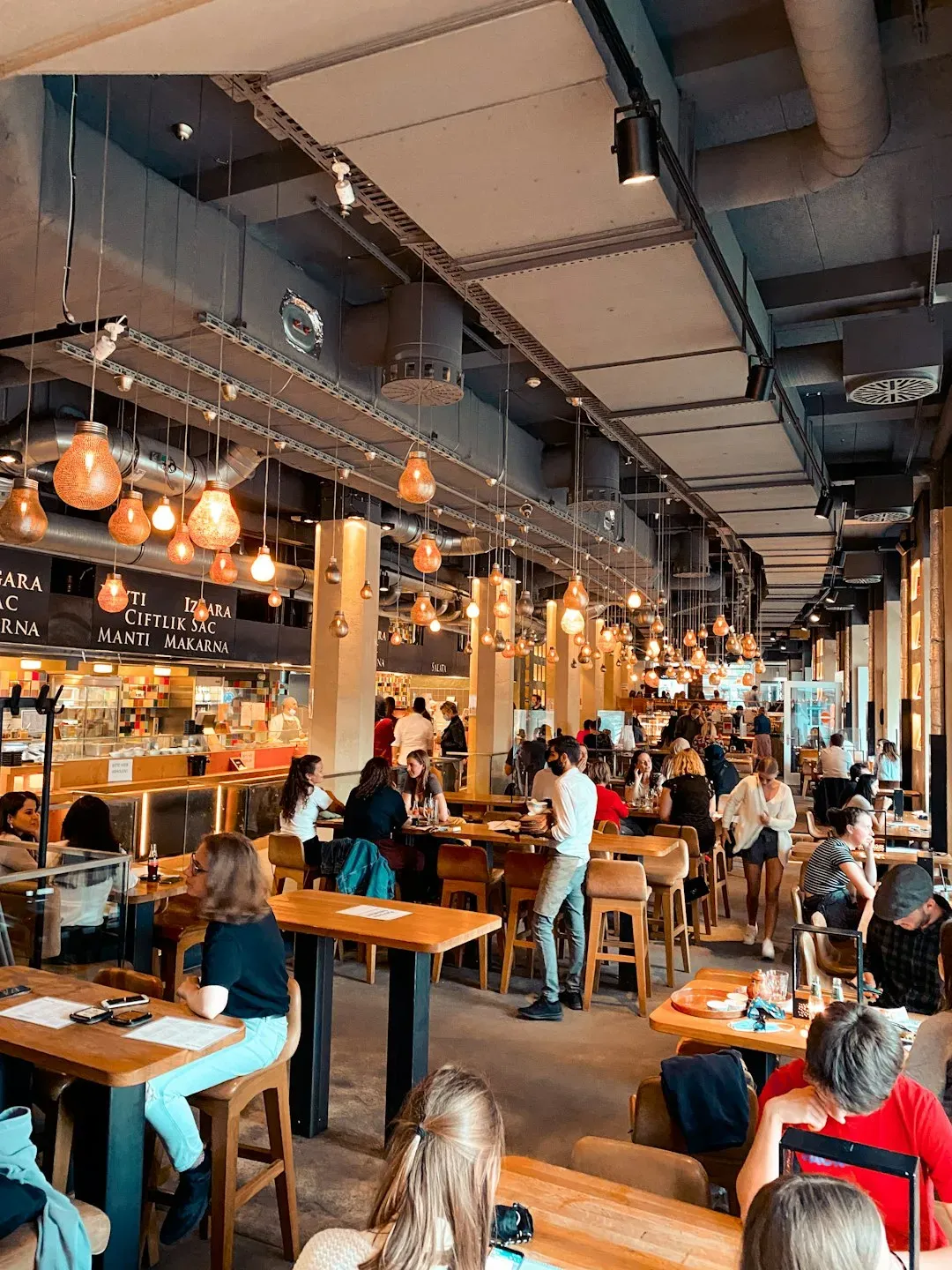
Let’s start with the obvious, but with some real weight behind it. Saturdays remain the busiest days for reservations, accounting for over a quarter of all weekly restaurant bookings. Fridays are not far behind, and together these two nights form a kind of perfect storm of crowding.
Friday and Saturday evenings are still restaurants’ busiest times, though guests are increasingly booking early bird dinners and fewer reservations after 7 p.m. Honestly, if you’re heading out on a Saturday and expecting peace and quiet, you’re basically setting yourself up for disappointment. Think of it like taking the highway during rush hour and wondering why traffic is slow.
Wednesday Is Quietly Becoming the Smartest Night Out
In what might be considered a surprising shift, midweek has emerged as a popular time to dine out, with data showing an 11% increase in seated diners on Wednesdays – the largest jump compared to any other day of the week. That’s not a small blip. That’s a real behavioral trend worth paying attention to.
Hybrid work schedules are likely driving the trend, with people more motivated to spread out their restaurant visits beyond traditional peak times. Restaurants seeing the most success with mid-week service are the ones creating specific draws for these days, whether through special menus, wine promotions, or unique experiences. So the night is getting better, not just quieter.
The Monday and Tuesday Advantage Most Diners Overlook
Same-store reservations for Monday and Tuesday – typically slower days for full-service restaurants – were both up 11% in Q3 2024 compared to Q3 2023, according to Toast restaurant data. More people are discovering what savvy diners have known for years: early-week nights offer a genuinely different experience.
Dining out on slower days like Monday and Tuesday has many perks. You get to enjoy a peaceful atmosphere, perfect for savoring your meal, and the quiet setting makes conversations easier and more enjoyable. If you’ve ever tried to have a real conversation over dinner while shouting over a Friday night crowd, you’ll immediately see the appeal.
The Midweek Movement Is Being Driven by How We Work Now
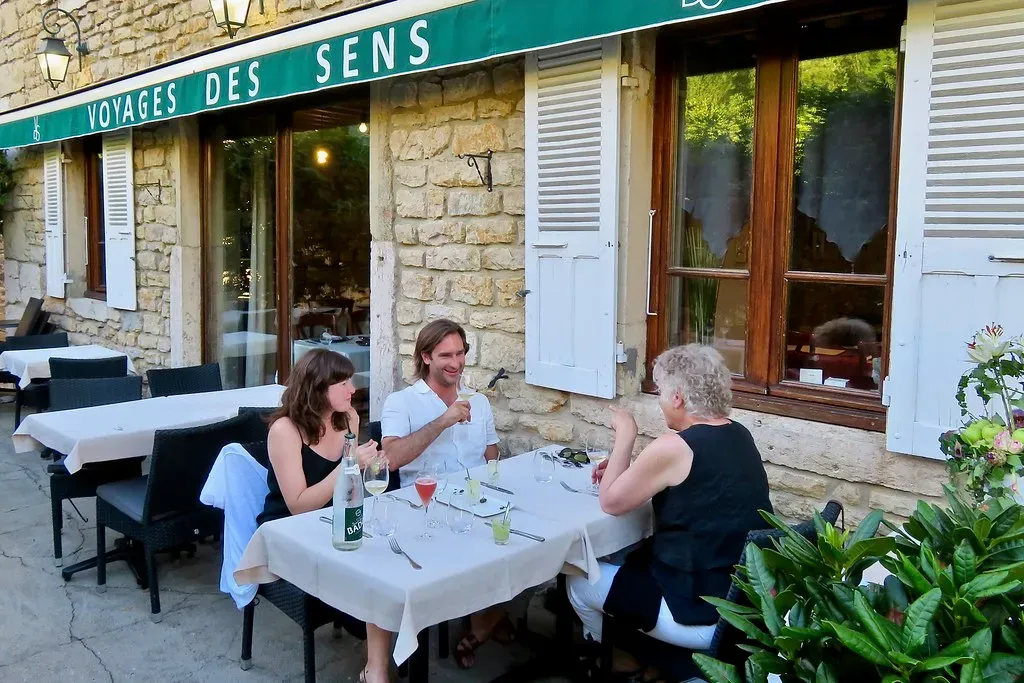
Mid-week dining is on the rise, with Wednesday emerging as the top trending dining day, perhaps due to hybrid or remote working schedules. Restaurants are making the most of mid-week traffic with features like live music or cocktail specials, and with flexible work schedules likely driving the trend, locals are being targeted through social media and loyalty perks.
Here’s the thing: the old Monday-to-Friday office routine shaped our dining habits for decades. Now that so many people work from home at least part of the week, the idea that socializing must happen on Friday feels increasingly outdated. Toast analysts note that this trend may suggest customers are avoiding weekend crowds or are simply grabbing dinner out after a long workday instead of cooking at home. Both of those motivations make complete sense.
Earlier in the Evening Also Beats the Rush
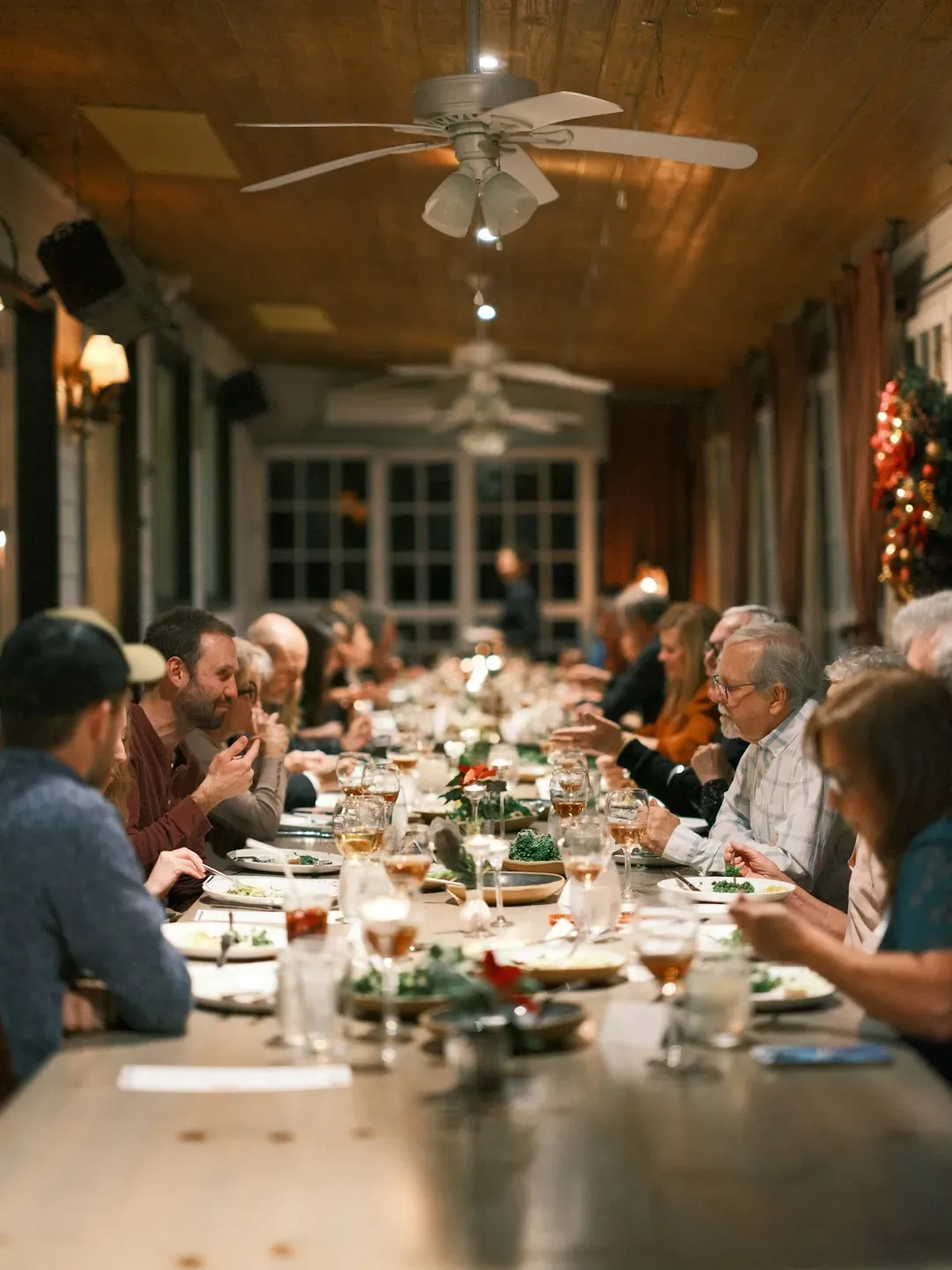
It’s not just about which night you go. The time matters enormously too. Toast data shows a 3% bump in 4 p.m. reservations and an 8% increase in 5 p.m. reservations, while reservations after 8 p.m. dipped slightly through 2024. Diners are adjusting, going earlier and smarter.
The best time to avoid the dinner crowd is to arrive before 6 p.m. or after 8:30 p.m. on weekdays. Combine that with a Tuesday or Wednesday night, and you’re looking at probably the most comfortable dining window the week has to offer. Think of it like showing up to a theme park just before it opens versus walking in at noon on a summer Saturday.
The Casino Floor Follows the Same Pattern
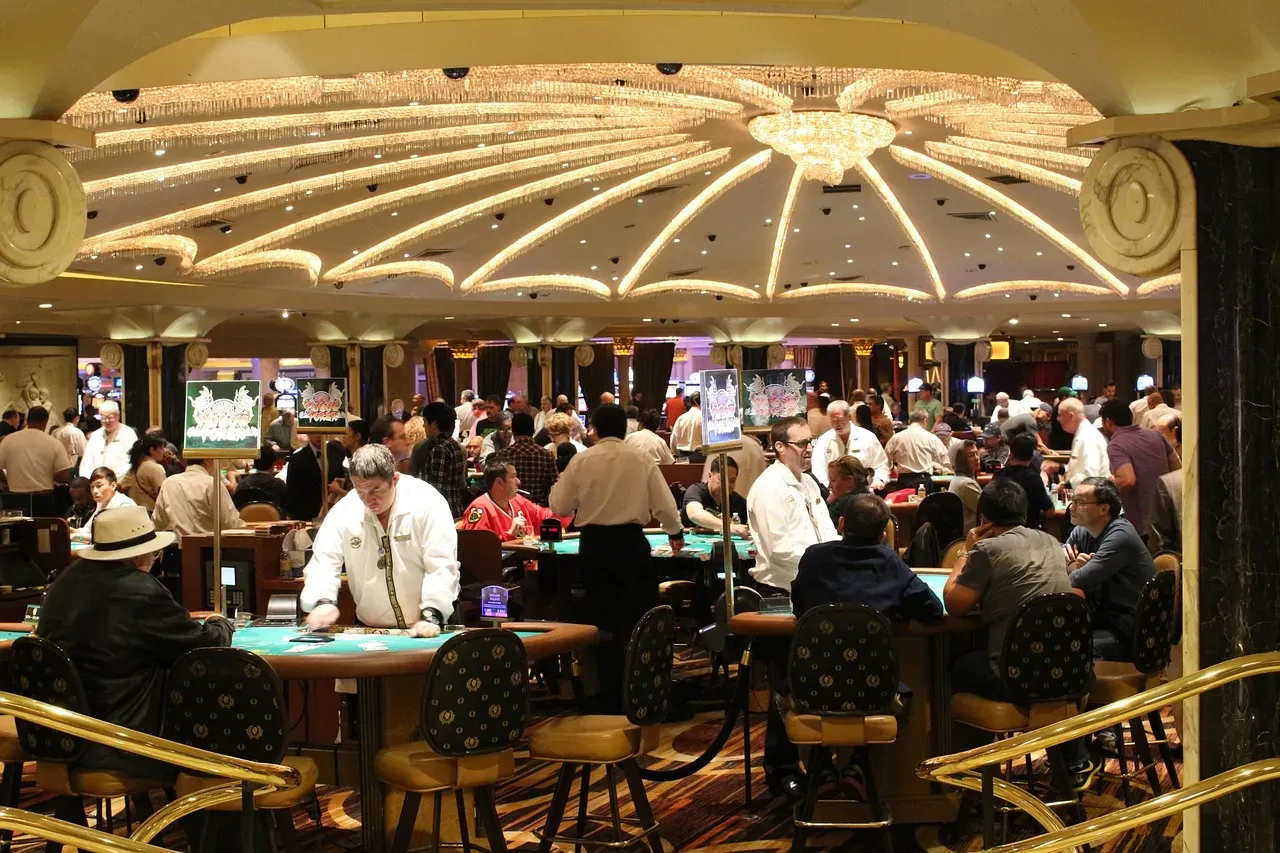
The same logic applies beyond restaurants. According to American Gaming Association data, 134 million American adults – over half the population – visited a casino for gambling or other entertainment in the past 12 months, the highest level of casino visitation on record. That’s an enormous volume of people, and they’re not spreading themselves out evenly across the week.
Casino floors, much like restaurants, follow leisure and travel patterns that naturally pile up toward the weekend. Despite the continued expansion of online gaming, in-person gaming remains the bedrock of the industry, with commercial land-based gaming accounting for a substantial majority of total revenue in 2023. With that kind of foot traffic concentrated around weekends, hitting a gaming floor on a Tuesday night is a fundamentally different experience than showing up on a Saturday at 10 p.m.
Consumers Are Actively Choosing Convenience Over Crowds
This isn’t just a passive change in behavior. People are deliberately choosing off-peak times. Placer.ai data comparing the share of full-service visits by weekday shows a genuine shift toward non-traditional dining days since 2019 – Mondays grew from just over 10% of visits to nearly 11%, while Fridays actually declined in their share.
Use of OpenTable’s “Notify Me” feature jumped 84% year over year, showing diners are increasingly willing to wait for the right table at the right restaurant, and nearly half of Americans said they wanted more spontaneity in their dining lives in 2026. I think that’s fascinating, honestly. People want flexibility, not just availability. Going midweek gives them both.