We live in an era where attention is currency. Screens compete for every spare second, and a 400-page novel can feel like a commitment you just cannot make right now. Honestly, I get it. Life is loud. Between work, family, and that endless scroll of content, sitting down with a thick book feels almost heroic. So here is a thought: what if you did not need a heroic effort at all?
There is a type of short book that gets lost somewhere between a short story and a full novel, usually in the range of 15,000 to 40,000 words. These are novellas, and they are the perfect way to spend a quiet afternoon and can genuinely be read in a single day. Most adults read between 200 and 300 words per minute, meaning a short book of about 30,000 words should take roughly two hours to read. Two hours. That is less time than most people spend watching television on a weekday evening. What follows are 14 novels so brilliantly compact, so punchy in their impact, that you will turn the last page before the sun goes down. Let’s dive in.
1. The Metamorphosis by Franz Kafka (1915)
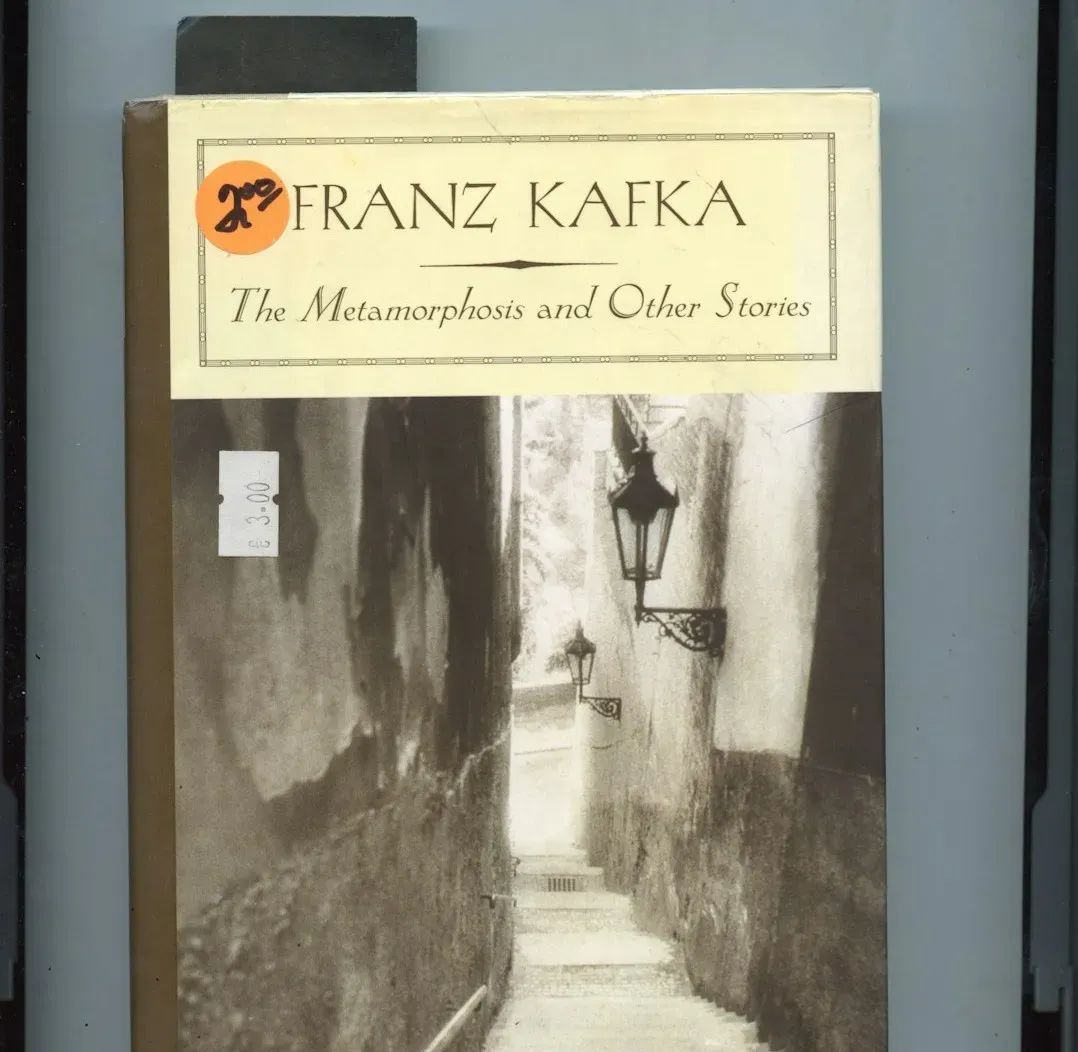
Few opening lines in literary history are as disorienting as this one. The Metamorphosis is a novella by Franz Kafka, first published in 1915. It tells the story of salesman Gregor Samsa, who wakes one morning to find himself inexplicably transformed into a huge insect and subsequently struggles to adjust to this new condition. The whole setup sounds absurd. Yet somehow, Kafka makes it feel completely, unsettlingly real.
The Metamorphosis comes in at around 21,810 words. With a length of about 70 printed pages over three chapters, it is the longest of the stories Kafka considered complete and published during his lifetime. The themes reach far beyond a man-turned-bug: alienation, family dysfunction, and the terrifying question of what happens when you are no longer useful. When you read The Metamorphosis, you are reading one of the shortest novels you will find in bound books, yet this alarming, still-shocking story shows you can make a huge impact in just a few words.
2. Animal Farm by George Orwell (1945)
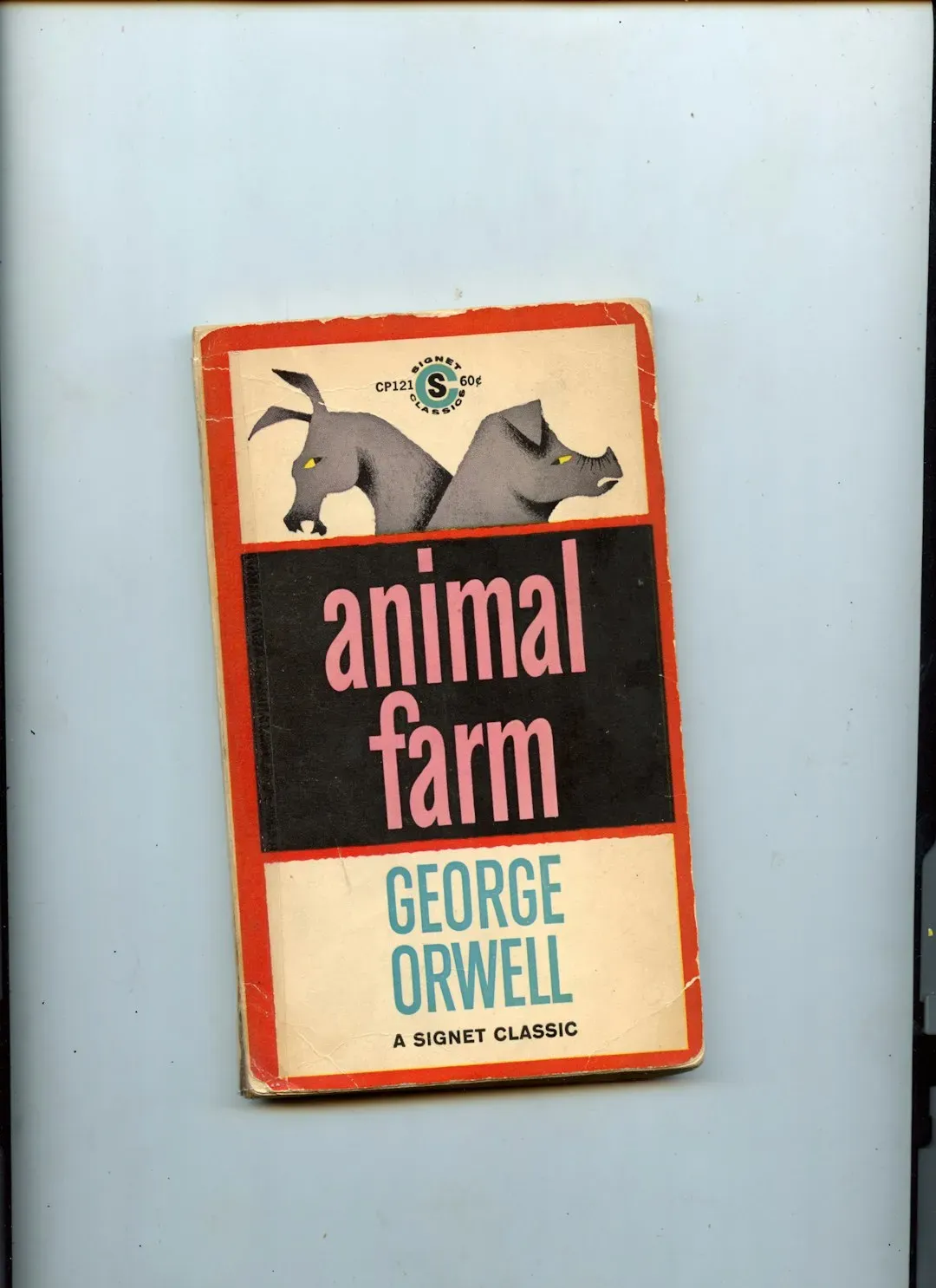
Here is the thing about Animal Farm: most people think they know it. Pigs take over a farm. Power corrupts. End of story. But reading it as an adult hits entirely differently than that grim eighth-grade classroom memory. It is an essential work of political satire that remains as relevant today as ever. In 2026, that relevance feels almost uncomfortable.
Animal Farm by George Orwell comes in at around 29,966 words. Animal Farm heads the top novellas on Goodreads’ World’s Greatest Novellas list, alongside other beloved short works. It is a masterclass in how brutally efficient allegory can be. Orwell packs the rise and fall of an entire political system into a book you can read during a long afternoon, and you will feel the sting of every page.
3. Of Mice and Men by John Steinbeck (1937)

John Steinbeck had a gift for breaking your heart quietly. Of Mice and Men does it so efficiently it should come with a warning. Of Mice and Men is a swift book in its slim word count. At around 30,000 words, its impact is that of a full-length novel. Think about that ratio for a moment. Full emotional devastation, delivered in under three hours of reading.
John Steinbeck was a master of the novella, publishing several books over his career under 40,000 words. Of Mice and Men is undoubtedly an American classic and, many would argue, required reading for anyone who enjoys or writes novellas. The friendship between George and Lennie, two migrant workers dreaming of land of their own, is rendered with such tenderness that its ending still hits like a gut punch. I think it is one of the few books that actually gets better every time you revisit it.
4. The Strange Case of Dr. Jekyll and Mr. Hyde by Robert Louis Stevenson (1886)

Strange Case of Dr. Jekyll and Mr. Hyde is an 1886 Gothic horror novella by Scottish author Robert Louis Stevenson. It follows Gabriel John Utterson, a London-based legal practitioner who investigates a series of strange occurrences between his old friend, Dr Henry Jekyll, and a murderous criminal named Edward Hyde. The story moves with remarkable speed for a Victorian-era text. It never drags.
The novella is around 102 pages with a reading time of roughly 1.75 hours. Strange Case of Dr. Jekyll and Mr. Hyde is one of the most famous pieces of English literature and is considered a defining book of the gothic horror genre. The novella has also had a sizeable impact on popular culture, with the phrase “Jekyll and Hyde” being used in vernacular to refer to people with an outwardly good but sometimes shockingly evil nature. That cultural footprint, built from a book shorter than many modern magazine features, is staggering. There have been numerous adaptations of the novella, including over 120 stage and film versions alone.
5. The Old Man and the Sea by Ernest Hemingway (1952)
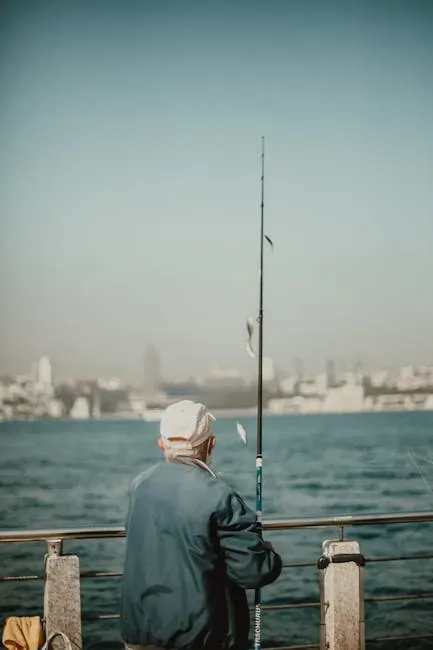
Calling this Hemingway’s crowning achievement might start arguments, but I am comfortable making that case. In classic Hemingway fashion, The Old Man and the Sea uses sparse language and is excellently paced. The book tells the story of a downtrodden fisherman who is looking for his next, and perhaps last, great catch. There is barely any dialogue, yet you feel everything.
While The Old Man and the Sea is certainly not a true story, it acted as a metaphor for the aging author, as the book was his last major publication. Winning Hemingway the Nobel Prize, The Old Man and the Sea is a 27,000-word masterpiece that most readers could devour in an afternoon. The minimalism here is the whole point. Hemingway strips language down to its skeleton and somehow makes it sing. It is a meditation on perseverance, dignity, and the refusal to give up even when the ocean is bigger than you are.
6. A Christmas Carol by Charles Dickens (1843)
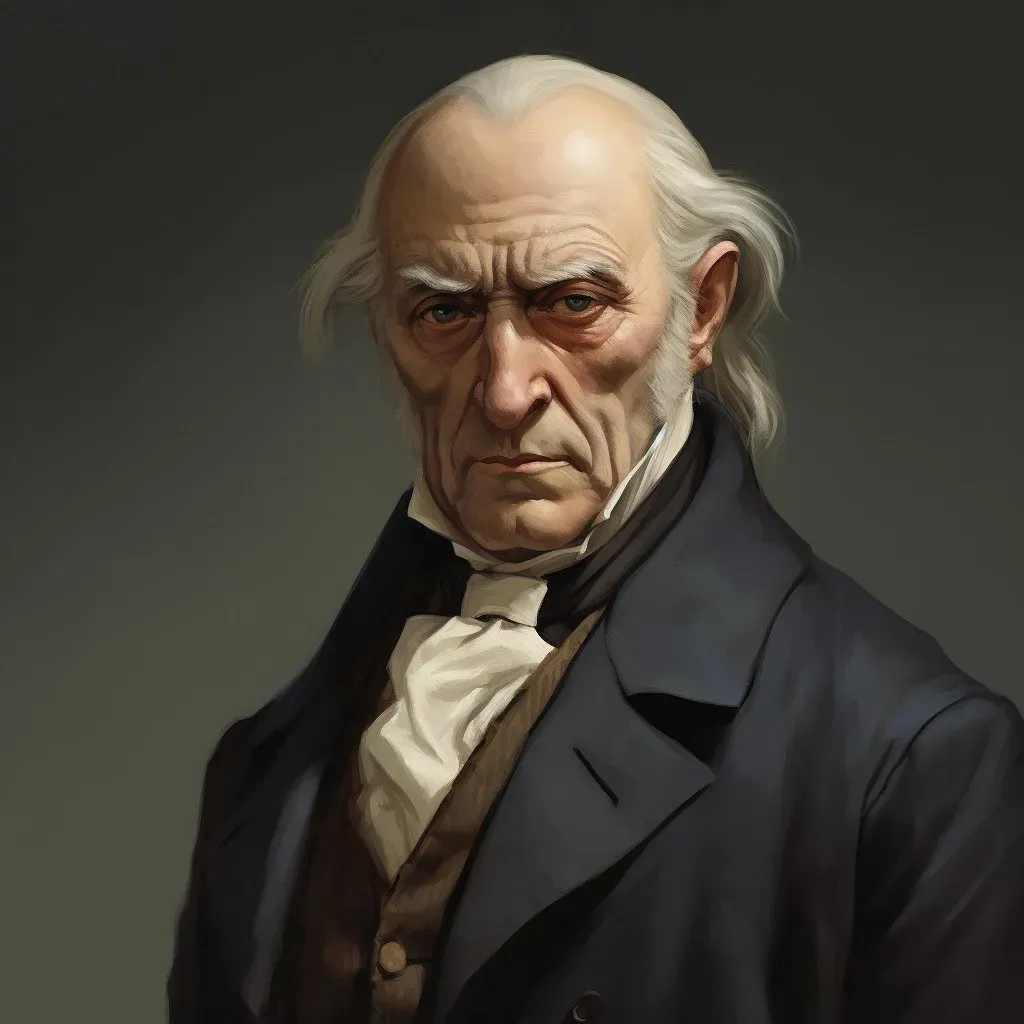
Yes, you have seen the movie. Multiple versions, probably. The one with the Muppets, the animated one, the Jim Carrey one. But I promise you, none of them quite capture the eerie, joyful, morally complex magic of the original text. At once a celebration of Christmas, a tale of redemption, and a critique on Victorian society, this novella follows the miserly Ebenezer Scrooge who views Christmas as humbug. It is only through a series of eerie, life-changing visits from the ghost of his deceased business partner and the spirits of Christmas past, present, and future that Scrooge begins to see the error of his ways.
A Christmas Carol by Charles Dickens comes in at approximately 28,944 words. That is well under 30,000 words for a story that has arguably influenced Western culture’s entire idea of Christmas generosity. Dickens wrote it in just six weeks, reportedly walking 15 miles a night through London while the story formed in his head. For a book this short, its legacy is almost incomprehensibly large.
7. The Stranger by Albert Camus (1942)
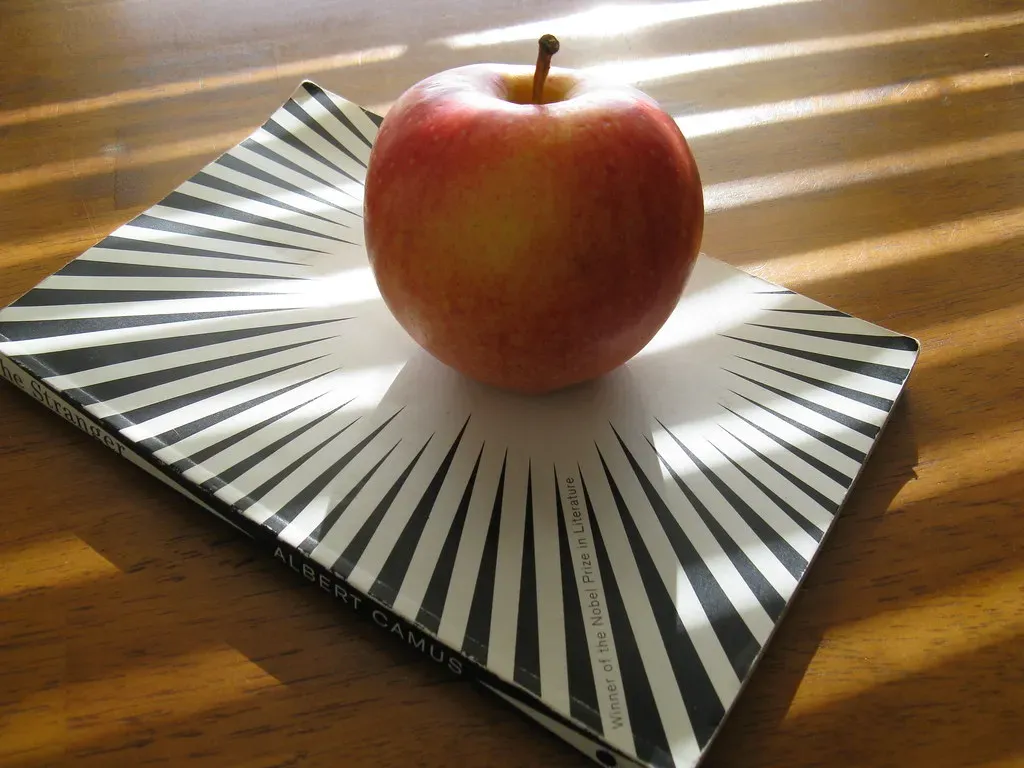
Few novels make indifference feel as unsettling as The Stranger. Meursault, Camus’s antiheroe narrator, attends his mother’s funeral without grief, commits a violent act on a sun-scorched beach, and then faces the social consequences of not feeling what society expects him to feel. It sounds bleak. It is. It is also impossible to put down.
The Stranger comes in at around 36,014 words. The Stranger is listed among the top novellas on Goodreads’ World’s Greatest Novellas list, alongside other iconic works like Animal Farm and Of Mice and Men. Camus’s prose is clean, almost cold, which perfectly mirrors Meursault’s emotional detachment. It is a short read that will leave you debating the nature of authenticity, judgment, and what it actually means to be human, probably for days after you finish it.
8. Heart of Darkness by Joseph Conrad (1899)

It is hard to say for sure whether Heart of Darkness is more famous as a novel or as the inspiration for Apocalypse Now. Either way, the original text is something else entirely. The story follows Charles Marlow as he journeys up the Congo River to find the elusive, enigmatic ivory trader Kurtz, and what he finds is more disturbing than any jungle he navigates. It is an exploration of the brutality of the Belgian occupation of the colonial African Congo. The novel’s primary character, Kurtz, has interesting parallels to other iconic morally ambiguous figures in literature.
Heart of Darkness is one of the books cited on Goodreads’ World’s Greatest Novellas list, alongside works like A Christmas Carol and A Clockwork Orange. Conrad’s layered prose demands a little patience, but it rewards you enormously. This is a novella about imperialism, moral collapse, and the darkness that lives in systems of power. Remarkably, it clocks in at fewer than 40,000 words and can be read in a focused afternoon sitting.
9. Breakfast at Tiffany’s by Truman Capote (1958)
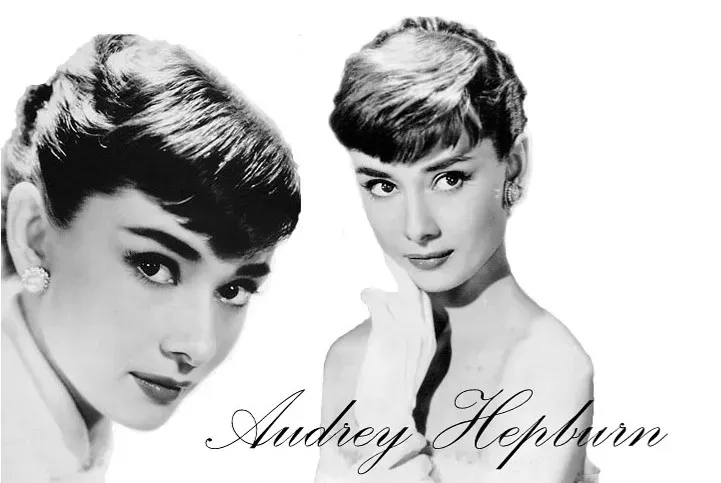
Holly Golightly is one of American fiction’s most captivating and elusive characters. She drifts through New York’s cocktail parties and social circuits like she belongs everywhere and nowhere at once. Capote wrote her with equal parts glamour and melancholy, and the result is something that still feels surprisingly modern. Most people know the Audrey Hepburn film. The novella is a noticeably different creature, more restless, a little more raw.
Breakfast at Tiffany’s by Truman Capote is approximately 35,000 words. That puts it firmly in novella territory. What Capote achieves within those 35,000 words is an entire character study, a portrait of loneliness dressed up in expensive shoes. It raises questions about identity and belonging that no film adaptation has ever fully captured. Honestly, if you have only seen the movie, you have missed the real story.
10. The Call of the Wild by Jack London (1903)

The Call of the Wild is an adventure-filled tale of sled dogs in the Yukon during the Klondike Gold Rush. The protagonist is Buck, a domesticated dog who is stolen from a comfortable Californian home and thrust into the brutal wilderness of Alaska. What follows is one of literature’s most thrilling survival stories, and one that asks surprisingly deep questions about instinct versus civilization. It is the kind of book that makes you want to go outside immediately after finishing it.
London wrote the novella at the age of 27, drawing on his own experiences during the Klondike Gold Rush. The book was published in 1903 and became an immediate bestseller. It runs to around 32,000 words, making it a very comfortable single-day read. London packs more raw momentum into those pages than most writers manage in twice the length. Few adventure stories move quite as ferociously as this one.
11. The Time Machine by H.G. Wells (1895)

Let’s be real: H.G. Wells essentially invented the science fiction genre as we know it, and The Time Machine is ground zero for a huge chunk of what followed. The Time Machine by H.G. Wells clocks in at around 118 pages. The unnamed Time Traveller journeys forward to the far future and discovers a world split into two distinct species: the gentle, passive Eloi and the monstrous, subterranean Morlocks. It is a social allegory as much as a science fiction adventure, and it still reads with tremendous energy.
Wells wrote The Time Machine in 1895 at a time when the concept of mechanized time travel was entirely new. The novella’s word count sits comfortably under 90,000 words, and many editions run just over 100 pages. An average reader can read around 40 pages per hour, which means most people can clear this book in a single long sitting. For something that changed the course of an entire genre, that is a remarkably small investment of time.
12. A Clockwork Orange by Anthony Burgess (1962)
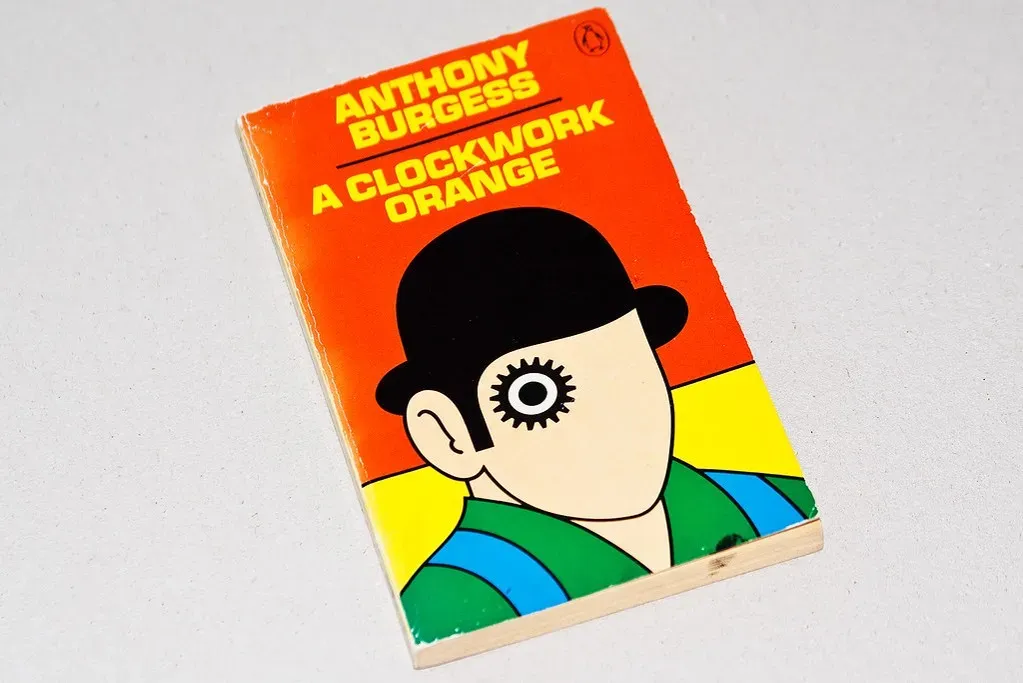
A Clockwork Orange by Anthony Burgess runs to 192 pages. This novel is probably more famous for the Kubrick film, but despite the often gruesome content, the original text is worth a read for the language alone. Burgess invented an entire slang dialect called Nadsat for the teenage narrator Alex, and it is one of the most remarkable linguistic achievements in modern fiction. Within about 50 pages, you are reading it fluently without a glossary. It is a genuinely strange sensation.
The novel poses uncomfortable questions about free will, morality, and whether a person can be genuinely good if they have no choice in the matter. Burgess wrote it quickly, famously in just three weeks, while reportedly furious at a separate, unrelated situation in his life. That anger drives every page. At its compact length, A Clockwork Orange is a book you can absorb in one day, but you will not shake it for a long time afterward.
13. The House on Mango Street by Sandra Cisneros (1984)
Sandra Cisneros’s novella has become a staple of reading in American schools. Based on her own life experiences, she tells the story of a Mexican-American girl named Esperanza and the adversity she must overcome growing up in Chicago. The novel is written as a series of vignettes, short and lyrical, each one a small window into Esperanza’s world. It is unlike almost anything else on this list in terms of structure.
The House on Mango Street is about 20,000 words. What Cisneros achieves in those 20,000 words is a complete portrait of a childhood, a neighborhood, a culture, and a young woman’s dawning consciousness of her own potential. The vignette structure means you can pause anywhere and return easily, which makes it practical for a busy day. Still, once you start, you will likely find it impossible to stop. The writing has a quiet pull that sneaks up on you completely.
14. Night by Elie Wiesel (1960)
This is not an easy read. Let me be clear about that upfront. Night is Elie Wiesel’s autobiographical account of surviving the Nazi concentration camps at Auschwitz and Buchenwald during World War II. It is devastating, shattering, and one of the most important books ever written. Night by Elie Wiesel runs to approximately 126 pages. It is short. It is also one of those books that expands inside you long after you close the cover.
Wiesel wrote Night in Yiddish, initially producing a much longer manuscript that he then compressed into its current form. The compression itself is part of the power. Every word that survived the editing process is essential. Reading for pleasure is getting rarer in daily life, with the share of Americans who read for enjoyment on an average day falling significantly in recent years. If there is one book on this list that argues most fiercely for why reading still matters in 2026, it is this one. Some stories must be witnessed, not scrolled past.
The Case for Reading Short: Why These 14 Books Prove That Size Is Not Everything
There is a persistent myth in literary culture that length equals depth. That a thick spine signals serious art. These 14 books demolish that idea completely. When you read some of the shortest novels you will find in bound books, these alarming, still-shocking stories show you can make a huge impact in just a few words. The writers on this list were not cutting corners. They were making precise choices about what to include and, perhaps more importantly, what to leave out.
A 2025 peer-reviewed study using diary data found that only about one in six Americans reads for pleasure on a given day in 2023, but those who do read spend around 97 minutes that day. Ninety-seven minutes is enough time to finish several of the books on this list entirely. The barrier to reading is rarely ability. It is almost always the perception that you do not have enough time. These 14 novels exist to remind you that you almost certainly do.
Start with whichever title sparks the most curiosity. Do not overthink it. Pick it up on a quiet morning, a long commute, or a lazy Saturday afternoon. By evening, you will have finished something meaningful. Which one are you reaching for first?