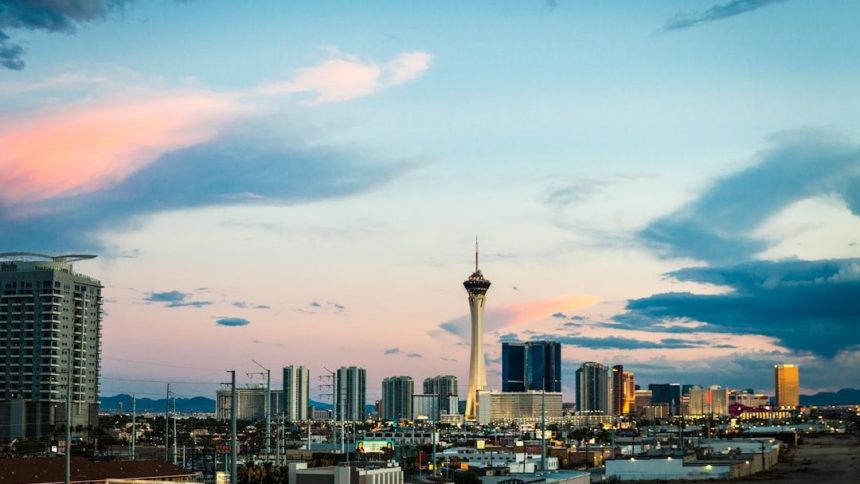
Las Vegas has always been a city that surprises people. Most outsiders think of neon lights, poker tables, and all-you-can-eat buffets – and they completely miss what’s happening in the residential neighborhoods tucked quietly away from the Strip. The real story of Las Vegas right now is a property market quietly reshaping itself, neighborhood by neighborhood, block by block.
The Las Vegas real estate market continues to exhibit compelling characteristics for both residential buyers and investors heading into 2025 and 2026. Known for its dynamic lifestyle, tax advantages, and year-round sunshine, Las Vegas remains a magnet for new residents and investment capital alike. Three neighborhoods in particular are drawing serious attention – and if you haven’t heard about them yet, you will soon. Let’s dive in.
The Big Picture: Why Las Vegas Is Still a Magnet for Property Investment
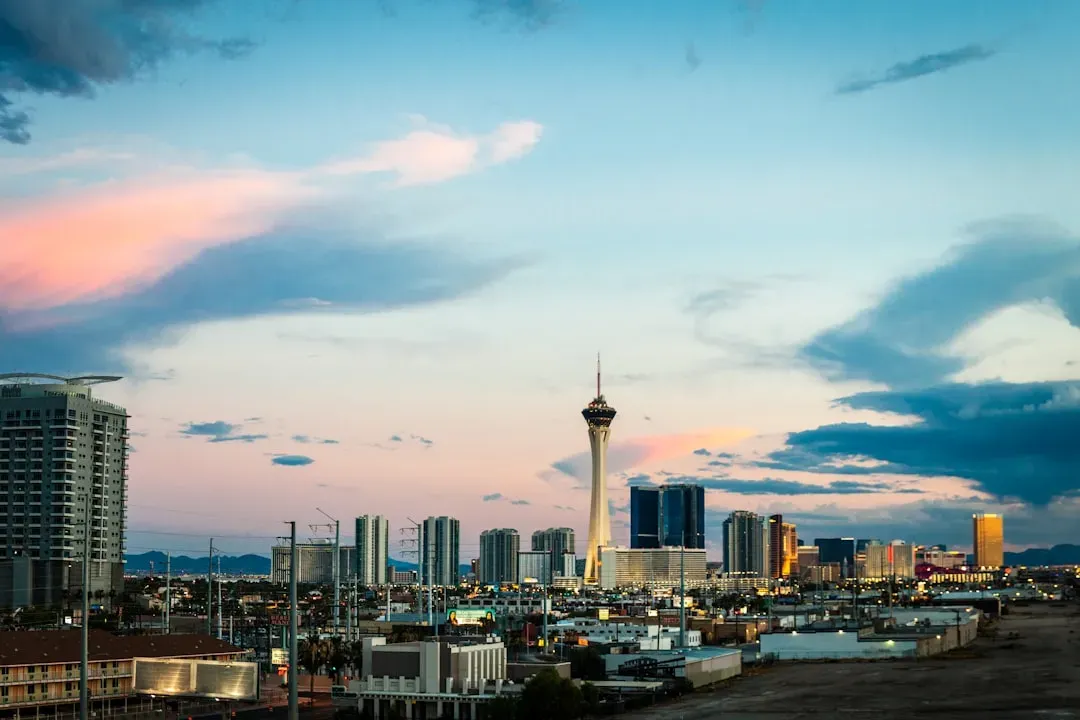
Las Vegas real estate in 2025 shows steady value growth with major developments reshaping the landscape, while institutional investors now make up roughly a quarter of sales as population growth drives demand despite affordability challenges. That’s a lot of competing forces at play in one market.
Key drivers include a diverse employment base, affordability relative to neighboring metros like Los Angeles and San Diego, and ongoing inward migration from higher-cost states. Think of it this way: for every dollar a buyer spends in California, they can often get nearly double the space and quality in Las Vegas.
The “Las Vegas is just tourism” narrative is genuinely outdated. The region’s GDP reached $178.4 billion in late 2025, a roughly 40% increase since 2019, with healthcare, logistics, advanced manufacturing, lithium technology, and film production all driving higher-wage employment.
Sunrise Manor: The Underdog With Serious Momentum
Honestly, Sunrise Manor doesn’t get nearly enough credit. It’s one of those neighborhoods that keeps humming along quietly while people argue over Summerlin prices at dinner parties.
Sunrise Manor is an up-and-coming area known for its affordability, diversity, and accessibility, sitting about an 18-minute drive from downtown Las Vegas. Home values there were up by 8.5% compared to a year earlier as of February 2025, and houses were spending less time on the market compared to the prior year.
Neighborhoods like Spring Valley, Sunrise Manor, and Centennial Hills are expected to outperform due to their relative affordability and proximity to job centers. That’s not a rumor – that’s a forecast backed by market analysts tracking the metro area.
When it comes to location, Sunrise Manor is just a short drive from Downtown Las Vegas, typically around 15 to 20 minutes depending on traffic, allowing residents to enjoy all the excitement and entertainment of the city center while still living in a quieter setting. It’s a bit like living just outside a major city – you get the benefits without the full price tag.
Sunrise Manor: What the Data Actually Says

In 2024, the median property value in Sunrise Manor was $320,000, with a homeownership rate of 51.7%. That’s still well below the citywide median, which is exactly why investors are paying attention.
There are hundreds of homes for sale in Sunrise Manor with a median price of $365,000, representing an increase of roughly 4% since the prior year, according to data from Rocket Homes. That’s steady, measurable growth in a neighborhood that most casual observers still overlook.
Submarkets like Sunrise Manor and Spring Valley are expected to outperform the metro average, making them particularly attractive to first-time buyers and rental property investors. If you’re thinking about entry-level investing, this is the kind of trajectory that makes a difference over a three-to-five-year hold.
Centennial Hills: The Northwest Corner That’s Quietly Booming
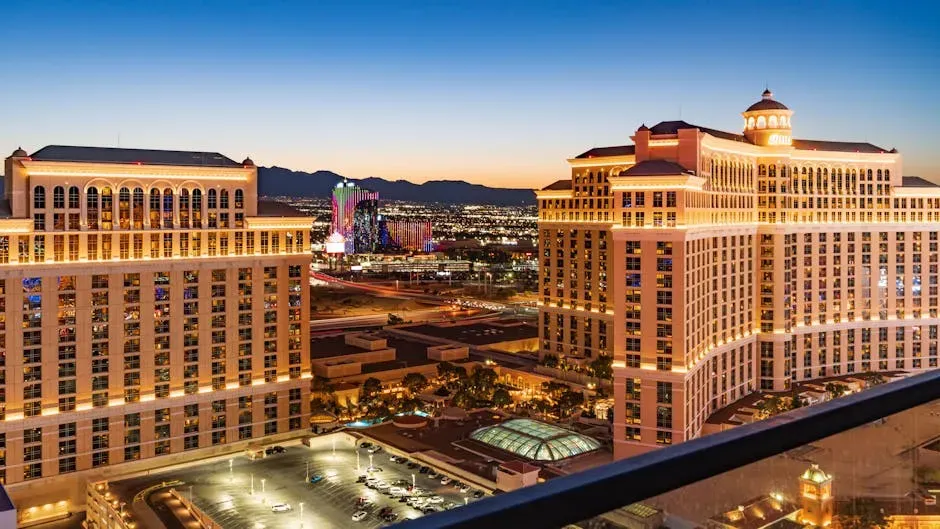
I think Centennial Hills might be the most underappreciated growth story in the entire Las Vegas Valley right now. It sits in the northwest, far enough from the Strip to feel suburban, but connected enough to matter.
If you’re looking for the “next big thing” in Las Vegas real estate, Centennial Hills deserves a closer look. Located in the northwest valley, this neighborhood is rapidly growing with new homes, retail centers, and infrastructure improvements.
Centennial Hills in northwest Las Vegas offers affordability and diverse property options. With Red Rock Canyon and the Tule Springs Fossil Beds nearby, it appeals to families, retirees, and young professionals seeking a suburban lifestyle close to nature. The area’s consistent sales volume, coupled with balanced inventory, ensures predictable occupancy rates and stable rental growth.
Centennial Hills homes are priced around $307,993 on average, making it one of the more accessible entry points in the entire valley for buyers who still want a true suburban feel with room to grow.
Centennial Hills: Infrastructure and Amenity Growth Driving Values

The northwest is one of the fastest and ongoing growth areas in Las Vegas. The one-million-square-foot Centennial Center is the most significant and popular destination in Centennial Hills, home to many shopping and fine dining establishments.
Rental demand is high among healthcare workers, educators, and families looking for affordable alternatives to Summerlin, and improving amenities – new shopping plazas, fitness centers, and parks – are appearing every year. Investors should pay attention to properties near the new VA Hospital or along North Durango Drive, where demand is climbing.
Centennial Hills is also minutes from Floyd Lamb State Park, Mount Charleston, Lee Canyon Ski and Snowboard Resort, and the Town Center. It’s the kind of lifestyle access that used to cost a premium. Here, you still get it at a relative discount.
Spring Valley: The Quiet Performer You Haven’t Heard Enough About
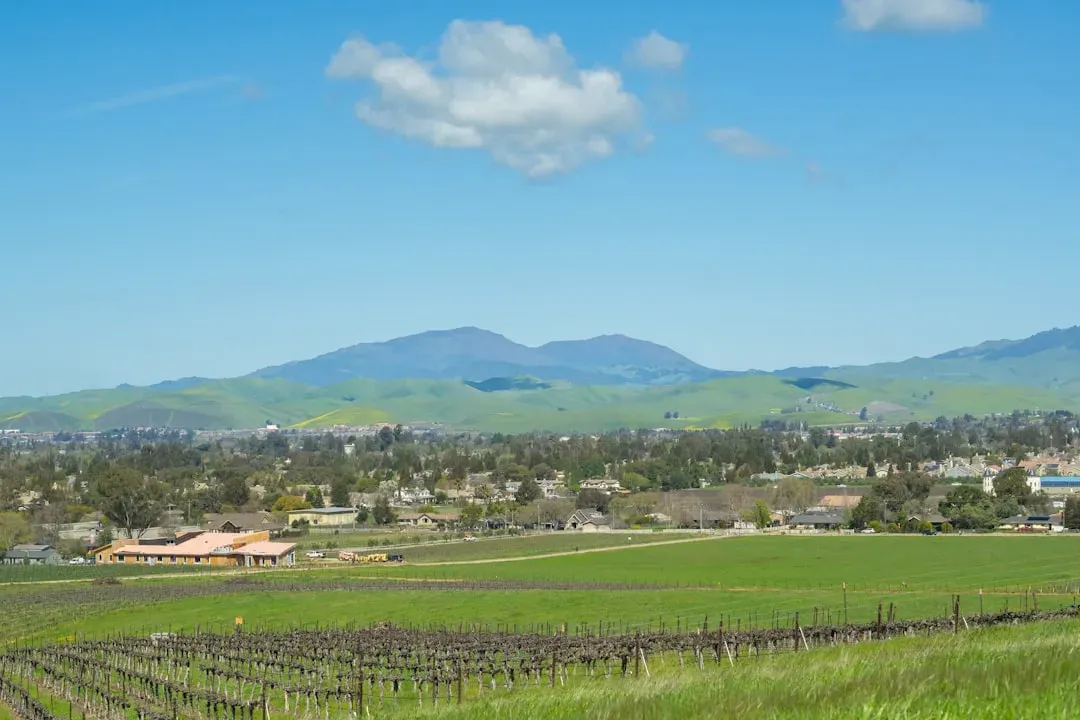
Spring Valley sits southwest of the Strip and has been quietly accumulating value year after year. It’s the sort of neighborhood real estate investors describe in whispers at conferences – before everyone else catches on.
Areas such as Sunrise Manor, Spring Valley, and Centennial Hills offer high rental yields and affordable entry prices, making them ideal for investors seeking cash flow. That combination – yield plus affordability – is increasingly rare in a market that has matured significantly since 2020.
Neighborhoods like Spring Valley, Sunrise Manor, and Centennial Hills are expected to outperform due to their relative affordability and proximity to job centers, according to The Luxury Playbook’s market analysis. This isn’t just a hunch. Multiple forecasters are pointing in the same direction.
Areas such as Sunrise Manor, Spring Valley, and Centennial Hills offer high rental yields and affordable entry prices, making them ideal for investors seeking cash flow. In a market where cash flow has become harder to find, this trio of neighborhoods stands apart.
Spring Valley: Rents, Returns, and Why Investors Are Paying Attention
With vacancy rates under 4% and rents growing consistently year over year, landlords in Las Vegas benefit from strong cash flow and tenant retention. One-bedroom units are leasing for an average of $1,400 to $1,600 per month, while two-bedrooms in high-demand areas can exceed $2,100 per month.
The city’s strong population growth, low vacancy rates around 3.8%, and steady rent increases create favorable conditions for rental property investors, with one-to-three-bedroom units continuing to generate attractive monthly income and strong occupancy rates.
Las Vegas is located in Nevada, a no-state-income-tax state, which significantly boosts net income for both local and out-of-state investors. Property taxes are also relatively low, averaging 0.53% of assessed value, enhancing ROI for buy-and-hold strategies. That’s a combination you genuinely can’t replicate in most of the country.
The Broader Las Vegas Market: A Foundation Built for Growth
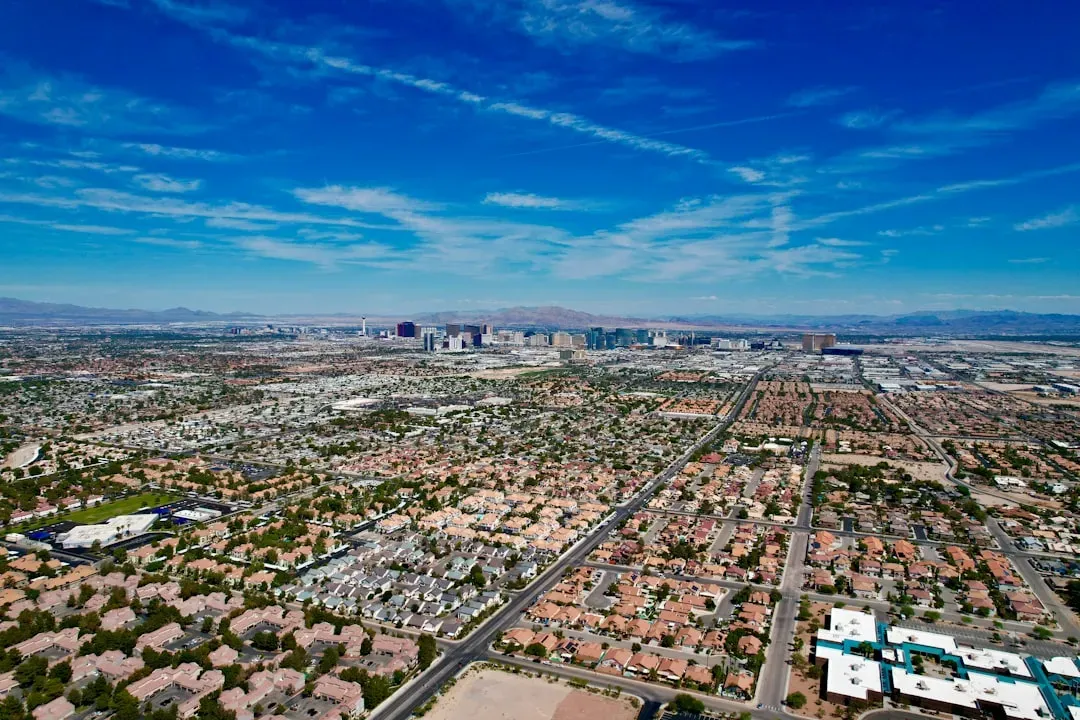
The Las Vegas Valley added over 14,000 new residents in 2024, and that population pressure doesn’t just disappear. People need somewhere to live, and that demand flows directly into neighborhoods like the three covered here.
Homes are selling quickly, with the average days on market down to 37 days, indicating accelerated transaction activity compared to 2024. Additionally, around roughly a third of homes are selling above list price, showcasing strong demand across mid-tier and popular suburban neighborhoods.
For investors, the combination of solid rental demand, low property taxes, and projected appreciation makes Las Vegas one of the strongest cash-flow markets in the western United States. It’s a bold claim, but the data backs it up.
The Risk Factors Every Buyer Should Know
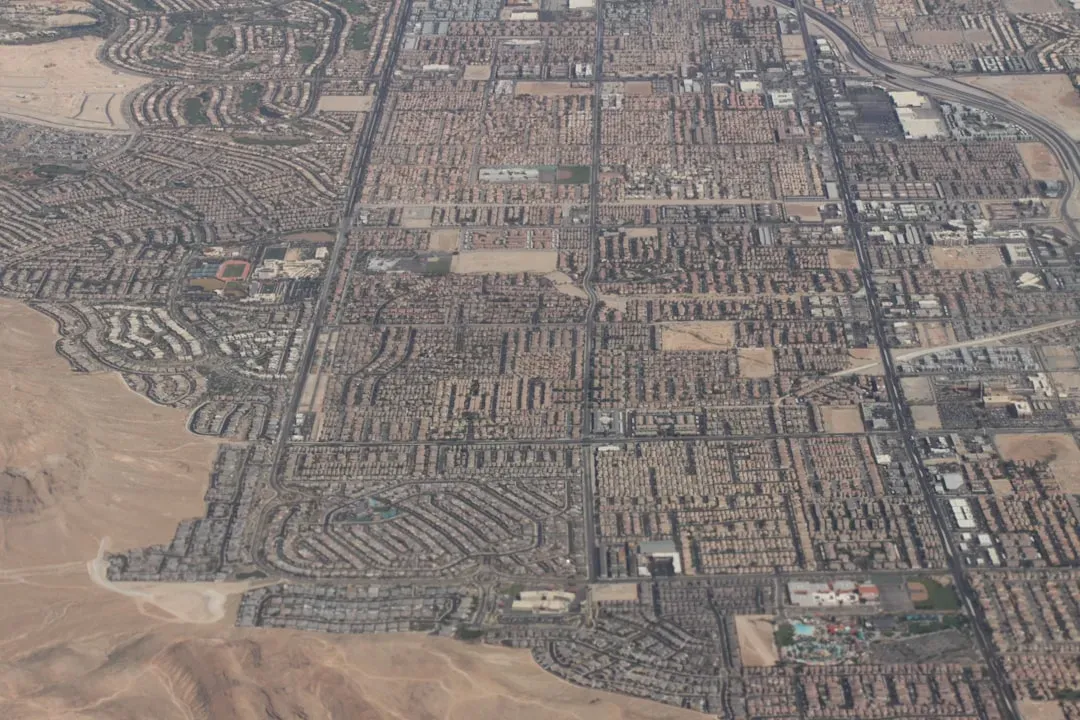
Let’s be real – no investment market is perfect, and Las Vegas has its own set of wrinkles that any smart buyer needs to understand before writing a check.
A recent Redfin report noted that Las Vegas has historically been a volatile housing market, growing in value when the market is hot, and losing value when the market cools. That volatility cuts both ways – it’s what creates opportunity, but it also demands discipline.
In 2025, several factors contributed to a slowdown in both home sales and rentals, including a tourism slowdown, a hospitality hiring freeze, higher mortgage rates, and general wait-and-see behavior among buyers and renters. Las Vegas’ economy is closely tied to the Strip, meaning economic dips can temporarily soften the market.
The average rate for a 30-year fixed mortgage has not gone below 6% since 2020 according to Freddie Mac, and it could stay above 6% in 2026. That’s a real headwind, but it’s also the same headwind buyers face in virtually every American city right now.
What the Forecasts Say for 2026 and Beyond
Existing home sales in Las Vegas are expected to increase around 6% in 2025 and a significant 11% in 2026. New home sales are predicted to rise 10% in 2025 and another 5% in 2026. Median home prices are forecast to increase 3% in 2025 and 4% in 2026.
Most forecasters project modest appreciation of 2 to 4% for Las Vegas in 2026 – not the rapid gains of 2021, but steady, sustainable growth. Conservative estimates project flat to slightly positive, moderate estimates sit in the 2% to 4% range, and optimistic scenarios reach 4% to 6%.
Major projects including the Brightline West high-speed rail from Las Vegas to Southern California, multiple resort corridor expansions, and the Henderson Apex Industrial Park with projected investment of $7 billion and over 73,000 jobs are transforming the region’s long-term economic profile. When infrastructure of that scale arrives, property values in surrounding neighborhoods tend to follow.
The Bottom Line: These Three Neighborhoods Are Worth Your Attention
Here’s the thing about hidden gems – they don’t stay hidden forever. Sunrise Manor, Centennial Hills, and Spring Valley are all at a tipping point where affordability still meets genuine growth momentum.
Home prices in Las Vegas are projected to rise by 3.5% to nearly 5% over the next twelve months. With the current median sale price around $420,000, values are forecast to increase notably by early 2026, driven primarily by population growth, new household formation, and sustained migration from neighboring states.
If you are buying a primary residence and plan to stay three to five or more years, Las Vegas in 2026 is an excellent market. If you are investing, the combination of rental demand, low property taxes, and projected appreciation makes Las Vegas one of the strongest cash-flow markets in the western United States.
The window for getting into these three neighborhoods before the wider market catches on may be shorter than most people realize. The data is already moving. The question worth sitting with is simply this: are you going to watch these neighborhoods grow from the outside, or be part of the story from the beginning?