Package theft has quietly become one of the most common property crimes in America. It doesn’t involve a break-in or a confrontation. Someone just walks up to your door, grabs a box, and disappears in seconds. For a long time, there wasn’t much homeowners could do about it. That’s changing fast.
New technology has started to tip the balance back toward the consumer, and the data from the past two years suggests it may actually be working. The tools range from AI-powered cameras to smart lockers, organized theft rings are meeting smarter defenses, and the porch, once a soft target, is getting a lot harder to hit.
A Crime That Got Massive, Fast
The scale of porch piracy is staggering. For the first time since SafeWise started tracking package theft, the number of estimated incidents dropped year over year, falling from 120 million in 2023 to just over 104 million in 2024 to 2025. That’s still an enormous number, and the financial toll is just as striking. Porch piracy cost American consumers an estimated $15 billion in the past 12 months, while costs to retailers topped $22 billion in the same period, putting the overall economic impact at least $37 billion.
A ValuePenguin study of nearly 2,050 Americans found that 41 percent have been victims of porch piracy, up from 35 percent in 2022, with the share who reported a theft in the past year rising from 21 percent in 2022 to 25 percent in 2024. The average stolen package isn’t cheap either. Security.org estimates the average cost of a stolen package in 2024 at $204, while SafeWise noted that most stolen packages fall within the $50 to $100 range.
Why Thieves Kept Getting Away With It
Organized theft rings now systematically target high-value delivery routes using tracking technology and resale networks, replacing opportunistic individual thieves. Only 12 percent of reported package thefts result in arrests, and just 3 percent lead to convictions according to FBI property crime data, creating minimal deterrent effect. That gap between crime and consequence is exactly what emboldened so many porch pirates over the years.
Formal statistics on package theft are lacking, since it’s a crime rarely reported to police. Most victims report it solely to the shipping company or retailer, and the few law enforcement agencies that do track it reveal troubling trends. In Denver, Colorado, package thefts were up 31 percent from 2022 through mid-November 2025, with an average arrest rate of just 2.6 percent. The math was simply in the thief’s favor for a long time.
Security Cameras: From Passive Recorder to Active Deterrent

Consumers are showing growing interest in surveillance hardware. Security.org survey numbers show that 52 percent of all households now have a security camera, compared to 42 percent in 2023, and 45 percent have video doorbells, up from 37 percent in 2023. The camera market itself is expanding rapidly to meet demand. According to Renub Research, the global smart doorbell market was valued at $4.61 billion in 2024 and is projected to reach $19.91 billion by 2033.
According to a 2024 study by Security.org, homes equipped with video doorbells experienced a 50 percent decrease in package theft. Modern cameras don’t just record. AI-enabled cameras analyze activities and reduce false notifications, alerting users to relevant events like people trespassing. The most common AI feature is person detection, though some cameras also include pet, package, and vehicle detection.
AI That Can Tell the Difference Between a Thief and a Delivery Driver
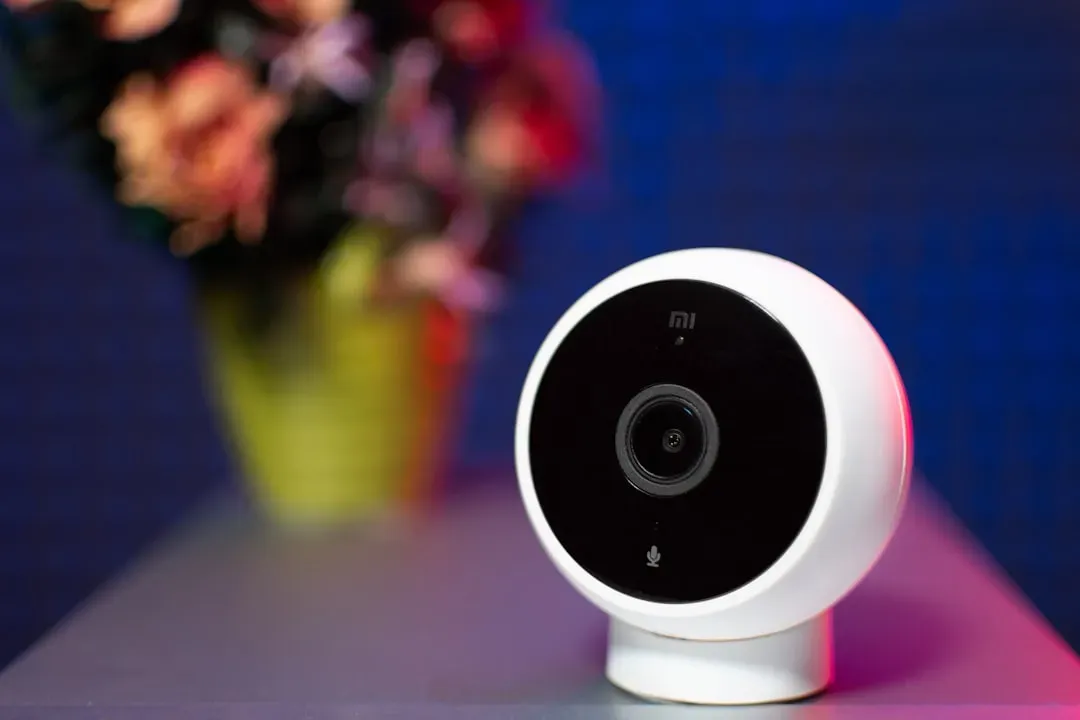
True intelligence in home security is about understanding what’s happening, not just watching it. Modern smart cameras and home monitoring systems can tell the difference between a package thief and a delivery driver. That distinction matters enormously in practice, since the old wave of motion-detecting cameras flooded owners with meaningless alerts and got ignored.
Current AI-powered devices like the Eufy S330 and Ring Battery Pro can detect deliveries and flag unauthorized package movement. Dual-camera systems on some models can simultaneously monitor both visitors and packages. Predictive analytics in newer devices can forecast potential security threats, such as unauthorized deliveries, by analyzing historical delivery data patterns. It’s a meaningful step beyond simply recording what already happened.
Live Monitoring Services: A Human in the Loop
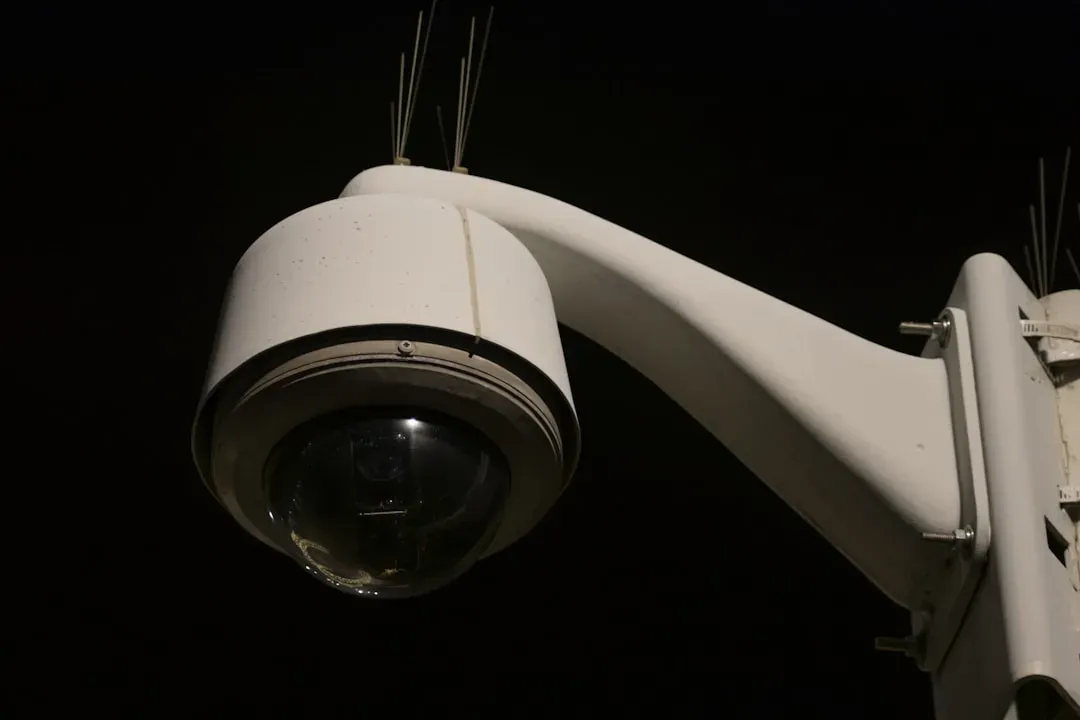
Some security services now let professionals interact with threats through your outdoor cameras and smart doorbell in real time. When the camera detects a package thief, a security professional reviews the footage, and if they see someone who shouldn’t be there, they can talk directly to that person using the camera’s two-way audio. Often, that alone is enough to scare a bad actor away. If the situation escalates, the professional calls emergency services.
SimpliSafe’s Active Guard Outdoor Protection, for example, pairs AI-powered outdoor cameras with live security agents to detect, verify, and deter potential threats. When a person is detected, an agent is alerted and can use the camera’s two-way audio and live video feed to intervene. If necessary, the agent can trigger the camera’s 90-decibel siren, turn on the spotlight, and request police dispatch while capturing video evidence.
Smart Lockers: Removing the Package From the Porch Entirely
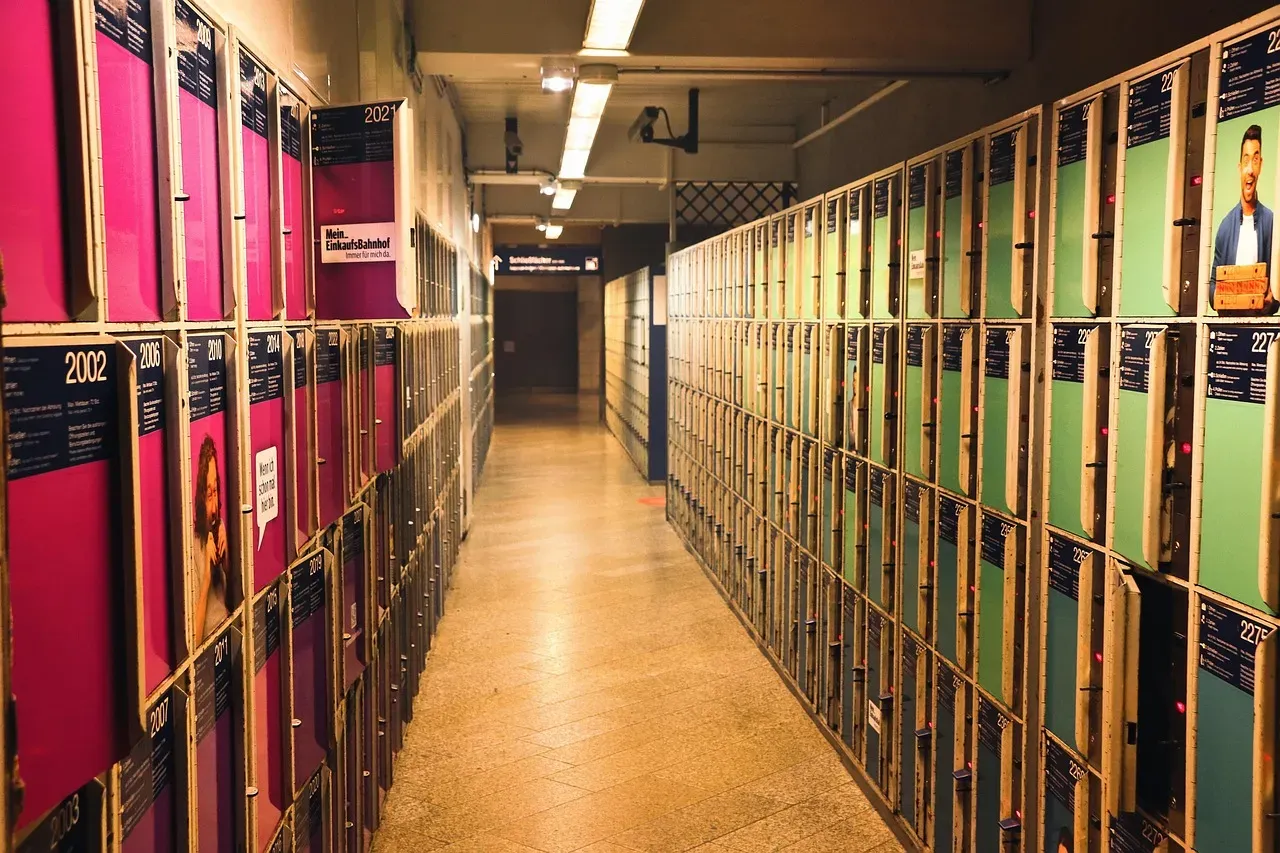
Secure delivery lockers located at apartment complexes, stores, or central hubs offer customers a safe, tamper-resistant alternative to home delivery. The idea is straightforward: if the package never sits unattended on the porch, there’s nothing to steal. Smart lockers take this further by incorporating digital access codes or mobile app integration, allowing for convenient, contactless retrieval of packages at any time.
More than 58 million Americans have had packages stolen in the past year, and apartment residents experience package theft at double the rate of those who live in single-family homes. Recent data from the National Business Research Institute reveals that 78 percent of residents now favor smart lockers as their primary package delivery solution, citing security among their top reasons. Adoption is growing. Nearly 90 percent of locker users use them weekly, with 73 percent receiving one to three deliveries per week.
Geofencing and Real-Time Tracking Alerts
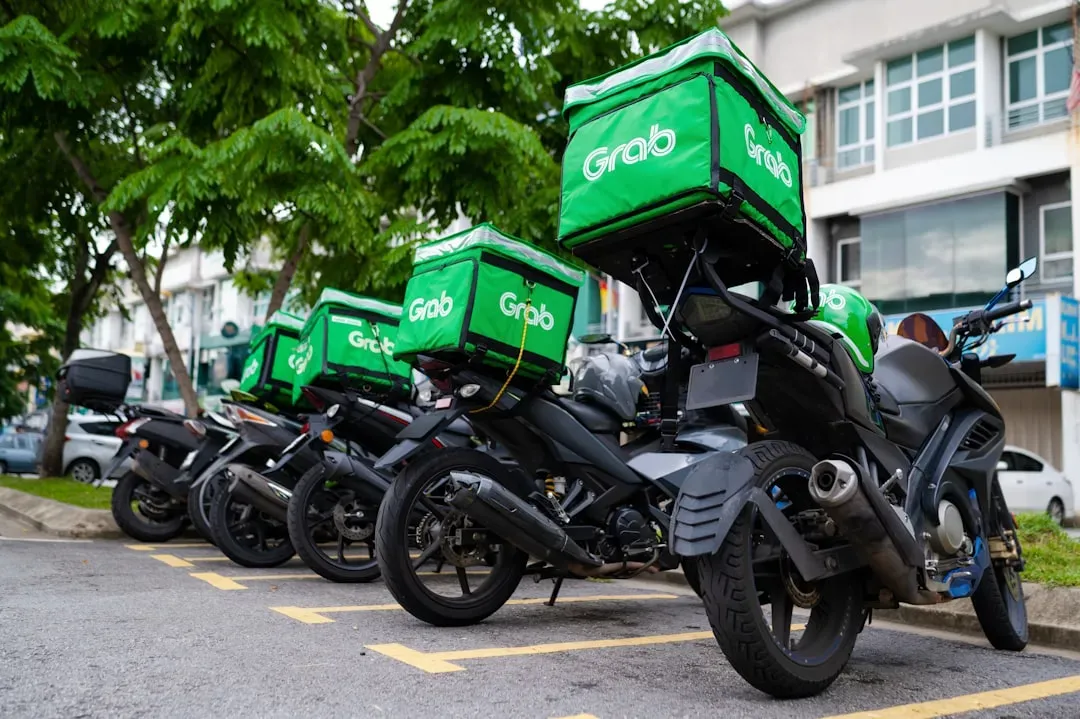
Geofencing creates a virtual perimeter around a delivery address. Customers can receive an instant alert when a package enters the area, minimizing the time it sits unattended. Shorter exposure windows mean fewer opportunities for theft, which is a simple but effective equation. Real-time tracking updates also keep customers informed about delivery status and provide businesses with timestamped proof of delivery records.
The combination of geofencing and instant notifications effectively turns every delivery into a near-supervised event. Amazon already sends alerts through the Alexa mobile app or Echo devices when a supported camera or video doorbell detects a person or package. Speed of retrieval turns out to be one of the most reliable theft prevention strategies available.
Organized Theft Rings and the Technology Arms Race
As security systems improve, criminals are getting smarter too. In recent years, there have been reports of organized theft rings with increasingly clever tactics. Some use electronic scramblers to interfere with security camera signals, follow delivery trucks wearing fake uniforms to pick up freshly delivered packages, and others hack into delivery companies or bribe shipping workers to identify high-value shipments.
One data point that surprises many people: if you’ve had one package stolen, you’re 4.3 times more likely to have another stolen compared to someone who’s never been victimized. Thieves return to locations where they’ve previously succeeded because they know the delivery patterns, sightlines, and whether security cameras are present. Knowing this, choosing visible and varied security measures is more than cosmetic.
New Laws Are Finally Catching Up
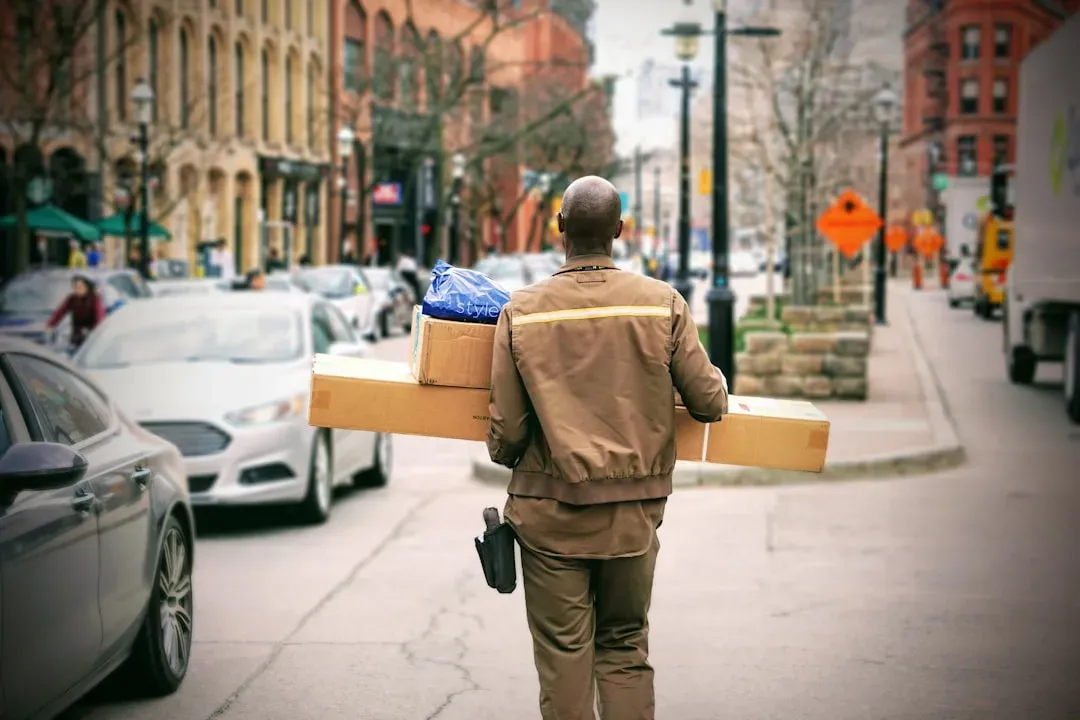
As of 2025, 11 states and the District of Columbia have laws specifically addressing package theft, most of which elevate the crime to a felony. Penalties range from six months to 30 years in jail depending on the state. Florida and Pennsylvania were the most recent states to enact laws in 2024, while Maryland, New York, and Alabama introduced new bills in 2025.
Several states are also tightening related retail theft and property crime laws, which affect how package theft cases are prosecuted. Current legislation reflects a broader national shift: package theft is being treated less like a petty crime and more like burglary or organized property crime. That shift in legal framing matters. There is currently approximately a 1-in-17 chance that law enforcement will catch a reported package thief, which means legal deterrence alone won’t solve the problem, but it is starting to add weight to the consequences.
Consumer Behavior Is Shifting Too
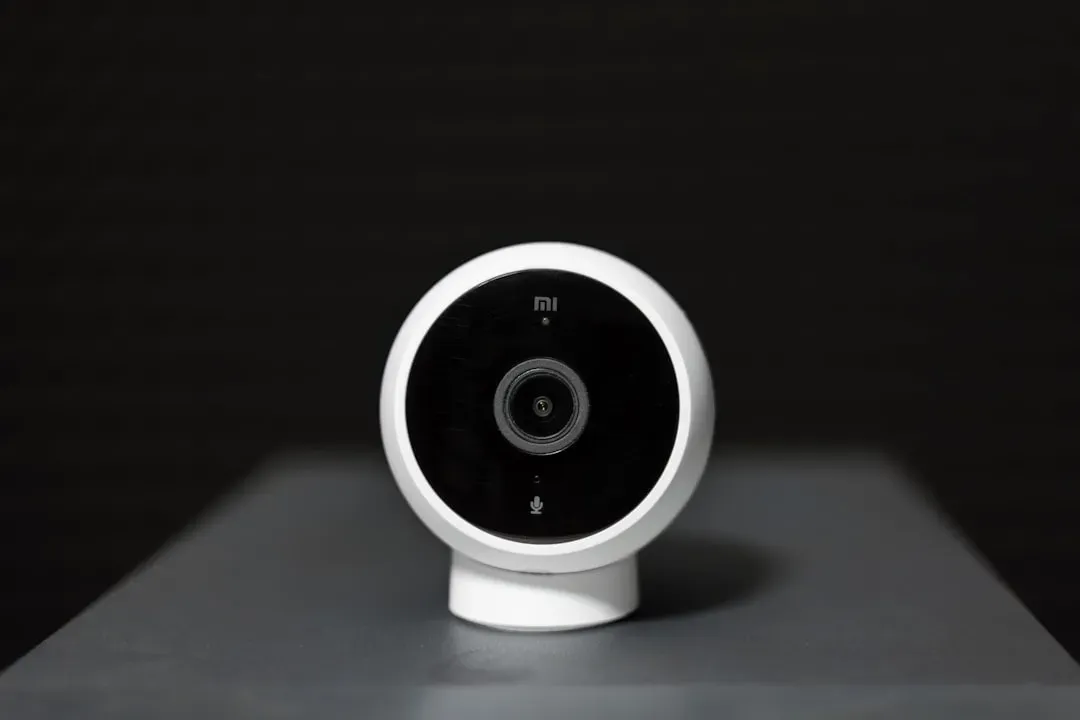
One of the biggest changes in recent years is that more people are taking action to prevent package theft. Nationwide, just one in four people do nothing to deter porch pirates, and more than eight in ten people added a deterrent after having a package stolen. That behavioral shift matters just as much as new technology. People who own one or more security devices report roughly 40 percent less anxiety about package theft.
Of Americans who have been targeted by porch pirates, half installed a security system or doorbell camera after the theft occurred. That’s partly reactive, but the trend is still meaningful because each new installation makes the overall porch environment less forgiving for thieves. The overall number of estimated package theft incidents dropped from 120 million in 2023 to just over 104 million in 2024 to 2025, a 13 percent decline, indicating that prevention and deterrence may genuinely be having an impact.
The First Sign That the Tide Is Turning
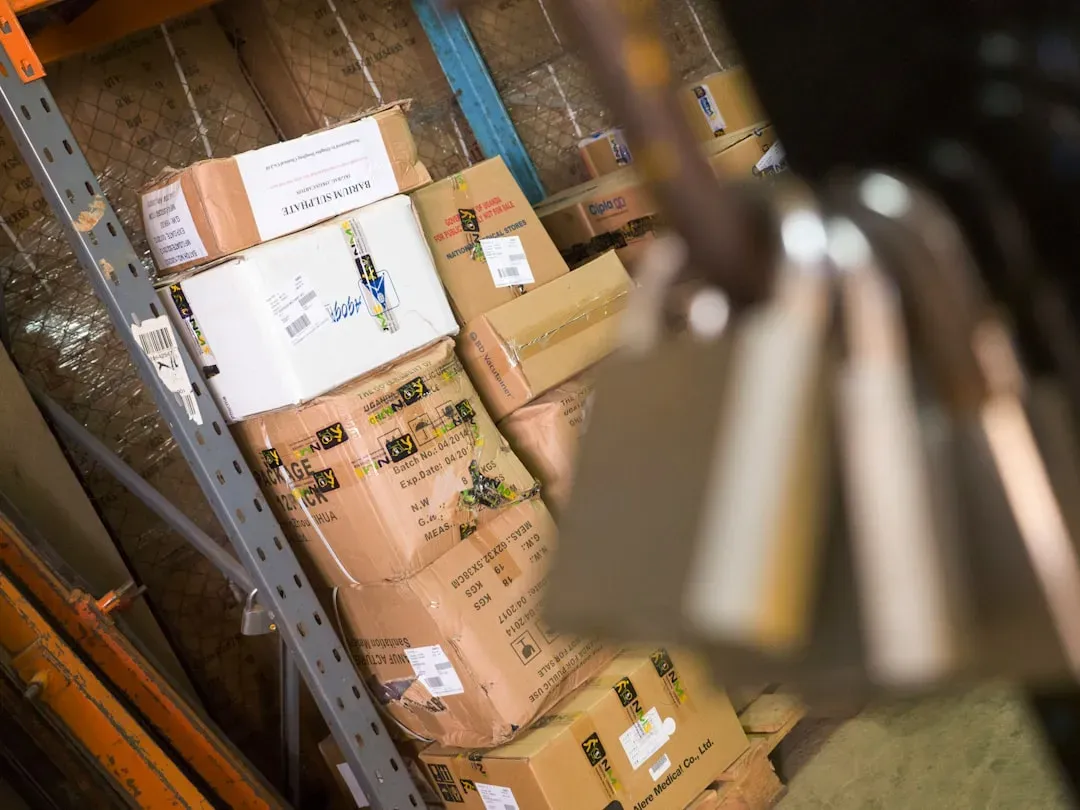
From 2024 to 2025, the share of packages stolen decreased 16.5 percent year over year. That’s the first meaningful retreat in a decade of steadily climbing numbers, and it’s worth noting what drove it. The decline doesn’t come from a single breakthrough, it’s the result of cameras getting smarter, lockers becoming more common, alerts getting faster, and consumers simply paying closer attention.
The porch pirate problem isn’t solved. Estimated consumer financial losses from package theft still totaled $15 billion in 2025, while retailers lost $22 billion as a result of package theft over those same 12 months. The gap between what’s being stolen and what technology can prevent remains wide. Still, for the first time in years, the numbers are actually moving in the right direction, and that matters.
The tools available in 2026 are meaningfully better than what existed even three years ago. The question now isn’t whether the technology works. It does. The real shift depends on how widely and how smartly it gets used before the next wave of porch pirates adapts.