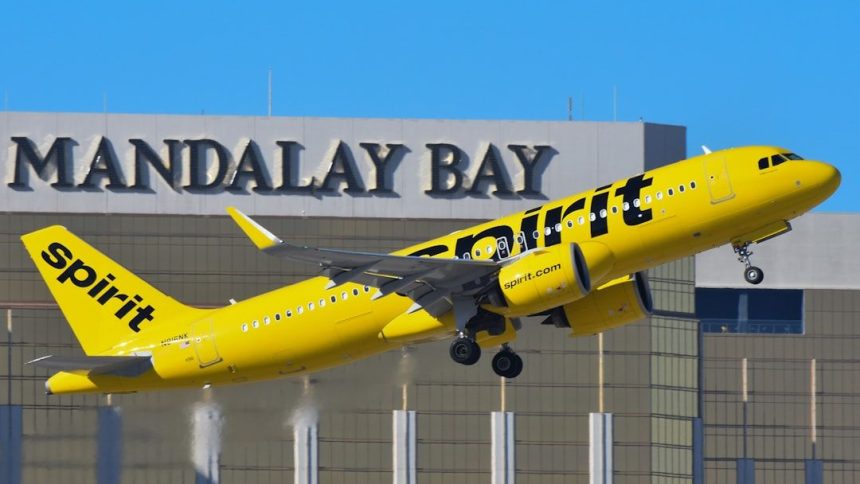
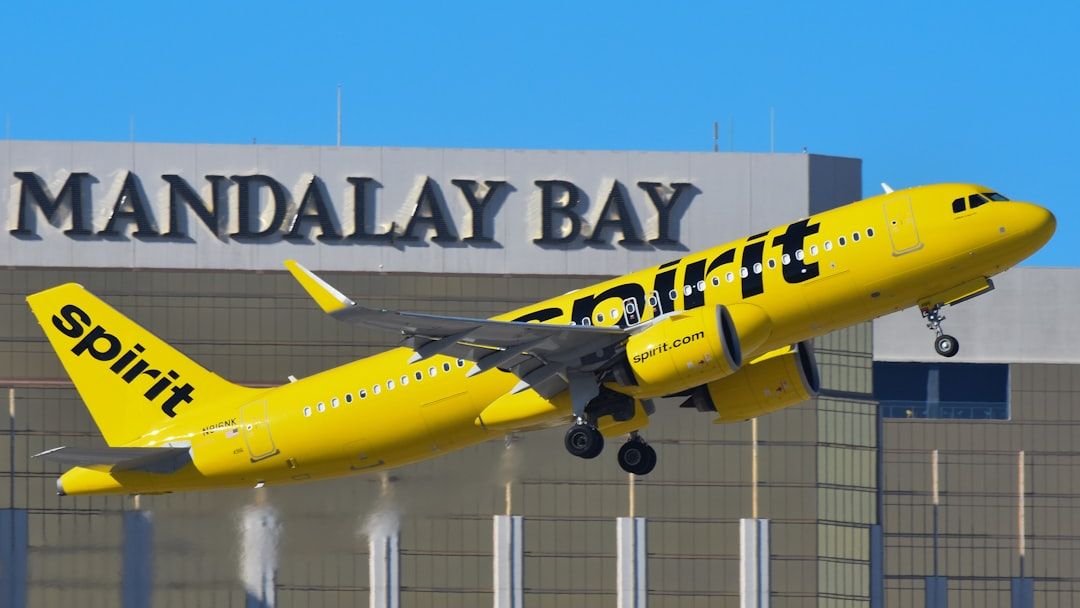
Spirit Airlines preparing to shut down after failing to secure $500M bailout from Trump admin – Image for illustrative purposes only (Image credits: Unsplash)
Spirit Airlines has entered its final days of operation after talks for a $500 million rescue package from the Trump administration stalled.[1] The budget carrier reported cash reserves that would last only a matter of days, pushing it toward potential liquidation.[1] Creditors rejected key terms of the proposed deal, which included the government taking a 90 percent ownership stake, leaving the airline’s future in doubt.[2]
From Merger Hopes to Repeated Bankruptcies
Spirit Airlines first filed for Chapter 11 bankruptcy in November 2024 amid mounting losses and a failed merger attempt with JetBlue.[3] The carrier emerged briefly but returned to bankruptcy court in August 2025 after a federal judge blocked the deal and fuel costs surged due to geopolitical tensions.[3] By early 2026, Spirit planned to shrink its fleet to 76-80 aircraft and cut debt, aiming for an exit from protection by summer.[4]
Those efforts faltered as operational cash dwindled. The airline auctioned off aircraft and closed maintenance facilities at major hubs like Chicago O’Hare and Baltimore-Washington.[5] Analysts noted a projected capacity drop of up to 20 percent for fiscal 2026, signaling deeper troubles ahead.[6]
Unraveling of the Government Rescue Effort
The Trump administration stepped in with a proposed $500 million loan in late April, sparking both hope and controversy.[7] President Trump publicly floated the idea of bailing out or even buying the carrier outright to preserve jobs and assets.[8] Two of three major creditor groups initially backed the plan, which offered financing in exchange for equity warrants.[9]
Negotiations broke down over the weekend, however. Bondholders deemed $500 million insufficient, and a bankruptcy court hearing on the rescue was postponed as discussions dragged on.[10] Critics, including Senator Ted Cruz and investor Kevin O’Leary, decried the proposal as poor policy that rewarded mismanagement.[11][12]
Immediate Fallout for Jobs and Travelers
A shutdown would eliminate around 17,000 positions across the airline’s network.[9] Passengers holding tickets face cancellations, with rebooking challenges on other carriers likely to drive up short-term fares on popular routes.
- Budget travelers could see higher prices without Spirit’s ultra-low fares.
- Airport slots at secondary cities might go unused initially.
- Suppliers and lessors face losses from grounded Airbus A320s.
The industry views Spirit’s woes as isolated, though its exit would reduce U.S. low-cost capacity.[13] Larger rivals like United and Delta have expressed little concern over collateral effects.
Uncertain Path Forward
Liquidation proceedings could begin as early as this week if no alternative emerges.[6] Spirit continues normal flights for now, but travelers are advised to monitor updates closely. The stalled bailout underscores tensions over government intervention in private enterprise, particularly under an administration promising deregulation. As one chapter closes for the no-frills pioneer, questions linger about the future of discount air travel in America.