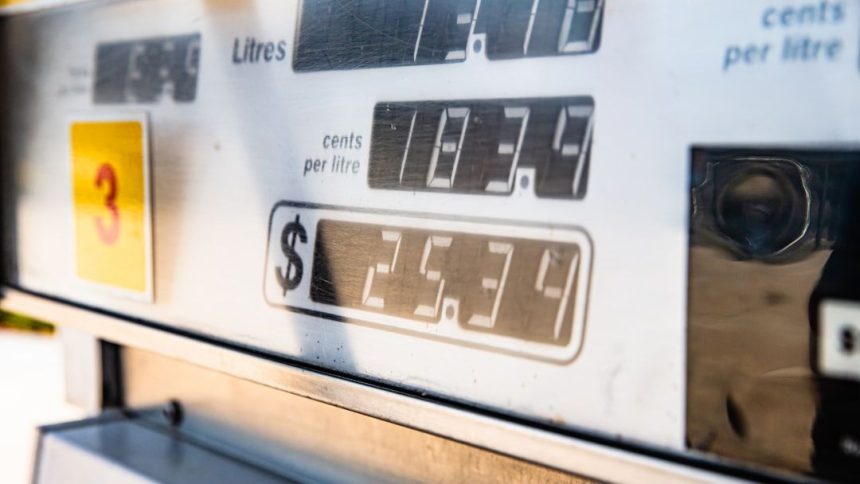

Gas Prices Jump As States Diverge – Image for illustrative purposes only (Image credits: Unsplash)
Gasoline prices across the United States climbed after a spell of relative calm, adding fresh strain to commuters and families ahead of peak driving months. The upturn revealed familiar divides, as West Coast residents faced sharper hikes while Gulf states held relatively steady. Experts cited seasonal production shifts and supply constraints as primary drivers behind the uneven rebound.
Seasonal Forces and Supply Pressures Propel Increases
Refineries ramped up production of summer-grade fuel, a cleaner blend required during warmer months that costs more to make. This transition coincided with routine maintenance shutdowns, which tightened available supplies just as road trips and vacations gained momentum. Even minor disruptions at major facilities rippled outward, pushing wholesale costs higher in affected regions.
Global crude oil fluctuations amplified the effect. Production cuts abroad or tensions in key exporting areas lifted benchmark prices, and those changes quickly filtered down to retail pumps. Historical patterns from groups like AAA and the U.S. Energy Information Administration confirmed the timing: rates typically rose from late winter through early summer before easing later in the year.
West Coast and Isolated States Bear the Brunt
California consistently ranked among the priciest markets, thanks to stringent environmental standards that demanded specialized fuel formulations. The state’s intricate distribution network and elevated taxes compounded the burden. Drivers there paid a premium for compliance with unique regulations that few other areas matched.
Alaska and Hawaii joined the high-cost club for distinct reasons. Remote locations meant longer shipping distances and fewer local refineries, inflating transport expenses. Temporary refinery slowdowns elsewhere occasionally exacerbated these challenges, sending local prices into extended climbs.
Regional events added unpredictability. Storms or mechanical issues in the Midwest lifted rates in states like Illinois and Michigan for weeks at a time.
Gulf and Southeast Regions Resist the Climb
Proximity to refining centers gave Gulf Coast states a clear edge. Texas, Louisiana, and Mississippi drew from abundant pipelines and production hubs, minimizing delivery costs. Shorter routes ensured consistent flows even during national squeezes.
Lower state taxes and simpler fuel requirements kept additive costs down. Competition among numerous stations also played a role, prompting quicker adjustments when wholesale prices dipped. These factors created a buffer that preserved affordability relative to distant markets.
Price Leaders vs. Laggards: A Snapshot
| High-Cost States | Key Factors | Low-Cost States | Key Factors |
|---|---|---|---|
| California | Strict fuel rules, high taxes | Texas | Nearby refineries, low taxes |
| Alaska | Remote supply chains | Louisiana | Pipelines, production hubs |
| Hawaii | Limited refining | Mississippi | Short transport, competition |
Household Strain and Watchpoints for Relief
Families responded to the hikes by curbing discretionary spending, from restaurant meals to big-ticket buys. Ride-share operators and delivery services absorbed early hits, often passing costs to customers. Broader effects touched shipping rates and air travel, stirring worries about persistent inflation.
Economists noted that short-lived spikes caused minimal long-term harm, but prolonged rises eroded spending power and business margins. Small operators grappled with decisions on price hikes or cutbacks.
Future trends hinged on refinery restarts and crude market stability. Unplanned outages or weather disruptions near energy zones posed risks, as did shifts in state taxes or fuel mandates. Steady supply and moderating demand offered the best path to stabilization.
Drivers in high-price zones continued footing larger bills, while southern refiners shielded their markets. The pattern, rooted in geography and policy, showed little sign of fading amid the latest swing.


![[OC] Cloudmaxxing - Chicago, IL](https://las-vegas-news.com/wp-content/uploads/2026/05/1778171368399_photo-1636753260398-c0ce9f1268fa-150x150.jpeg)