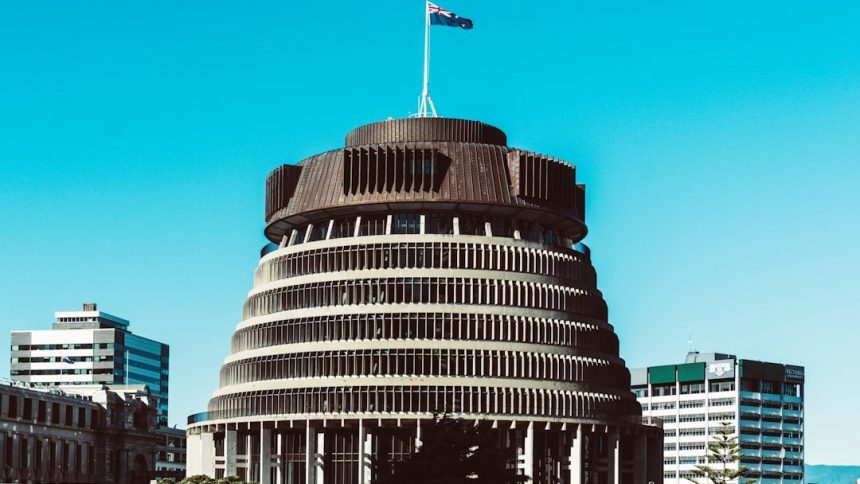

New Zealand’s government plans to cut 14% of public sector jobs to slash spending – Image for illustrative purposes only (Image credits: Unsplash)
Wellington has served as the hub for New Zealand’s public administration for decades, yet recent figures show the sector has expanded well beyond earlier limits. Finance Minister Nicola Willis outlined a series of reductions that would bring staffing levels down sharply by the middle of 2029. The changes form part of a wider effort to curb government spending at a time when economic growth remains modest.
Details of the Workforce Reductions
The plan calls for the elimination of about 8,700 positions, lowering the total number of public servants to 55,000. This represents a drop from the December 2025 count and would bring the sector to roughly 1 percent of the country’s 5.3 million residents. Savings from the measures are projected at 2.4 billion New Zealand dollars over the period.
Most agencies face an immediate 2 percent funding cut in the budget scheduled for the end of May. Further annual reductions of 5 percent would follow in each of the next two years, provided the current administration remains in office after the November election. The overall timeline stretches to mid-2029, allowing for a phased approach rather than immediate departures.
Exemptions and Supporting Reforms
Certain groups remain outside the scope of the cuts. Military personnel, teachers, and doctors will continue without reductions in their ranks. At the same time, the government intends to consolidate the current 39 departments and agencies into a smaller number, though the final count has not yet been specified.
Officials also expect faster adoption of artificial intelligence and digital tools across remaining operations. The minister noted that the public sector has lagged behind technological advances seen elsewhere, and agencies will now be required to accelerate that shift to maintain service levels with fewer staff.
Reactions From Opposition and Unions
Labour Party leader Chris Hipkins warned that removing such a large share of the workforce would inevitably affect front-line services. Union representatives echoed that concern, describing the package as an unnecessary blow to essential government functions. Both groups pointed to the risk of longer wait times and reduced capacity in areas that directly serve the public.
The announcement drew immediate criticism from those who view the public service as already stretched. Critics argued that the scale of the reductions could undermine the very efficiency the government hopes to achieve.
Background and Fiscal Pressures
The current center-right administration, in power since 2023, has long argued that earlier policies allowed public sector numbers to rise too quickly. Staffing grew from 48,000 to 63,000 under the previous government, a trend officials link to the removal of earlier hiring caps. They maintain that the expansion contributed to higher spending on contractors and consultants.
Prime Minister Christopher Luxon has framed the changes as a step toward a leaner, more focused operation. He described the prospect of greater efficiency as a positive development for taxpayers and the broader economy. The measures arrive as the government seeks to demonstrate progress on fiscal management ahead of the upcoming vote.
What matters now: The reductions will unfold gradually, with the first funding adjustments appearing in the May budget and deeper cuts tied to the election outcome. Agencies must now prepare transition plans while protecting core services in health, education, and defense.
These steps reflect a deliberate shift in how New Zealand manages its public resources. The coming months will show how departments balance the required savings with the need to deliver essential services to citizens.