Most of us have a pretty comfortable relationship with movies. We’ve got our routines: the go-to snack, the favored spot on the couch, the tendency to let one film bleed into another. For decades, those habits didn’t matter much. After 50, though, the body and brain start responding differently to the same old patterns, and what once felt like harmless downtime can quietly chip away at sleep, cardiovascular health, and mental well-being.
None of this is about giving up movies. It’s really about noticing when certain habits stopped serving you. A few small adjustments can make the experience better without sacrificing any of the enjoyment.
Watching Late Into the Night, Routinely
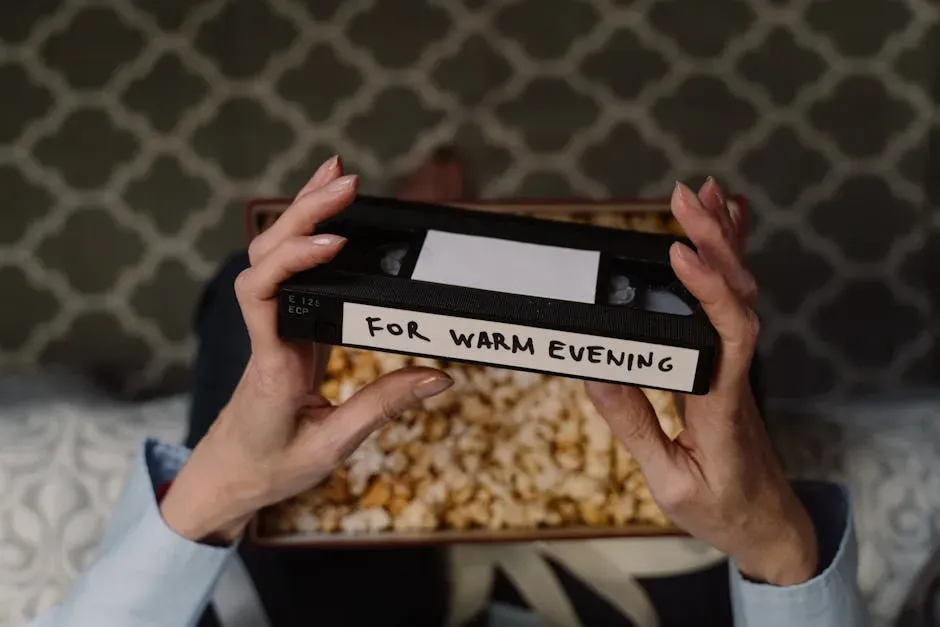
There’s a real difference between the occasional late-night film and making it a nightly ritual. Up to half of adults over 50 report difficulty falling or staying asleep, and roughly four in ten report poor sleep quality overall. Adding regular late-night screen exposure on top of that is a compounding problem, not a neutral one.
One Norwegian study found that a single hour of screen time at bedtime results in a nearly sixty percent higher risk of insomnia and roughly 24 fewer minutes of sleep per night. Poor sleep in older adults has been linked to depression, anxiety, dementia, obesity, and cardiovascular disease, which makes the habit genuinely worth reconsidering rather than just inconvenient.
Binge-Watching Multiple Films in One Sitting
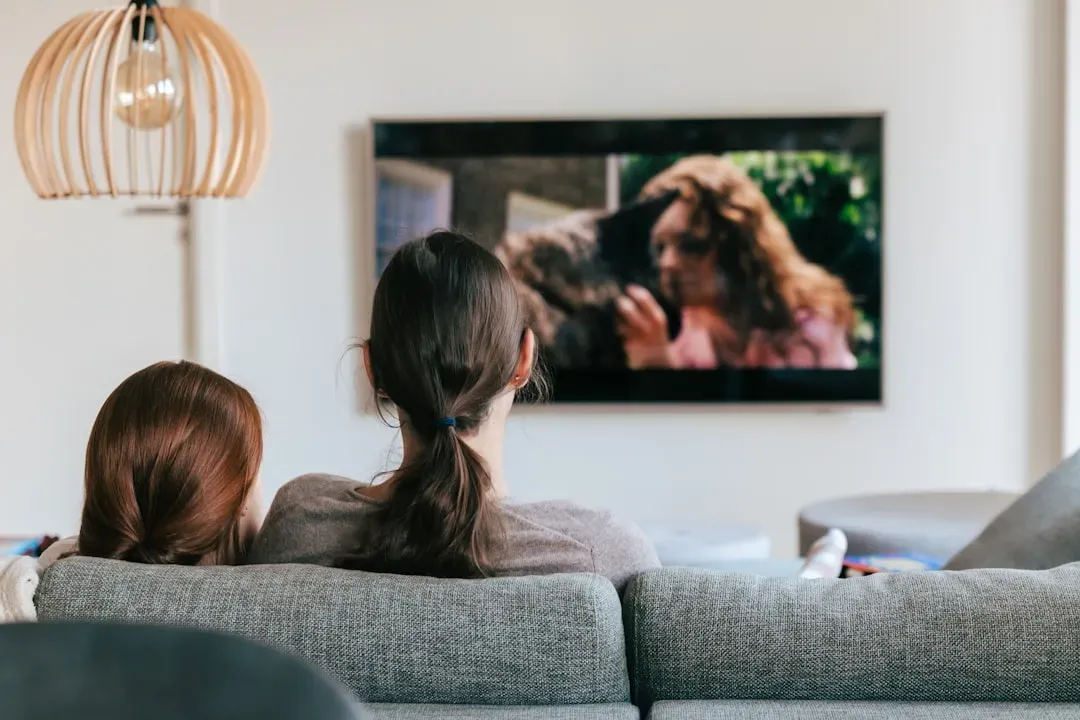
Watching one film can easily turn into two, then three, especially with streaming queues that never seem to empty. Research by the American Heart Association found that spending four or more hours a day watching television may increase the risk of cardiovascular disease or early death by fifty percent. That threshold is easier to reach than most people realize on a lazy weekend afternoon.
After roughly an hour of sitting, blood and fluid begin to pool in the legs, which reduces flow and circulation, causing blood pressure to rise as the body tries to compensate. Research from USC and the University of Arizona also found that adults aged 60 and older who spend long stretches watching TV passively may be at increased risk of developing dementia, a risk that persisted even among participants who were otherwise physically active.
Using the Phone While Watching
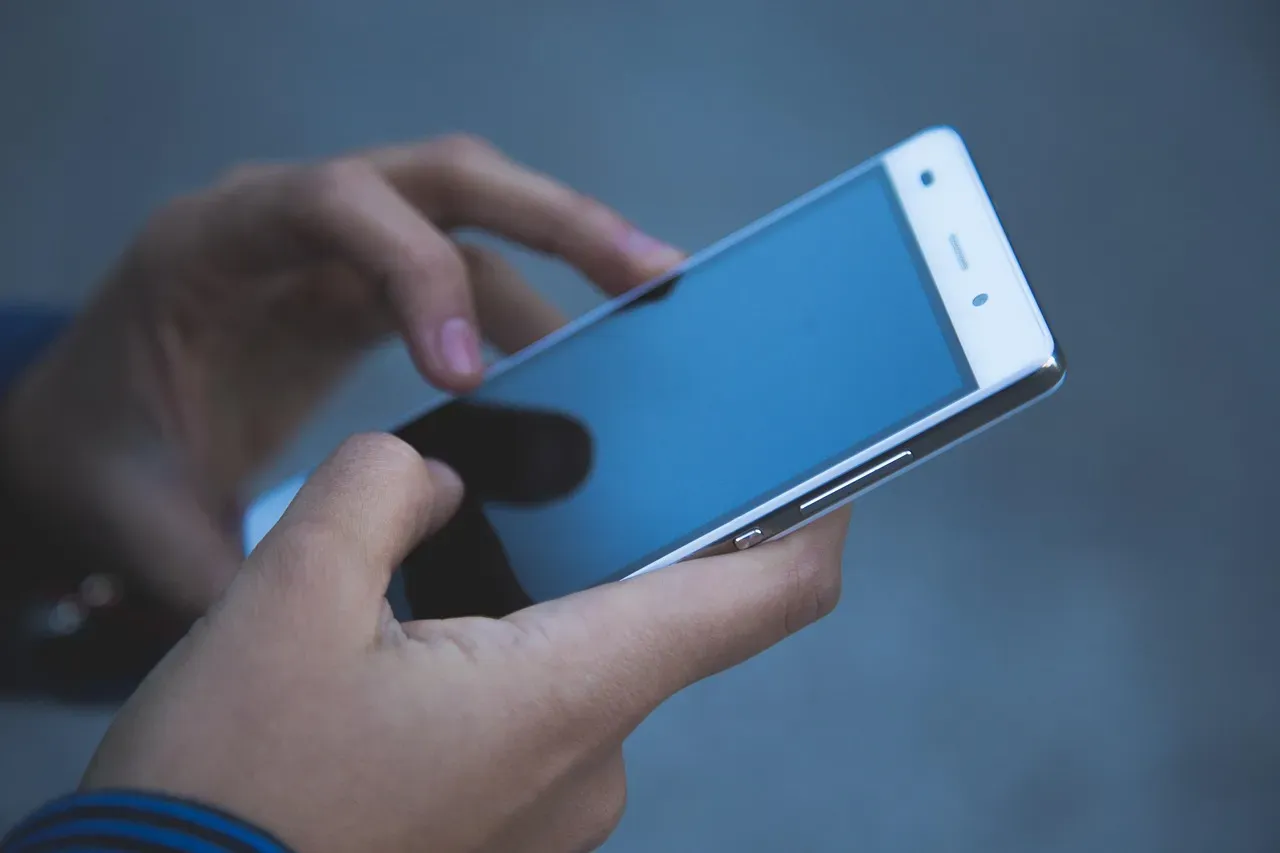
Second-screening feels harmless, almost social. In reality, the split attention has a cost. Multitasking while watching erodes memory and elongates the experience: you forget what happened, rewind, repeat, and suddenly a drama feels like a marathon not because of its length but because of mental leakage.
After 50, cognitive processing tends to slow slightly and sustained focus becomes more valuable, not less. Fragmenting that attention across a screen and a phone doesn’t just reduce enjoyment – it reduces the genuine mental engagement that makes watching a film worthwhile in the first place. If the film is worth your time, it’s worth your actual attention.
Eating Heavily During Long Viewing Sessions

The lack of control over watching patterns often leads to unhealthy dietary habits: when people concentrate on what’s happening on screen, they tend to consume food or snacks mindlessly, ingesting more than they initially intended. Metabolic rate naturally slows with age, and passive sedentary eating in the evening compounds the issue significantly.
TV watching tends to bring along a cluster of other unhealthy habits, including eating junk food, failing to connect socially, and disrupted sleep. Evening is typically when the metabolism is least efficient at processing large meals, so the combination of stillness, low lighting, and calorie-dense snacking is worth treating as the habit cluster it actually is.
Watching Intense or Violent Content Right Before Bed

Viewing programs filled with violence, disaster, or trauma activates the brain’s fear center, and a cognitive shortcut known as the availability heuristic can lead people to believe that those kinds of threats are more common than they are, carrying a sense of unease into bedtime that makes it harder to calm down and get restful sleep.
On-screen horrors can trigger nightmares, disrupt REM sleep, and cause disrupted or poor-quality sleep for susceptible individuals, as images from movies can be projected into dreams. People with anxiety are more likely to be negatively affected by horror movies, and researchers explain that chronic anxiety increases sensitivity to startling stimuli. After 50, many people carry more background stress, making the timing of intense content especially relevant.
Treating Movies as a Substitute for Social Connection

There’s a quiet difference between enjoying a film as part of your evening and retreating into one to avoid engaging with the people around you. The psychological effects of excessive screen time can include strained relationships and withdrawal from real-life connections, with overdependence on shows causing some individuals to pull away from real-world interactions.
Isolation after 50 carries serious health consequences that researchers have studied in depth. Using films as the primary source of emotional stimulation or evening companionship can quietly reinforce patterns of withdrawal that are hard to undo. Movies can absolutely be a social activity, watched with others, talked about afterward, enjoyed as shared experience. That version is worth keeping. The solitary escape from connection is the habit worth examining.
Never Moving During Long Viewing Sessions
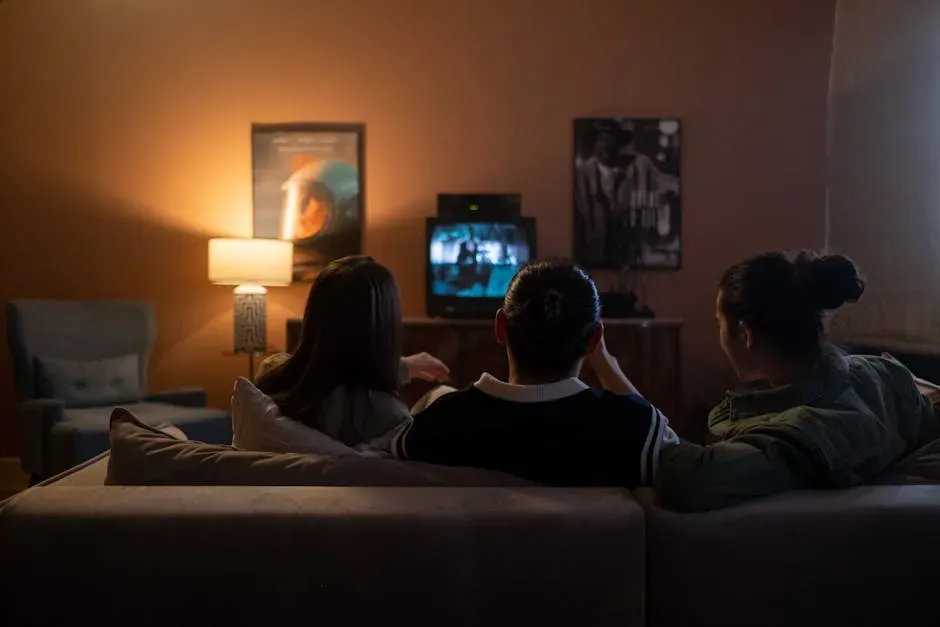
A study published in the Journal of the American Heart Association found that people who watch little or no TV and are highly active live roughly two and a half years longer free of coronary heart disease, stroke, and heart failure than those who watch frequently and are not active. That gap doesn’t close by cutting out films entirely – it narrows when you simply break up the sitting.
Experts suggest keeping daily sedentary TV time below two hours and taking a break at least every 60 minutes. Exercise can offset some of the negative effects of prolonged TV watching – the link between extended viewing and cardiovascular disease was not apparent in participants who exercised for at least 150 minutes per week. A short walk between films, or simply standing during closing credits, is genuinely enough to shift the equation.
None of these habits are dramatic villains. Most of them developed gradually, in the comfortable years when the body forgave more easily. After 50, the body still forgives – it just needs a bit more cooperation. The movies themselves aren’t the problem. How, when, and how long you watch them is a conversation worth having with yourself at least once.