Hollywood has always operated on an unspoken economy of trust. Talent gets you in the door, but reputation determines whether you stay. A single catastrophic incident, a pattern of on-set behavior, or a very public meltdown can turn a rising star into someone whose name quietly disappears from every casting shortlist in town.
Blacklisting in Hollywood is a practice where studios, producers, agents, casting directors, or industry networks deny work to specific talent because of perceived reputation risks, legal trouble, behavior, or commercial considerations. The consequences tend to be swift and cumulative. Multiple employers cite “uninsurable,” “not marketable,” or “legal risk” as reasons for non-hiring. These nine names know exactly what that feels like.
Ezra Miller: A Franchise Built, Then Burned
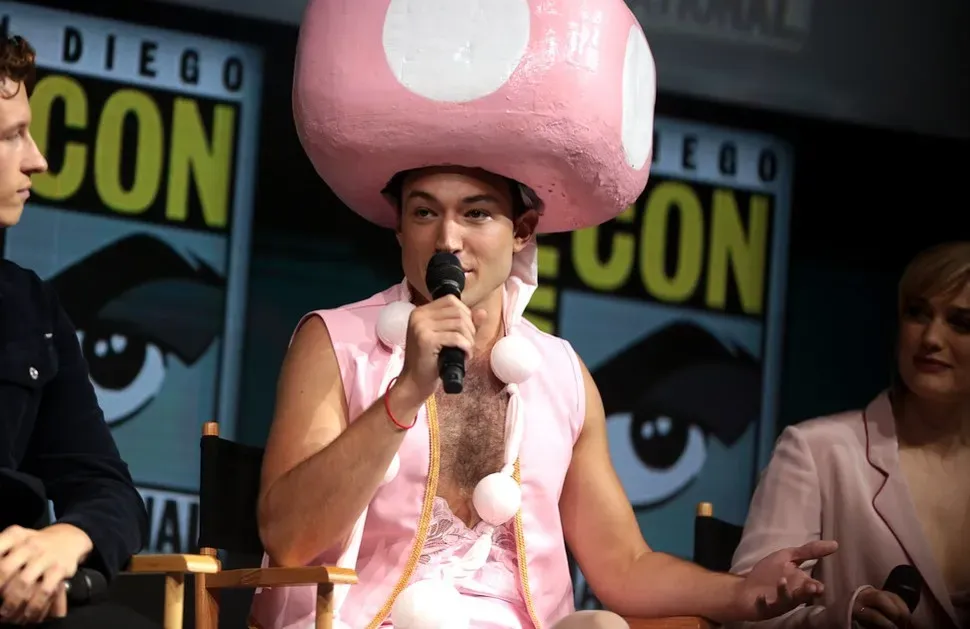
From 2016 to 2023, Miller played the Flash in the DC Extended Universe, mainly in Justice League (2017) and The Flash (2023). It was a franchise-anchor role that should have launched a long career with Warner Bros. Off-screen, Miller faced multiple legal issues, including arrests for disorderly conduct, assault, and burglary, as well as allegations of harassment and inappropriate behavior involving minors, which resulted in temporary restraining orders.
Controversies surrounding Miller date back to 2020 and include assault, burglary, and alleged grooming of an 18-year-old. Miller hasn’t been cast in any roles in the last two years, and their role in the superhero series Invincible was recast following accusations made against them. Their relationship with Warner Bros. seems to be broken beyond repair, and given that Miller was never considered a box-office draw before The Flash, it’s hard to imagine they will ever again be given a leading role in another Hollywood studio film.
Kevin Spacey: A Career That Ended Overnight
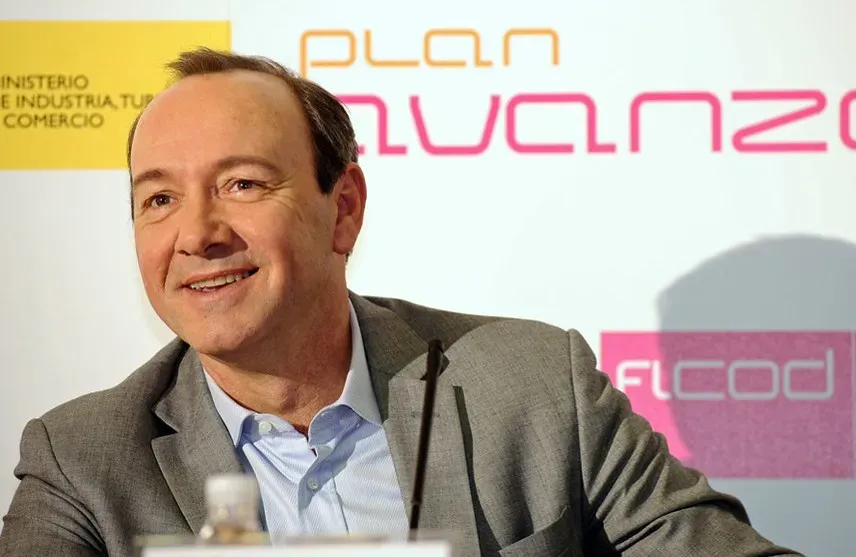
Kevin Spacey’s Hollywood career ended almost overnight following Star Trek Discovery actor Anthony Rapp’s public accusation that Kevin assaulted him while he was underage at a party. Fifteen other accusers came forward, including eight people who worked on his hit show House of Cards. Filming was suspended on the show, and Kevin was removed from the project.
The legal proceedings dragged on for years, and even after Spacey was acquitted on criminal charges in both the US and UK, the industry showed little appetite to bring him back. Insurers and financiers may refuse to underwrite projects involving certain individuals, making hiring impractical. Spacey remains the clearest modern example of how swiftly and thoroughly Hollywood can wall someone off, regardless of how many Oscars they once held.
Mel Gibson: Still Paying the Price
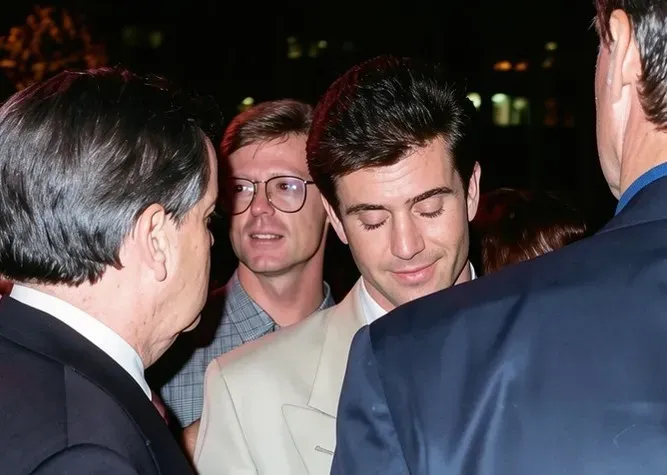
After his 2006 arrest where he spewed anti-Semitic remarks at police officers arresting him, Gibson became a persona non grata in Hollywood. Between 2006 and 2010, he only had one film role, in Edge of Darkness. Then in 2010, when he was caught on tape going on a racist rant and making death threats against his ex, Oksana Grigorieva, any comeback became even less likely as talent agency William Morris Endeavor Entertainment dropped him as a client.
While he made a triumphant return as a director with Hacksaw Ridge in 2016, Mel Gibson is still largely blacklisted from Hollywood screens. On January 16, 2025, president-elect Donald Trump announced that Gibson would serve in a new role as one of three “special ambassadors” to Hollywood, sharing the role with Jon Voight and Sylvester Stallone, with the stated goal of making Hollywood “stronger than ever before.” Whether that political appointment translates to actual casting calls remains, to put it gently, an open question.
Katherine Heigl: The Diva Label That Stuck

Heigl’s road to being blacklisted began in 2008 when, during a candid interview, she said of her hit film Knocked Up that it painted women as shrews and men as loveable guys. That same year, she declined an Emmy nomination for her work on Grey’s Anatomy. The biggest reason she hasn’t found much work is most likely her badmouthing of Judd Apatow, Seth Rogen, and their movie Knocked Up, which had helped launch her to stardom in the first place.
Katherine Heigl saw a significant decline in her film career after she publicly criticized the writing on Grey’s Anatomy and Knocked Up. Her comments were perceived by many industry insiders as ungrateful and difficult to work with. Major studios became hesitant to cast her in leading roles for high-profile romantic comedies, which had previously been her specialty. Heigl eventually rebuilt her screen profile through streaming dramas and secured lead roles in series that gained strong binge audiences. The A-list movie machine, though, had long since moved on.
Mo’Nique: Punished for Refusing to Play Along
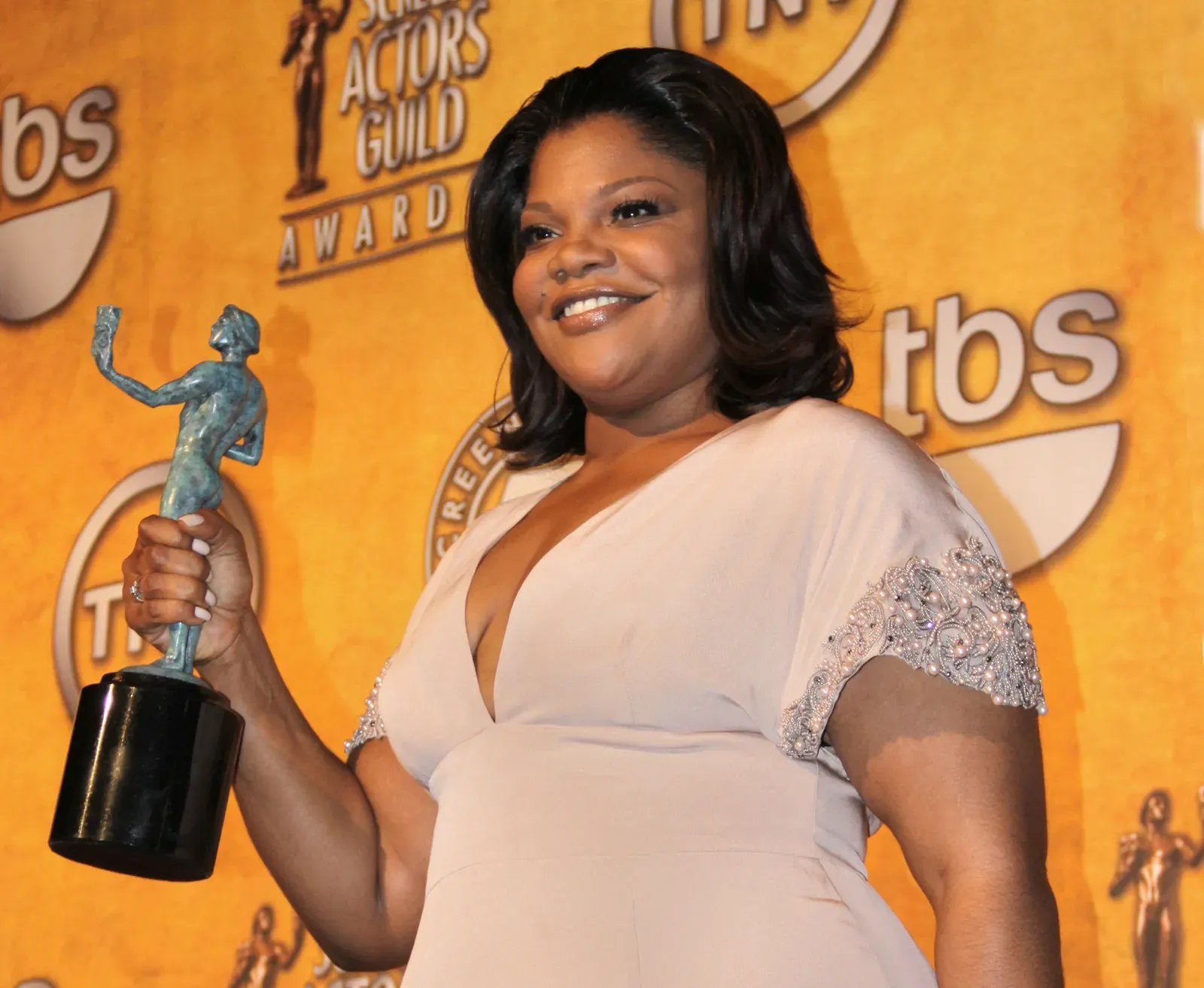
Mo’Nique’s biggest break came in 2009, when her role playing an abusive mother in Lee Daniels’ film Precious earned critical praise and an Academy Award for Best Supporting Actress. Since her big win, Mo’Nique’s film and TV roles have largely dried up. The reason? She refused to campaign for the award, which would have involved unpaid press. Allegedly, Lionsgate, Precious director Lee Daniels, and executive producers Oprah Winfrey and Tyler Perry were livid.
Mo’Nique won an Academy Award for her performance in Precious but subsequently claimed she was blacklisted by Hollywood executives. She stated that her refusal to participate in uncompensated promotional campaigns during award season led to a lack of offers for major film roles. The actress publicly identified several prominent directors and producers as figures who contributed to her exclusion from the industry. After years of public disputes, she eventually settled a lawsuit with Netflix regarding fair pay for a comedy special.
Gina Carano: Fired, Then Defiant
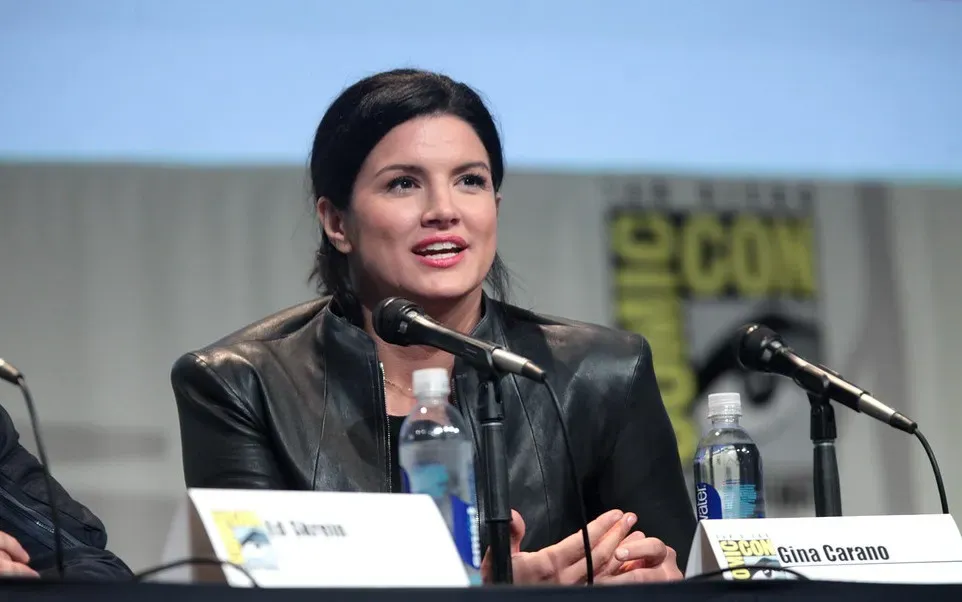
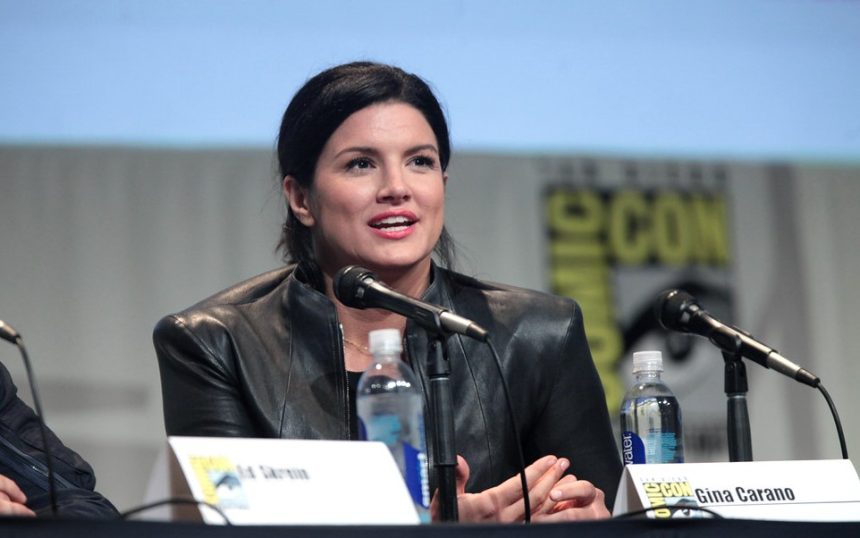
Gina Carano was at the top of her game as one of the main stars of the hit Star Wars series The Mandalorian when she was let go after she shared controversial social media posts. At the time, Lucasfilm described her posts as “abhorrent and unacceptable.” She was also dropped from her talent agency as a result.
The decision resulted in the cancellation of a planned spin-off series that was expected to feature her character. She has since moved into projects funded by alternative media outlets to continue her acting career. Her removal remains a prominent example of the consequences of political expression in the modern entertainment landscape. In February 2023, it was reported that Carano sued Disney and Lucasfilm over her termination, seeking damages, and the lawsuit was reportedly funded by Elon Musk.
Megan Fox: Publicly Bitten the Hand That Fed Her

Fox was allegedly blacklisted after speaking ill of director Michael Bay in a 2009 interview. She described him in terms that drew immediate backlash, and that interview, combined with a letter published by anonymous Transformers crew members that disputed her concerns, soured her reputation considerably. The next decade saw Fox struggle to recover that “it girl” image, and her projects, especially Jennifer’s Body in 2009, were poorly received by audiences.
Thanks in part to the growth of the #MeToo movement, Fox has since regained some of her footing in the industry. The reassessment of how Bay allegedly treated young actresses on his sets shifted some of the cultural conversation in her favor. Still, the years she spent in a professional wilderness serve as a pointed reminder that being the one to speak up in Hollywood often costs more than staying quiet.
Isaiah Washington: A Slur That Defined a Legacy
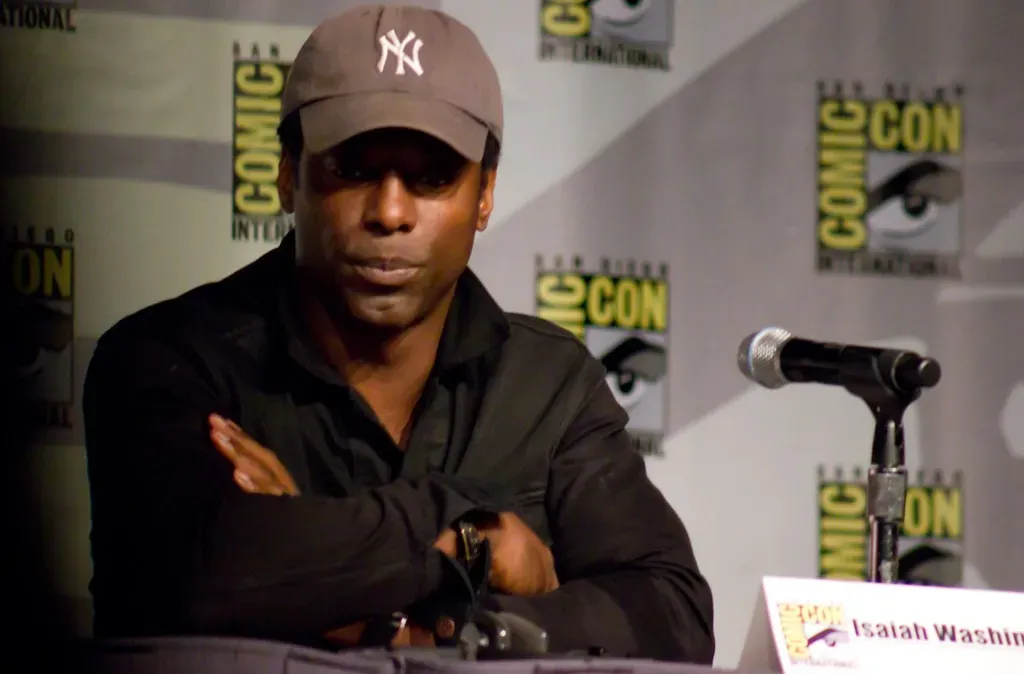
Washington’s most well-known role was as Preston Burke in Grey’s Anatomy. He was let go from the show and essentially blacklisted by Hollywood after using a homophobic slur about a castmate. He also used the slur again after the show won a Golden Globe, which was the nail in the coffin.
Sexual assault and harassment allegations, along with criminal charges or high-profile controversies, can elicit industry avoidance even before legal resolution. Washington’s case was somewhat different: no legal charges, just one pattern of behavior carried out in front of witnesses. Informal “do-not-hire” understandings circulate by word-of-mouth, emails, and private lists, and reputational notes travel quickly across hiring decision-makers. After Grey’s Anatomy, Washington found himself largely shut out of mainstream television and film for years.
Armie Hammer: From Leading Man to Industry Exile
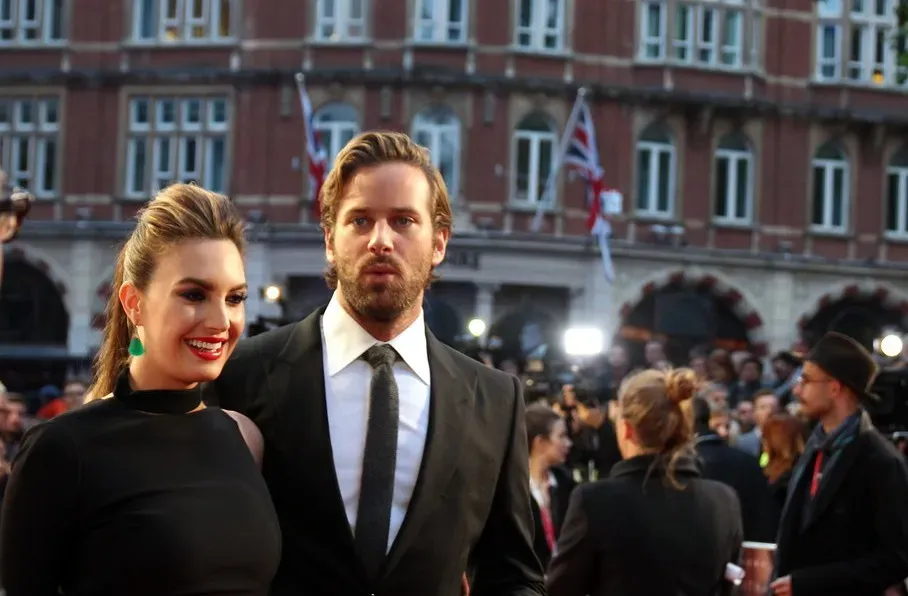
Armie Hammer’s fall from grace was one of the most dramatic of the 2020s. Once considered a credible heir to the classic Hollywood leading man archetype, Hammer saw his career collapse after highly disturbing text messages were leaked online in early 2021, containing graphic descriptions of alleged abuse fantasies. Multiple women subsequently came forward with further allegations. Signs of Hollywood blacklisting became immediately apparent: sudden disappearance from casting calls, credits, and agency rosters following the controversy, with multiple employers citing “not marketable” or “legal risk” as reasons for non-hiring.
Hammer was dropped by his agency and his publicist, removed from several active projects, and had his profile scrubbed from studio promotional materials almost overnight. Such removal from casting lists and replacement of talent mid-production can occur when insurers or financiers demand it. As of 2026, no major studio or streaming platform has moved to cast him in any significant project, and his name still carries the kind of reputational weight that makes even independent producers hesitate before committing to paperwork.