
There’s a strange kind of afterlife that happens to certain films. They stumble out of the gate, limp through their theatrical run, and then quietly find an audience once they land in living rooms. Home video used to be the great equalizer of Hollywood, a second chance for movies that critics loved but ticket buyers ignored. Long before streaming numbers and algorithm-driven recommendations, VHS tapes and DVDs did the heavy lifting of turning box office disappointments into legitimate financial successes. Here are four films where the couch, not the cinema, is where the real money got made.
The Shawshank Redemption (1994)
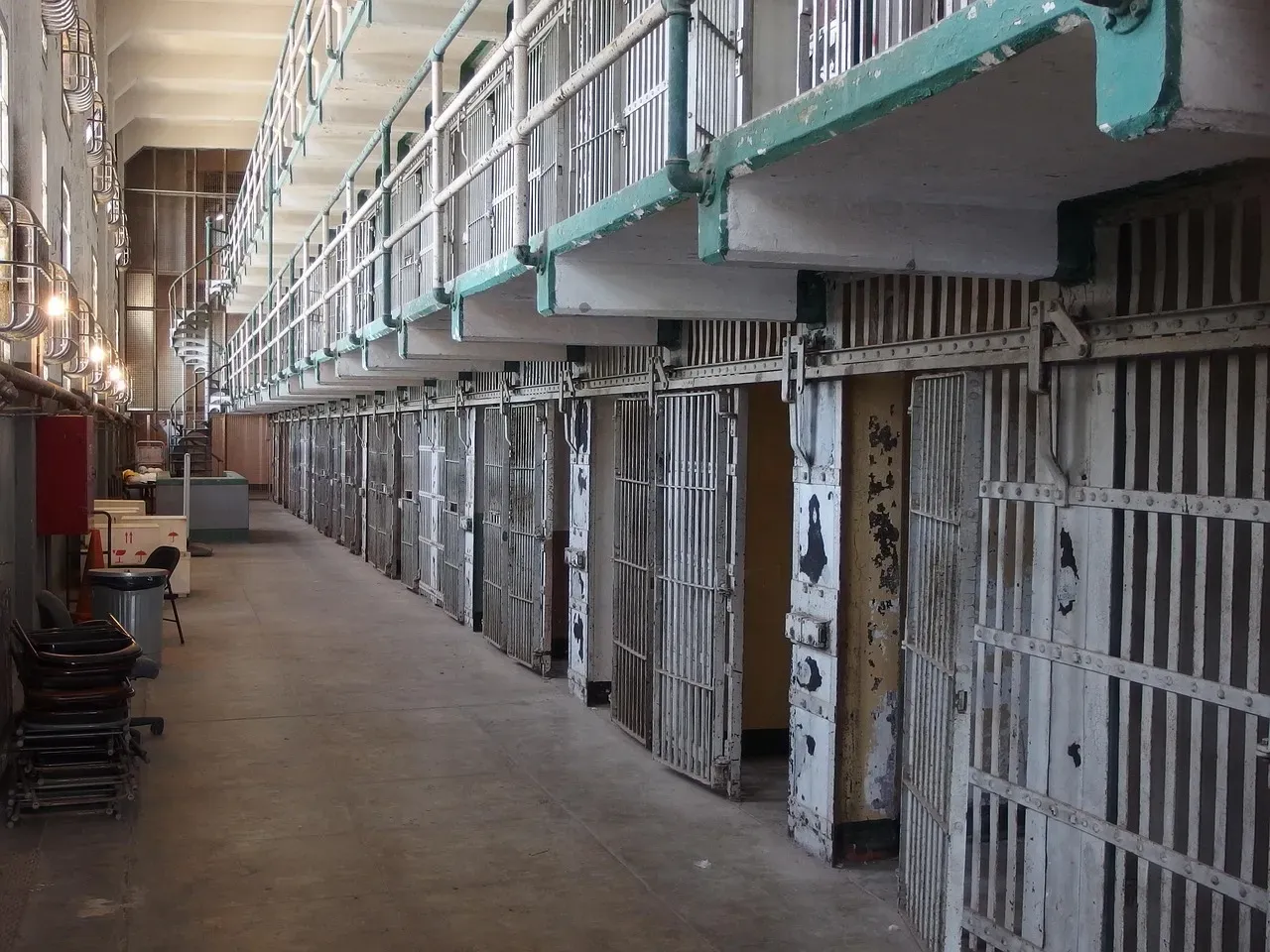
It’s almost hard to believe now, given its reputation as one of the most beloved films ever made, but The Shawshank Redemption’s initial box office run earned the film only $16 million against a $25 million budget. The competition that autumn was brutal. Pulp Fiction had already won the Palme d’Or, Forrest Gump was dominating theaters, and a quiet prison drama with an awkward title simply got lost in the shuffle.
Warner Bros. saw an opening anyway. The studio made the bold decision to distribute 320,000 VHS rental copies of the movie, which seemed like a gross overshoot at the time given its lack of commercial popularity. The gamble paid off in a big way, as the film went to No. 1 on Billboard’s Top Video Rental charts, and when TNT began airing it regularly starting in 1997, its fate as a staple of home viewing was sealed. By some estimates, it eventually pulled in approximately $100 million via home media sales and television licensing, numbers the theatrical run never came close to touching.
Office Space (1999)

Mike Judge’s cubicle comedy is proof that a movie can flop hard and still change the culture around it. Upon release, Office Space was actually a box office flop, making only $12.2 million against a $10 million budget. The studio pulled it from wide distribution almost immediately, and by most accounts nobody at Fox expected a second act.
Then something unusual happened. The film hit DVD in 1999, but it wasn’t until Comedy Central started running it two years later that business began to pick up, with the channel airing it more than 30 times over the following two years. That constant exposure translated directly into sales, and VHS and DVD sales jumped, with over 2.5 million people feeling compelled to own it. Even the head of Fox’s home video division was reportedly caught off guard, only realizing the scale of the film’s success when a journalist asked him to check the numbers, as noted in an interview where he wasn’t even aware of how well it was performing until asked, then looked up the figures online and was astounded.
Donnie Darko (2001)

Few films illustrate the gap between theatrical failure and home video redemption quite like Donnie Darko. Richard Kelly’s time travel drama, starring a young Jake Gyllenhaal, barely made a dent in theaters, grossing a measly $517,735 in America against a production budget of six million dollars. Timing didn’t help either. The marketing leaned on imagery of a plane crashing into a house, which felt entirely wrong just weeks after the September 11 attacks that same year, as pointed out in coverage noting the film’s intended advertising material included a crashing plane, something that would have been considered appropriate since the attacks had occurred the same year.
Word of mouth did what marketing couldn’t. The movie grew in popularity through word of mouth due to strong DVD sales and regular midnight screenings across the United States. That momentum eventually justified a 2004 director’s cut, and the DVD went on to become a best-seller on Amazon.com with sales reaching $10 million, dwarfing what the film had ever managed on the big screen.
The Big Lebowski (1998)

The Coen brothers’ shaggy dog mystery didn’t bomb outright, but it certainly underwhelmed. On a budget of $15 million, The Big Lebowski grossed only $18 million in the United States and $46.7 million worldwide. Reviews at the time were mixed at best, with several major critics dismissing the film’s rambling plot and laid-back tone as more irritating than charming.
Time was kind to the Dude in ways theaters never were. Home media sales eventually caught up to and arguably surpassed the theatrical haul, since the film’s home media sales almost total its box office success, with DVD sales alone having made more than the film made domestically in cinemas. The film’s afterlife extended well beyond disc sales too, spawning an entire subculture, evidenced by the fact that the comedy has spawned its own religion, known as Dudeism, which boasts over 600,000 ordained priests worldwide.