Hollywood has remade almost everything at some point. Yet a handful of older films keep getting described, by directors and critics alike, as practically untouchable.
The reasons vary. Some depended on a studio system that no longer exists, others on technology or on one filmmaker’s stubborn vision. Here are seven classics that show why a modern remake would be such a hard sell.
Psycho (1960)
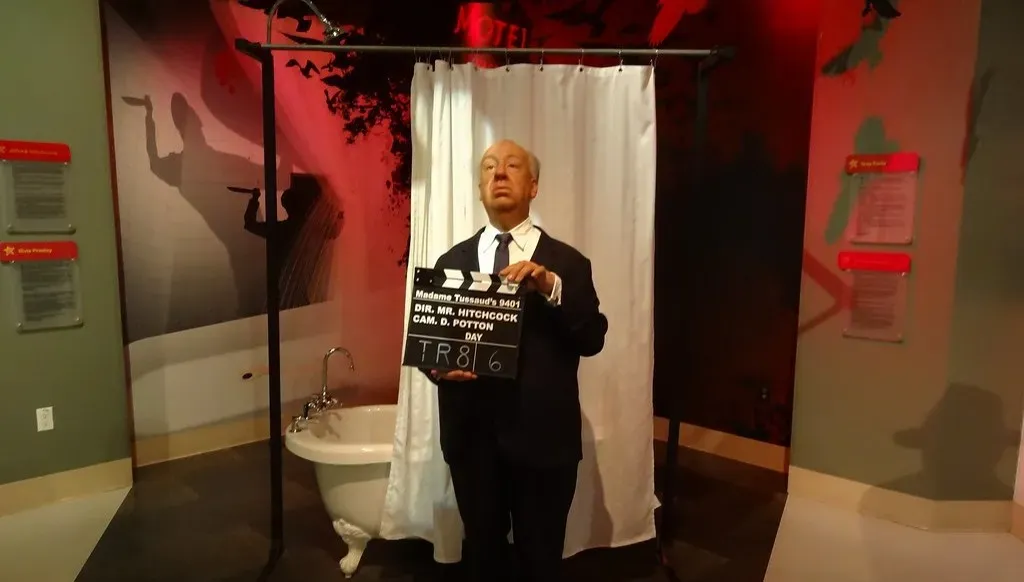
Alfred Hitchcock’s thriller already has a remake, and that’s the problem. In 1998, Gus Van Sant recreated it almost shot for shot, with Vince Vaughn and Anne Heche leading the cast. The result was widely panned and earned far less at the box office than its budget.
The experiment taught filmmakers something useful. Hitchcock’s film works because of its timing, its editing and its shock of a story turn, none of which survive when copied mechanically. Anyone trying again today would face a public that already knows the twists.
Citizen Kane (1941)
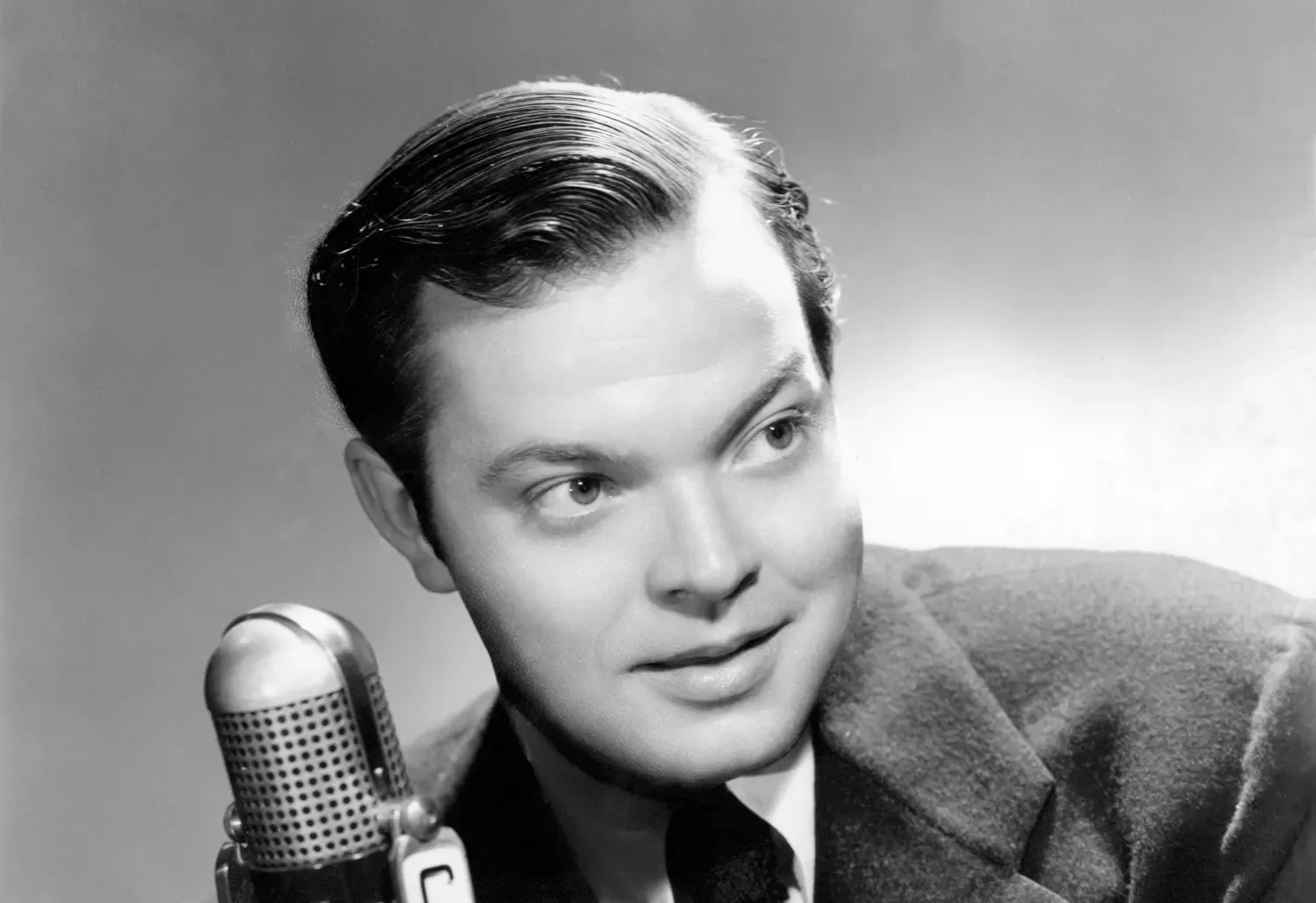
Orson Welles was only in his mid twenties when he directed, co-wrote and starred in this film. Cinematographer Gregg Toland helped popularize deep focus, which keeps foreground and background sharp in the same frame. Those choices became textbook material for generations of directors.
A remake would invite instant comparison with one of the most studied films in history. It would also lack the novelty that made the original feel radical. Even David Fincher’s 2020 film Mank chose to dramatize how Kane was written instead of retelling it.
Lawrence of Arabia (1962)
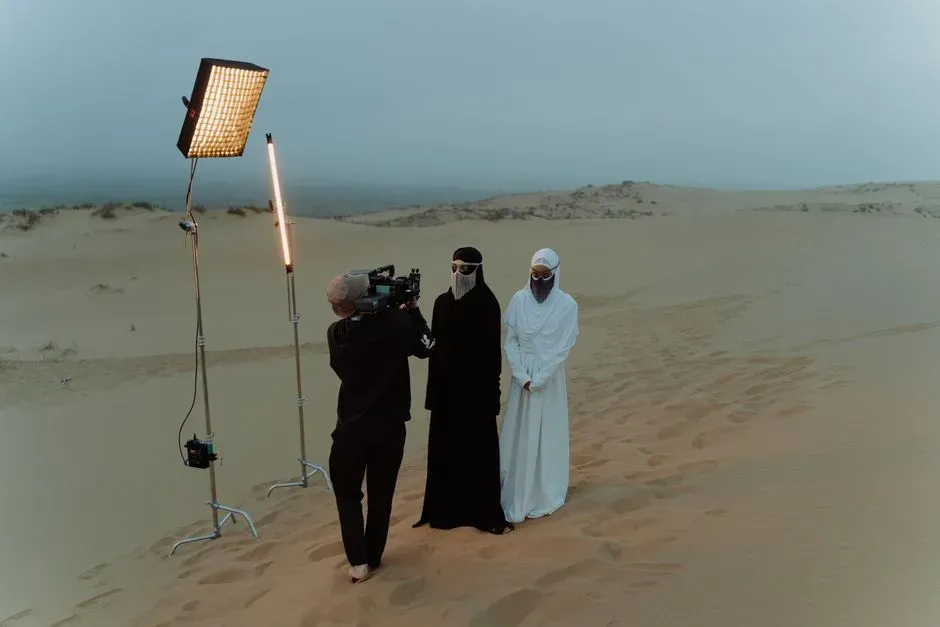
David Lean’s epic was filmed on 70mm in real deserts, with large casts and crews working in punishing heat. It won seven Academy Awards, and its scale has been a benchmark for directors ever since. Many of them cite it as the kind of cinema that can’t easily be faked.
Today, a production like that would face huge costs, tight insurance rules and pressure to lean on digital backdrops. That might save money, but it would change the feel of the images. The vast, almost physical emptiness of Lean’s landscapes is exactly what would be lost.
Partner offer
2001: A Space Odyssey (1968)
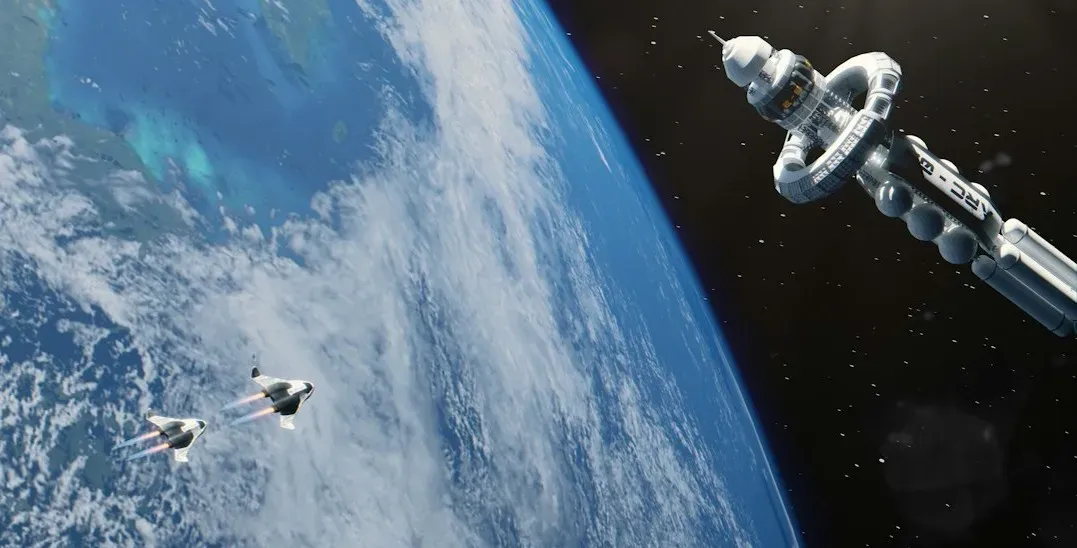
Stanley Kubrick built much of this film’s spaceflight imagery with practical models, front projection and elaborate sets. The famously sparse dialogue and slow pacing also ran against ordinary studio habits of the time. Christopher Nolan helped champion a restored 70mm release in 2018, which reminded audiences how much of its power is visual.
A modern version would likely be pushed toward faster pacing and explanatory dialogue. That could erase the ambiguity that keeps people debating the ending decades later. Kubrick’s control over the production is also something few studios would allow now.
Jaws (1975)
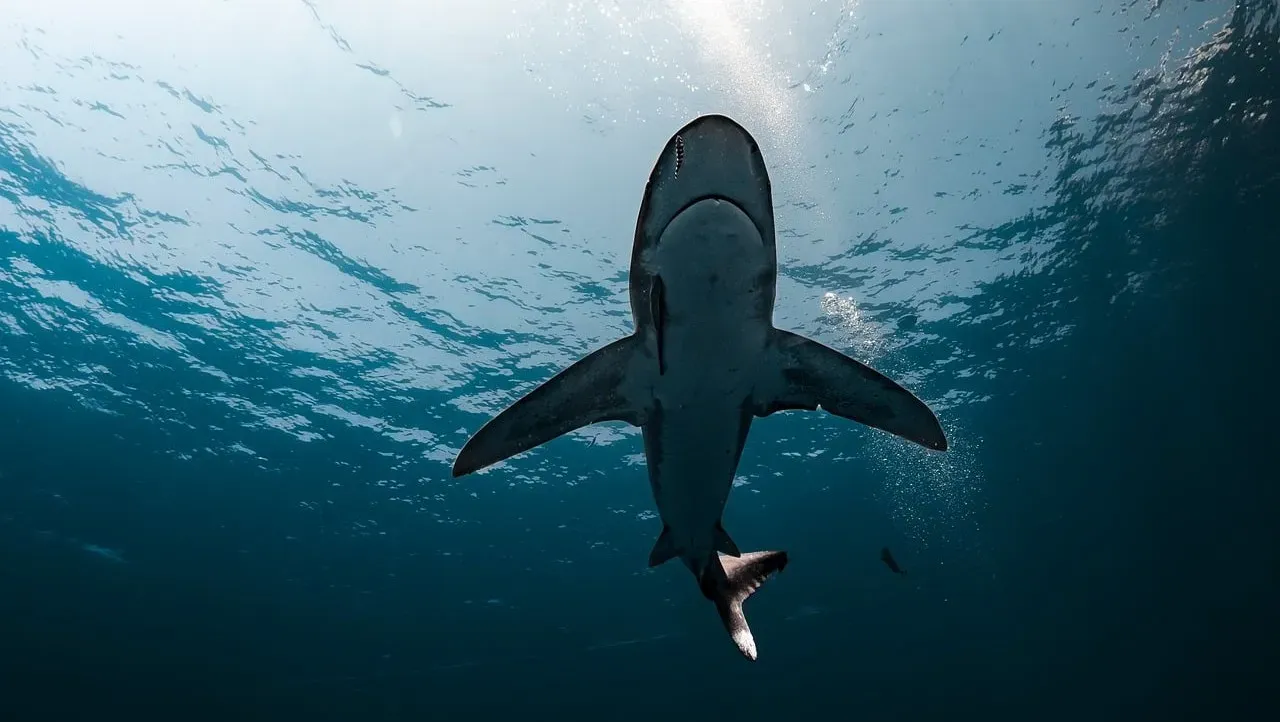
Steven Spielberg’s thriller was troubled from the start. The mechanical shark malfunctioned in salt water during filming off Martha’s Vineyard, which forced him to suggest the animal more than show it. That limitation became the film’s greatest strength, building tension through music and implication.
Spielberg has publicly said he would not want to see it remade. Today’s computer generated shark could look flawless, yet flawless might be the wrong goal. The original’s suspense came from what the crew couldn’t do, a happy accident that can’t be planned.
Casablanca (1942)
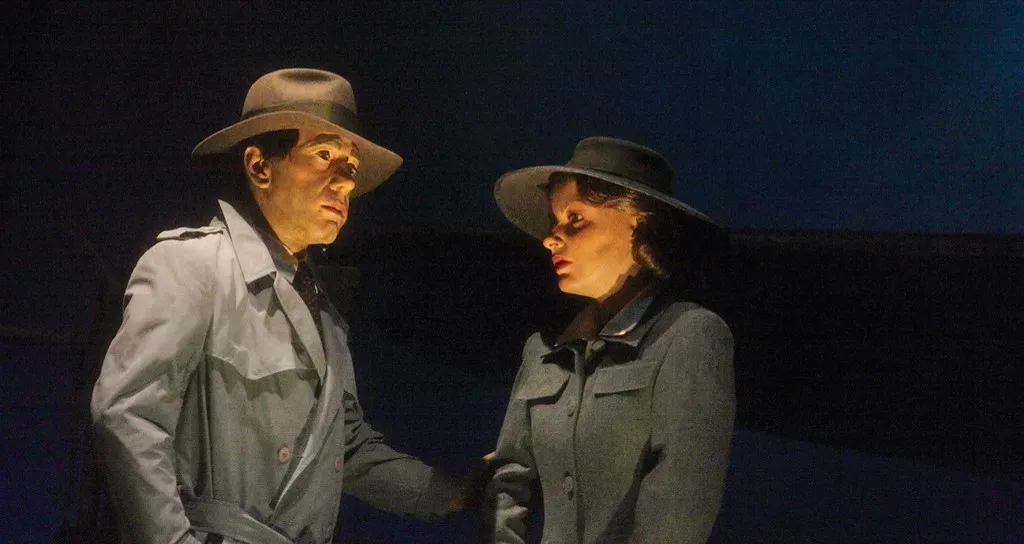
This wartime romance came from the old Hollywood studio system, where contract actors, in-house writers and sets on a soundstage shaped everything. The script was reportedly revised during production, and the film still became a model of tight storytelling. Humphrey Bogart and Ingrid Bergman carried it with a chemistry that studios still try to chase.
Its setting, tied to the early days of World War II, gave the story urgency that is hard to transplant. A new version would have to either copy the period or reinvent it, and either route risks feeling hollow. Few stars today would invite the comparison willingly.
Seven Samurai (1954)
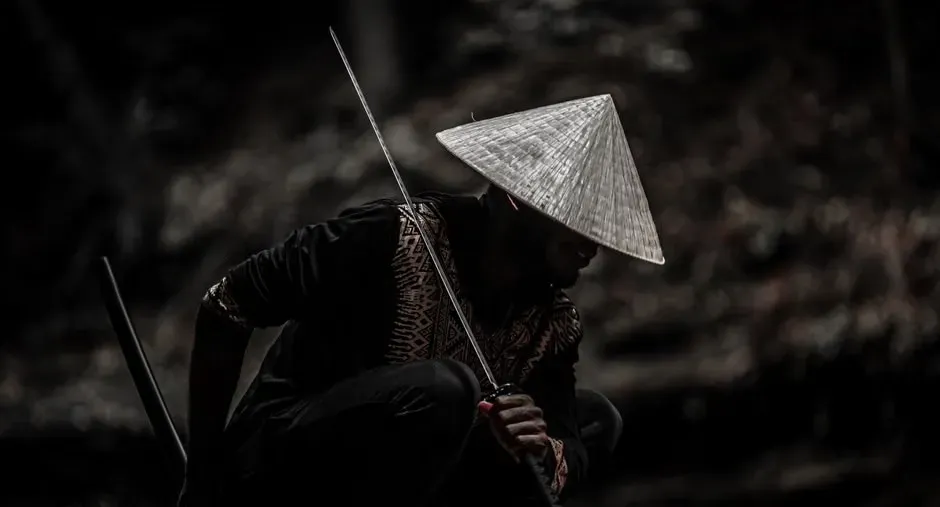
Akira Kurosawa’s epic runs well over three hours and was made with a sprawling production in postwar Japan. Its structure, with a team assembled for a mission, influenced countless later films. The Magnificent Seven borrowed the framework in 1960 and again in 2016, but both are Westerns that reinterpret it rather than replace it.
That history is telling. Filmmakers have drawn from Kurosawa’s film for decades, yet no one has truly matched its blend of character, action and rain soaked battle. A direct remake would have to compete with a film whose influence is already everywhere.
Partner offer
Planning a trip to Vegas?
Compare hotel rates and show tickets on VEGAS.com.