Few single years in popular music were as crowded with lasting records as 1971. Soul, rock, folk and funk all produced landmark albums within months of each other, and many of them still turn up on critics’ lists and in streaming playlists today.
This gallery looks at ten of them, starting with Marvin Gaye. Each entry covers when the album arrived, how it was made and why people still talk about it.
Marvin Gaye, What’s Going On
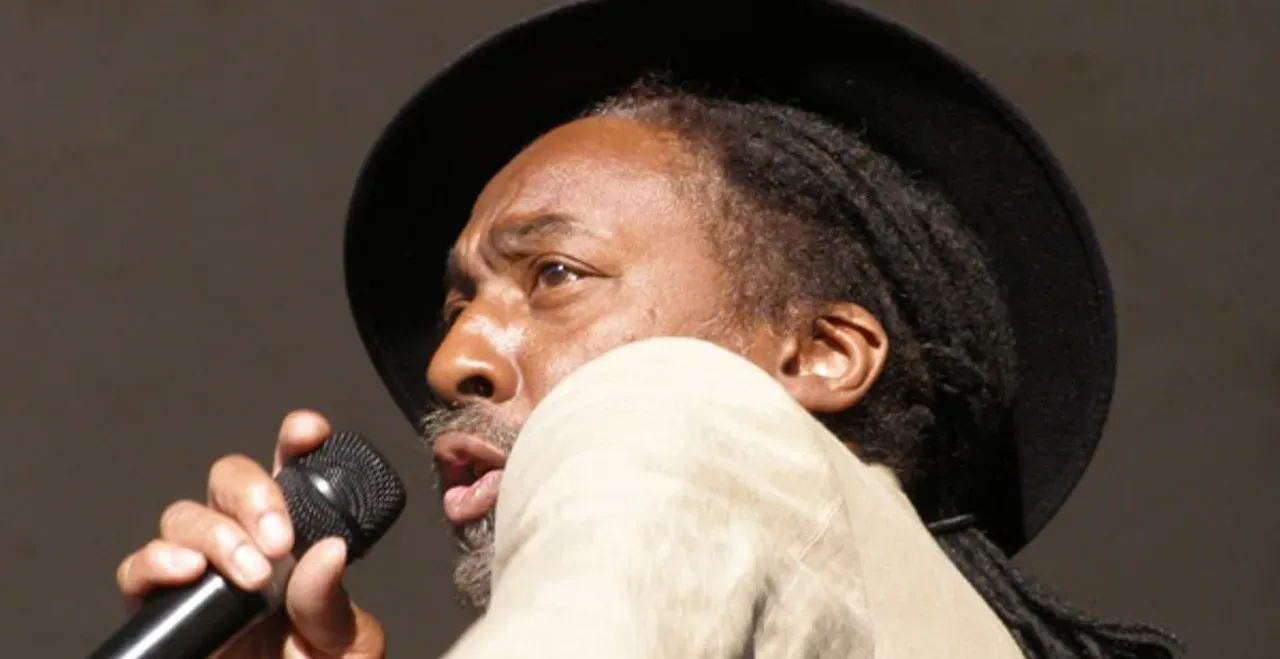
Released on May 21, 1971, on Motown’s Tamla label, What’s Going On was a concept album about war, poverty, faith and the environment. Gaye produced it himself, which was unusual at Motown then. The label’s founder, Berry Gordy, reportedly resisted the title single at first, though it sold strongly once released.
Session players from the Funk Brothers, Motown’s house band, gave the record its smooth, flowing sound. Songs blend into one another, so the album plays almost like one long piece. In Rolling Stone’s 2020 revision of its 500 Greatest Albums list, it was ranked first.
Led Zeppelin, Led Zeppelin IV
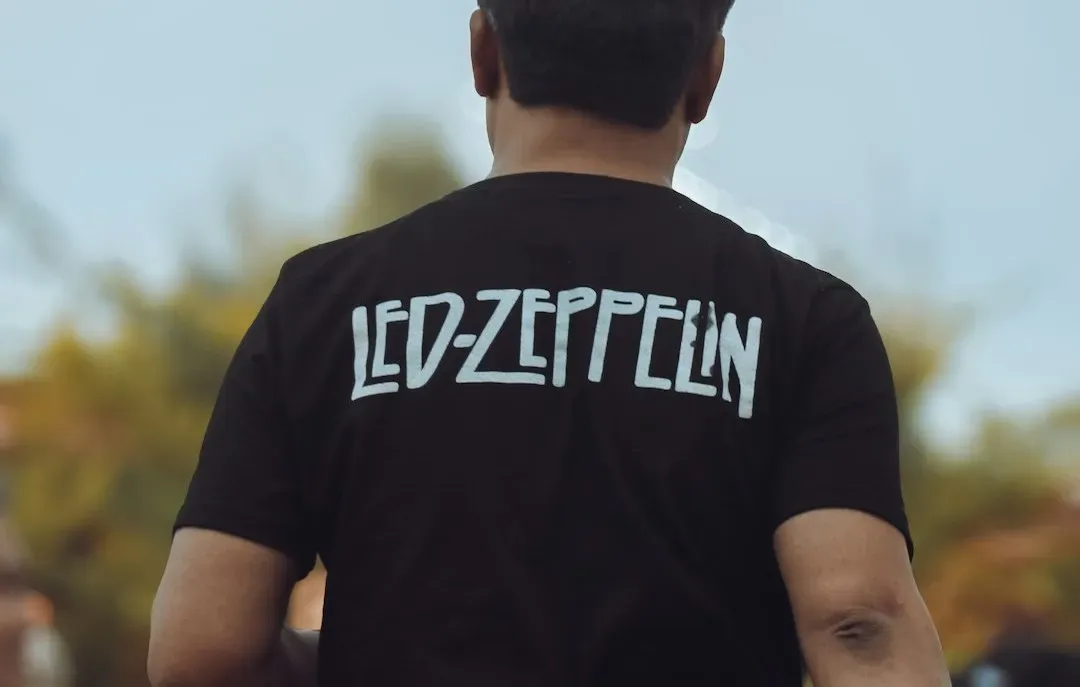
Atlantic issued the band’s fourth album in November 1971 with no title and no band name on the sleeve. Instead, each member was represented by a symbol. Parts of it were recorded at Headley Grange, a former workhouse in Hampshire, using the Rolling Stones Mobile Studio.
The record includes Black Dog, Rock and Roll and When the Levee Breaks, along with Stairway to Heaven. That last track was never released as a single in the United States, yet it became a staple of rock radio. The album is counted among the best selling in American history.
Joni Mitchell, Blue
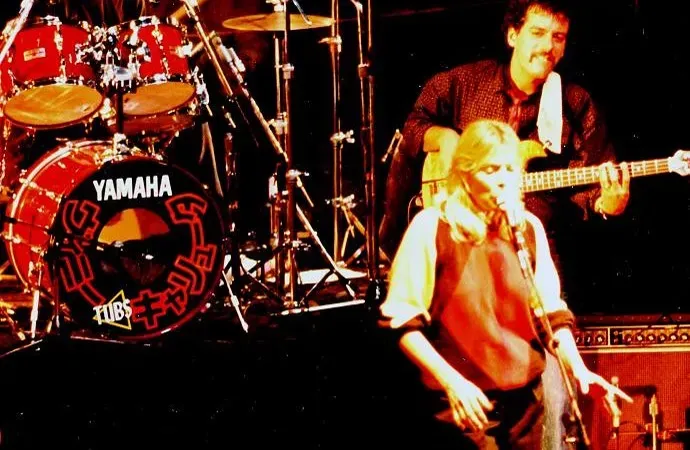
Mitchell’s fourth studio album came out on Reprise in June 1971. It is a quiet, confessional set built around piano, guitar and Appalachian dulcimer. Songs such as A Case of You and River have been covered by many artists over the decades.
The record’s open emotional honesty set it apart from much of the rock of its day. NPR’s listener and critic poll of albums by women placed it at the top. Its reputation has only grown since.
Sly and the Family Stone, There’s a Riot Goin’ On

After the bright optimism of the band’s earlier hits, this November 1971 release on Epic sounded murky and guarded. Sly Stone leaned on an early drum machine, the Maestro Rhythm King, and layered overdubs until the mix felt dense and hazy. Many fans were startled by the change in mood.
Even so, the album reached number one on the Billboard 200. Its single Family Affair also topped the Hot 100. Later funk, hip hop and R&B artists have often pointed to its sound as an influence.
The Who, Who’s Next
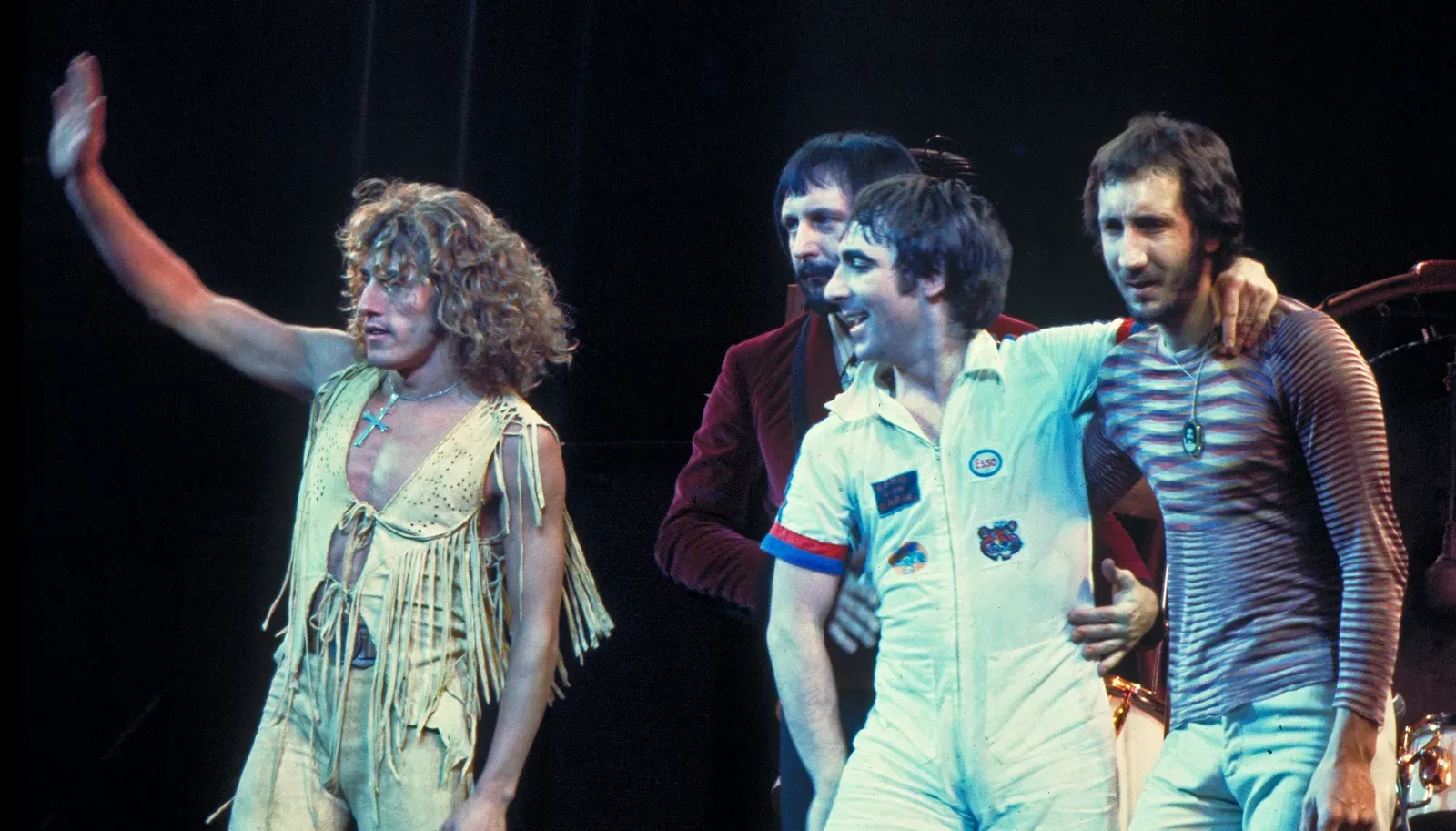
Released in August 1971, Who’s Next grew out of Pete Townshend’s abandoned Lifehouse project, a sprawling multimedia idea that never came together. The leftover songs were polished with producer Glyn Johns. Townshend also brought synthesizers into the band’s hard rock sound.
Two tracks became classics, Baba O’Riley and Won’t Get Fooled Again. Both rely on pulsing keyboard patterns that were fairly daring for a rock band then. The album reached number one in the UK.
Partner offer
Carole King, Tapestry

Carole King had spent years writing hits for other performers before Tapestry arrived on Ode Records in early 1971. Here she sang her own songs, including It’s Too Late and You’ve Got a Friend. The arrangements stayed simple and warm, with piano at the center.
The album spent fifteen weeks at number one on the Billboard 200. At the 1972 Grammy Awards it won four trophies, including Album of the Year. It remained on the chart for years afterward.
David Bowie, Hunky Dory
Bowie’s fourth album was released by RCA in December 1971, shortly before his Ziggy Stardust persona took over. It is a more playful, piano led record, with Rick Wakeman contributing keyboards. Its songs range from the reflective Changes to the theatrical Life on Mars?.
It sold modestly at first. Only after Bowie’s breakthrough in 1972 did listeners turn back to it in large numbers. Today it is widely regarded as the moment his songwriting fully came into focus.
The Rolling Stones, Sticky Fingers

Released on April 23, 1971, this was the first album on the band’s own label, Rolling Stones Records. The cover, designed with Andy Warhol, showed a close crop of denim with a working zipper. That physical detail caused real problems, since the metal could scratch the vinyl in storage.
Musically, the album pairs gritty rock with slower, bluesy moments. Brown Sugar opens it with a swaggering riff, while Wild Horses offers a gentler counterpoint. It reached number one in both the UK and the US.
Isaac Hayes, Shaft

Hayes composed and performed the soundtrack to the 1971 film Shaft, released through Stax’s Enterprise label. The score stretches across long, groove heavy instrumentals, with strings, wah wah guitar and hi hat patterns that became instantly recognizable. A double album, it treated film music as a full musical statement.
The Theme from Shaft won the Academy Award for Best Original Song at the 1972 ceremony. Hayes also earned Grammy recognition for his work. The theme remains one of the best known pieces of film music from its era.
John Lennon, Imagine

Lennon’s second solo studio album arrived in the US in September 1971, with the UK release following in October. He produced it with Yoko Ono and Phil Spector, recording largely at his home studio at Tittenhurst Park, with extra sessions in New York. George Harrison played guitar on several tracks.
The title song became his best known solo work, while Jealous Guy and Gimme Some Truth showed the range of his writing. The record topped charts in the US and UK. Its piano ballad title track is still performed and quoted around the world.
Final Thoughts
Ten albums, released within the same twelve months, covered protest soul, hard rock, folk confession, funk, film scoring and glam era songwriting. Each one is still in print and still widely heard today.
Together they show how varied 1971 was, and why it keeps drawing listeners back.
Partner offer
Planning a trip to Vegas?
Compare hotel rates and show tickets on VEGAS.com.