


Stepping into a music festival for the first time can feel like diving into another world entirely. The energy is electric, the crowds are massive, and somewhere between the thumping bass and the scent of food trucks, you might wonder if you’re truly prepared. Planning ahead makes all the difference between an exhausting ordeal and an unforgettable experience. Let’s dive in.
Understanding the Festival Landscape and What to Expect


Live Nation reported in 2024 that global music festival attendance rebounded strongly post-pandemic, with crowds bigger and more enthusiastic than ever. This means you’re joining thousands of fellow music lovers in spaces designed for collective joy. Festivals aren’t just concerts, they’re full-day events where you’ll be walking miles between stages, standing in lines, and soaking up sun or dancing in mud depending on the weather. The vibe is communal, almost tribal, where strangers become friends over shared love for a particular song or artist.
Getting Your Packing Right Without Overdoing It

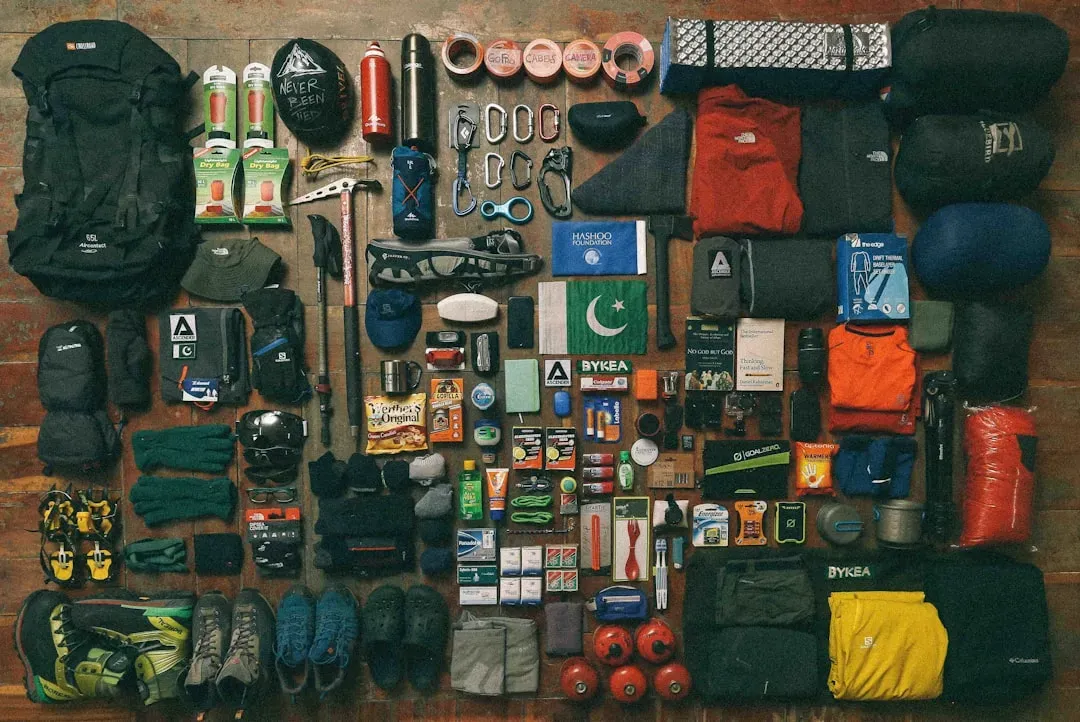
Staying hydrated is crucial at any festival, and bringing an empty reusable water bottle is typically allowed for refilling at stations. Sunscreen is vital for outdoor festivals, applying SPF 30 or higher at least 15 minutes before heading out and reapplying every two hours. Portable chargers keep your phone alive when you need it most, especially since you’ll likely be snapping photos and checking schedules all day. Concert earplugs provide premier sound protection while still letting you enjoy the music clearly, something your future self will thank you for when the ringing stops.
Navigating Health and Safety Like a Pro

Medical experts recommend hydrating with electrolytes and limiting alcohol consumption, combined with sun protection to reduce heat-related illness. The CDC continues to warn that dehydration and heat exhaustion are the most common medical issues at outdoor festivals, especially during scorching summer events where you’re exposed for hours. Honestly, it’s easy to get caught up in the excitement and forget basic self care, but taking breaks in shaded areas and eating regular meals keeps your energy up. Upon arrival, locate essential areas like first-aid tents, security posts, and exit points to react quickly if something goes wrong.
Mastering the Art of Festival Fashion and Comfort


Wearing comfortable shoes is probably one of the best things you can do for yourself, letting you stay in crowds belting out lyrics rather than searching for places to rest your feet. Even boutique festivals can be spread out, and you’ll definitely reach 10,000 steps as you move from stage to stage. Your outfit might look incredible for photos, but if it causes blisters or overheating, the entire experience suffers. Think layers too, because temperatures can drop dramatically once the sun sets and you’re still out there for the headliner.
Planning Your Schedule and Setting Realistic Expectations

Multiple stages mean clashes are inevitable, and rushing from stage to stage without staying still prevents you from truly losing yourself in the music. It’s better to focus on a handful of acts you genuinely love rather than trying to catch every single performance. Last minute cancellations happen, and treating festivals as full experiences rather than single-artist concerts helps you embrace unexpected changes. Set a meeting point with your group ahead of time since cell service often fails in crowded festival grounds.
Staying Connected and Safe in the Crowd

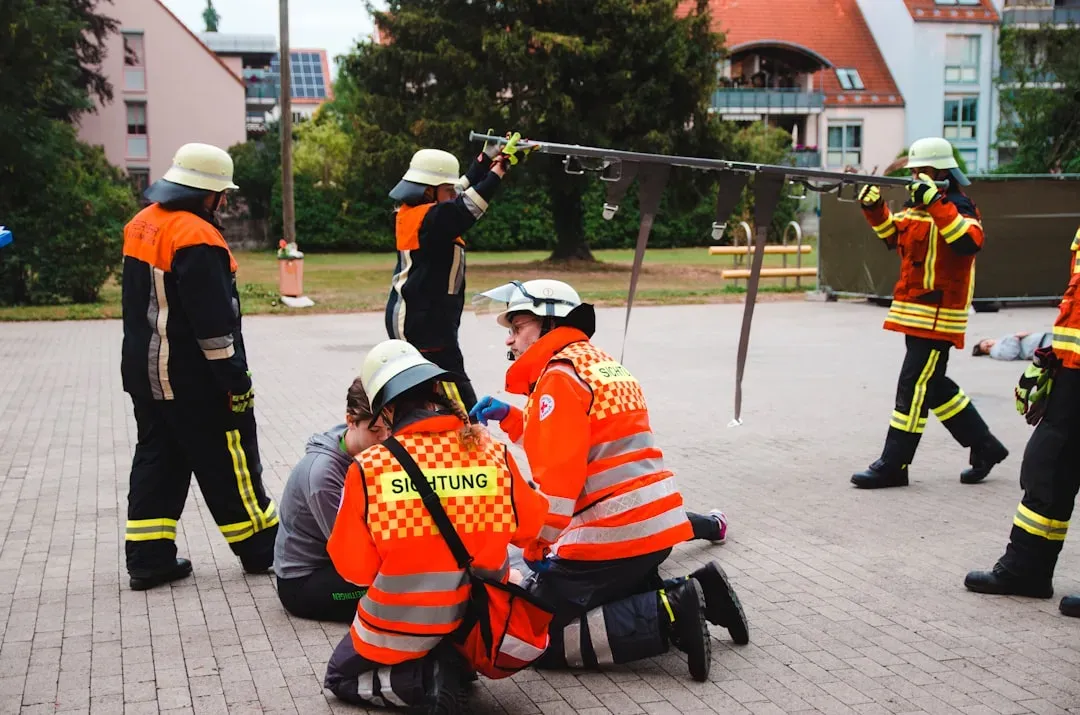
Major festivals now follow standardized bag policies and security screening practices, modeled after international event safety guidance to protect attendees. Medical experts advise maintaining situational awareness and avoiding deep crowds near stages as part of personal safety protocols. Always look out for friends and fellow attendees, and never accept drinks or substances from strangers due to difficult security monitoring in large crowds. Creating a WhatsApp group with your crew and establishing check-in times throughout the day keeps everyone accountable and connected when phones might not cooperate.


