Most people assume teachers only worry about test scores and lesson plans. The reality is much more layered. Day after day, educators notice things students do that don’t fit into any grade book, things that flash quietly in the background of a classroom and stay with a teacher long after the bell rings. The list below isn’t about dramatic disruptions. It’s about the subtle, often overlooked behaviors that veteran educators recognize as signals worth paying close attention to – sometimes urgently so.
1. Suddenly Going Quiet After Being Engaged

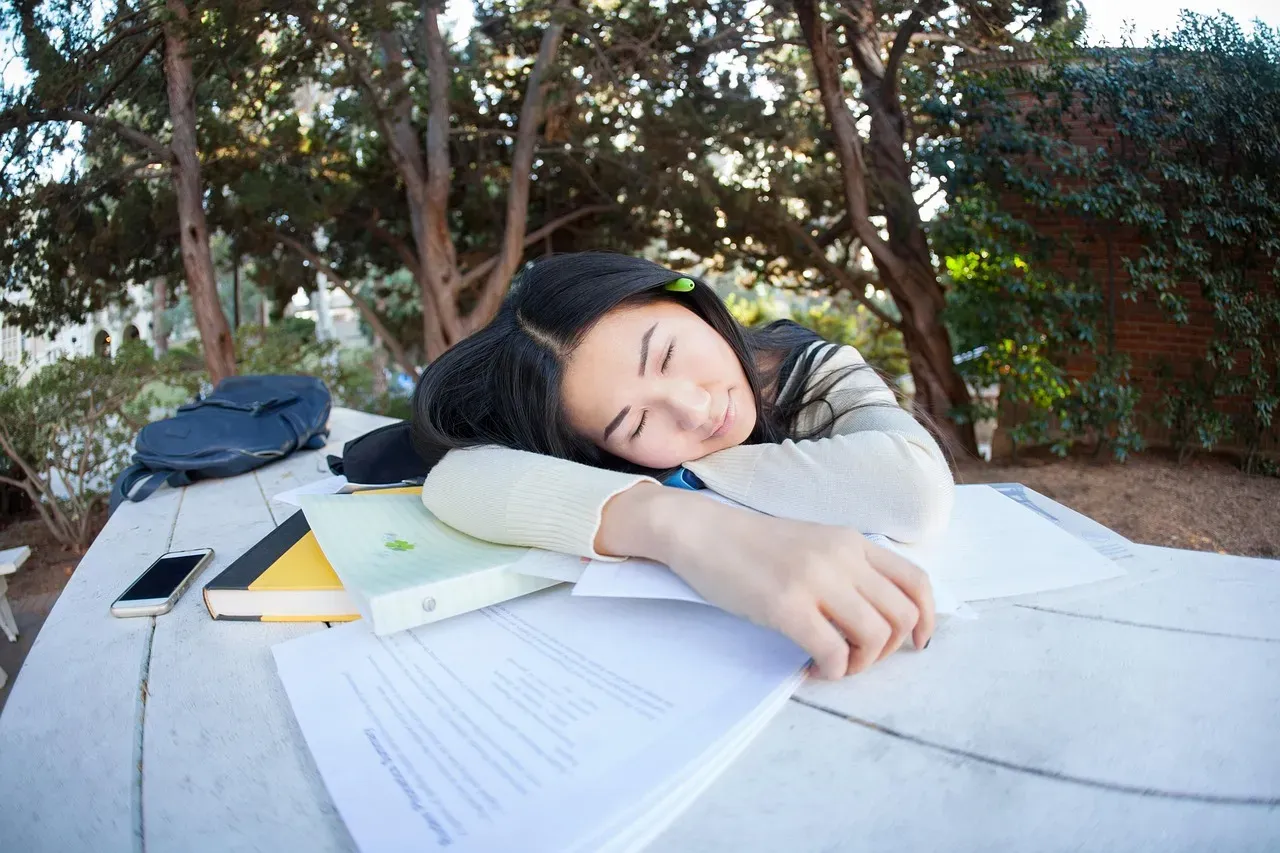
A student who was once talkative and participatory and then stops raising their hand, stops making eye contact, and starts staring at the desk is one of the first things a seasoned teacher notices. The shift is rarely loud. It creeps in over days, sometimes a week, before it becomes undeniable.
School is often where the first signs of emotional or behavioral struggles show up, and because students spend so much of their time there, educators are in a unique position to notice subtle shifts that might not be visible at home. Experienced educators stress the importance of noticing patterns rather than one-off incidents – if a change lasts more than a few days and starts to affect learning or relationships, it warrants a closer look.
2. Unexplained and Increasing Absences

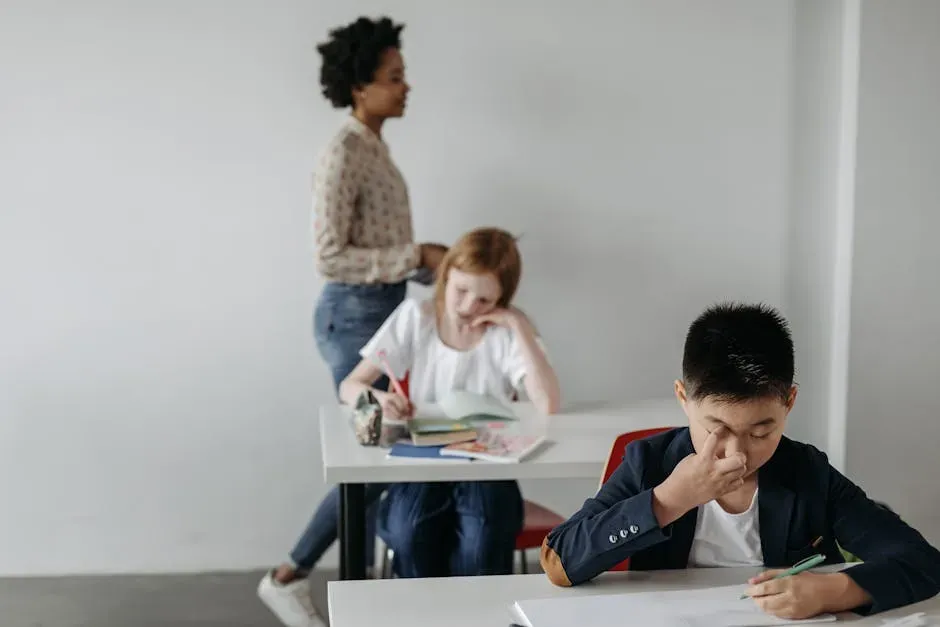
Occasional sick days are normal. A pattern of absences that builds steadily, with vague or shifting explanations, is something different entirely. Teachers often track this shift before parents do, and the data backs up how serious it can become.
In the 2023-2024 school year, nearly 15 million students were chronically absent, with high school students particularly affected – roughly a third failed to maintain regular attendance. Regular absences or consistent tardiness can be signs of avoidance tied to anxiety, family issues, or disengagement with school, and the key is to approach these students to understand the root cause without making them feel targeted. Research suggests that children who are chronically absent for multiple years between preschool and second grade are much less likely to read at grade level by third grade, and chronic absence has been shown to make students four times more likely not to graduate from high school.
3. A Sudden or Steady Drop in Academic Performance

A grade slipping here and there is expected. When a student who consistently performed well begins turning in incomplete work, missing assignments, or scoring significantly lower over several weeks, teachers read it as a signal – not laziness.
A noticeable drop in grades or a loss of interest in schoolwork can be one of the first signs of distress in a student, and while occasional fluctuations are normal, a consistent decline might indicate problems such as learning difficulties, emotional stress, or issues at home. The longer students go without support, the harder it becomes to close the gap, since academic struggles, behavioral challenges, and absenteeism often start with emotional distress that was never addressed.
4. Using AI to Complete Every Assignment Without Any Real Engagement

This one has moved quickly to the top of educator concerns. It’s not just about academic honesty – it’s about what teachers observe when a student can produce a polished essay but can’t hold a basic conversation about what they supposedly wrote. Something in that disconnect feels alarming, and educators across the country are saying so.
An overwhelming percentage of educators fear that students’ increasing reliance on generative artificial intelligence tools to complete assignments will hinder their critical thinking skills and make them dependent on the technology for basic tasks. Survey data from the College Board found that nearly nine in ten principals worry AI use could make students dependent on technology for basic tasks, a similar proportion believe it could make it less likely students will develop critical thinking skills, and more than four in five worry that AI use could prevent students from engaging deeply with course material.
5. Withdrawing from Peers and Social Situations

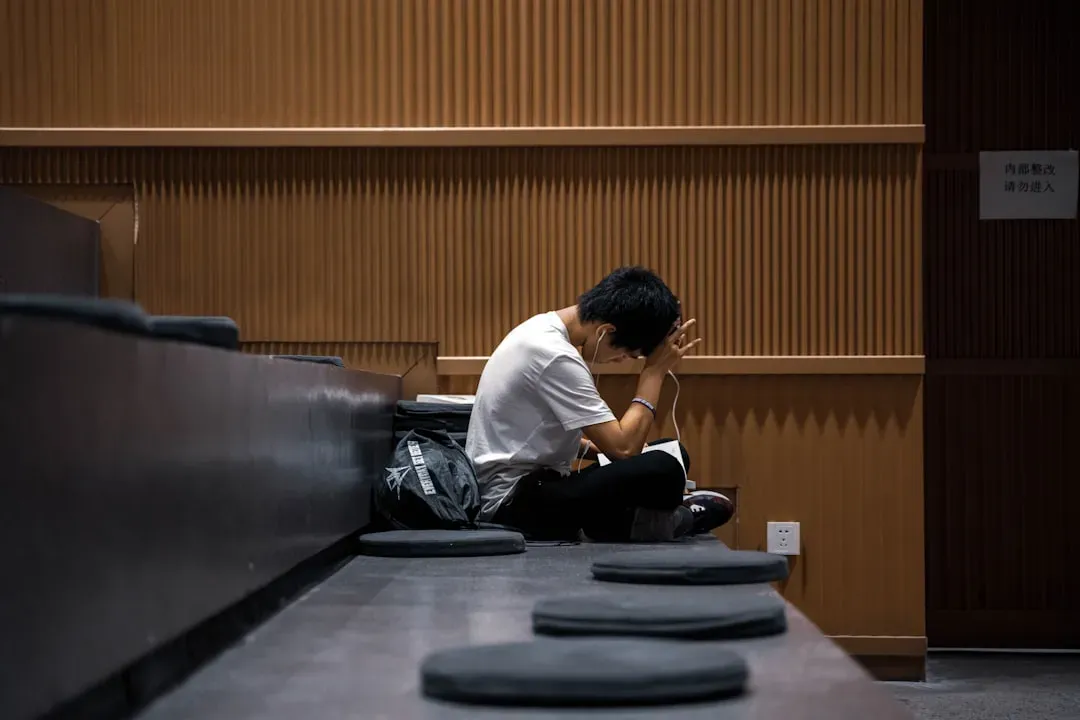
Lunch alone occasionally isn’t a concern. Eating alone every day, avoiding group work, shrinking away from hallway conversation with friends they used to joke around with – that’s a different picture. Social withdrawal is one of the quieter signals, and it’s one educators take seriously.
Partner offer

Students who suddenly withdraw from peers or social activities may be experiencing bullying, depression, or anxiety. When a child becomes socially detached from peers, it’s hard to know what the student may be thinking or processing internally. Since almost half of all lifelong mental health conditions begin by age 14, identifying warning signs early is crucial – and spotting mental health concerns isn’t always about dramatic behavioral outbursts, since often the most significant red flags are subtle shifts that happen gradually over time.
6. Volatile Mood Changes That Seem Out of Proportion
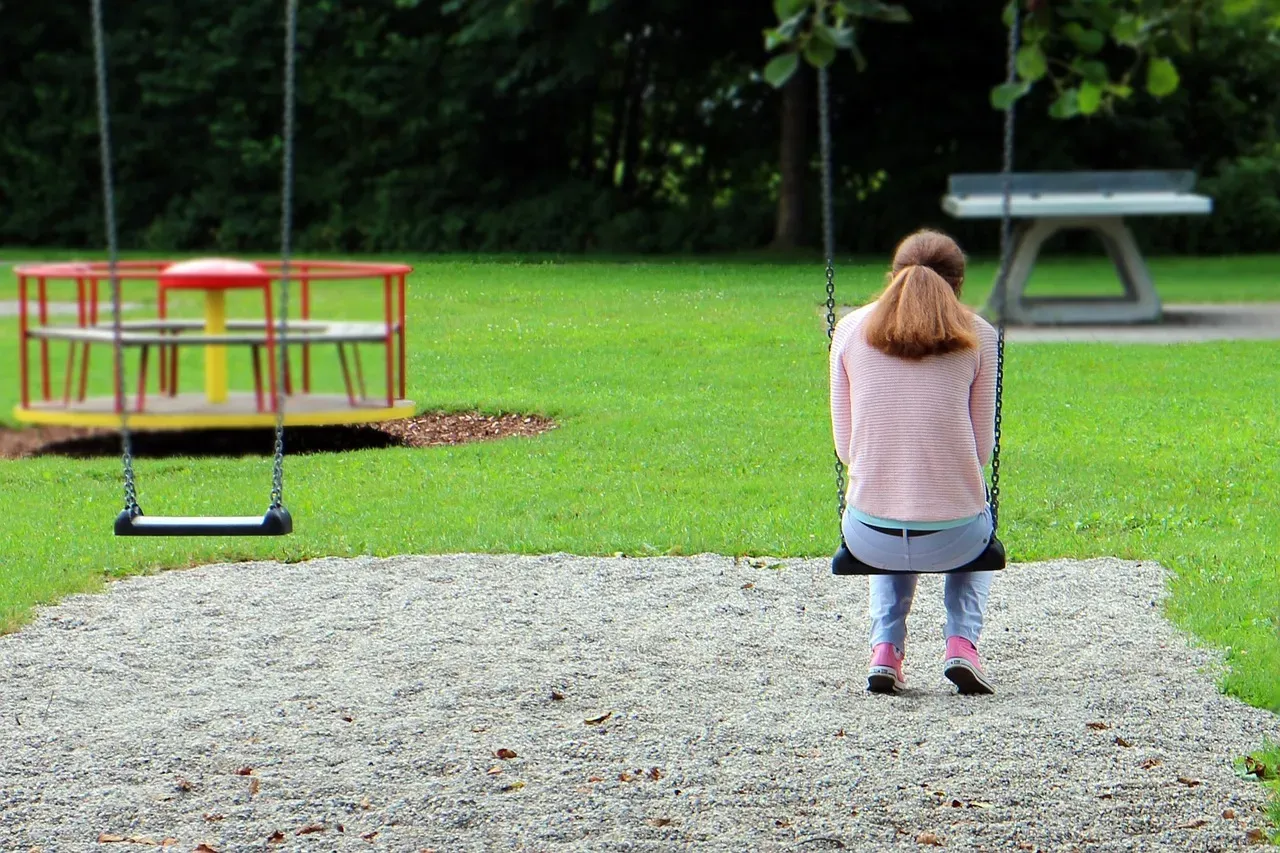
Every student has bad days. Teachers are not alarmed by a short temper on a Monday morning or frustration before a big test. What genuinely concerns educators is when mood swings become a pattern – when a student cycles between elation and anger unpredictably, or reacts with disproportionate intensity to minor situations.
Sudden mood swings, increased irritability, or behavior that deviates from what’s normal for a particular student can be significant indicators, and such changes might stem from various sources including stress at home, substance use, or mental health issues. A 2024 survey by NEA Rhode Island found that nearly three quarters of members said students are acting out and misbehaving, and four in ten reported that students are becoming more violent toward staff and peers – with educators noting that behavioral outbursts have grown more serious in recent years.
7. Writing or Drawing That Contains Dark or Disturbing Themes

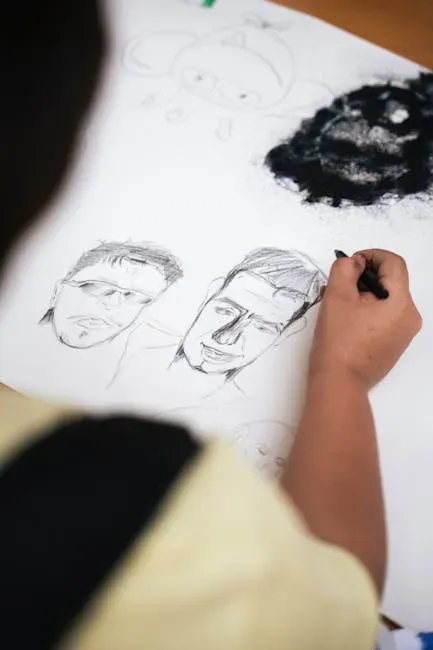
Creative writing assignments and art projects offer teachers a genuine window into a student’s inner life. Most of the time, dark themes are just part of adolescent expression. When those themes become specific, repetitive, or start reflecting hopelessness or references to harm, teachers are trained to pay close attention.
Any verbal hints or written expressions that suggest thoughts of self-harm, hopelessness, or worthlessness should be taken very seriously, as these are alarming signs that require immediate attention and professional intervention. Nearly six in ten teens struggle with anxiety or depression, yet fewer than half of schools are able to provide adequate mental health services – a growing gap that places teachers increasingly in the role of first responder when students are in crisis. Teachers are often the first to notice when something is wrong, but they are not mental health professionals, and without dedicated mental health staff in the building, students may go unseen or unsupported.
8. Signs of Neglect or Distress in Physical Appearance

Teachers spend enough time with students to notice when something physical shifts. A student who starts showing up in dirty or weather-inappropriate clothing for weeks on end, who appears consistently exhausted beyond normal teenage tiredness, or who seems frequently hungry raises concern. These observations don’t lead to assumptions – they lead to careful, quiet attention.
Unexplained bruises, frequent hunger, or poor personal hygiene might be signs of abuse or neglect, and such observations need to be addressed following the school’s protocol for reporting child protection concerns. Constant tiredness that impacts learning or participation is among the key behavioral signals educators are trained to watch for. Research has shown that educators are often the first to identify that their students need help and further support, which points to a clear need to equip both new and experienced teachers to properly respond to student needs.
What ties all eight of these behaviors together is something teachers understand intuitively: none of them exist in isolation. A single absent day, a quiet afternoon, or a dark poem doesn’t mean much. It’s the pattern, the accumulation, and the change from a student’s own baseline that registers as a quiet alarm. In a 2024 RAND Corporation survey, nearly half of teachers cited student behavior as the top source of job-related stress, and a Pew Research study that same year found that eight in ten teachers reported having to address students’ behavioral problems at least a few times a week. Teachers aren’t overreacting when they notice these things. They’re doing exactly what they’re there to do.
Partner offer
Planning a trip to Vegas?
Compare hotel rates and show tickets on VEGAS.com.