Some of the most groundbreaking ideas in live music history never got a proper ending. They flamed out, flooded out, or simply ran out of money before the world caught up to what they were actually trying to do. It’s a strange kind of irony – the festivals that dared to think differently were often the ones that burned brightest and shortest.
What makes these stories so fascinating isn’t the collapse itself. It’s the gap between vision and execution, between what these events were trying to build and the world they were building it in. Music festivals were once on the cutting edge, events where the music and vibe felt fresh and unique. So let’s dig into the ones that pushed too far – or maybe just pushed too soon.
1. Lollapalooza’s Traveling Era (1991–1997): The Roaming Revolution That Ran Out of Road
Before Coachella made the desert pilgrimage feel sacred, there was a traveling circus of noise and ideas that crisscrossed North America every summer. Lollapalooza was conceived and created in 1991 as a farewell tour by Perry Farrell, singer of the group Jane’s Addiction. What started as a goodbye became a cultural movement nobody wanted to end.
Conceived as a farewell tour for Jane’s Addiction, the festival quickly became a traveling showcase for alt-rock and counterculture, with eclectic lineups that included punk, metal, and hip-hop acts, helping define a generation’s musical tastes. That genre-blending was radical for its time. You simply did not put Ice-T and Siouxsie and the Banshees on the same bill in 1991 and expect everyone to be fine with it. They were, though. Mostly.
The festival failed to find a suitable headliner in 1998 and therefore announced its cancellation – a signifier of alternative rock’s declining popularity. Upon its return in 1997, Farrell’s inclusion of electronic acts like Orbital and the Prodigy were, to some ears, ahead of the curve. The irony is almost painful. The festival that helped build the template for today’s multi-genre mega-events had the exact right idea at the exact wrong moment.
After losing money, the traveling festival went on hiatus after 1997 and, after a lukewarm post-millennium resurrection beginning in 2003, Lollapalooza seemed doomed. It eventually found new life as a fixed Chicago destination festival in 2005, proving the concept was solid – it just needed to stop moving.
2. Woodstock 1999: The Nostalgia Trap That Predicted Everything Wrong With Festivals
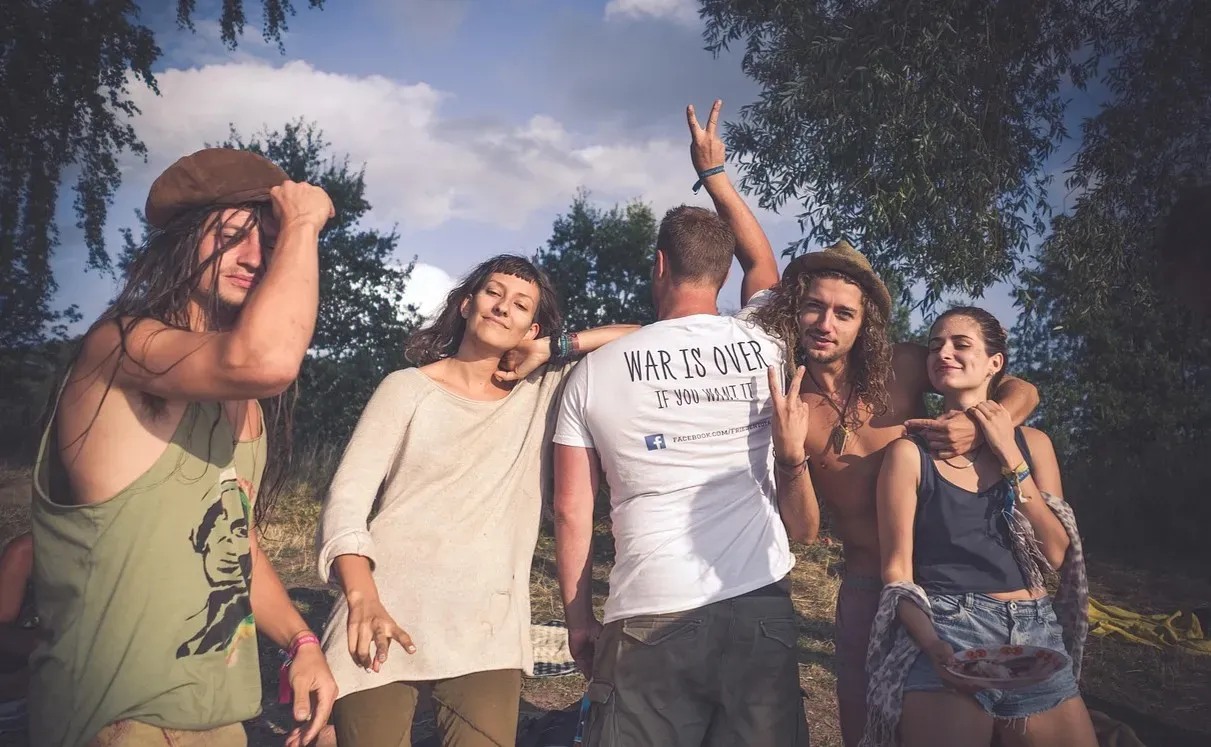
Woodstock 1999 stands as one of the most controversial music festivals in history, and yet its ambitions were strikingly forward-thinking. The event hoped to fuse the peace-and-love spirit of the original Woodstock with the booming popularity of late-90s alternative and nu-metal bands like Korn, Limp Bizkit, and Rage Against the Machine. On paper, that sounds brilliant. In practice, it was a disaster waiting for a spark.
Despite attracting over 400,000 attendees, the weekend was plagued by scorching heat, overpriced essentials, and a lack of basic facilities. Tensions erupted into riots, fires, and widespread destruction, forcing organizers to confront the challenges of reviving a legendary brand. The people running the event had the ambitious idea right – blending legacy with current energy – but catastrophically underestimated the logistics of housing nearly half a million people in summer heat.
Honestly, the mashup-festival concept that Woodstock 99 tried to build is everywhere now. Every major summer festival today blends nostalgia acts with current headliners. Despite its disastrous ending, Woodstock 99 was ahead of its time in blending throwback acts with current stars – a formula that many festivals copy today.
The lasting impact of Woodstock 1999 is seen in how future festivals carefully balance legacy and innovation, always mindful of the high expectations set by history. It is a cautionary tale as much as it is a blueprint – and one the industry is still studying closely.
3. TomorrowWorld (2013–2015): The Immersive Dream That Drowned in Georgia Mud
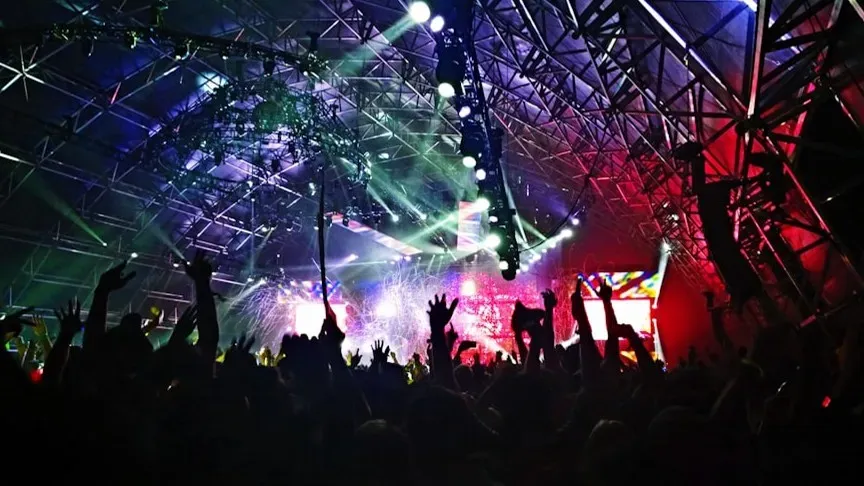
The festival launched its American spinoff, TomorrowWorld, in 2013 outside Atlanta, Georgia. For two years, it drew massive crowds from across the globe, billing itself as the future of EDM in the United States. The concept was genuinely stunning – fairy-tale stage designs, interactive art installations, and a camping village called DreamVille.
During its inaugural edition, over 140,000 people gathered at Chattahoochee Hills near Atlanta, Georgia, to listen to some of the world’s biggest EDM artists performing on eight different stages. An innovation employed in its second year was using only cashless transactions, done by the same radio-frequency identification wristbands that served as entry tickets. That cashless RFID wristband system is now considered standard practice at major festivals globally. TomorrowWorld was doing it in 2014.
In 2015, disaster struck. Severe storms turned the venue into a mud-soaked nightmare. Thousands of attendees were left stranded without transportation, food or shelter. The logistical breakdown forced organizers to restrict access on the final day of the event, and it ultimately led to the festival’s swift disappearance from the U.S. scene.
The festival did not return in 2016 due to the bankruptcy of SFX Entertainment and also the backlash event organizers received due to weather-related and logistical issues during the 2015 edition. Despite the abrupt ending, TomorrowWorld’s focus on immersive environments has influenced countless EDM and mainstream festivals, proving that the experience surrounding the music can be just as important as the lineup itself.
4. Fyre Festival (2017): The Influencer Marketing Pioneer That Became a Cautionary Legend
The Fyre Festival was supposed to be the ultimate luxury music getaway, promising sun-soaked beaches, gourmet food, and a lineup to die for. Let’s be real – almost nobody remembers what acts were supposed to perform. What people remember is the cheese sandwich. The disaster tent. The Instagram grid that looked like paradise.
What made it truly revolutionary was its use of influencer marketing – models and internet celebrities blanketed social media with glamorous previews, building hype before a single act was confirmed. This approach, fueled by Instagram and viral videos, was years ahead of its time, setting the blueprint for how future festivals and brands would harness the power of online personalities.
Naive attendees, who spent unimaginable amounts of money to attend, arrived to find that the luxury tent accommodations were nowhere to be seen, that the purportedly gourmet food options had been reduced to slices of white bread and American cheese, and that most of the performers did not even bother to attend. Nearly four years after the scandal, organizer McFarland pleaded guilty to wire fraud charges and was sentenced to six years in prison.
Yet, the Fyre Festival’s legacy lives on: today, influencer-driven promotion is the norm for major events, showing just how forward-thinking – if disastrously executed – this festival really was. The mechanism it used to generate hype is now an entire industry. Every major festival in 2026 uses a version of that exact playbook.
5. Altamont Free Concert (1969): The Free Festival That Rewrote Safety Rules Forever
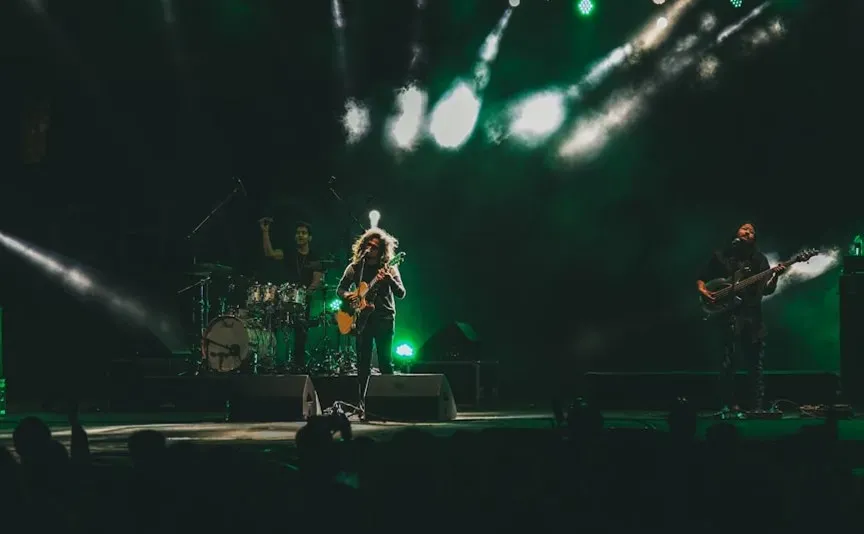
Free concerts at massive scale sound like a dream. In December 1969, the Rolling Stones attempted exactly that – a huge free festival at Altamont Speedway in California, featuring a lineup that included Jefferson Airplane, Crosby Stills Nash & Young, and the Stones themselves. The idea of a free, community-powered mega-event was visionary. The execution was catastrophic.
The concert became infamous for violence, especially the fatal stabbing of a fan by a member of the Hell’s Angels, who were hired as security. This shocking event shattered the idea that massive crowds and free-spirited gatherings could run smoothly without proper planning. It’s difficult to overstate how significant this moment was in the history of live music management.
Altamont exposed the dangers of poor security and crowd control, setting a precedent for the safety protocols seen at festivals today. The festival’s chaos made headlines worldwide and forced organizers everywhere to prioritize safety over spontaneity. Every safety briefing, every crowd-capacity limit, every professional security team hired at every festival since then owes something to Altamont’s terrible legacy.
The idea at the core of Altamont – free, massive, community-first music – is still something organizers chase. The difference is they now do it with real infrastructure behind it. Altamont’s story is a stark reminder of how quickly things can spiral out of control, forever changing the way music festivals approach risk and responsibility.
6. Vegoose (2005–2007): The Halloween Festival That Costume Parties Are Still Copying
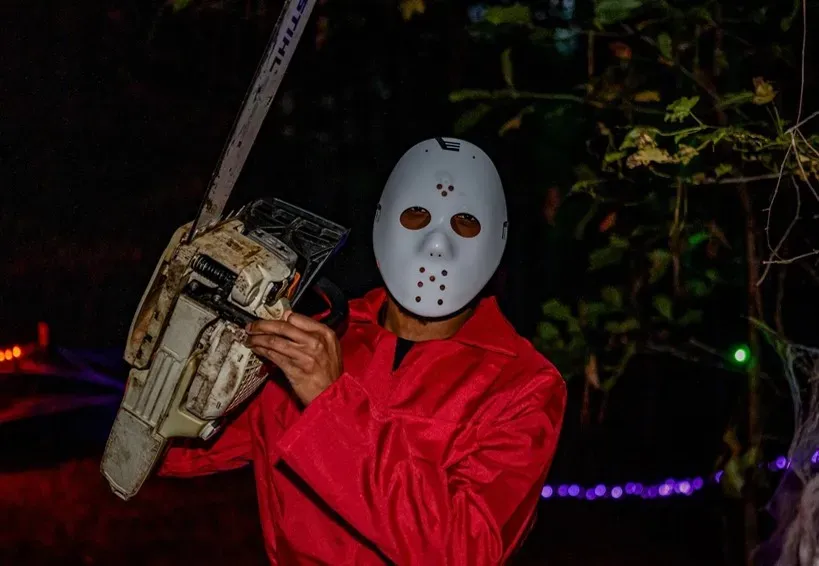
Vegoose brought a wild mix of jam bands, indie stars, and costume parties to the Las Vegas desert each Halloween, creating a festival vibe that was way ahead of its time. Think about it – a Halloween-themed, multi-genre outdoor festival in the desert, where dressing up was part of the whole experience. That sounds like something you’d pitch today and get immediately funded.
It wasn’t just about the music – it was about transforming the whole experience into a themed celebration, blending the energy of Halloween with live performances from acts like Dave Matthews Band and The Killers. The intersection of pop culture, cosplay, and live music that Vegoose pioneered is now a core element of festivals like Life Is Beautiful and Camp Flog Gnaw.
Although Vegoose only ran for three years, its format – combining costumes, art, and music – has become a blueprint for successful events that want to be more than just concerts. The festival showed how giving people a reason to dress up and join a community can make an event unforgettable.
It is hard to say for sure why it didn’t survive longer, but the timing was off. This innovative approach inspired later festivals that now mix elaborate themes and diverse genres, such as Outside Lands and Life Is Beautiful. Vegoose was essentially designing the festival experience of the 2020s a full decade and a half too early.
7. Field Day 2003 (New York): The East Coast Festival That Collapsed Before It Started
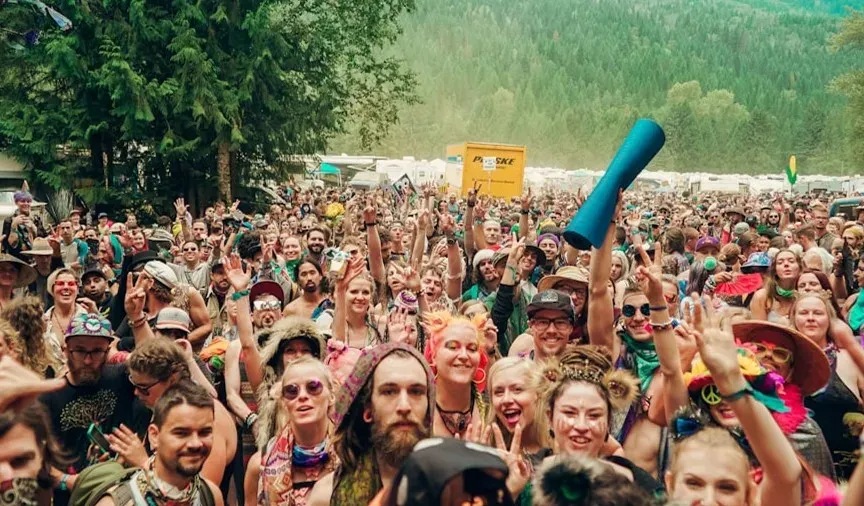
Field Day in 2003 was meant to be New York’s answer to the sprawling indie festivals of Europe, boasting a lineup that included Radiohead, Beck, and the Beastie Boys. Organizers planned for an epic weekend in Long Island, but last-minute permit issues forced a scramble to relocate, splitting the event into two venues and confusing thousands of fans.
The original vision – an outdoor celebration of indie and alternative music in a festival-starved city – never fully materialized. New York at that time was genuinely underserved by the festival ecosystem that was thriving in California and the Midwest. The vision for Field Day was real and necessary. The execution crumbled under bureaucratic pressure.
The concept, though? Completely sound. New York eventually got its own festival culture, with Governors Ball emerging years later to fill exactly the gap that Field Day was pointing at. Field Day was essentially a proof of concept that arrived before anyone had figured out how to actually pull it off in a city that doesn’t make outdoor events easy.
It’s one of those stories where the failure itself becomes part of the legacy. The conversation around Field Day helped push promoters and city officials to eventually make the permissions and logistics work. Sometimes a spectacular stumble is exactly what the industry needs to figure out where the walls are.
8. The Festival Recession Era (2024–2026): When the Industry Caught Up to Its Own Excess
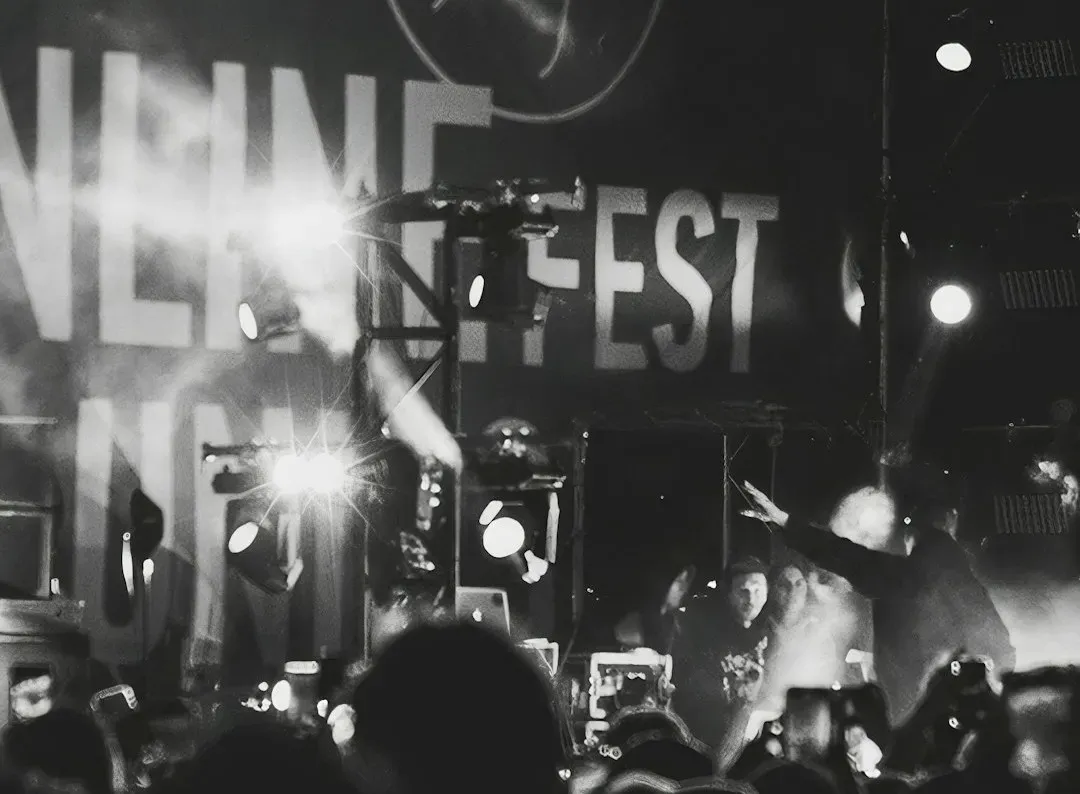
It may not be too much of an exaggeration to say that 2024 was the year the music festival died. That’s a dramatic way to put it, but the data is hard to argue with. By one count, over 60 music festivals were canceled in the UK alone that year. The festival model that dozens of innovative events had pioneered over decades suddenly started cracking under its own weight.
Burning Man failed to sell out for the first time in over a decade. Coachella, the most attended annual music festival in North America, saw a decline of around 15% in ticket sales compared with the previous year. These weren’t obscure events nobody had heard of. These were the anchors of the entire industry.
Massive cancellations continued into 2025, with reports suggesting that more than 100 festivals worldwide were canceled, most of them in the US and UK. Surprisingly, in the Netherlands alone, 50 festivals were canceled that year. The numbers are genuinely staggering when you see them laid out like that.
The driving forces include surging production costs, high ticket prices, and consumer demand dropping harder than an EDM beat. Large festivals are plateauing because they’ve stopped innovating. They’ve lost the grit, the edge, the grassroots vibe that made them iconic. The very qualities that the abandoned festivals on this list were full of.
9. Woodstock 94: The Eco-Festival That Planted Seeds Nobody Noticed
Most people remember Woodstock 94 as the muddy sequel that nobody asked for. What they forget is that it was genuinely attempting something radical for its era – embedding environmental activism directly into the festival infrastructure, years before sustainability became a marketing buzzword.
While Woodstock 69 was spiritually aligned with the anti-war movement, Woodstock 94 formally partnered with Greenpeace and identified corporate greed as the era’s great injustice. Greenpeace set up an “Eco-Village” at the festival, demonstrating the potential of solar heating and recycling. In 1994, that was genuinely radical. Most festivals at the time couldn’t have told you what recycling had to do with rock and roll.
This kind of activism would be incorporated into Lollapalooza and other fests to come. The idea that a festival could function as both entertainment and a platform for social consciousness is now considered essential. Think Glastonbury’s famous environmental commitments, or the wave of zero-waste festivals launching across Europe right now.
Sustainability and environmental responsibility have become key factors for music fans when choosing a festival. More concert-goers, especially younger audiences, are becoming more eco-conscious and actively seek out entities and spaces that match their values. Sustainability practices such as using renewable energy, implementing zero-waste policies, and promoting vegetarian and vegan diets have become the new standard. Woodstock 94 saw all of this coming. Thirty years too early.
10. The Pitchfork Music Festival: Indie Credibility as a Business Model That Ran Its Course
For nearly two decades, the Pitchfork Music Festival in Chicago was the indie music world’s gathering point. It was the festival that said, genuinely, that taste mattered more than spectacle. Small stages, thoughtful lineups, artists that hadn’t yet broken through to arenas. It was a curatorial experiment disguised as a weekend in the park.
Among the most notable exits from the current festival landscape is Pitchfork Music Festival, a Chicago staple for nearly two decades. Known for its eclectic lineups and indie ethos, Pitchfork quietly pulled the plug after its 2024 edition, joining the ranks of other festivals that have recently folded, including Atlanta’s Music Midtown, Florida’s Kickoff Jam, and legacy names like Made in America and Firefly, both of which haven’t returned since 2022.
Fans are becoming increasingly picky about where they spend their money, seeking out festivals and shows offering something unique that’s worth the time and travel. Pitchfork’s model – rigorous curation over commercial appeal – actually anticipated this shift. The problem is it couldn’t survive the economic pressures long enough to benefit from the audience it helped to create.
Some artists are sidestepping the whole festival model entirely. Bands are booking house party tours and performing in backyards, college campuses, even bowling alleys. The intimacy, authenticity, and social media buzz around these shows are breathing new life into live music and making traditional festivals look outdated by comparison. Pitchfork spent twenty years arguing that intimacy and authenticity were worth paying for. Turns out, they were right. The industry just found a cheaper way to deliver it.
A Final Thought
Every festival on this list failed for a different reason – bad weather, broken permits, wire fraud, collapsing markets. Yet each one was reaching toward something the rest of the industry took years to figure out. Influencer marketing. Immersive design. Genre-blending lineups. Environmental responsibility. Themed experiences. Curatorial depth over commercial scale.
The tragic part isn’t that they collapsed. It’s that the ideas survived while the festivals didn’t. Someone else always picked up the blueprint, refined it, and got the credit. Music festivals were once on the cutting edge, events where the music and vibe felt fresh and unique. Taken together, the declining ticket sales and cancellations paint a struggling picture of the festival industry, even as other areas of live music thrive.
Which raises a genuinely uncomfortable question: how many great ideas are dying right now, in some field somewhere, because the world just isn’t ready yet? What festival happening today will someone write about in 2040 as the one that saw it all coming?