Some festivals burn bright and disappear before the world knows what it lost. Others collapse under the weight of their own ambition, leaving behind blueprints that later events quietly adopted as their own. From the fields of California to the islands of the Bahamas, a handful of remarkable gatherings dared to reimagine what a music festival could be – only to vanish before their ideas had a real chance to land. The story of abandoned festivals is not just a story of failure. It is a story of vision arriving too soon, in the wrong hands, or at the wrong moment in history.
Altamont Free Concert (1969): The Free-Access Pioneer That Ended an Era
The Altamont Speedway Free Festival was held on December 6, 1969, at the Altamont Speedway outside of Tracy, California, with approximately 300,000 people attending, many of whom anticipated that it would be a “Woodstock West.” The concept itself was genuinely radical and ahead of its time. As the Rolling Stones’ fame grew, they faced criticism for high ticket prices during their 1969 tour and elected to cap it off with a free show, reportedly envisioned as “Woodstock West,” with San Francisco music writer Joel Selvin noting the Stones wished to integrate themselves into the counterculture hippie zeitgeist.
Unfortunately, twenty-four hours was not long enough for event planners to make adequate arrangements – only one-sixtieth of required toilet facilities was provided, no arrangements were made for emergency vehicles to get in or out of the grounds, and the sound system was not powerful enough to reach those any distance from the stage. The event is remembered for its use of Hells Angels as security and its significant violence, including the killing of Meredith Hunter and three accidental deaths. The logistical and security nightmares exposed at Altamont effectively marked the end of large-scale free rock concerts, as organizers recognized the immense and often unmanageable risks involved. The concept of a truly free, mass-attendance concert died with it – something the industry had barely begun to explore.
The Original Lollapalooza Touring Festival (1991–1997): Counterculture on Wheels
Lollapalooza was conceived and created in 1991 as a farewell tour by Perry Farrell, singer of the group Jane’s Addiction. The first Lollapalooza tour had a diverse collection of bands and was a commercial success, stopping in more than twenty cities in North America. What made it visionary was its deliberate rejection of a single-venue model. Unlike previous festivals such as Woodstock, Lollapalooza toured across the United States and Canada, and the inaugural lineup was diverse, made up of artists from alternative rock, industrial music, and rap.
The tour began losing money, however, and was canceled in 1998. Lollapalooza was revived in 2003, but it continued to struggle financially, and the 2004 tour was also canceled. Still, the traveling format left an enormous cultural footprint. Lollapalooza’s successful tour format inspired other popular tours and live events, especially in the mid-’90s, with niche festivals like Ozzfest, Vans Warped Tour, and Lilith Fair continuing its legacy by bringing diverse genres to cities across the country and transforming the live music scene into a cultural phenomenon. The idea of music festivals as a traveling, genre-mixing movement rather than a fixed annual pilgrimage was born here – it just took the industry years to figure out how to sustain it financially.
Woodstock 1999: The Nostalgia-Meets-Nu-Metal Experiment Nobody Was Ready For
Woodstock 1999 stands as one of the most controversial music festivals in history, and yet its ambitions were strikingly forward-thinking. The event hoped to fuse the peace-and-love spirit of the original Woodstock with the booming popularity of late-’90s alternative and nu-metal bands like Korn, Limp Bizkit, and Rage Against the Machine. The idea of deliberately blending nostalgia with contemporary aggression was genuinely novel – a formula every major festival today relies on. Despite attracting over 400,000 attendees, the weekend was plagued by scorching heat, overpriced essentials, and a lack of basic facilities, with tensions erupting into riots, fires, and widespread destruction.
Held on a scorching concrete airbase with almost no shade, attendees faced $4 water bottles and overflowing portable toilets. The frustration boiled over during sets by Limp Bizkit and the Red Hot Chili Peppers, leading to widespread arson, looting, and multiple reports of sexual assault, leaving the site looking more like a war zone than a music festival by the final night. But beyond the chaos, Woodstock 1999 foreshadowed today’s festival mashups that blend nostalgia with current trends. Modern events often strive for a similar fusion of eras and genres, attempting to draw fans across generations. It was the right idea, executed without the infrastructure or care it demanded.
Partner offer
TomorrowWorld (2013–2015): America’s EDM Dream That Drowned in the Mud
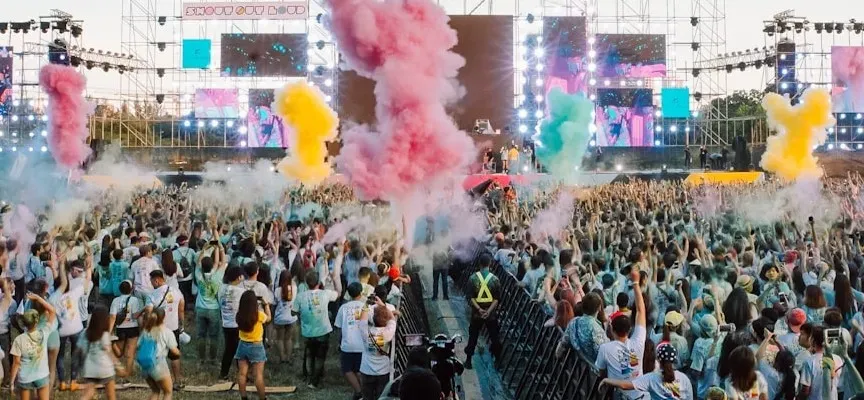
TomorrowWorld began as a dazzling American adaptation of Belgium’s world-renowned Tomorrowland, bringing immersive stage designs and EDM superstars to Georgia’s Chattahoochee Hills, quickly drawing crowds of up to 140,000 people, all eager for a taste of what was then a still-growing electronic dance music scene in the U.S. The production ambitions were unlike anything American audiences had seen. The event’s technological ambition, including elaborate lighting, pyrotechnics, and themed environments, set a new standard for immersive festival experiences.
However, torrential rains and logistical shortfalls in 2015 led to attendees stranded in mud and unable to reach their campsites, sparking outrage and forcing the festival to shut down after just three years – TomorrowWorld’s collapse came before the full explosion of EDM into American mainstream culture, making it a cautionary tale ahead of its time. The organizers of TomorrowWorld failed to address transportation, leaving around 40,000 attendees stranded on poor roads in horrible weather conditions with no shelters at the site either. Organizers around the world have since taken notes on weather planning, transportation, and infrastructure, recognizing that atmosphere is as crucial as the music itself – TomorrowWorld’s brief existence paved the path for America’s massive EDM events today.
Fyre Festival (2017): Influencer Marketing Before Anyone Understood Its Power
Few festivals have entered pop culture lore like Fyre Festival, which promised luxury and exclusivity on a Bahamian island but delivered chaos instead. What set Fyre apart before its infamous collapse was its influencer marketing strategy – enlisting models and celebrities like Kendall Jenner and Bella Hadid to create a viral phenomenon, with the hype reaching millions on social media and setting a new standard for how festivals promote themselves. The concept of building a festival identity entirely through aspirational social media content was, in its own warped way, genuinely pioneering. The organizers promised yacht parties, sold packages worth more than $50,000 per person, and advertised a lineup featuring Blink-182, Major Lazer, and Migos.
Instead, those who attended arrived to find that luxury tent accommodations were nowhere to be seen, the purportedly gourmet food had been reduced to slices of white bread and American cheese, most performers did not bother to attend, and as a storm blew through the island, the festival was canceled before it even began. Lawsuits and fraud convictions followed, but despite this, Fyre’s innovative promotional tactics have become industry standard, with social media influencers now playing a central role in festival marketing worldwide. The execution was fraudulent and catastrophic – but the marketing model it demonstrated now runs the entire live events industry.
The 2024 Festival Recession: A New Wave of Abandoned Ambitions
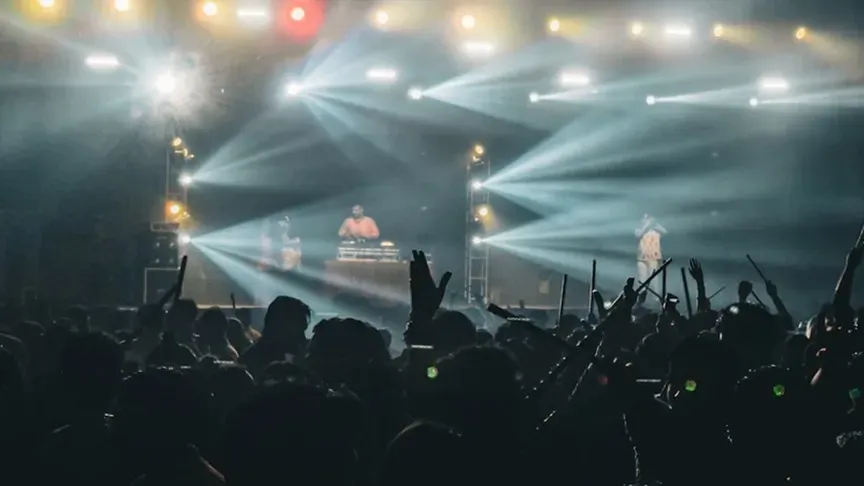
It may not be too much of an exaggeration to say that 2024 was the year the music festival died, with a wave of festivals unplugging their microphones and telling pass holders sorry – including Desert Daze, Sierra Nevada World Music Festival, Kickoff Jam, Blue Ridge Rock Festival, Sudden Little Thrills, and Float Fest, among many others. The closures were not just an American story. In Europe, festival after festival – from Lollapalooza Paris to the Sideways Festival in Helsinki – announced cancellations, with over 60 music festivals canceled in the U.K. alone in 2024.
Even Burning Man failed to sell out for the first time in over a decade, while Coachella, the most attended annual music festival in North America, saw a decline of around 15% in ticket sales compared with the previous year. The causes behind this wave run deeper than bad weather or bad luck. Surging production costs, high ticket prices, and consumer demand dropping harder than an EDM beat are the predictable culprits. In Australia, data shows the share of young adults attending festivals fell from 41% of all ticket buyers in 2018–19, to 27% in 2022–23, according to a report from the Australian Associated Press. Many of the festivals now being abandoned were genuinely innovative in their programming, community focus, or genre experimentation – events that, given different economic conditions, might have redefined what a modern festival could be.
Partner offer
Planning a trip to Vegas?
Compare hotel rates and show tickets on VEGAS.com.