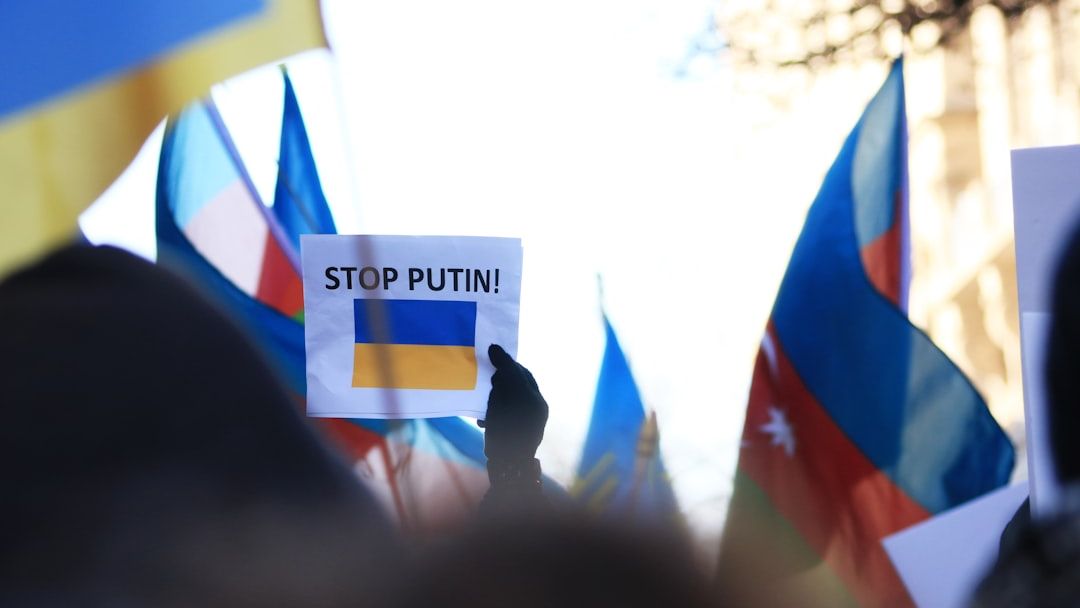

Putins Einladung an die AfD – Image for illustrative purposes only (Image credits: Unsplash)
Early June marks the return of Russia’s flagship international economic forum in St. Petersburg, an event often compared to the World Economic Forum in Davos. Several representatives of Germany’s Alternative for Germany party have already received personal invitations issued directly from circles around President Vladimir Putin. The development arrives at a moment when the AfD faces renewed scrutiny over its internal direction and public handling of historical questions.
Strategic Calculations Behind the Invitations
The forum offers a high-profile platform where business leaders, politicians, and officials from multiple countries gather to discuss trade and investment. For the AfD, attendance could signal openness to dialogue with Moscow at a time when official German policy remains firmly aligned with sanctions and support for Ukraine. Observers note that Putin’s team appears to view the party’s presence as a way to project an image of continued international engagement despite isolation from many Western governments.
Party members must now decide who will make the trip and how any participation will be framed back home. The choice carries risks, given ongoing monitoring of the AfD by German security services and criticism from other political groups. At the same time, supporters argue that such contacts reflect a pragmatic approach to foreign policy that prioritizes German economic interests.
Renewed Tensions Over Historical Remembrance
Each year on May 8, the anniversary of the end of World War II in Europe, internal debates within the AfD intensify. Recent statements from some members have revived references to a supposed “culture of guilt” and questioned the emphasis placed on Nazi-era crimes. Party leadership has responded with varying degrees of distance or silence, leaving room for differing interpretations of how the AfD positions itself on Germany’s past.
These exchanges highlight ongoing divisions between those who favor a more assertive national narrative and others who prefer to keep historical sensitivity at the forefront. The timing adds weight to discussions about the party’s long-term direction and its appeal to voters who hold traditional views on identity and memory.
Höcke’s Expanding Influence in the West
The Bavarian branch of the AfD recently established its own political academy to train members and shape future strategy. The first major event featured a keynote address by Björn Höcke, the Thuringian politician known for his hard-line positions. The choice of speaker has drawn attention because it marks a visible bridge between the party’s eastern strongholds and its efforts to grow in western states.
Supporters see the collaboration as a sign of organizational maturity and ideological cohesion. Critics within and outside the party warn that it could accelerate a shift toward more radical positions in regions where the AfD has traditionally sought a more moderate profile. The academy’s launch therefore serves as a test case for how far Höcke’s approach can travel beyond its eastern base.
What Comes Next for the Party
These developments unfold against a backdrop of steady electoral gains for the AfD in several regions. Attendance at the St. Petersburg forum, combined with internal debates on history and leadership moves in Bavaria, will likely shape public perception in the months ahead. Party strategists will need to balance the desire for international visibility with the domestic costs of closer association with Moscow.
Voters and analysts alike will watch how individual members navigate these choices and whether the AfD can maintain momentum while managing external pressures. The coming weeks may clarify whether the invitations represent a one-off opportunity or the start of a longer pattern in the party’s foreign-policy positioning.