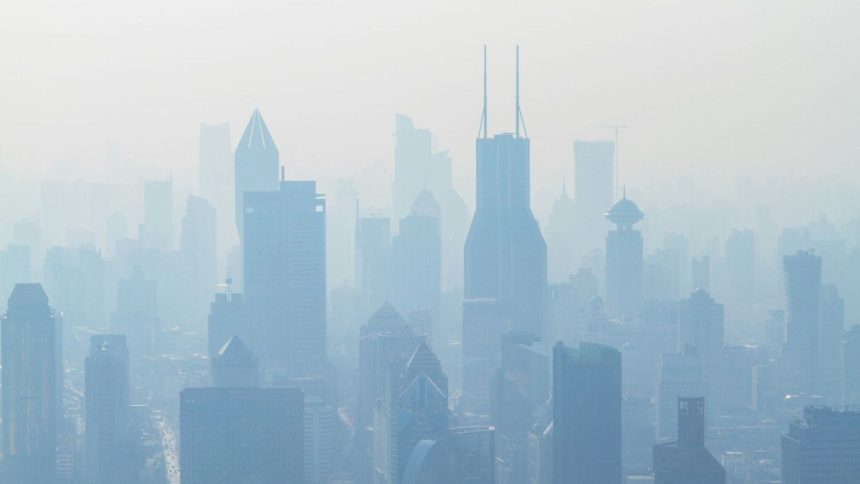
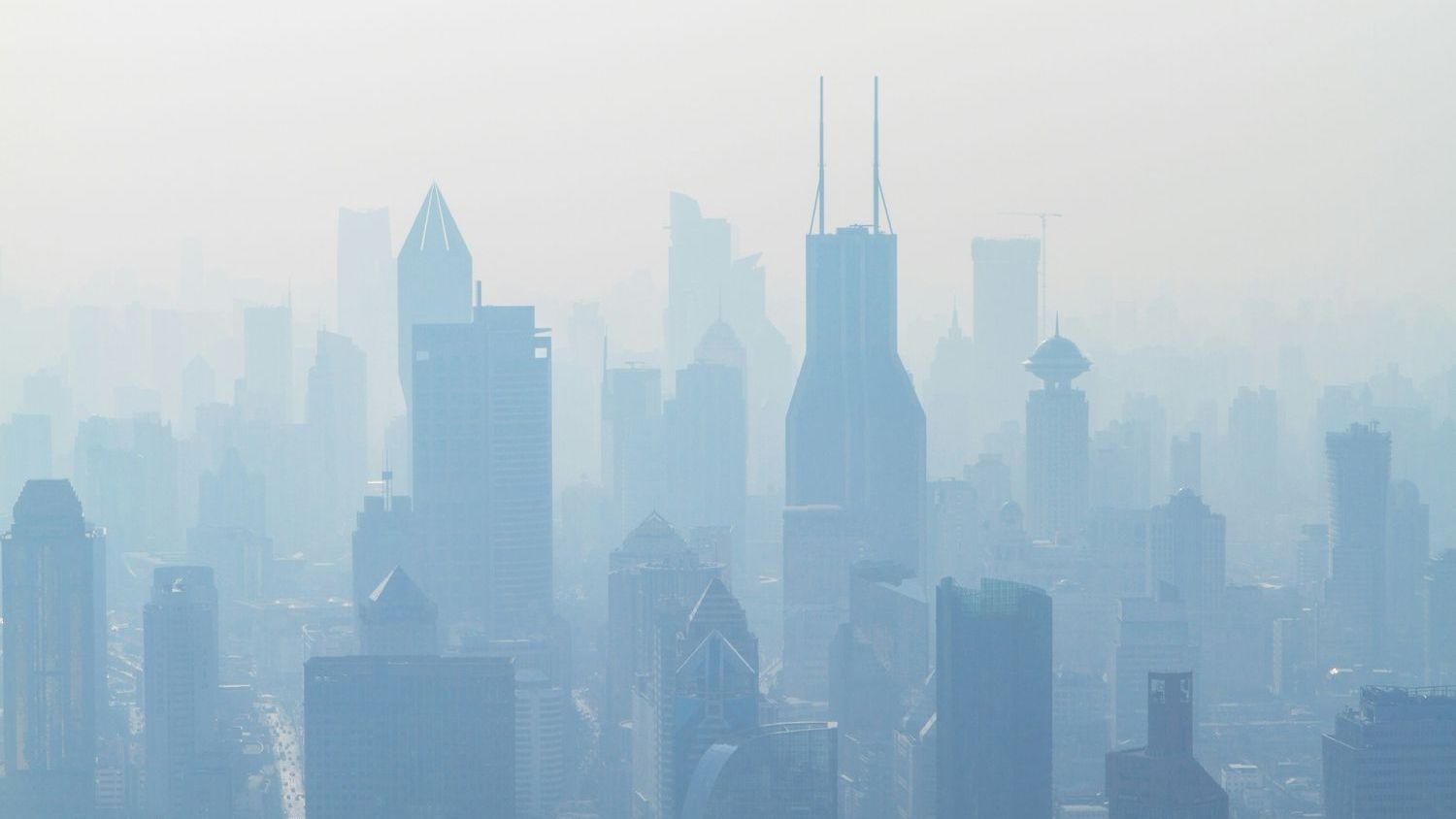
Millions Urged To Stay Inside In 11 States Over Air Quality – Image for illustrative purposes only (Image credits: Unsplash)
Residents from California to the Northeast are waking up to hazy skies and receiving repeated messages to keep vulnerable family members inside. The combination of drifting wildfire smoke and lingering smog has pushed air quality into unhealthy ranges across a broad stretch of the country, prompting officials to issue health advisories that affect daily routines for millions.
These warnings come at a time when many families are planning weekend activities or commuting to work, forcing quick adjustments to protect lungs and overall well-being. Public health agencies emphasize that the current conditions represent more than temporary inconvenience and carry real risks for certain groups.
Scale of the Warnings Across Multiple Regions
Authorities have placed 11 states under active air quality alerts, covering areas where pollutant levels exceed safe thresholds for extended periods. The alerts target both urban centers and suburban communities, reflecting how far the smoke and smog have traveled from their sources.
Western states are dealing primarily with smoke carried by prevailing winds, while eastern regions contend with a mix of industrial emissions and trapped pollutants. The overlap has created a patchwork of advisories that change by the hour, requiring residents to monitor local updates closely.
Wildfire Smoke and Eastern Smog as Primary Drivers
Wildfires burning in California continue to release large volumes of fine particles that drift eastward, settling over populated areas and reducing visibility. At the same time, stagnant weather patterns in the East have allowed smog to build up, compounding the problem for cities already dealing with seasonal pollution.
These two distinct sources have converged to create widespread hazardous conditions that extend well beyond the immediate fire zones or major metropolitan corridors. Meteorologists note that shifting winds could either clear the air or spread the impacts further in coming days.
Practical Steps Residents Are Taking
Many households have begun checking real-time air quality indexes before allowing children to play outside or scheduling errands for later in the day. Schools in affected districts have adjusted recess schedules, and outdoor workers are being encouraged to take more frequent breaks in filtered environments.
Pharmacies report increased demand for masks and air purifiers as people seek immediate ways to reduce exposure. Local governments have also opened cooling centers equipped with better filtration for those without access to clean indoor air at home.
Who Faces the Greatest Risks Right Now
Children, older adults, and individuals with asthma or heart conditions remain the most vulnerable during these episodes. Even healthy adults can experience irritation or reduced lung function after prolonged exposure to the current pollutant mix.
Health officials continue to stress that short-term exposure can trigger symptoms quickly, while repeated days of poor air quality may lead to longer-term concerns for sensitive populations. Communities in the Southwest, including parts of Nevada, are watching the smoke plume closely because similar events have affected the region in past seasons.
Key actions recommended during the alerts:
- Limit outdoor exercise and playtime, especially for children and seniors.
- Keep windows closed and use air conditioning on recirculate mode when possible.
- Monitor local air quality reports before heading outside.
- Stay hydrated and watch for symptoms such as coughing or shortness of breath.
As the situation develops, families across the affected states are balancing normal routines with the need to protect health. The current advisories serve as a reminder that air quality can shift rapidly, leaving residents to adapt day by day until clearer conditions return.