
The Amazon Dark Earth Discovery That Could Be the Most Significant Climate Science Breakthrough Since the Discovery of the Carbon Cycle – Image for illustrative purposes only (Image credits: Pexels)
In Brazil’s Xingu Indigenous Park, patches of dark, fertile soil stand out against the surrounding reddish landscape and quietly store more carbon than researchers once calculated. This material, long known to local communities, now draws fresh attention from climate scientists because its stability and scale could shift how the Amazon’s role in global carbon cycles is measured. A 2024 study by teams from the United States and Brazil found that the dark earth within the park alone holds roughly nine million tons more carbon than prior estimates allowed.
Distinct Properties of the Soil
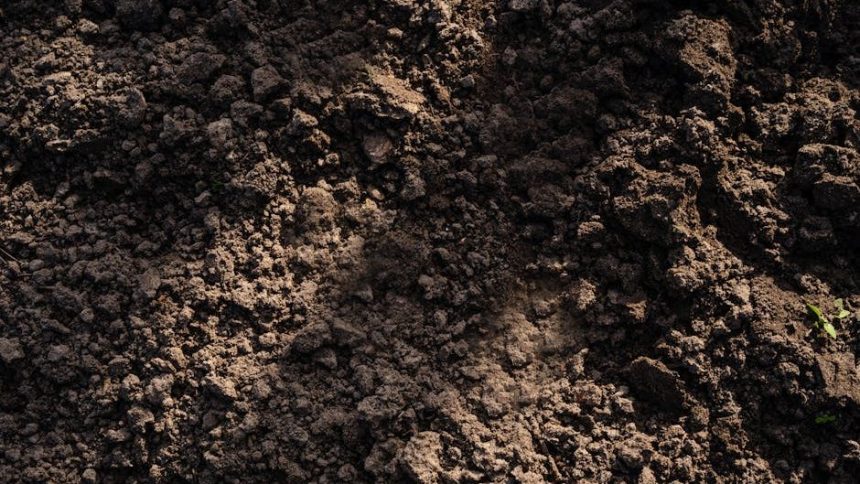
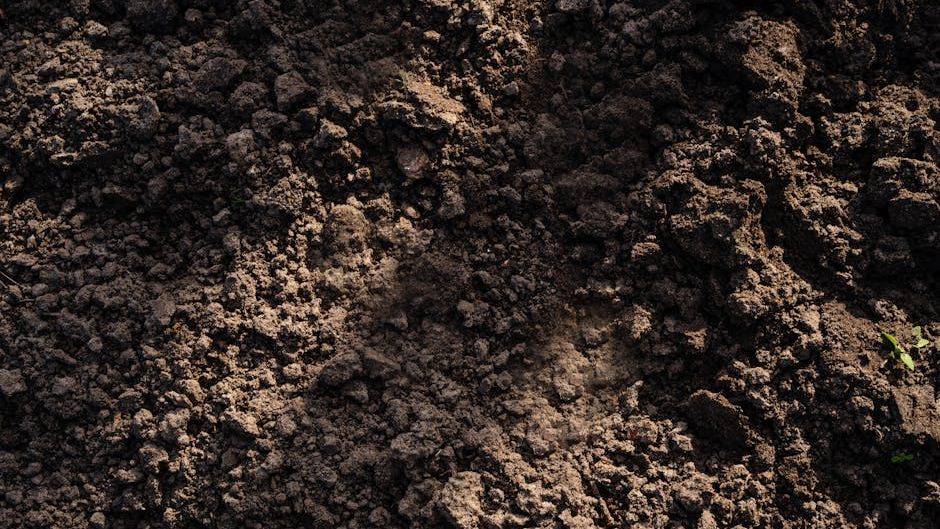
Terra preta differs sharply from typical Amazon soils in both color and performance. It appears almost charcoal black and supports trees that grow up to six times taller than those in adjacent areas. The soil maintains its fertility and carbon content over long periods without ongoing human input, a trait that sets it apart from most tropical soils that lose nutrients quickly.
Scientists have tracked these patches across about 3.4 percent of the park’s total area. The material’s ability to retain carbon stems from its high concentration of stable organic compounds, which resist breakdown even under humid rainforest conditions. This durability has prompted comparisons with modern carbon-capture methods that require far more infrastructure and energy.
Updated Carbon Estimates
Earlier models placed total carbon stored in the Amazon biome at 123 billion tons above and below ground. The new findings adjust that picture by showing that dark earth contributes an additional nine million tons within the Xingu park alone. That adjustment matters because it changes the baseline used in climate projections for one of the planet’s largest natural carbon sinks.
The 2024 research builds on a 2021 study published in Nature Communications that first questioned long-held assumptions about the soil’s distribution. Researchers now recognize that dark earth extends beyond previously mapped zones, which means broader surveys could reveal still larger reserves. These revisions arrive at a time when deforestation has already removed 13.2 percent of the Amazon biome as of 2022.
Origins and Ongoing Debate
Two main explanations compete to account for how the soil formed. One view holds that ancient indigenous groups created it deliberately by mixing charcoal, food waste, and bones into the ground over centuries. The other suggests that rivers and alluvial deposits supplied much of the mineral base, with later human activity simply concentrating and using the resulting patches.
Evidence from calcium and phosphorus levels supports the geological contribution in many sites, yet signs of human modification appear in others. No single theory has gained full acceptance, and most researchers now expect the answer to involve both natural processes and intentional management. The unresolved question affects how readily the soil’s properties might be reproduced elsewhere.
Practical Implications Ahead
Replicating even a fraction of terra preta’s performance could support soil restoration projects and improve crop yields in degraded tropical regions. Agronomists and climate modelers are examining whether controlled additions of charcoal and organic matter can produce similar results outside the Amazon. Early trials show promise, though scaling remains limited by local soil chemistry and climate conditions.
Key areas to watch include expanded mapping of dark earth beyond the Xingu park and field tests that measure long-term carbon retention under different land uses. Success in these efforts would give communities and policymakers a low-technology option for strengthening carbon sinks while supporting food production.
Key points to track:
- Further surveys to refine total carbon estimates across the Amazon basin
- Controlled experiments testing replication methods in varied tropical soils
- Integration of dark-earth insights into updated climate and land-use models
The discovery underscores how much remains to learn from long-standing land practices in the Amazon. Whether the soil’s advantages prove widely transferable or stay tied to specific locations, its documented performance already invites a closer look at what past ecosystems achieved without modern equipment.