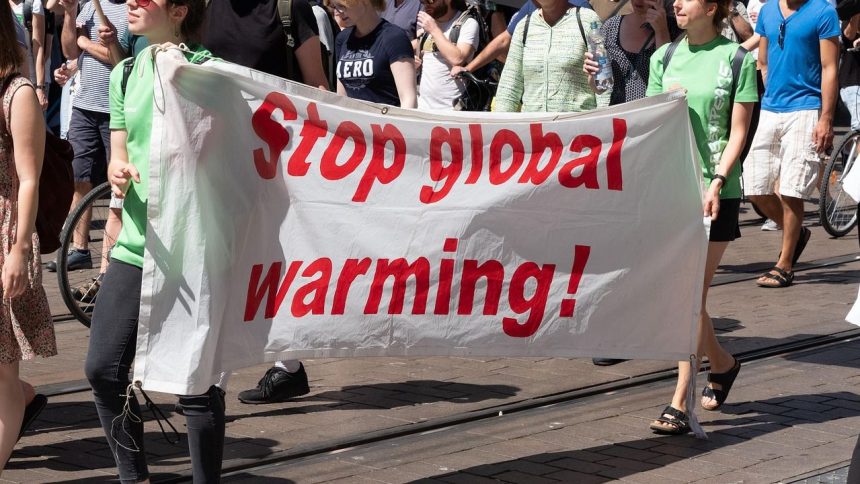

In permissive Amsterdam, ads for fossil fuels or meat are now verboden – Image for illustrative purposes only (Image credits: Pixabay)
Amsterdam – The Dutch capital enforced a groundbreaking prohibition on advertisements for fossil fuels and meat products across public spaces on May 1, 2026, marking it as the world’s first major city to implement such a measure.[1][2] City leaders framed the policy as a logical extension of ongoing efforts to curb high-carbon lifestyles amid rising global temperatures. This step builds on earlier voluntary restrictions and reflects a growing recognition of advertising’s role in normalizing emissions-intensive consumption.
A Clear Line Against High-Emission Promotion
The ordinance targets displays in city-owned venues, including billboards, bus shelters, trams, trains, metro stations, and benches.[1] Advertisements for meat – such as beef, chicken, pork, and fish from chains like Burger King or KFC – fall under the ban due to animal agriculture’s substantial contribution to greenhouse gases.[1] Fossil fuel-related promotions meet the same fate, encompassing petrol and diesel vehicles, aviation, cruises, gas heating contracts, and flights to distant locales like Dubai or Thailand.
Private storefronts, digital media, print outlets, and radio broadcasts remain exempt, preserving commercial speech in those arenas.[3] Dairy products secured an exemption following negotiations, narrowing the scope from broader animal-derived foods initially proposed. Enforcement begins with a grace period this year, though fines await non-compliant displays moving forward.[1]
From Motion to Municipal Law
Amsterdam city council approved the amendment to the General Local Bylaw in a 27-17 vote on January 22, 2026.[4][5] GroenLinks and the Party for the Animals spearheaded the effort, reviving a 2020 non-binding motion that had excluded such ads from metro stations.[1] GreenLeft councilor Anneke Veenhoff captured the rationale: “If you spend lots of tax money and have lots of policies trying to manage climate change in Amsterdam, why would you rent out your public walls to exactly the opposite?”[1]
The timing drew from a pivotal 2025 court ruling upholding The Hague’s similar fossil fuel ad restrictions against industry challenges.[2] That decision affirmed municipalities’ authority to prioritize public health and climate goals over commercial interests. Amsterdam’s measure embeds penalties directly into local law, extending coverage citywide.
Dutch Pioneers and Global Echoes
The Netherlands leads this trend, with at least nine municipalities now codifying fossil ad bans, including Utrecht, Zwolle, Haarlem, Nijmegen, and Delft.[4][6] Haarlem initiated meat ad restrictions in 2022, prompting a wave of adoptions. Internationally, over 50 cities – from Stockholm and Edinburgh to Sydney – have introduced limits or motions, often likening fossil fuels to tobacco.[2]
| City | Ban Scope | Year Enacted |
|---|---|---|
| The Hague | Fossil fuels | 2024 |
| Haarlem | Meat | 2022 |
| Utrecht | Fossil fuels & meat | 2023/2025 |
| Amsterdam | Fossil fuels & meat | 2026 |
United Nations Secretary-General António Guterres amplified the call in 2024, urging nations to treat fossil fuel promotion like tobacco advertising.[2] Spain’s pending national legislation could follow suit for vehicles and short-haul flights.
Industry Pushback Meets Resolve
Outdoor advertising giant JCDecaux mounted last-minute opposition, emailing councilors about potential financial strains on public infrastructure maintenance.[5] The firm, which oversees 1,500 bus shelters, highlighted its long-term city partnership and decried insufficient industry consultation. Party for the Animals leader Anke Bakker dismissed such concerns, noting ample space for low-emission alternatives: “I am confident that they will be able to continue filling the advertising space, but with vegetarian and emission-free products.”[5]
Campaigners from Reclame Fossielvrij and Creatives for Climate hailed the outcome as a precedent. Femke Sleegers of Reclame Fossielvrij observed that The Hague’s victory signaled fossil ads’ obsolescence, much like tobacco’s decline.[2] Corporate branding persists until 2028 contract expirations, softening immediate revenue hits.
What Matters Now
- Amsterdam aligns public advertising with its 60% plant-based protein target by 2030.[1]
- Court precedents bolster similar policies elsewhere.
- Grace period eases transition, but compliance monitoring ramps up.
As Amsterdam clears its streets of emissions-pushing pitches, the policy underscores a shift: public realms increasingly serve planetary limits over unchecked promotion. Other capitals watch closely, weighing whether to reclaim their spaces from climate adversaries. This measured restriction may prove a template for aligning urban life with sustainable imperatives.