Throughout history, humanity has left behind enigmatic traces that continue to baffle researchers and challenge our understanding of ancient civilizations. Researchers across the globe put on their detective hats this year to crack cases that have puzzled historians, archaeologists and scientists for generations. Despite remarkable advances in technology, from artificial intelligence to advanced DNA analysis, some mysteries remain tantalizingly just beyond our grasp. The stories these ancient peoples left behind speak to ingenuity, devotion, and capabilities that often surprise modern scientists who study them.
People are fascinated by origins, people are fascinated by mysteries, according to Andrea M. Berlin, a professor of archaeology at Boston University. While some puzzles have begun yielding their secrets to cutting-edge scanning and analysis tools, others continue to resist explanation. The combination of limited historical records, environmental changes over millennia, and the sheer audacity of what ancient builders accomplished means these riddles endure well into our modern age.
The Stonehenge Enigma and Recent Revelations
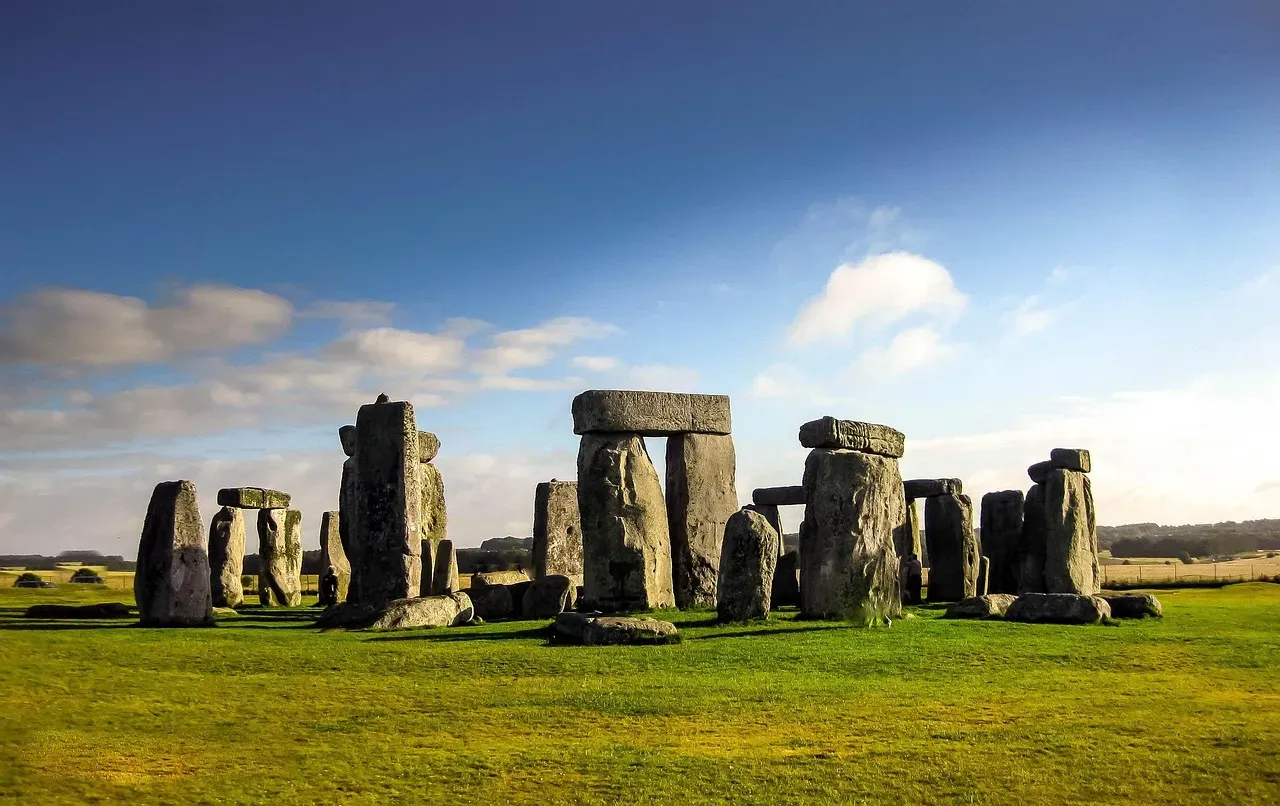
Stonehenge continues to fascinate researchers more than five thousand years after its construction. Scientists have found compelling new evidence that humans, not glaciers, brought Stonehenge’s bluestones to the site. Using advanced mineral analysis, researchers searched nearby river sediments for signs glaciers once passed through the area – and found none. That missing signature strongly suggests the stones were intentionally moved by people. This finding settles a century-long debate about whether ice carried the massive stones or whether human effort alone was responsible.
The monument’s complexity deepened recently with discoveries about stone origins. Stonehenge’s monumental six-tonne Altar Stone, long believed to originate from Wales, actually hails from Scotland. The findings point to the existence of unexpectedly advanced transport methods and societal organisation at the time of the stone’s arrival at its current location in southern England about 5000 years ago. Research building on the two previous studies suggests that Stonehenge may have been reconstructed in England around 2620 to 2480 BC to help unify ancient Britons as newcomers arrived from Europe. This political dimension adds layers of meaning beyond the structure’s astronomical and religious functions.
Egyptian Pyramid Construction Secrets Emerge
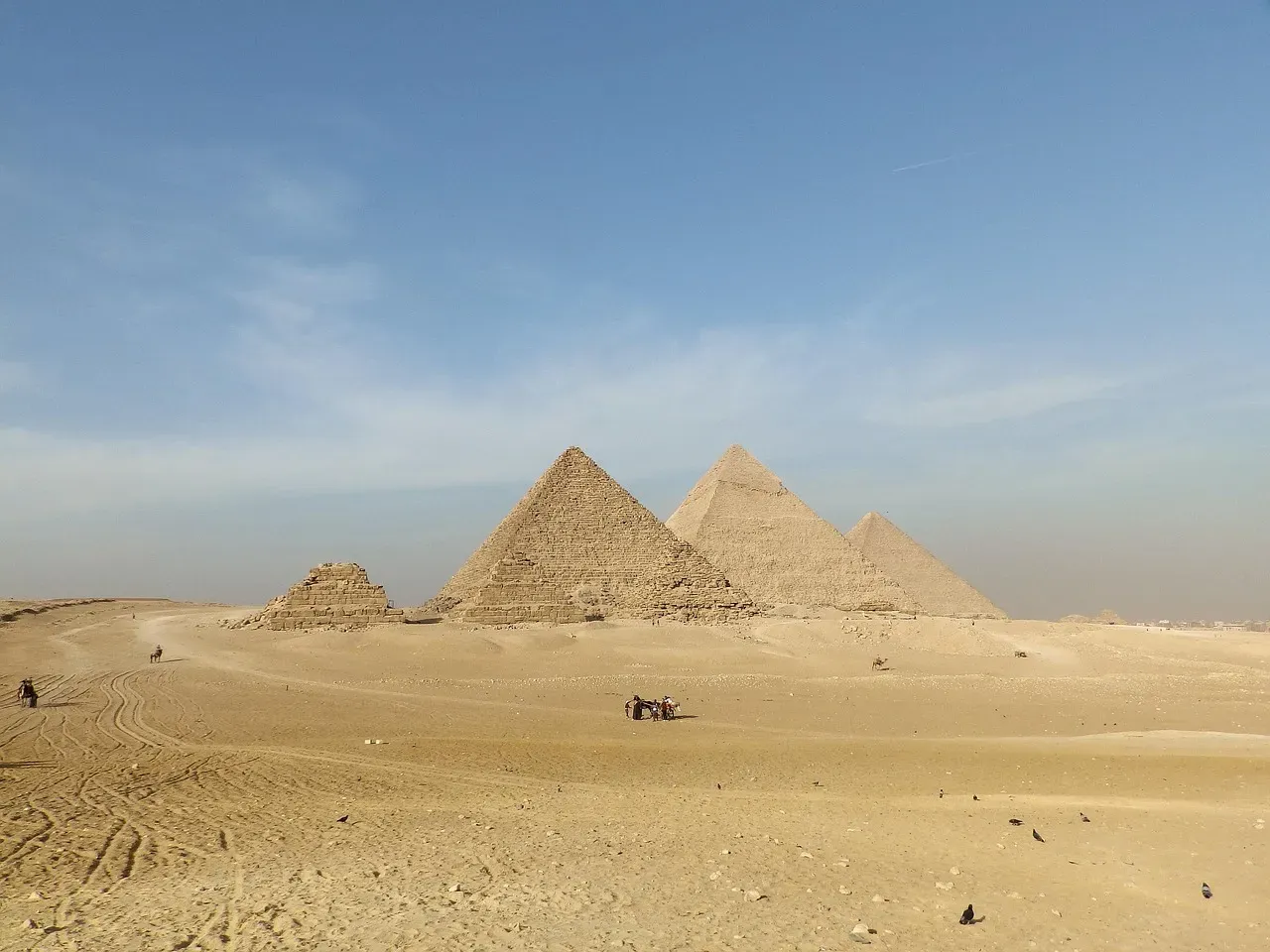
The Great Pyramid of Giza has guarded its construction secrets for more than four thousand years. A 2025 study conducted by German and Egyptian archaeologists employed radar, electrical resistivity and ultrasound techniques to investigate a mysterious air-filled “void,” detected beneath the Menkaure pyramid. Images from a remotely operated camera suggest a void on the pyramid’s east side might contain a hidden “second entrance.” These discoveries hint at undiscovered chambers and pathways within the structures that could reveal more about how these massive monuments were built.
Perhaps most significantly, researchers discovered a lost river branch that solves a longstanding puzzle. The newly discovered “Ahramat” Branch, stretching approximately 64 kilometres long, is believed to have been “used as a transportation waterway for workmen and building materials to the pyramids’ sites”, according to a 2024 study. The once mighty river was increasingly covered in sand, potentially starting during a major drought around 4,200 years ago, which explains why the waterway remained hidden for millennia. This finding demonstrates that ancient Egyptians possessed sophisticated logistical capabilities and understood how to harness natural resources for monumental construction projects.
Nazca Lines Multiply Through AI Discovery
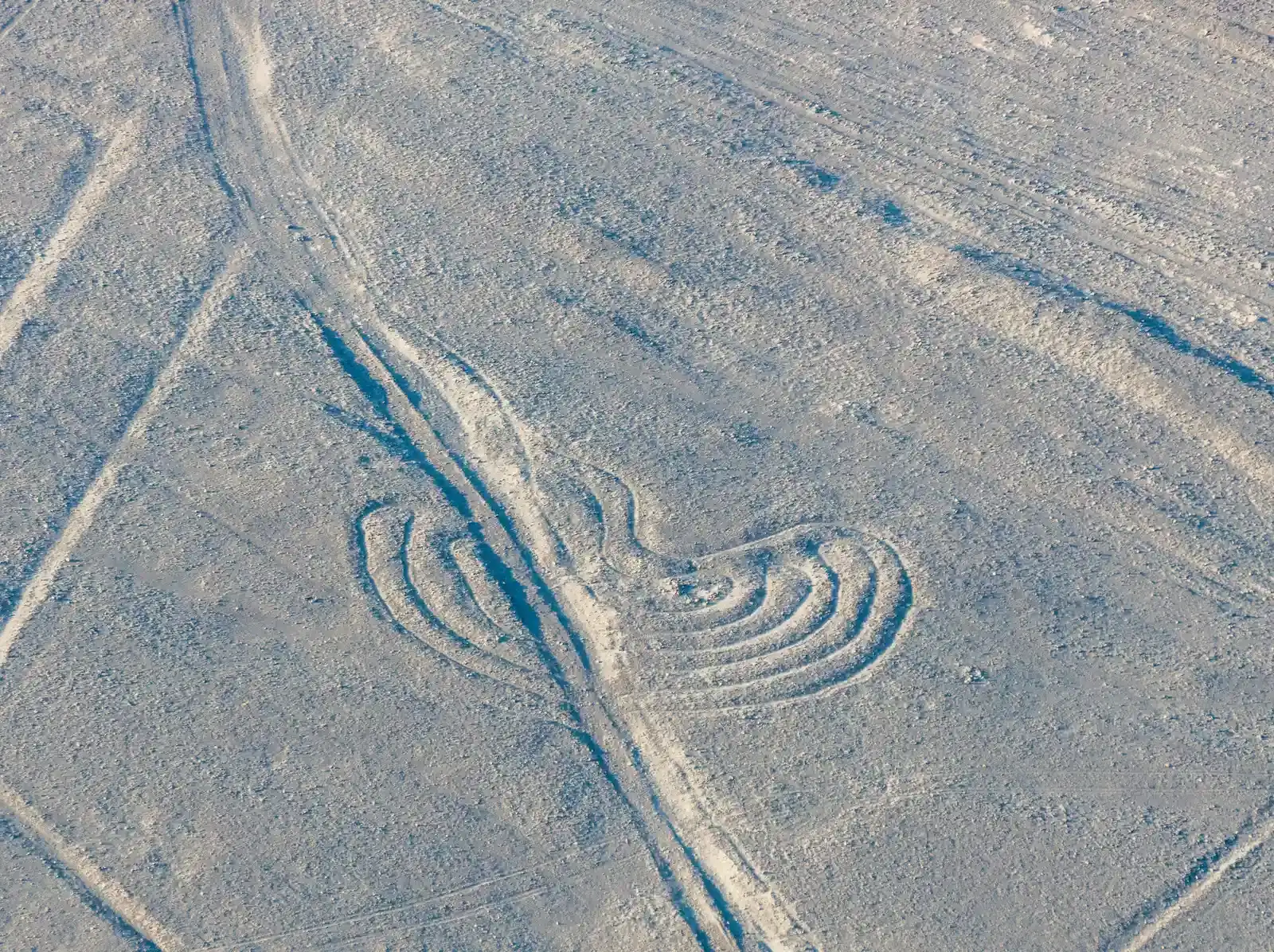
The mysterious geoglyphs of Peru’s Nazca Desert experienced a dramatic expansion in known examples thanks to artificial intelligence. In 2024, a team of archaeologists from the Yamagata University’s Nazca Institute, in collaboration with IBM Research, used artificial intelligence to discover 303 previously unknown geoglyphs depicting parrots, cats, monkeys, killer whales, and even severed heads near the Nazca Lines in Peru. This nearly doubled the number of known figurative designs in just six months of research, a task that would have taken years using traditional methods.
According to Sakai, the AI model dramatically sped up the identification process, allowing researchers to spot these elusive designs “20 times faster” than traditional methods. These new figures include depictions of human-like beings, decapitated heads, animals like llamas and birds, and even a 72-foot-long orca holding a knife. “On some pottery from the Nazca period, there are scenes depicting orcas with knives cutting off human heads, so we can position orcas as beings that carry out human sacrifice”, Sakai explained to New Scientist. The AI has identified hundreds more candidates awaiting verification, suggesting the full extent of Nazca creativity remains to be discovered.
Easter Island Moai Finally Reveal Their Walking Secret
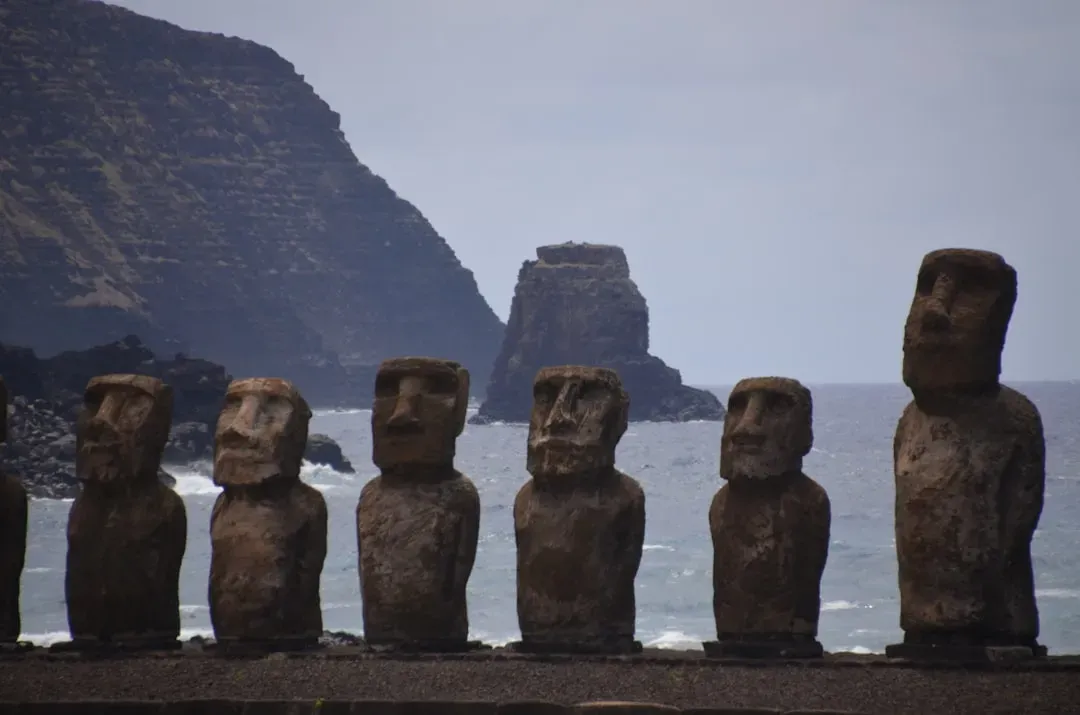
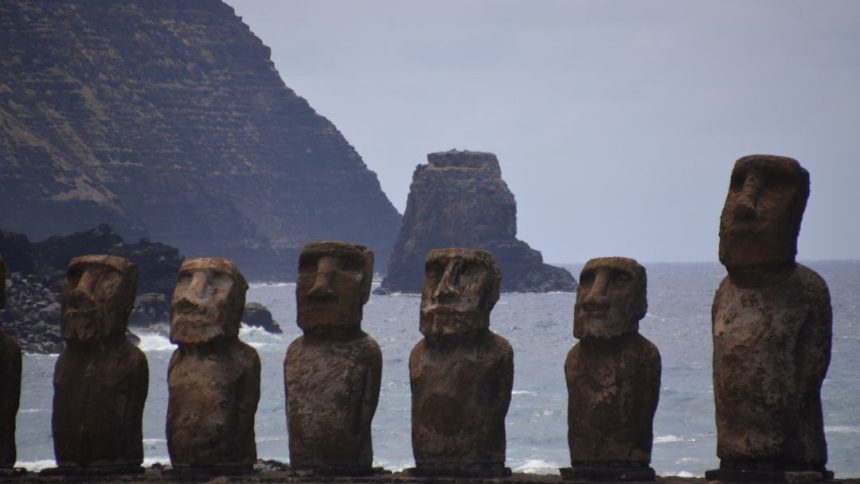
The massive stone heads of Easter Island have long sparked speculation about how ancient Polynesians moved them across the island. Recent research has confirmed what local legends always claimed. Researchers say Easter Island’s mysterious Moai statues were likely moved vertically, not horizontally, using a sophisticated rope system. The scientists analyzed 962 statues to reach their conclusion. Using 3D modeling and statistical mapping, Lipo and Hunt found that the heads’ D-shaped bases and forward lean made rope transport possible. This discovery validates oral traditions that spoke of the statues “walking” to their destinations.
Physical experiments proved the theory viable. “Our experiments revealed that the forward-leaning design enabled efficient transport, covering 328 feet in 40 min with a team of 18 people – a significant improvement over earlier vertical transport attempts that used incorrectly proportioned ahu moai forms”, according to the study published in 2025. An analysis of a quarry containing unfinished statues revealed how wayfaring Polynesians created the massive stone heads found across Rapa Nui, or Easter Island, answering questions about construction methods that have intrigued visitors for centuries. The discovery honors the engineering sophistication of the Rapa Nui people while dispelling theories about environmental destruction caused by transport methods.
Pompeii DNA Analysis Rewrites Family Stories
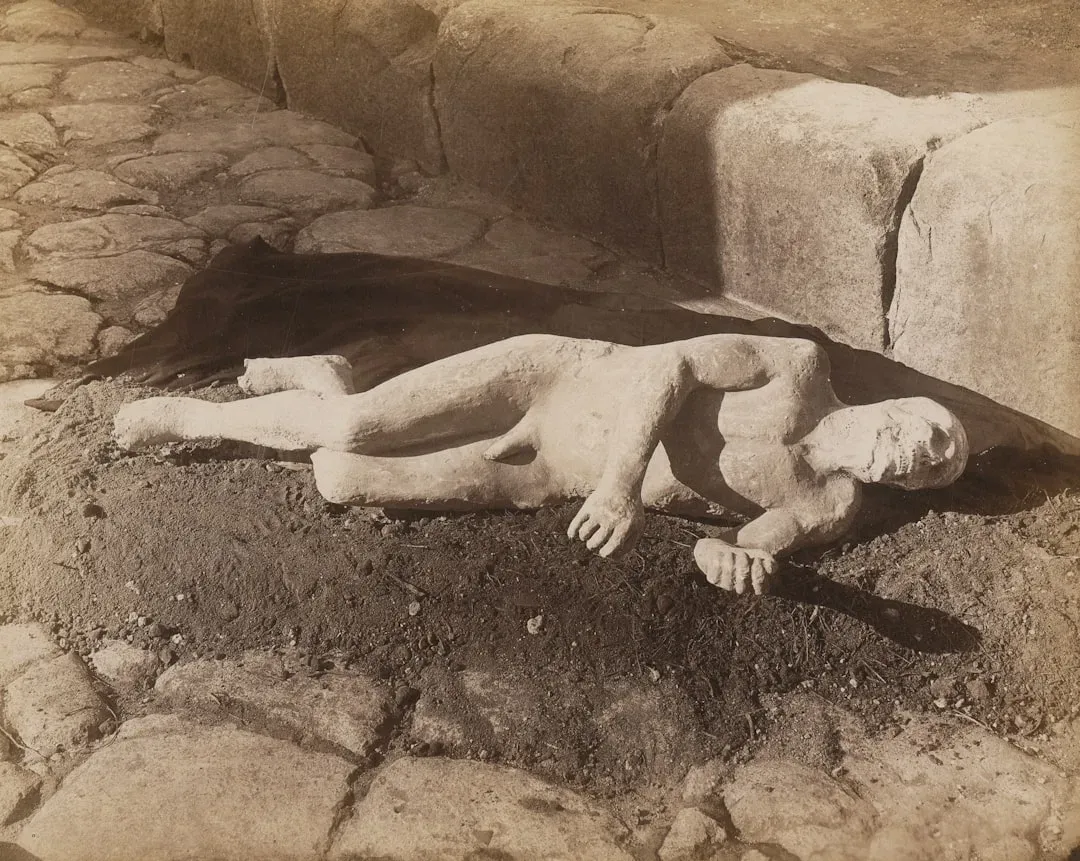
New genetic analysis techniques are overturning long-held assumptions about the ancient Roman city frozen in time by volcanic ash. Ancient DNA research is reframing the way people understand the archaeological site of Pompeii, which remains trapped beneath a layer of ash thousands of years after Mount Vesuvius’ eruption in AD 79 doomed the Roman town. Genetic traces collected from the bones of victims showed that what was once considered to be a mother holding her son in their final moments was an unrelated adult male who likely offered comfort to a child before they perished, and they challenged other long-held assumptions. These revelations demonstrate how easily visual interpretation can mislead without scientific evidence.
The technology has proven valuable across archaeological sites. In some cases, analysis of ancient DNA helped fill knowledge gaps and change preconceived notions. Similar advances in molecular genetics have helped researchers solve other historical puzzles, from identifying mysterious individuals in nineteenth-century Europe to understanding population movements in the Stone Age. This approach continues to challenge narratives constructed from circumstantial evidence alone, reminding researchers that ancient lives were as complex and varied as modern ones.
Neolithic Turkey Reveals Massive Communal Architecture
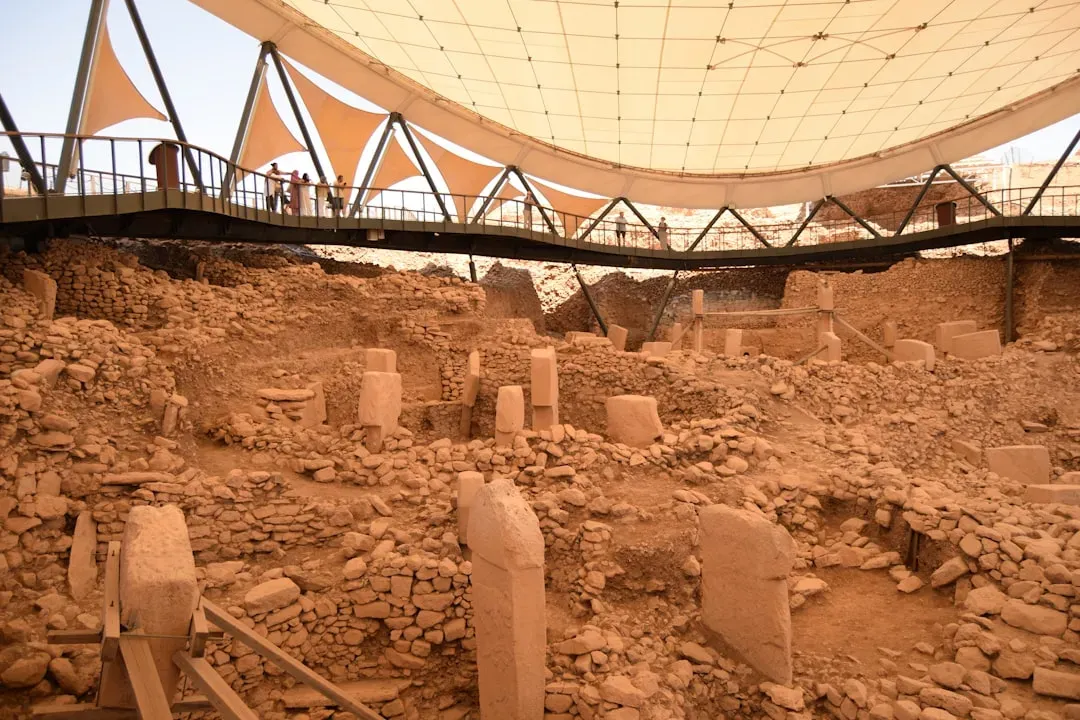
Archaeological discoveries in southeastern Turkey have pushed back the timeline for monumental communal structures. At the Neolithic site of Karahantepe in southeastern Turkey, archaeologists uncovered a massive circular structure resembling a modern amphitheater. Dating back roughly 11,000 years, the building features tiered stone seating and carved human and animal figures, demonstrating that monumental communal architecture existed long before agriculture became widespread. This challenges assumptions that complex social organization required settled agricultural societies.
The structure suggests that hunter-gatherer societies were capable of organizing large-scale construction projects and maintaining complex social and ritual systems. Similar sites in the region continue to reveal sophisticated planning and execution by peoples previously dismissed as too primitive for such achievements. These findings force a reassessment of when human societies developed the organizational capacity and motivation to create structures serving communal rather than purely practical purposes. The implications extend to understanding religion, social hierarchy, and collective identity in prehistoric times.
Underwater Anomalies and Subterranean Puzzles
Recent scanning technologies have revealed hidden features beneath well-studied sites. A multi-institutional team of archaeological researchers from Japan and Egypt has discovered what they describe as an underground “anomaly” near the iconic Giza pyramid complex. In their study, published in the journal Archaeological Prospection, the group used both ground-penetrating radar and electrical resistivity tomography to investigate the area beneath the Western Cemetery in Giza. The shallow L-shaped structure appears connected to a deeper feature, though its purpose remains uncertain.
While the researchers aren’t sure of the deeper structure’s contents, they say it could be empty or filled with materials such as sand and gravel. Similar mysteries exist worldwide, from Japan’s underwater Yonaguni structure to various unexplained megalithic sites. Despite centuries of study, the pyramids continue to raise questions not only about lost chambers, but also about who built them and how such colossal stones were moved. Hawass is skeptical about claims that the Giza pyramids were built by an unknown ancient civilization. He says one of their most important features is that they were built by the Egyptians themselves, emphasizing the importance of crediting ancient peoples with their own achievements rather than attributing them to lost civilizations or extraterrestrial intervention.