It’s easy to assume we live in the most advanced era of human history. After all, we’ve split atoms, sent robots to Mars, and carry supercomputers in our pockets. Technology progresses in a neat, upward line, right?
Well, here’s the thing. Throughout history, certain civilizations achieved technical feats that modern science struggles to replicate, even with all our knowledge and tools. From steel formulas that vanished into obscurity to concrete that outlasts anything we pour today, the ancient world held secrets we’re still trying to crack. Let’s dive in.
Damascus Steel: The Lost Formula of Legendary Blades

Replicating Damascus steel in its original form is almost impossible, despite steel and metallurgy being far more advanced now than centuries ago. The lack of Wootz steel, a crucial material originating from ancient India and Sri Lanka from the sixth century onward, makes it impossible to precisely reproduce Damascus steel today. These blades were forged between 300 BCE and 500 CE in the Middle East, displaying distinctive watery patterns and possessing razor-sharp edges that could reportedly slice through silk.
The art of producing famous Damascus steel blades was lost long ago, but recent research has established strong evidence that the distinct surface patterns result from a carbide-banding phenomenon produced by microsegregation of minor amounts of carbide-forming elements. University researchers tried to reverse-engineer microstructures of steel materials, but they do not share the same metallurgical aspects. Even modern blacksmiths who create pattern-welded steel acknowledge it’s not quite the same as the historical original.
Roman Concrete: Building Materials That Defy Time

The Pantheon dome is made of unreinforced concrete and has stood for nearly 2,000 years, surviving earthquakes and wars, while modern sidewalks crack within years. Rome’s famed Pantheon, dedicated in 128 C.E., is still intact, and some ancient Roman aqueducts still deliver water to Rome today. This isn’t just impressive longevity; it’s a completely different material behavior that modern engineers are still studying.
Ancient samples contain small, distinctive, millimeter-scale bright white mineral features called lime clasts that originate from lime, another key component of the ancient concrete mix. Roman concrete was likely made by mixing quicklime directly with pozzolana and water at extremely high temperatures, a process dubbed ‘hot mixing’ that results in the lime clasts. Within two weeks in tests, cracks in quicklime concrete had completely healed and water could no longer flow, while identical concrete made without quicklime never healed. The self-healing properties came from chemical reactions that modern concrete simply doesn’t possess.
Greek Fire: The Byzantine Superweapon Lost to History
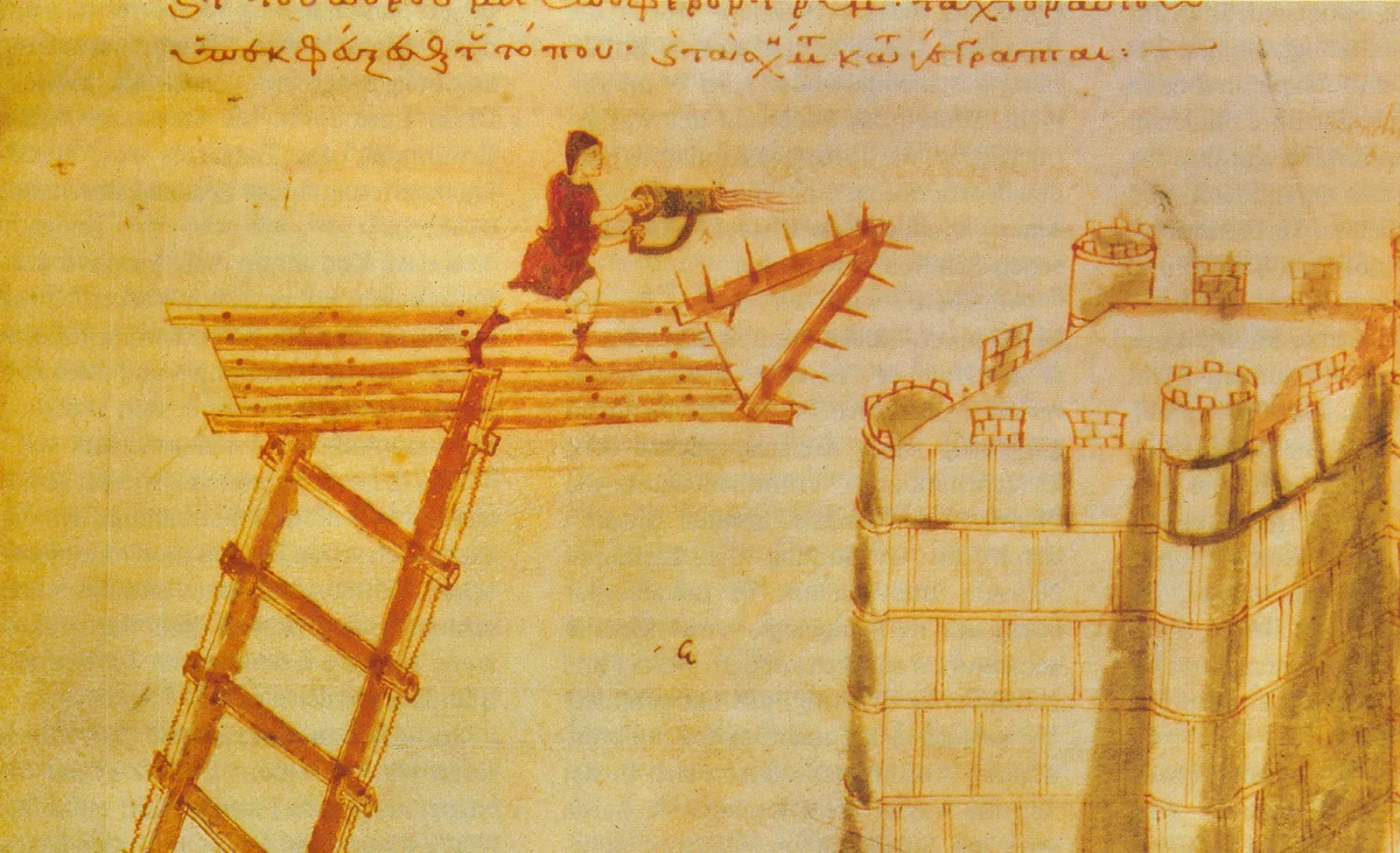
Imagine a weapon so terrifying that water couldn’t extinguish it. The art of compounding Greek fire was a secret so closely guarded that its precise composition remains unknown to this day. Most modern scholars agree that Greek fire was based on petroleum mixed with resins, comparable in composition to modern napalm, but the exact formula is still debated.
The complete weapon system included the specialized dromon ships that carried it, the device used to prepare the substance by heating and pressurizing it, the siphon projecting it, and knowledge was highly compartmentalized. The formula for Greek fire has never been confirmed, and although historians and chemists have speculated for centuries, no original record survived, with likely ingredients including petroleum, sulfur, quicklime, pine resin, and perhaps metal powders. Byzantine emperors passed the secret down through generations until it was eventually lost.
Stradivarius Violins: Sound Quality Beyond Modern Understanding

For centuries, violin makers have tried and failed to reproduce the pristine sound of Stradivarius and Guarneri violins. The exact methods Stradivari used to produce the instruments’ famed sound remain unknown, with theories ranging from unique quality of wood used during the Little Ice Age to varnishes and chemical treatments applied. These instruments can fetch millions at auction, yet their acoustic properties continue to puzzle researchers.
Researchers found numerous chemicals in the wood, among them borax, fluorides, chromium and iron salts, and the presence of these chemicals all points to collaboration between violin makers and the local druggist at the time. Honestly, it’s fascinating that we can analyze the chemical makeup but still can’t produce that exact sound. Blind experiments conducted since the 19th century have often found no significant difference between Stradivari and high-quality modern violins, making some question the objectivity of the instruments’ legendary status, though many musicians insist the difference is real.
Wootz Steel: India’s Metallurgical Mystery
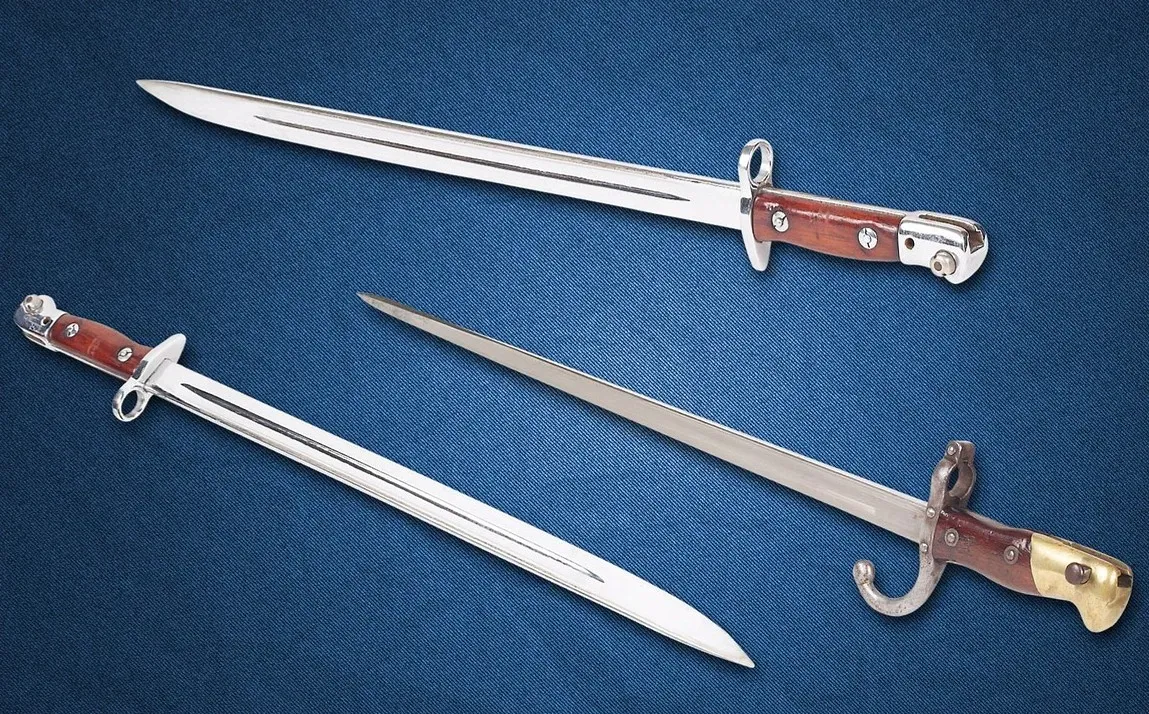
Long before the Industrial Revolution, ancient Indian metallurgists were producing Wootz steel, a material of such high quality and carbon content that it baffled European colonizers. This wasn’t just any steel; it was the foundational material for Damascus steel blades. The production process involved a complex smelting technique in crucibles that created a unique microstructure.
The formula for wootz Damascus has been lost to history, and by the early 19th century it was no longer being produced, possibly because metalsmiths kept some of the process secret and possibly because the special combination of ores dried up. The discovery of alleged carbon nanotubes in Damascus steel’s composition could support the hypothesis that wootz production was halted due to loss of ore sources or technical knowledge. Modern attempts come close, but something essential remains elusive.
Ancient Concrete in Marine Environments: Engineering Against Nature
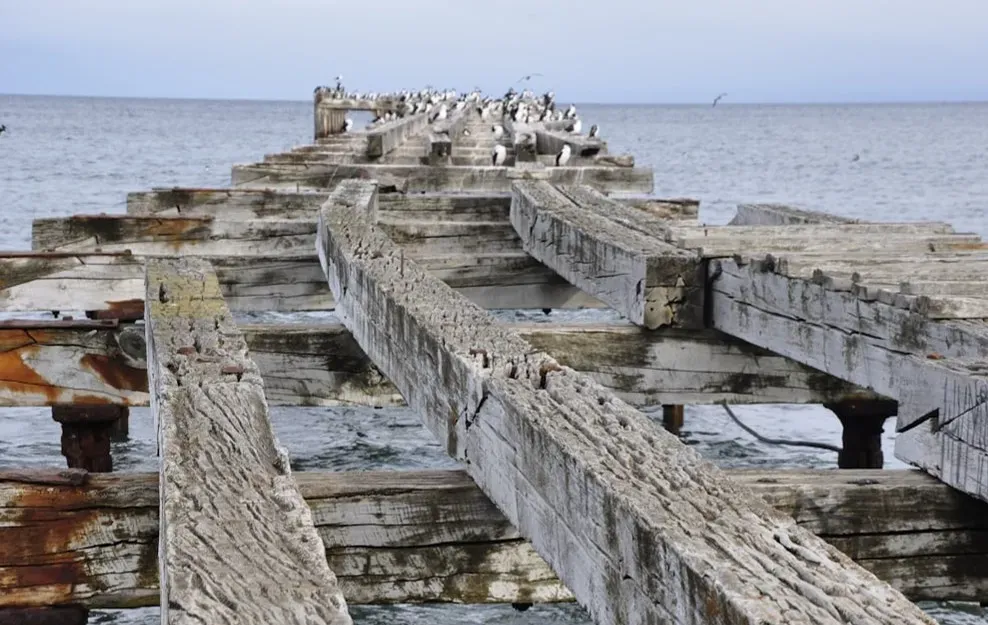
Even in corrosive saltwater environments, Roman concrete harbor structures have remained strong and intact for more than 2,000 years. Compare this spectacular longevity to modern-day Portland cement, which, even when reinforced with rebar, might last 100 years in a marine environment. The difference isn’t just impressive; it’s almost embarrassing for contemporary engineering.
As seawater percolated within tiny cracks in Roman concrete, it reacted with phillipsite naturally found in volcanic rock and created aluminous tobermorite crystals, resulting in a candidate for the most durable building material in human history. In contrast, modern concrete exposed to saltwater deteriorates within decades. The Romans essentially created a material that got stronger with time in harsh conditions, while ours falls apart.
The Viking Ulfberht Swords: Medieval Steel Centuries Ahead of Its Time
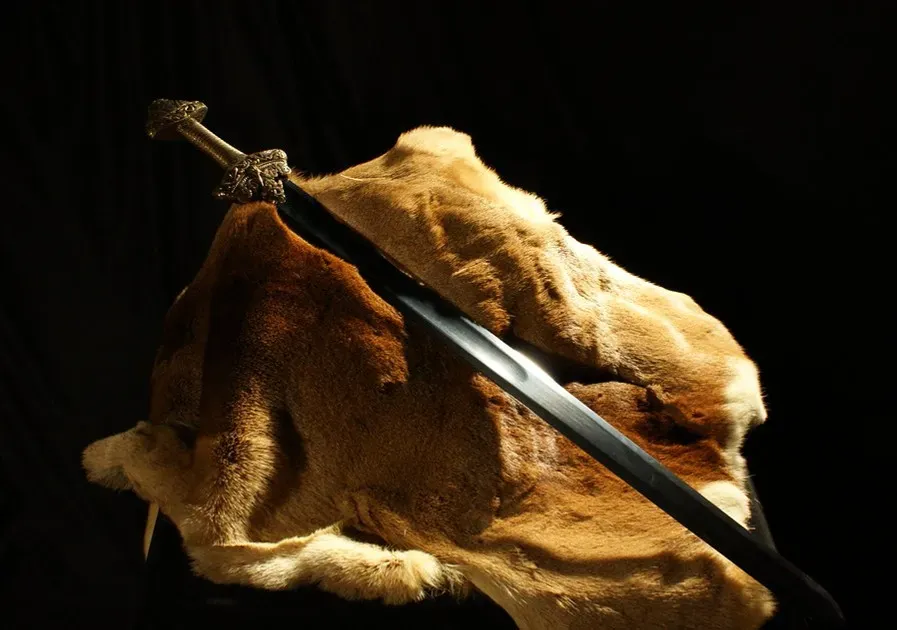
Viking Ulfberht swords are legendary, forged between the 9th and 11th centuries, carrying the mysterious inscription “+ULFBERHT+” and made from steel that was centuries ahead of its time. Metallurgical analysis shows remarkably pure steel, similar to what’s produced in modern factories using advanced technology. How did Vikings achieve this level of purity without industrial furnaces?
How Viking smiths acquired the knowledge and resources to create such quality is still debated, with some suggesting imported materials and secret forging techniques, while the original process and source of high-carbon steel remain an enigma. Let’s be real, we can make replicas today, but the original methods are lost. These swords represent a technological peak that medieval Europe shouldn’t have been able to reach, at least according to our understanding of that era’s capabilities.
The Lycurgus Cup: Ancient Nanotechnology in Glass
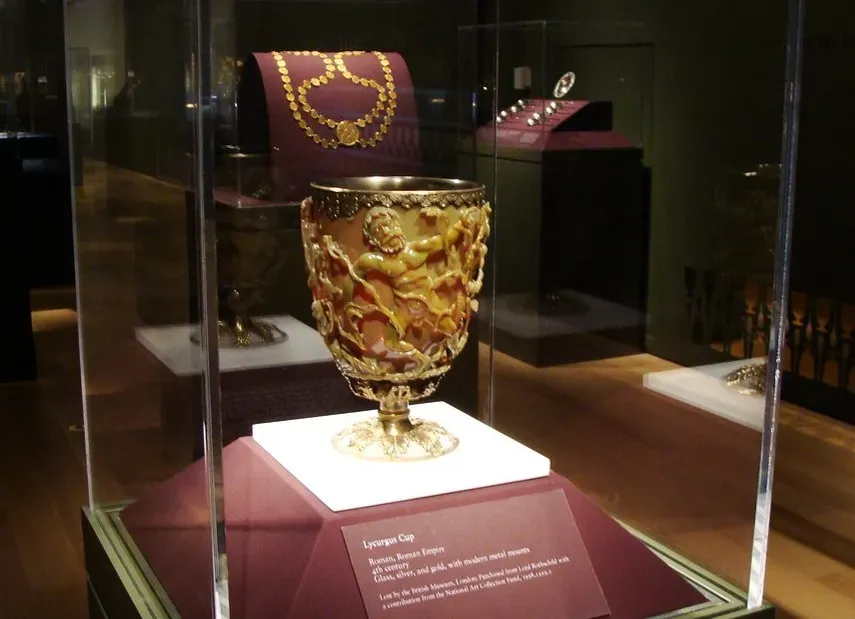
The Lycurgus Cup, created in the 4th century AD, is a dazzling example of ancient Roman craftsmanship that changes color from green to red under certain lighting, with this magical effect actually resulting from tiny particles of gold and silver embedded in the glass, demonstrating sophisticated understanding of materials at the nanoscale. This isn’t just pretty; it’s legitimate nanotechnology from over 1,600 years ago.
Modern scientists have only recently begun to understand and replicate such effects, known as dichroism, and no other ancient artifact has been found to use this technique so effectively, revealing a technological leap that would not be matched for over a thousand years. The Romans somehow manipulated matter at scales invisible to the naked eye. What do you think about that? Pretty remarkable stuff when you consider they had no microscopes or modern tools.
These lost technologies remind us that progress isn’t always linear. Knowledge can be forgotten, techniques can vanish, and sometimes our ancestors knew things we’re still struggling to relearn. The ancient world wasn’t primitive; it was sophisticated in ways we’re only beginning to appreciate. Perhaps the real question isn’t just how they did it, but what else have we lost along the way?