Writers don’t always get the final say about their own creations. Sometimes a character takes on a life of its own, and the people reading the books decide it’s not time for goodbye.
The seven authors below each tried, in one way or another, to step away from a character or a story world. Readers kept asking for more, and the writers eventually gave in. The details vary, and in a few cases the exact motives are still debated, so the sections note where the record is firm and where it’s looser.
Arthur Conan Doyle and the Return of Sherlock Holmes

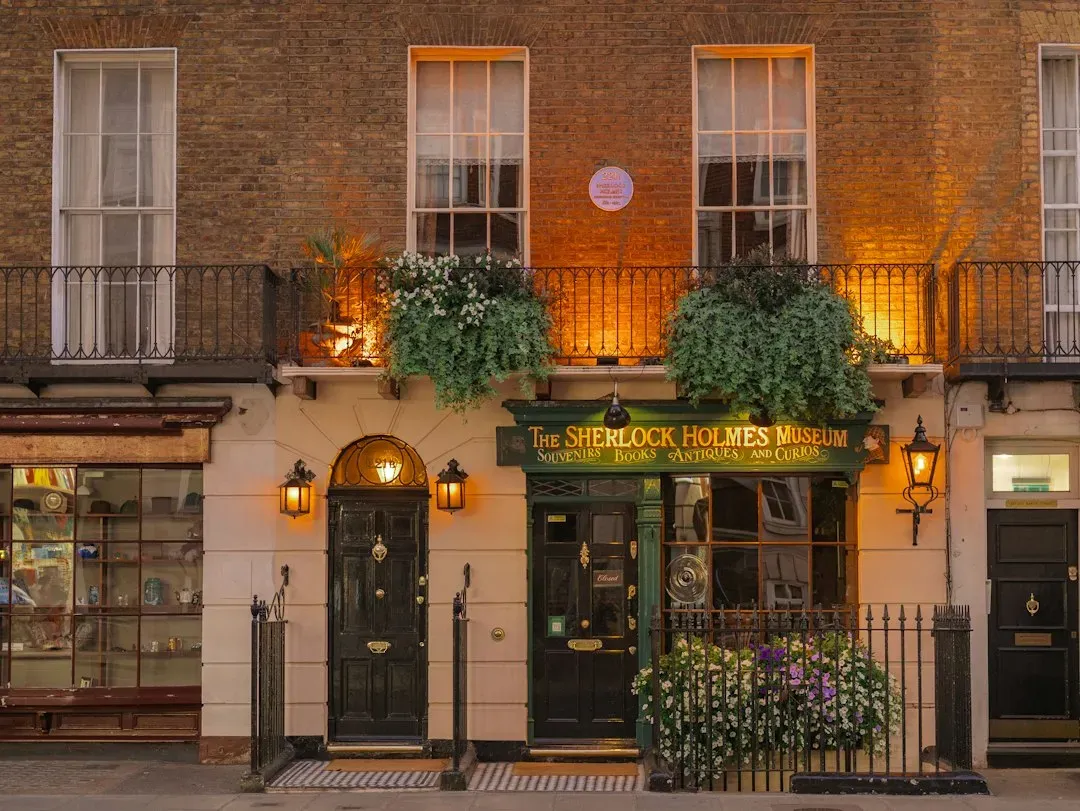
Doyle is the classic example. In December 1893 he sent Holmes over the Reichenbach Falls in “The Final Problem,” because he wanted to focus on other writing. The public reaction was strong, and accounts often describe readers cancelling subscriptions to The Strand Magazine and wearing black armbands, though the exact figures vary by source.
Doyle did loosen his stance. He wrote The Hound of the Baskervilles, serialized in 1901 and 1902, and set it before Holmes’s supposed death. Then in 1903 “The Adventure of the Empty House” brought Holmes back for good, and Doyle kept adding stories until 1927.
L. Frank Baum Keeps Going Back to Oz

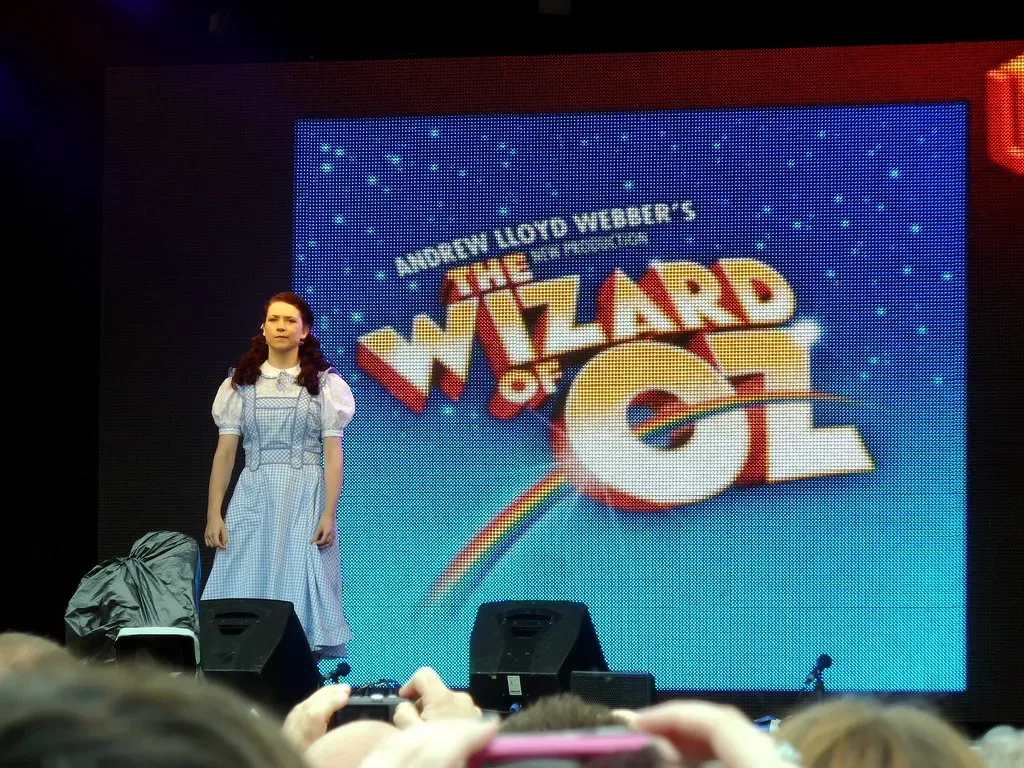
The Wonderful Wizard of Oz came out in 1900, and Baum first seemed content to leave it there. Children wrote to him asking for more, and he returned with The Marvelous Land of Oz in 1904. He also wrote non Oz books in between, with mixed commercial results.
In 1910 he tried to close the series with The Emerald City of Oz, even suggesting that Oz would be cut off from the outside world. Reader demand and his own money troubles pulled him back, and The Patchwork Girl of Oz appeared in 1913. By the end of his life he had written fourteen Oz novels, and other authors continued the series after his death.
Louisa May Alcott and the March Sisters

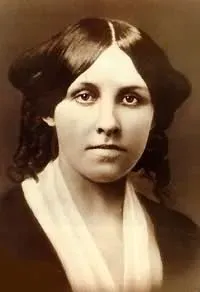
Little Women appeared in 1868, and readers immediately wanted to know what happened to the sisters. A second volume followed in 1869, which later editions often combine with the first. Alcott herself was reportedly not eager to push the story along, especially when readers hoped for particular marriages.
She continued the family story with Little Men in 1871 and Jo’s Boys in 1886. Both books followed Jo’s school for boys and the next generation. They show a writer who kept returning to a world she’d intended to leave, partly because audiences wouldn’t let it go.
Maurice Leblanc and Arsène Lupin

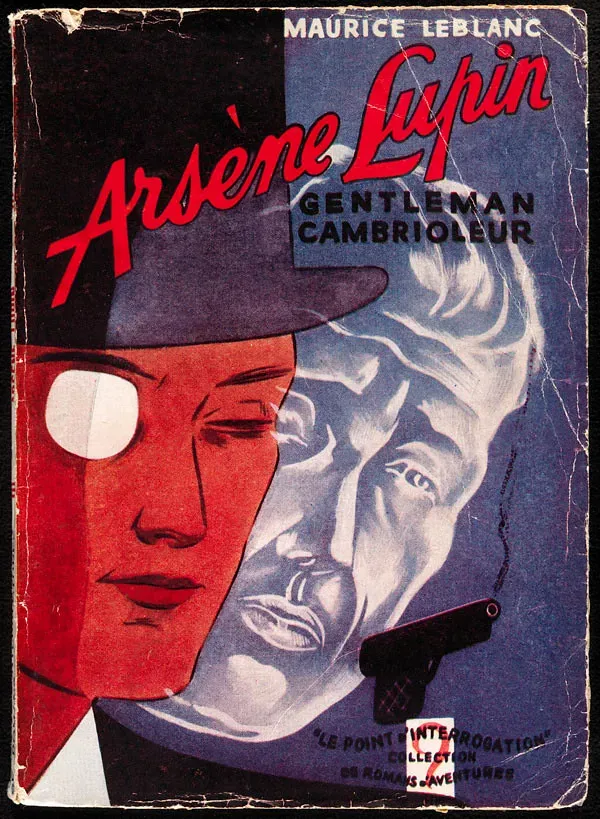
The French writer Maurice Leblanc introduced the gentleman thief Arsène Lupin in 1905. Lupin proved so popular that Leblanc became linked to him, and by many accounts he grew weary of the role. He still brought the character back again and again over the following decades.
Partner offer

Leblanc even set Lupin against a Sherlock Holmes lookalike, which led to a legal complaint from Doyle’s side and a change of name in later editions. The Lupin books kept appearing into the 1930s, and the character remains a French cultural fixture. The series reached a much wider audience when a French television adaptation of Lupin arrived on Netflix in 2021.
Lucy Maud Montgomery Returns to Anne of Green Gables

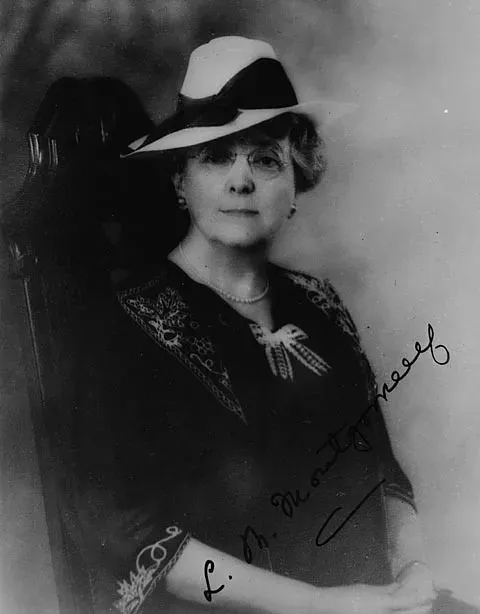
Montgomery published Anne of Green Gables in 1908, and its success led to a string of sequels. Anne of Avonlea came the following year, followed by several more books through the early 1920s. By then Montgomery seemed ready to move on.
Even so, she came back to Anne in the 1930s. Anne of Windy Poplars appeared in 1936 and Anne of Ingleside in 1939, filling in gaps in Anne’s adult life. Sources often credit continuing reader and publisher interest, though Montgomery’s own feelings about the character were more complicated than the cheerful books suggest.
Edgar Rice Burroughs and Tarzan

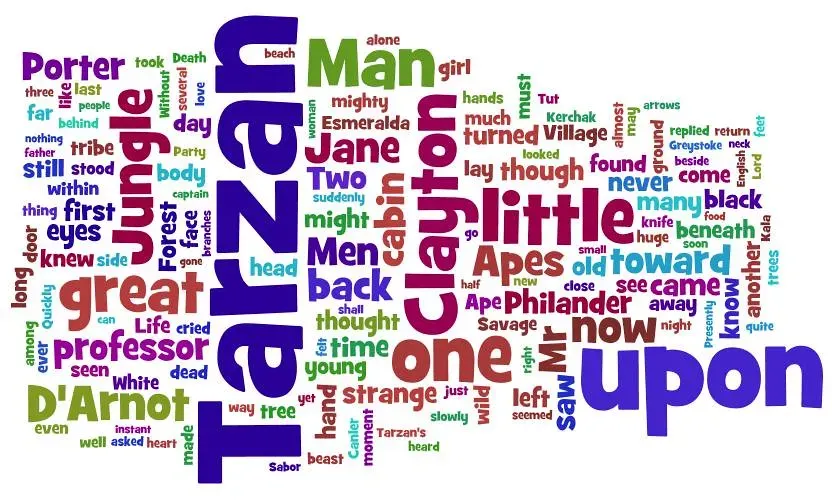
Tarzan of the Apes was first published in 1912 and became a hit almost at once. Burroughs went on to write twenty four Tarzan novels, and the character spread into films, comics, and radio. Public appetite was a major reason the stories kept coming.
Burroughs also had a business mind. He formed his own company to manage the Tarzan rights, which let him decide how the character was developed. It’s hard to say how much of the series was driven by readers and how much by his own commercial instincts, but the demand was clearly real.
Roald Dahl and Charlie’s Second Trip

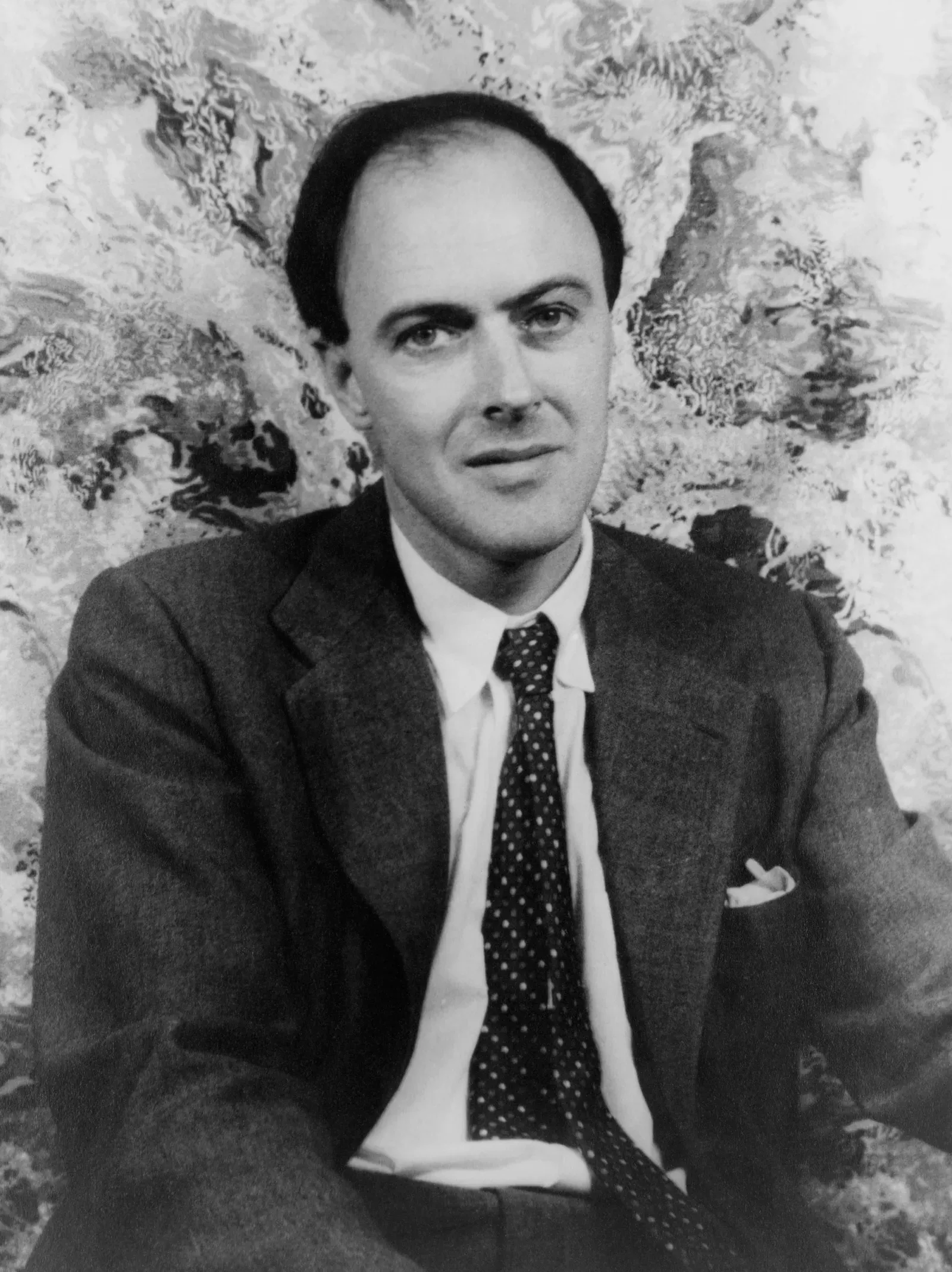
Charlie and the Chocolate Factory was published in 1964 and quickly became a favorite with children. Many young readers wanted to know what happened after Charlie and Grandpa Joe flew off in the glass elevator. Dahl answered with Charlie and the Great Glass Elevator in 1972.
The sequel was a stranger and more chaotic book, and it never matched the original’s reputation. Dahl took years to write it, which suggests he wasn’t simply following orders. Still, it exists largely because the first book left readers wanting more.
What These Comebacks Have in Common

In every case, the character mattered more to the audience than the author’s plan. Holmes, Lupin, Anne, Tarzan, Oz, the March family, and Charlie all outgrew the first book that introduced them. Some writers returned reluctantly, while others quietly welcomed the excuse.
The same pattern is still visible with franchises today. A series that looks finished can restart when readers keep asking, and a publisher can see the numbers. Doyle’s return of Holmes in 1903 remains the most famous example.
Partner offer
Planning a trip to Vegas?
Compare hotel rates and show tickets on VEGAS.com.