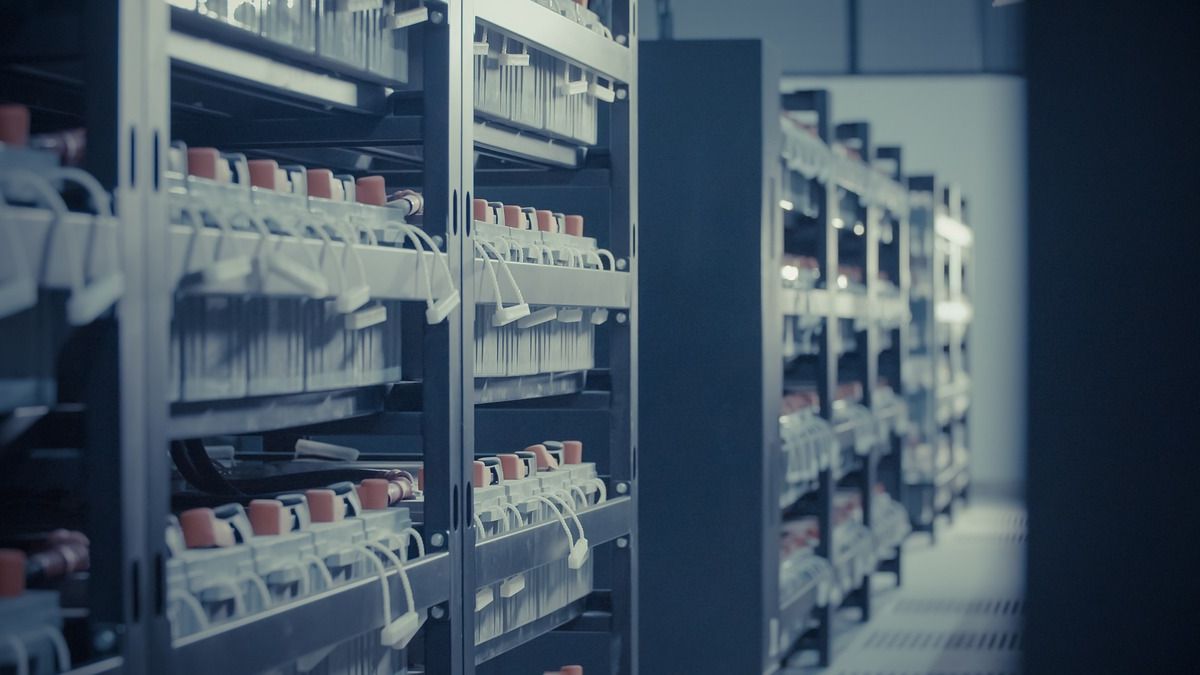

Las Vegas data center research explores impact of state’s 60+ facilities – Image for illustrative purposes only (Image credits: Pixabay)
Nevada residents have watched their state become one of the most attractive places in the country for large-scale computing facilities. Abundant open land, relatively low energy prices, and favorable tax policies have placed Nevada among the top five destinations for companies planning new data centers. That growth has now prompted the Desert Research Institute to release an updated assessment of how these operations affect the state’s water supplies and power grid.
Why Companies Keep Choosing Nevada
The combination of factors that draw data centers here is straightforward. Large tracts of land remain available at costs lower than in coastal technology hubs. Electricity rates stay competitive for industrial users, and state tax structures reduce the financial burden during construction and operation. These advantages have helped push the total number of data centers past 60, according to the latest state overview.
Each new facility adds to the overall demand for resources that Nevada already manages carefully. The state’s arid climate means water is never taken for granted, while electricity generation and transmission must keep pace with both population growth and industrial expansion. The Desert Research Institute’s work focuses on turning those broad trends into measurable patterns.
What the Updated Study Shows
The new report, released on Wednesday, compiles consumption figures for water and electricity across the existing facilities. Rather than offering a single headline number, the analysis presents a statewide picture that accounts for differences in facility size, cooling technology, and location. Researchers emphasize that exact totals can vary with weather, server load, and operational choices, leaving some uncertainty about future projections.
By translating raw utility data into clearer categories, the study helps local planners and residents understand the scale of use without requiring technical expertise. It also highlights areas where more detailed monitoring could reduce unknowns, such as seasonal spikes in cooling demand during summer months.
Putting the Numbers in Context
Data centers do not operate in isolation. Their electricity needs intersect with the same grid that serves homes and businesses, while water use for cooling systems draws from sources already allocated for agriculture, municipalities, and the environment. The Desert Research Institute’s map of the 60-plus sites makes these connections visible by showing where facilities cluster and how their locations relate to existing infrastructure.
One practical example appears in the way cooling systems account for a large share of water consumption. Facilities that rely on evaporative cooling can use millions of gallons annually, depending on size and efficiency upgrades. The study notes that newer designs sometimes reduce this demand, yet adoption rates differ across operators, leaving room for further improvement.
Looking Ahead
The updated overview arrives at a moment when Nevada continues to receive inquiries from additional data-center developers. State and local officials now have a clearer baseline for evaluating proposals and planning infrastructure investments. At the same time, the report underscores that long-term impacts will depend on technology choices, conservation measures, and how quickly new capacity comes online.
For everyday Nevadans, the research offers a reminder that economic development and resource stewardship remain linked. Continued monitoring will help determine whether the benefits of these facilities can be sustained without straining the very conditions that make the state appealing in the first place.