
There was a time when a wall of DVDs felt like an achievement. Hundreds of cases, organized by genre or director, each one a physical claim on a movie you loved enough to own. That era is now firmly in the rearview mirror. The format that once generated over sixteen billion dollars a year in U.S. sales alone has become, by most measures, a niche product for a shrinking audience.
Yet millions of collectors still have those shelves. The discs haven’t vanished overnight, even if the culture around them has. So what are people actually doing with collections that once took years and serious money to build? The answers range from surprisingly smart to quietly sentimental.
The Scale of the Collapse Is Hard to Overstate

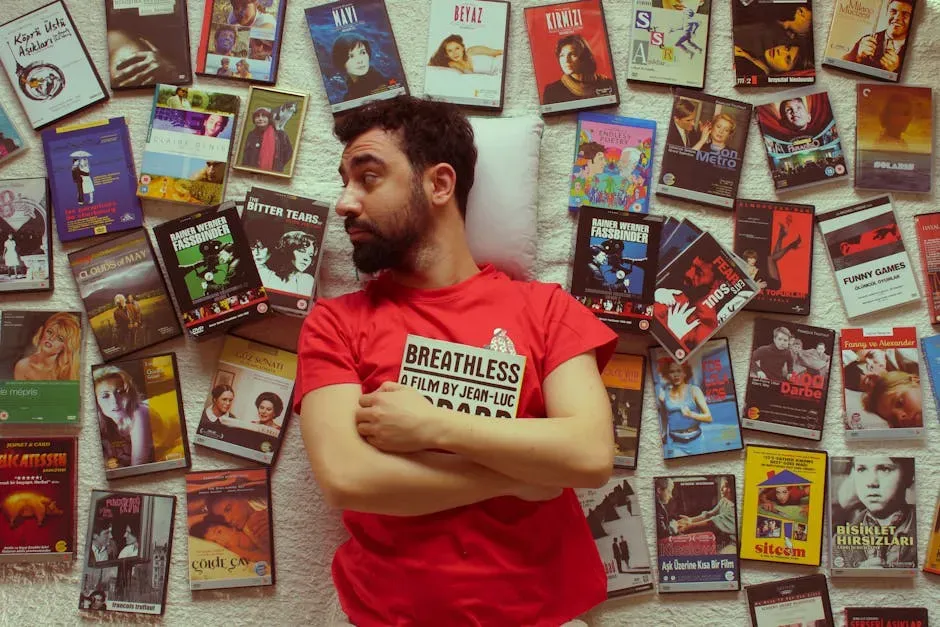
The physical media market saw a substantial decline of nearly a quarter year-over-year in 2024, with total sales revenue in the U.S. falling to just under one billion dollars, a stark contrast to its peak of sixteen billion dollars in 2005. That’s not a gradual slide. That’s a near-total transformation of how people consume film at home.
In 2015, total U.S. sales of DVDs and Blu-rays still reached over six billion dollars. By 2025, those figures had fallen to approximately 870 million dollars, marking a drop of roughly 85 percent over a single decade. For collectors who built their libraries during the format’s golden years, those numbers carry a certain sting.
Retailers Have Already Made Their Exit
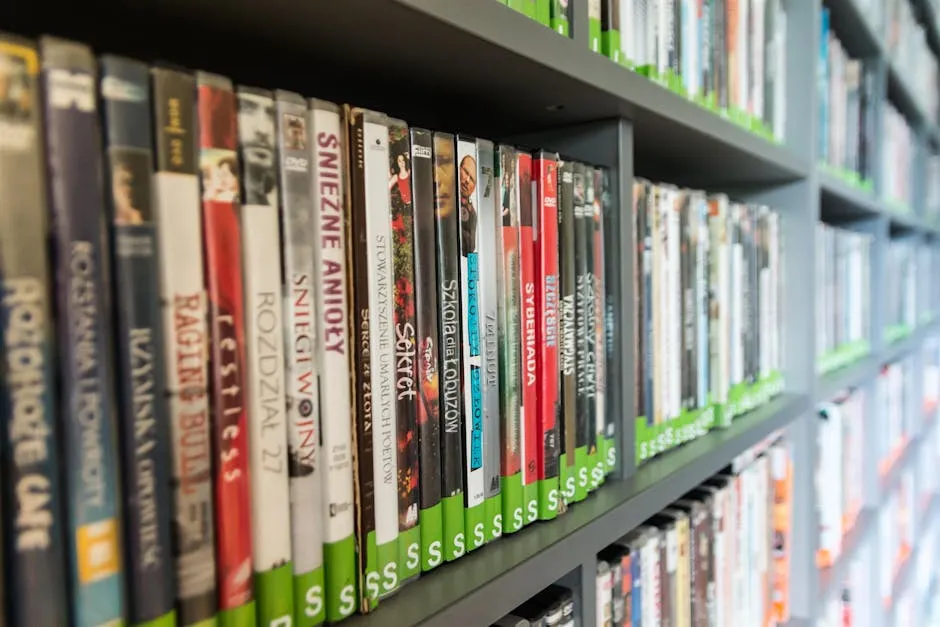
Netflix ended its DVD rental service in 2023, and Best Buy discontinued DVD sales in October 2023, with other retailers like Target and Walmart reducing shelf space for physical media. For decades these stores were the primary destination for casual buyers and dedicated collectors alike. Their departure changed the landscape permanently.
Major retailers accelerated the shift by largely withdrawing from physical media categories between 2023 and 2025, with chains that once devoted significant shelf space to DVDs redirecting focus toward other products and pushing remaining sales toward online platforms and specialty labels. The collector who used to browse a physical aisle now scrolls through eBay listings instead.
Digitizing the Collection Into a Personal Media Server


One of the most popular moves among tech-comfortable collectors is converting physical discs into digital files and storing them on a home media server. A common reason people do this is to digitize their physical DVD movie collection and have access to their movies and TV shows on any device, avoiding the inconvenience of having to physically insert a DVD every time they want to watch, while also storing a digital copy without the risk of physical damage or disc rot.
Software setups like Automatic Ripping Machine are commonly deployed on home servers or always-on PCs, making them especially popular among Plex and Jellyfin users who want a largely hands-off way to digitize large physical media collections, with the system monitoring optical drives and reacting automatically when a disc is inserted. Tools such as HandBrake and MakeMKV handle the conversion itself, each with trade-offs between file size and quality that serious collectors spend considerable time debating online.
Knowing Which Discs Are Actually Worth Money

Not all DVDs are created equal, and the resale value gap between a common Hollywood blockbuster and a rare out-of-print release can be enormous. Most standard DVDs are worth only one to three dollars, but out-of-print titles, steelbooks, horror and cult films, Criterion Collection releases, and complete series box sets can be worth anywhere from twenty to over a hundred dollars. Checking before donating is genuinely worth the time.
Collectors often seek out hard-to-find releases, some buyers look for movies not available on streaming platforms, and some discs even carry historical value – Twister, for example, was the first movie ever released on DVD, and early copies in good shape have been known to sell for a premium. The practical advice is to search completed eBay sales before assuming any disc is worthless.
The Surprising Prices Rare Box Sets Are Fetching


For collectors sitting on limited-edition releases or out-of-print box sets, the resale market has produced some genuinely startling numbers. The Criterion Collection’s Essential Art House: 50 Years of Janus Films, a set containing fifty discs of classic international cinema, originally retailed for 850 dollars, but a mint-condition set sold at eBay auction for 1,899 dollars.
The Mighty Morphin Power Rangers Complete Series Steelbook Box Set has sold for over 1,100 dollars, and fans of Dragon Ball Z can find the Dragon Box Complete Set listed on eBay for as much as nine thousand dollars. These are outliers, of course, but they demonstrate that certain collections have become genuine collectibles in the same way vintage vinyl records or first-edition books have.
Selling Through Online Marketplaces and Specialty Stores

Retail exits have shifted sales to online platforms like eBay, where niche collectors drive demand for rare or limited editions, with eBay reporting a roughly thirty percent year-over-year increase in DVD and Blu-ray listings driven by collectors seeking high-end formats. The secondary market has, in some ways, replaced the retail shelf entirely for serious buyers.
For sellers who want to move their collections, platforms like Facebook Marketplace, eBay, and Craigslist are the main options, and for those who want to skip the hassle of setting a price and shipping items, local thrift shops or used media stores are an alternative worth exploring. Stores like Half Price Books will sometimes make offers on entire collections, though the amounts vary widely depending on what’s in demand at the time.
Donating to Libraries, Schools, and Community Centers


For collectors who simply want their discs to find a good home without the effort of selling, donation remains a genuinely useful route. DVDs that still work can be put to use in places that appreciate them, including libraries, schools, senior centers, shelters, and community centers, which often welcome donations especially when the content is educational or family friendly.
Even if discs are no longer part of a collector’s personal routine, old DVDs can still provide entertainment, comfort, or learning for someone else, with many community spaces still using them for group activities, movie nights, or quiet downtime. It’s worth calling ahead, though. Some libraries have limited shelf space and may only accept certain titles or genres.
The Gen Z Factor and the Physical Media Revival


Something unexpected has happened at the edges of this decline. A younger generation that grew up entirely in the streaming era has started gravitating toward physical media, partly out of genuine enthusiasm and partly as a reaction to rising subscription costs and disappearing titles. Overall disc sales fell just nine percent in 2025 after dropping more than twenty percent in both 2023 and 2024, and U.S. consumers spent twelve percent more on 4K UHD Blu-rays in 2025 than the prior year.
Steelbooks, the limited collector-friendly metal cases that have become the holy grail for serious movie buyers, saw sales jump twenty-five percent from 2023 to 2024. These are not passive purchases made by people who sort of want a movie. These are intentional, deliberate purchases from people who care about owning something physical and permanent. The cultural shift that was supposed to make physical media irrelevant has, in a small but meaningful way, also renewed its appeal.
The Streaming Gap That Keeps Collectors Holding On
One reason many collectors have refused to fully let go of their libraries is that streaming platforms simply don’t carry everything. Licensing agreements expire. Studios pull content. Entire catalogues disappear without notice. Physical media enthusiasts have long prized the tangible ownership of discs, complete with uncompressed audio, bonus features, and artwork that digital versions often lack.
The persistence of a dedicated physical media segment suggests that not all audiences have fully embraced the all-digital future, and for a subset of viewers, the ability to hold a disc and guarantee access regardless of internet connectivity or corporate decisions retains strong appeal. That’s not nostalgia talking. It’s a rational response to a system where you never quite know what will be there next month.
What Happens to the Discs Nobody Wants
The harder question is what to do with the genuinely unwanted discs. Common standard editions of mainstream films have minimal resale value, and most curbside recycling programs don’t accept optical media. Most curbside programs do not accept optical discs, so using an e-waste or optical media recycling service or a mail-in program is the responsible disposal route.
For reuse at home, discs can be turned into coasters, craft projects, or reflective garden tags, and plastic cases can be recycled separately if a local program accepts polypropylene. It’s not glamorous, but it keeps thousands of polycarbonate discs out of landfills. The format that once defined home entertainment is now, for many collectors, entering its final chapter – handled with varying degrees of ceremony depending on how much it once meant to them.