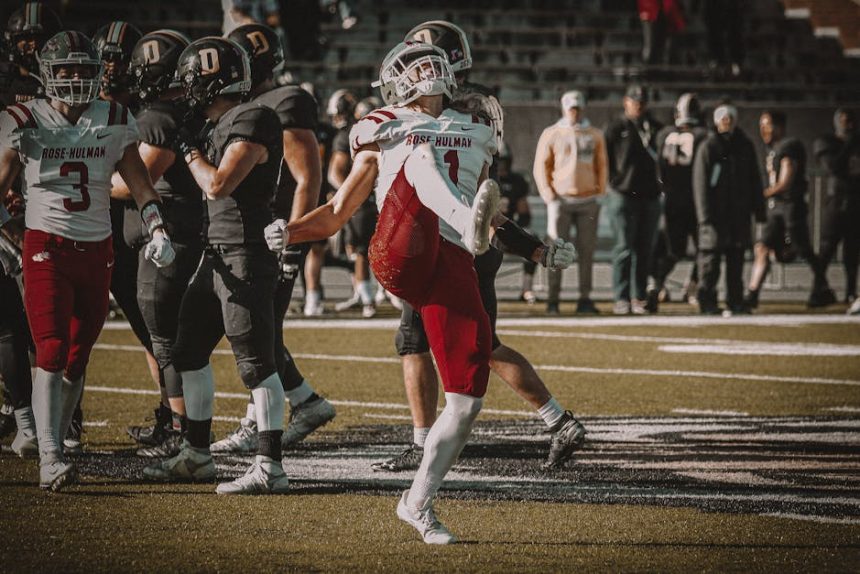
A Direct Response to Presidential Mandate (Image Credits: Pexels)
The National Collegiate Athletic Association faces mounting pressure to standardize athlete eligibility amid a surge in lawsuits and administrative costs. President Donald Trump signed an executive order last week directing the NCAA to establish clear limits, including a five-year participation window.[1][2] NCAA leaders now plan to review a proposal that aligns closely with this directive, potentially reshaping college sports by introducing an age-based cap.[3]
A Direct Response to Presidential Mandate
Trump’s order, titled “Urgent National Action to Save College Sports,” mandates a five-year limit on college athletic participation, with narrow exceptions for military service, missionary work, or public interest absences.[1] It also bars professional athletes from returning to college ranks and restricts transfers to one during the window, plus one more after earning a four-year degree. Federal agencies must enforce compliance through funding reviews and debarment policies for violating institutions.
NCAA President Charlie Baker addressed the order during the Final Four weekend. He noted that Trump sought a simpler process that committees had already discussed.[2] The Division I Cabinet scheduled a review of the matching proposal for next week, though no immediate vote will occur.
Core Elements of the New Framework
The proposal establishes five years of eligibility starting from an athlete’s 19th birthday or high school graduation date, whichever arrives first.[2][3] Exceptions remain limited to maternity leave, military duty, or religious missions; injuries no longer qualify for extensions. Redshirt seasons and traditional waivers disappear entirely.
This shift aims to eliminate case-by-case judgments that have fueled dozens of court battles. Last year alone, the NCAA processed nearly 1,000 eligibility extensions at a cost of about $16 million.[3]
- Eligibility clock: Triggers at age 19 or HS diploma.
- Playing seasons: Up to five within the window.
- No redshirts or injury waivers.
- Transfers: One unrestricted, plus one post-degree.
- Non-retroactive: Current players retain existing eligibility.
From Flexible Seasons to Rigid Timelines
Under present rules, athletes complete four seasons over five calendar years, with redshirts or waivers often adding time. High-profile cases highlight the chaos: Vanderbilt quarterback Diego Pavia sued over junior college seasons counting against his Division I clock, while Ole Miss’s Trinidad Chambliss secured an extra year after playing sparingly.[2] Tennessee’s Joey Aguilar faced denial in court.
The new model introduces objectivity, as New Mexico coach Jason Eck endorsed. “I think it would be great if we got to five years of eligibility for our players,” he said. “Having a really objective criteria would be great.”[2]
| Current Rules | Proposed Rules |
|---|---|
| 4 seasons in 5 years + waivers/redshirts | 5 seasons in 5 years from age 19/graduation |
| Injury exceptions common | No injury waivers; limited exceptions only |
| Case-by-case approvals | Automatic clock, no subjectivity |
Impacts Ripple Across Programs and Recruits
International athletes could see shortened windows despite prior pro experience abroad. Reclassification trends might accelerate as prospects delay college entry to preserve years. Programs like UNLV, in a state hosting the 2027 College Football Playoff, anticipate effects on rosters and rankings.[3]
Sports law attorney Mit Winter described the age-tied limit as “a very sensible rule” for its clarity, though challenges persist. Players argue caps infringe on earning potential amid lucrative NIL deals, now paying millions annually.[2]
Legal Clouds and Path Forward
Implementation could arrive by fall if approved this summer, meeting Trump’s August 1 deadline. The NCAA pursues a limited antitrust exemption from Congress to bolster defenses. Yet experts foresee lawsuits testing the rules’ antitrust viability without employee status or bargaining.[4]
- Proposal simplifies rules but caps careers firmly at five years.
- Responds to lawsuits costing millions in waivers.
- Preserves current players’ rights while targeting future recruits.
This overhaul promises stability for college sports but risks alienating athletes chasing extended NIL opportunities. As discussions unfold, the balance between fairness and finality remains at stake. What do you think about the proposed changes? Tell us in the comments.