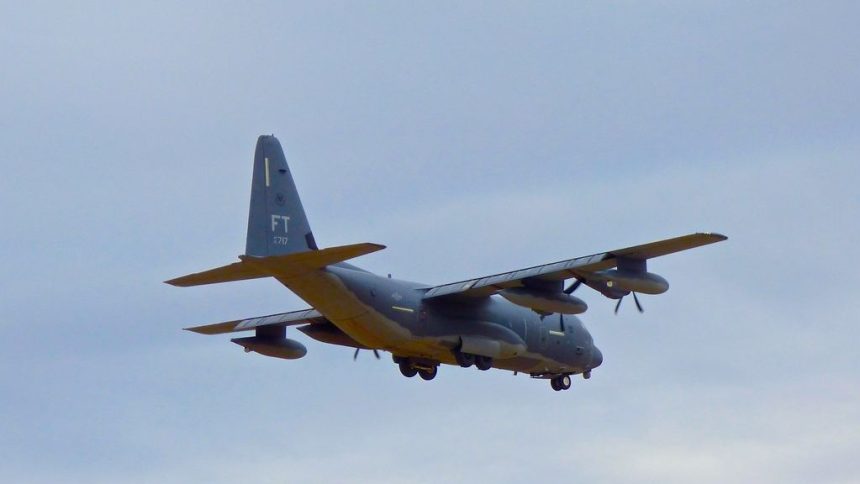
Airliners carrying women and children linked to Islamic State group land in Australia – Image for illustrative purposes only (Image credits: Flickr)
Melbourne, Australia – Two Qatar Airways flights touched down within hours of each other on Thursday, bringing 13 Australian nationals home from years of detention in a Syrian desert camp. One aircraft carried three women and eight children into Melbourne, while the second delivered a woman and her son to Sydney. The arrivals mark the latest government-assisted repatriation of citizens who spent time inside territory once controlled by the Islamic State group.
Details of the Repatriation Flights
The two planes departed Doha minutes apart on Wednesday evening before landing in Australia’s two largest cities. Flight QR904 reached Melbourne first, followed shortly by QR908 in Sydney. Australian officials had confirmed the returns the previous day, ending a long period during which the government had refused to assist citizens held in the camps. Authorities have monitored the group for more than a decade over possible involvement in terrorism offenses and crimes against humanity. Police investigations continue into allegations of atrocities committed during the Islamic State’s rule across Syria and Iraq.
Security Concerns and Ongoing Investigations
The four women face potential criminal charges tied to their time inside the so-called caliphate. Australian police have examined cases involving slave trading and other serious violations. Deakin University extremism researcher Joshua Roose noted that some of the most severe violence within the group was carried out by women, underscoring the need to examine their roles fully. The government had long condemned the women for traveling to Syria to support Islamic State militants. Their return now places renewed pressure on law enforcement to balance accountability with the legal rights of returning citizens.
Priority on Children’s Welfare
Nine of the 13 returnees are children, a fact aid agencies have highlighted since the repatriation was announced. Save the Children Australia chief executive Mat Tinkler stressed that authorities must now focus on giving these young people a chance to rebuild normal lives in Australia. The agency had previously tried and failed in court to force earlier returns from the camps. Tinkler said the emphasis should shift away from the adults’ past decisions and toward the practical needs of the children who had no choice in their circumstances.
What Matters Now
Australian governments have conducted similar repatriations twice before, while other citizens have returned independently. The current group’s arrival tests the country’s ability to manage security screening, child protection, and potential prosecutions at the same time.
The development leaves officials with a clear set of immediate tasks: complete health and security checks, place the children in appropriate care, and advance the long-running criminal inquiries. How those steps unfold will shape public confidence in the handling of future cases involving Australians who spent time in conflict zones.