


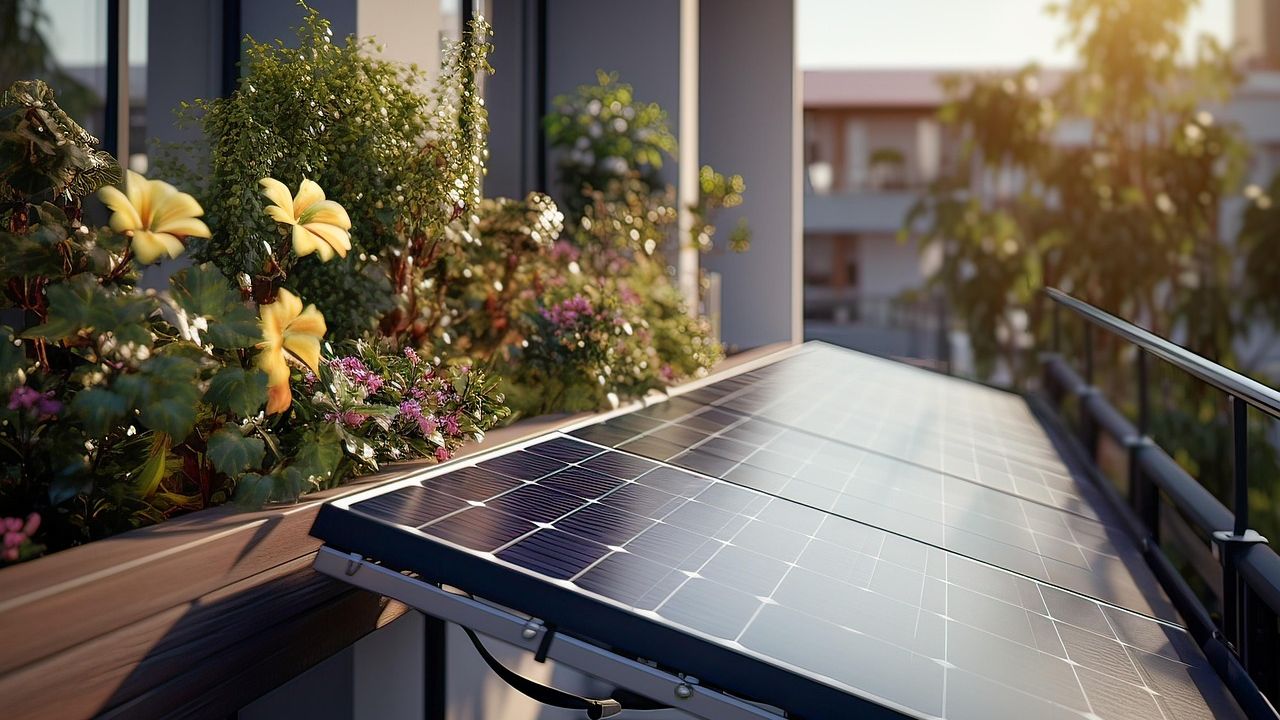

Where does balcony solar stand in your state? – Image for illustrative purposes only (Image credits: Pixabay)
Homeowners facing higher electricity bills have begun turning to balcony solar systems as a practical alternative. These compact setups allow users to generate their own power with minimal effort and no major construction. Recent attention has focused on how the technology operates without relying on incentives or permits in many areas. The result is a growing interest in solutions that fit directly into everyday living spaces.
Simple Setup Changes the Equation for Everyday Users
The core advantage lies in the design that requires no specialized tools or expertise. Users can position the panels on a balcony or similar outdoor area and connect them to a standard wall outlet. This plug-in method eliminates the need for roof modifications or electrical upgrades that often accompany traditional solar installations. Many see the approach as a low-barrier entry point into renewable energy. It sidesteps lengthy approval processes that can delay other projects for months. Early adopters report that the entire process can be completed in a single afternoon. The accessibility has drawn attention from people who previously viewed solar as too complex or expensive to pursue.
Partner offer

Cost Savings Add Up Without External Support
Proponents emphasize that these systems deliver direct reductions in monthly utility expenses. Electricity generated on site offsets what would otherwise be drawn from the grid during peak hours. Over time, the accumulated savings can cover the initial purchase price of the kit. The absence of subsidy requirements further strengthens the case for many households. Users avoid paperwork and waiting periods tied to government programs. This independence appeals especially to those in regions where incentive structures change frequently. The financial model rests entirely on the performance of the equipment itself.
Recent Developments Highlight Broader Interest
Coverage of balcony solar has expanded in the past year as more manufacturers enter the market. Updates through mid-May 2026 reflect continued refinement of the kits for safety and efficiency. Interest appears steady among renters and apartment dwellers who lack access to traditional rooftop options. A short list of practical considerations includes:
– Checking local building codes before purchase
– Ensuring the outlet can handle the load safely
– Monitoring output through the kit’s built-in display
– Planning for seasonal adjustments in sunlight exposure These steps help users integrate the systems smoothly into their routines. The technology continues to evolve as more households test its limits in real conditions. Its straightforward nature suggests it will remain a topic of discussion among those seeking straightforward ways to manage energy costs.
Partner offer
Planning a trip to Vegas?
Compare hotel rates and show tickets on VEGAS.com.


