The Satanic Verses by Salman Rushdie

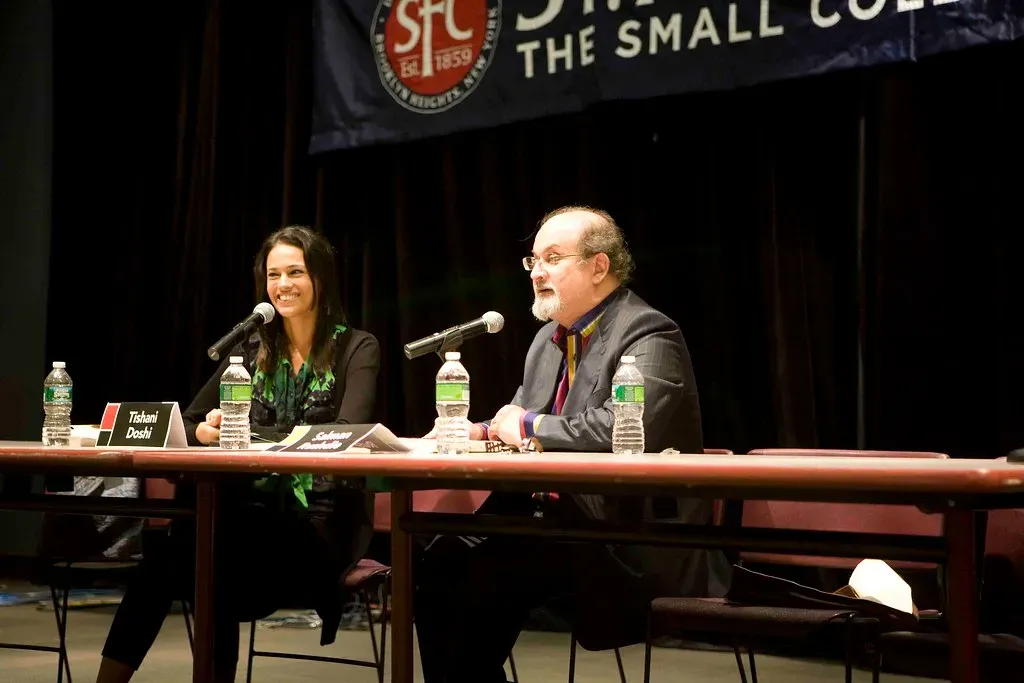
Salman Rushdie’s 1988 novel became one of the most controversial books of the late twentieth century, with some Muslims viewing its satirical use of Islam as blasphemous and Ayatollah Ruhollah Khomeini of Iran issuing a fatwa calling for the killing of Rushdie and his publishers. India banned the book’s import before the month ended, followed by Bangladesh, Sudan, and South Africa in November 1988, then Sri Lanka by December. On February 12, 1989, a 10,000-strong protest in Islamabad resulted in six deaths during an attack on the American Cultural Center. Rushdie spent nearly a decade in hiding before Iran’s government declared in 1998 that it no longer sought to enforce the fatwa.
1984 by George Orwell

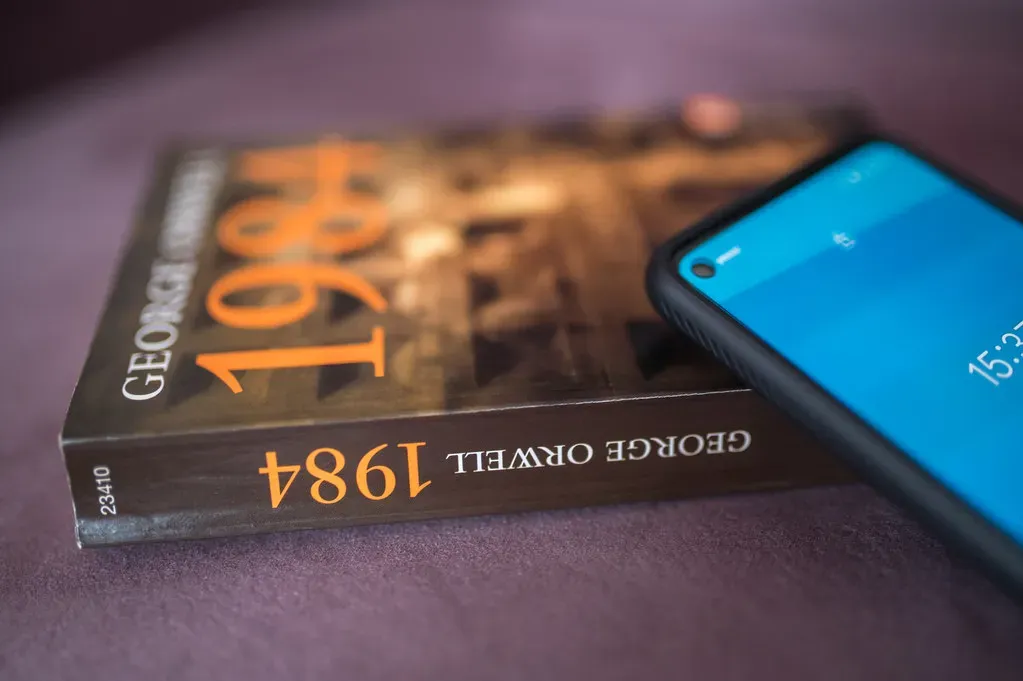
After criticizing Soviet dictator Joseph Stalin through Animal Farm, Orwell went further with 1984 in 1949, prompting Stalin to ban it in the Soviet Union until 1988. The novel depicted a dystopian world where totalitarian government controlled every aspect of life. Beyond Russia, various social groups in the United States denounced the novel and attempted to remove it from bookstores. The book has been banned in numerous countries for its critique of authoritarianism, surveillance, and censorship, serving as a warning about the dangers of totalitarianism.
Tropic of Cancer by Henry Miller

Henry Miller’s autobiographical account of his sexual exploits as an expatriate in France endured around 100 U.S. obscenity cases along with bans in other countries before eventually being deemed not obscene. At the time of its 1934 publication in France, rumor had it the novel was allowed only because it was written in English for English-speaking readers exclusively. Interested readers went to great lengths to smuggle copies into their countries, resulting in numerous confiscations and obscenity cases.
Lolita by Vladimir Nabokov

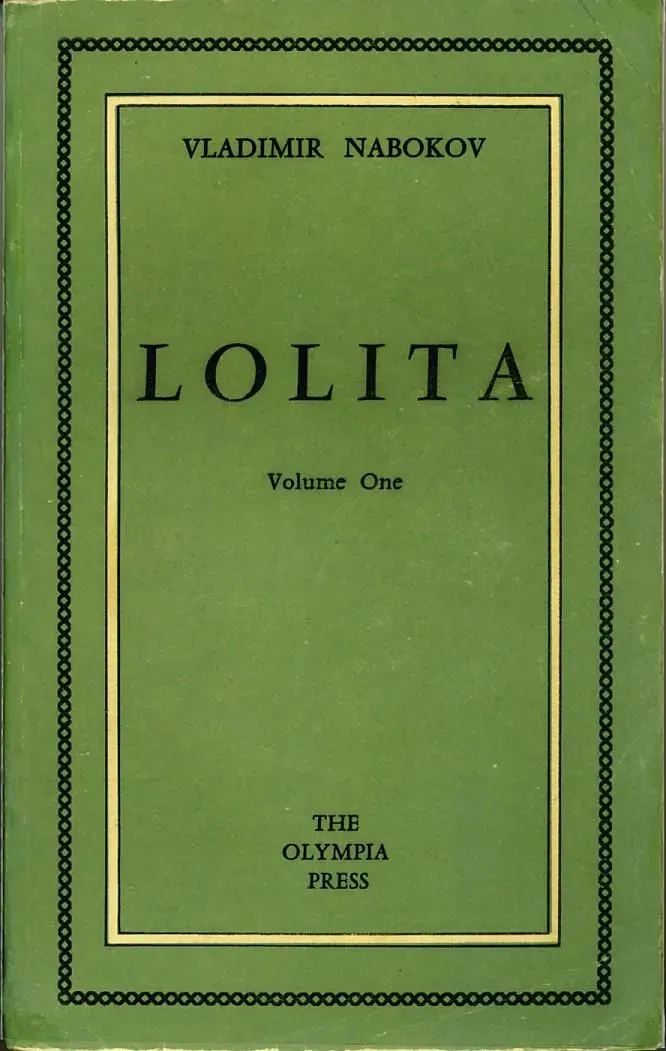
Published in 1955, Lolita tells the story of Humbert Humbert, a middle-aged man obsessed with twelve-year-old Dolores Haze, exploring themes of pedophilia, obsession, and manipulation that immediately sparked outrage and censorship. The book was eventually banned in the UK and France, and was not published in America until 1958. Contemporary critics still cite it as an example of statutory rape and child sexual abuse. Yet honestly, from a purely literary standpoint, many scholars consider it a masterwork of twentieth-century fiction.
The Bluest Eye by Toni Morrison

Since its publication in 1970, there have been numerous attempts to ban The Bluest Eye from schools and libraries because of its depictions of sex, violence, racism, incest, and child molestation. The novel appears frequently on banned book lists. The National Association for the Advancement of Colored People claimed that such censorship perpetuates ignorance and intolerance, leaving youth unprepared to tackle racism’s complexities. Morrison’s work remains a critical part of America’s literary heritage, capturing profound truths about race and trauma that continue to resonate.
A Clockwork Orange by Anthony Burgess
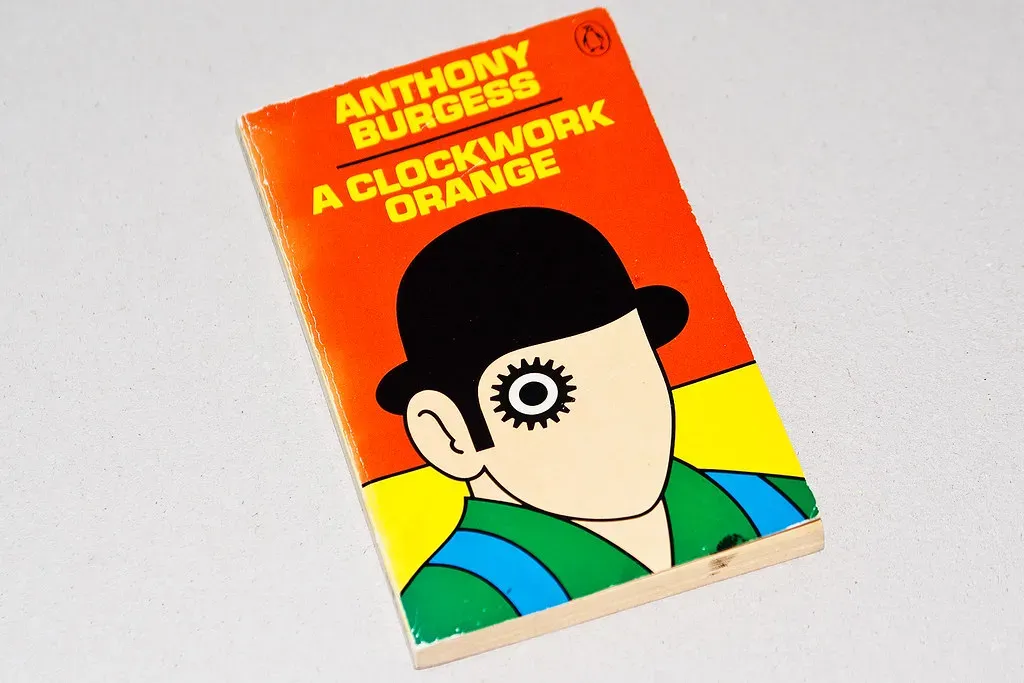
The 1962 dystopian novel A Clockwork Orange was the most banned book in the 2024-2025 school year according to the PEN America Index of School Book Bans. Burgess’s influential satirical work depicts a world where teen protagonist Alex creates mayhem before undergoing aversion therapy to curb his violent tendencies, described as a frightening fable about good, evil, and human freedom. The violence and disturbing imagery provoked widespread controversy. Still, the book’s exploration of free will versus state control makes it enduringly relevant.
The Catcher in the Rye by J.D. Salinger


According to the Modern Language Association, The Catcher in the Rye was the most banned book in the United States between 1963 and 1982. The book remains controversial because school shooters and criminals, including Mark David Chapman who killed John Lennon, cited it as an influence, leading to challenges in school libraries as recently as 2009. The novel follows Holden Caulfield, a disillusioned teenager expelled from prep school, as he navigates New York City and grapples with alienation and the perceived phoniness of the adult world.
Looking for Alaska by John Green

Since PEN America began tallying school book bans in 2021, John Green’s popular young adult novel Looking for Alaska has been targeted as many as 147 times. The modern classic chronicles the indelible impact one life can have on another, marked as a groundbreaking voice in contemporary fiction and winner of the Michael L. Printz Award. Looking for Alaska appeared among the most banned books in the 2023-2024 school year. The book’s honest treatment of teenage life, grief, and sexuality made it a lightning rod for censors.
The Handmaid’s Tale by Margaret Atwood

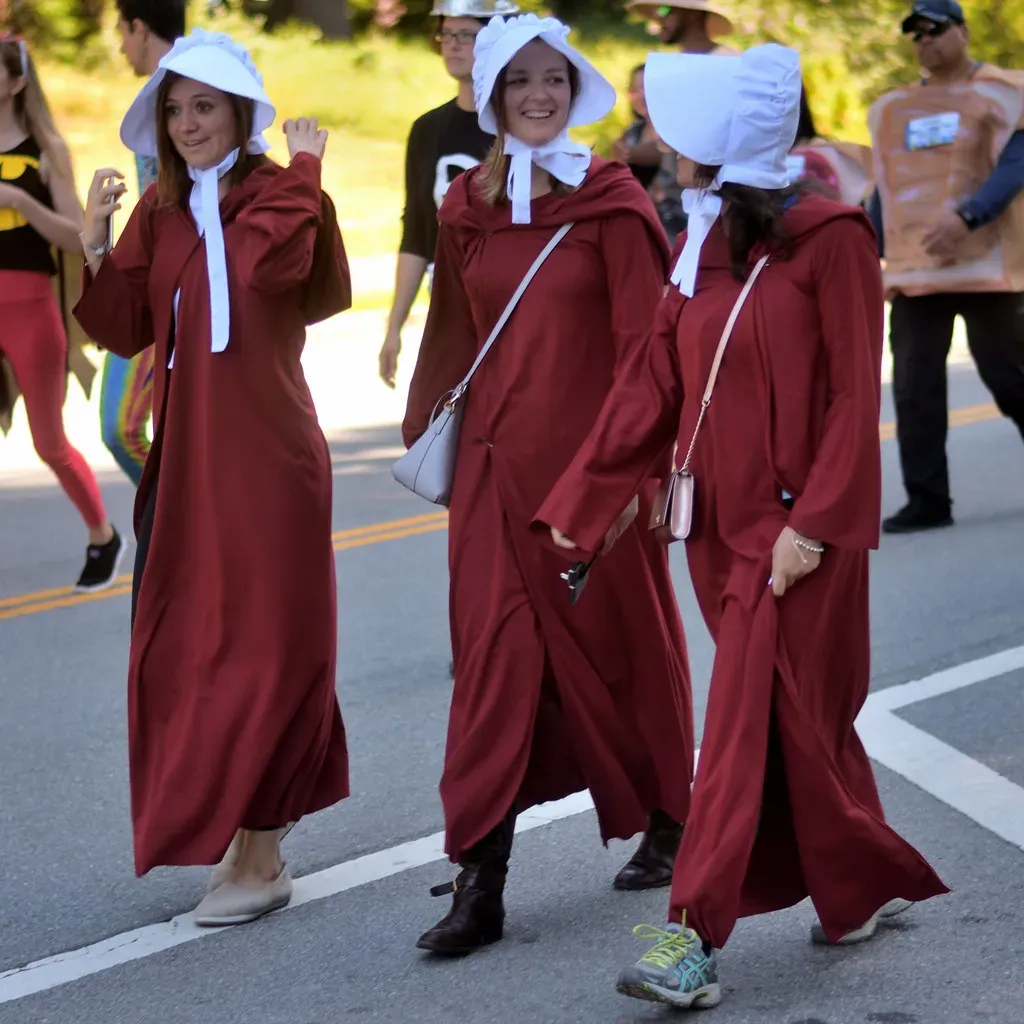
Margaret Atwood’s The Handmaid’s Tale, along with The Kite Runner by Khaled Hosseini, appeared on the list of most banned books in the 2023-2024 school year. The novel depicts Offred as a handmaid in an authoritarian society where she is not permitted to read. The worldwide bestseller has recently been challenged and restricted despite being a household staple. The dystopian vision of a theocratic regime controlling women’s bodies struck particular nerves in recent years.
Gender Queer by Maia Kobabe
Gender Queer was banned, challenged, and restricted for LGBTQIA+ content and because it was considered to have sexually explicit images. The graphic memoir exploring gender identity and sexual orientation became a primary target of recent censorship campaigns. During the 2023-2024 school year, more than 10,000 instances of banned books affected over 4,000 unique titles, with mass book bans often resulting from targeted campaigns to remove books with characters of color, LGBTQ+ identities, and sexual content. Gender Queer exemplifies how contemporary book bans focus on erasing certain identities from public schools.