There’s something fascinating about books that were once considered too dangerous for the public to read. Throughout history, authorities banned works they feared would corrupt minds, challenge power structures, or simply upset the status quo. Yet these forbidden texts often became the very catalysts that reshaped how we think, question authority, and understand ourselves.
What makes a book so threatening that governments, religious institutions, or school boards feel compelled to suppress it? Sometimes it’s explicit content, sometimes political ideology, and other times just ideas that make people uncomfortable. The irony is that banning a book often amplifies its message far beyond what it might have achieved otherwise. Let’s explore the stories behind some of the most controversial books that went from forbidden to foundational.
The Catcher in the Rye by J.D. Salinger
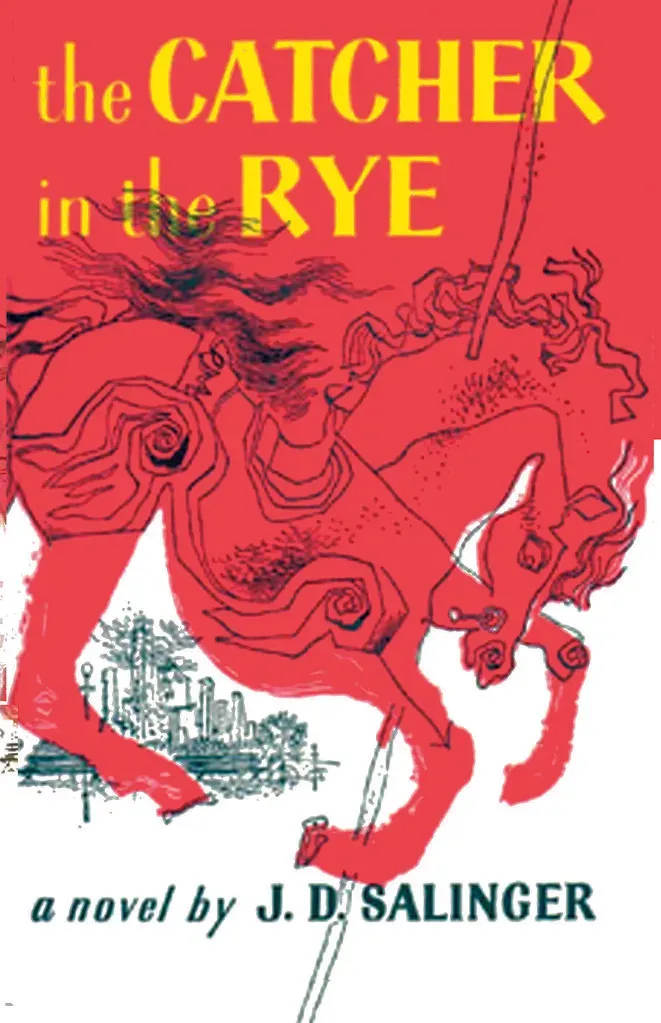
When J.D. Salinger published this novel in 1951, he probably didn’t expect it would become one of the most banned books in American schools. Holden Caulfield’s teenage angst and profanity-laced observations about phoniness struck many adults as corrupting influences. Schools and libraries pulled it from shelves, citing vulgar language and sexual references.
Yet the book resonated deeply with generations of young readers who saw their own confusion and alienation reflected in Holden’s wandering through New York City. It captured something authentic about adolescence that sanitized literature couldn’t touch. Teachers who actually read it recognized its value in discussing mental health, identity, and the painful transition to adulthood.
Today, it’s considered a classic of American literature and is taught in countless classrooms. The very qualities that made it controversial are now seen as its greatest strengths. It taught us that authentic teenage voices deserve to be heard, even when they’re messy and uncomfortable.
1984 by George Orwell
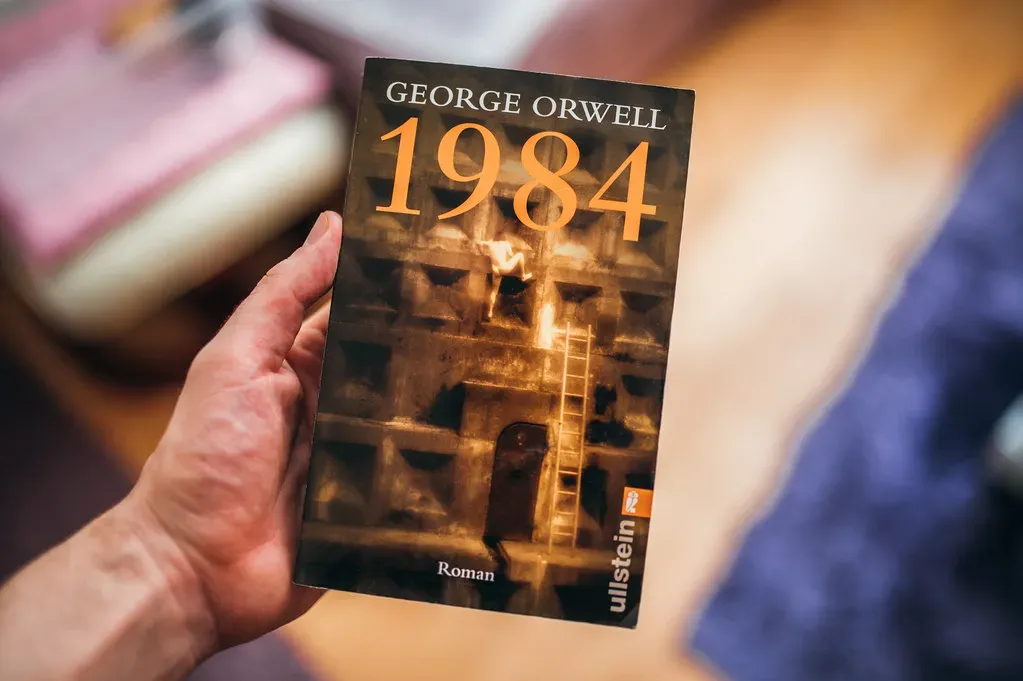
Orwell’s dystopian masterpiece faced bans from both sides of the political spectrum. The Soviet Union banned it for its obvious critique of totalitarianism, while some Western schools objected to its sexual content and dark themes. Written in 1949, the book imagined a future of constant surveillance, thought control, and the manipulation of truth.
The concepts Orwell introduced have become part of our everyday vocabulary. Big Brother, doublethink, thoughtcrime, and Newspeak are now shorthand for understanding how power manipulates reality. Every time we debate privacy rights, government overreach, or media manipulation, we’re working within a framework this book helped establish.
What’s remarkable is how relevant it remains. In an age of surveillance cameras, data mining, and political spin, Orwell’s warnings feel less like fiction and more like instruction manual for recognizing authoritarian tactics. The book shaped how we think about freedom, truth, and the relationship between citizens and state power.
To Kill a Mockingbird by Harper Lee
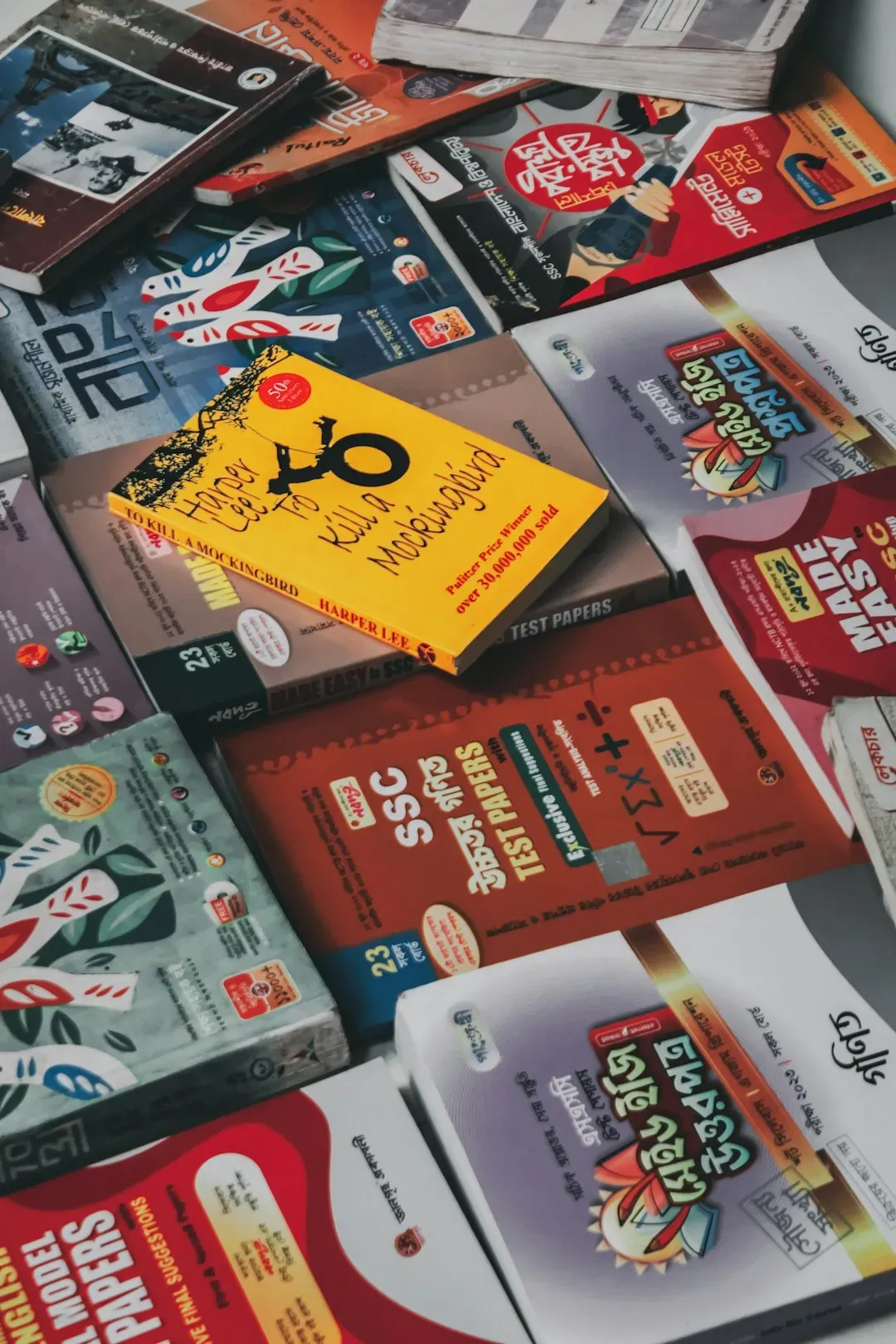
Harper Lee’s 1960 novel about racial injustice in the American South continues to spark controversy. Some communities banned it for its use of racial slurs and depiction of rape, while others challenged it for being either too soft or too harsh on racism. It’s one of those rare books that manages to offend people from multiple perspectives.
Through Scout Finch’s childhood eyes, readers confronted the brutal realities of prejudice and the courage it takes to stand against mob mentality. Atticus Finch became a moral touchstone, representing integrity in the face of social pressure. The book forced uncomfortable conversations about America’s racial history at a crucial moment during the Civil Rights Movement.
Its influence on how we discuss justice, empathy, and moral courage is immeasurable. Generations of lawyers cite Atticus Finch as inspiration for their career choice. The novel demonstrated that literature could be both accessible and deeply important, reaching millions of readers while tackling society’s most painful divisions.
Brave New World by Aldous Huxley
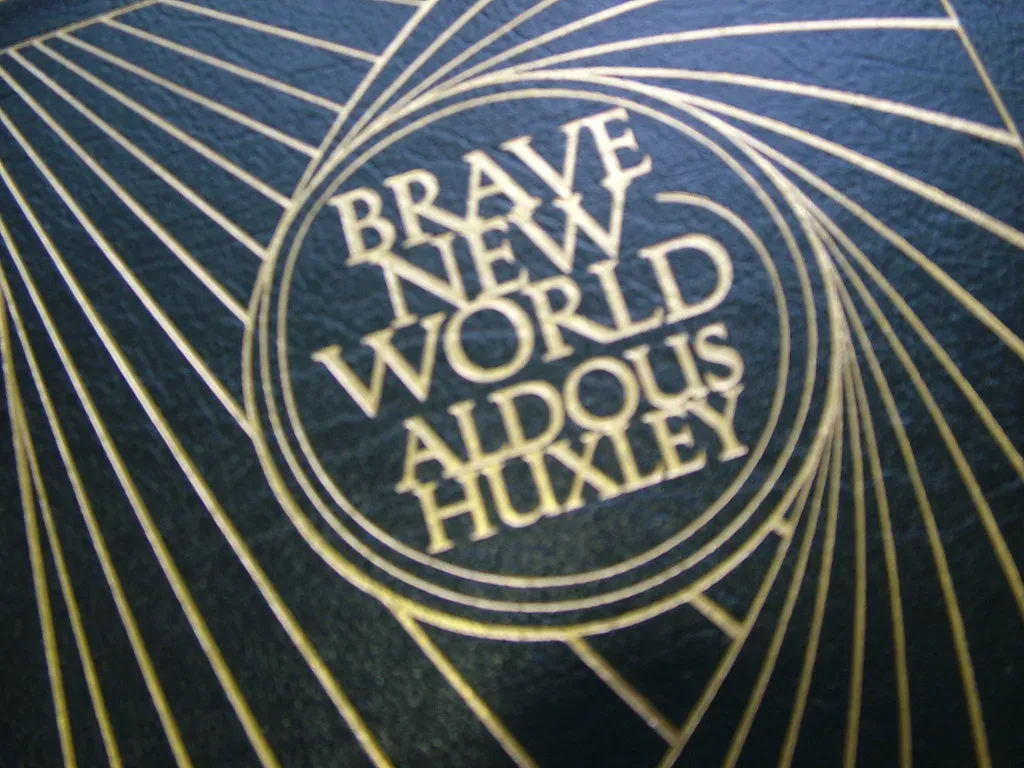
Huxley’s 1932 vision of a future controlled through pleasure rather than pain disturbed authorities for decades. Schools banned it for sexual content, drug references, and its critique of shallow consumerism. Some religious groups objected to its portrayal of a world without traditional family structures or spiritual meaning.
The book predicted a society numbed by entertainment, casual sex, and mood-altering substances. Where Orwell imagined control through fear, Huxley imagined control through distraction and instant gratification. His World State kept citizens compliant by giving them exactly what they wanted, until they forgot to want anything deeper.
Today’s debates about social media addiction, pharmaceutical dependence, and consumer culture constantly circle back to Huxley’s warnings. He understood that totalitarianism doesn’t always look like boot stomping on a face. Sometimes it looks like endless entertainment and the illusion of freedom while actual autonomy slips away unnoticed.
The Grapes of Wrath by John Steinbeck
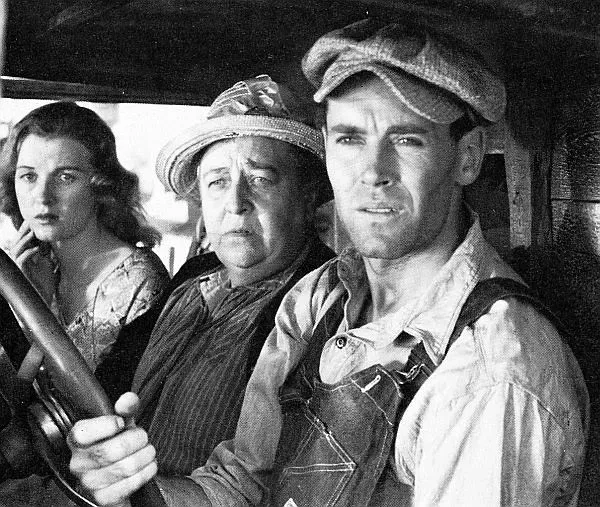
Steinbeck’s 1939 novel about displaced Oklahoma farmers during the Great Depression faced immediate backlash. California counties banned it for supposedly exaggerating conditions and portraying landowners negatively. Some objected to its profanity and sexual content, but the real threat was its sympathetic portrayal of labor organizing and critique of capitalism.
The Joad family’s desperate journey west exposed the human cost of economic systems that value profit over people. Steinbeck’s unflinching depiction of poverty, exploitation, and the failure of the American Dream made powerful people uncomfortable. They preferred poverty remain invisible or be blamed on individual failings rather than systemic problems.
The novel fundamentally changed how Americans discussed economic inequality and workers’ rights. It demonstrated literature’s power to create empathy across class lines and put human faces on abstract economic policies. Its influence extended beyond books into how we frame debates about social safety nets and corporate responsibility.
Slaughterhouse-Five by Kurt Vonnegut
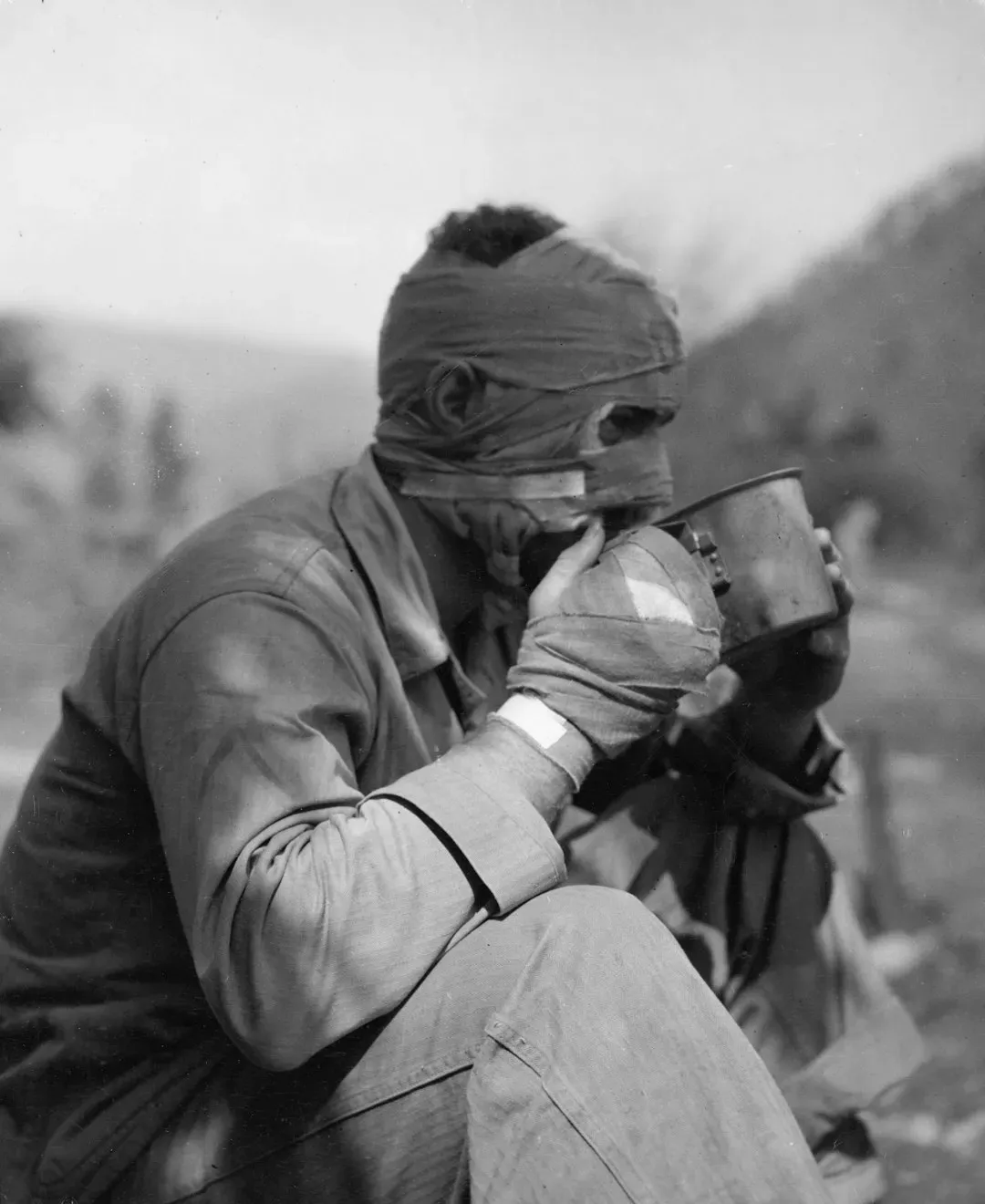
Vonnegut’s 1969 anti-war novel drew fire for its profanity, sexual references, and unconventional structure. School boards particularly objected to its cynical view of war and authority. Some veterans groups protested its depiction of the Dresden bombing, feeling it dishonored American military service.
The book’s fractured timeline and dark humor captured the absurdity and trauma of war in ways traditional narratives couldn’t. Billy Pilgrim’s experience becoming “unstuck in time” reflected how trauma shatters linear understanding of reality. Vonnegut’s phrase “So it goes” became cultural shorthand for acknowledging death’s inevitability and war’s senselessness.
It influenced how subsequent generations wrote about war, trauma, and the disconnect between official narratives and actual experience. The novel taught readers to question heroic war stories and recognize the psychological cost of violence. Its experimental style also expanded what serious literature could look like.
Lolita by Vladimir Nabokov

Perhaps no book on this list sparked more controversy than Nabokov’s 1955 novel about a middle-aged man’s obsession with a twelve-year-old girl. Multiple publishers initially rejected it, and several countries banned it outright. The subject matter remains deeply uncomfortable, which was precisely Nabokov’s point.
The book’s brilliance lies in its unreliable narrator who tries to seduce readers into sympathizing with the unforgivable. Nabokov created a linguistic masterpiece that forces readers to confront how charisma and eloquence can mask evil. It’s not a romance despite what some misreadings suggest, it’s a portrait of predation and self-delusion.
Its influence on literature and psychology is profound. The novel explored how abusers rationalize their actions and manipulate perception. It demonstrated literature’s capacity to examine dark aspects of human nature without endorsing them. The cultural conversation about child abuse, grooming, and the unreliability of charming narrators owes much to this disturbing masterwork.
The Color Purple by Alice Walker
Walker’s 1982 novel faced challenges for its depictions of violence, sexuality, and nontraditional gender relationships. Many objected to its portrayal of Black men as abusive, while others found its lesbian relationship problematic. Religious groups targeted its questioning of traditional faith and family structures.
Through Celie’s letters to God and her sister, Walker gave voice to Black women’s experiences with poverty, abuse, and resilience. The novel centered perspectives that mainstream literature often ignored or simplified. It portrayed Black women’s sexuality, spirituality, and sisterhood with unprecedented honesty and complexity.
The book transformed conversations about intersectionality before that term became common. It demonstrated how race, gender, and class create layered experiences of oppression and resistance. Walker’s celebration of Black women’s strength, creativity, and capacity for joy despite suffering influenced countless writers and activists who followed.
Conclusion: The Books That Wouldn’t Stay Silent
These banned books share something powerful in common. They refused to let readers remain comfortable with convenient lies and easy answers. Each forced society to confront truths it preferred to ignore, whether about war, sexuality, injustice, or the abuse of power. The attempts to silence them only amplified their messages.
History shows us that today’s controversial book often becomes tomorrow’s classic. The qualities that make authorities nervous, the willingness to question, to disturb, to reveal uncomfortable truths, are precisely what give literature lasting value. These books shaped modern thought by insisting we think harder, feel deeper, and question the world we’ve accepted.
Did any of these surprise you? What controversial books do you think are shaping how we’ll think in the future?