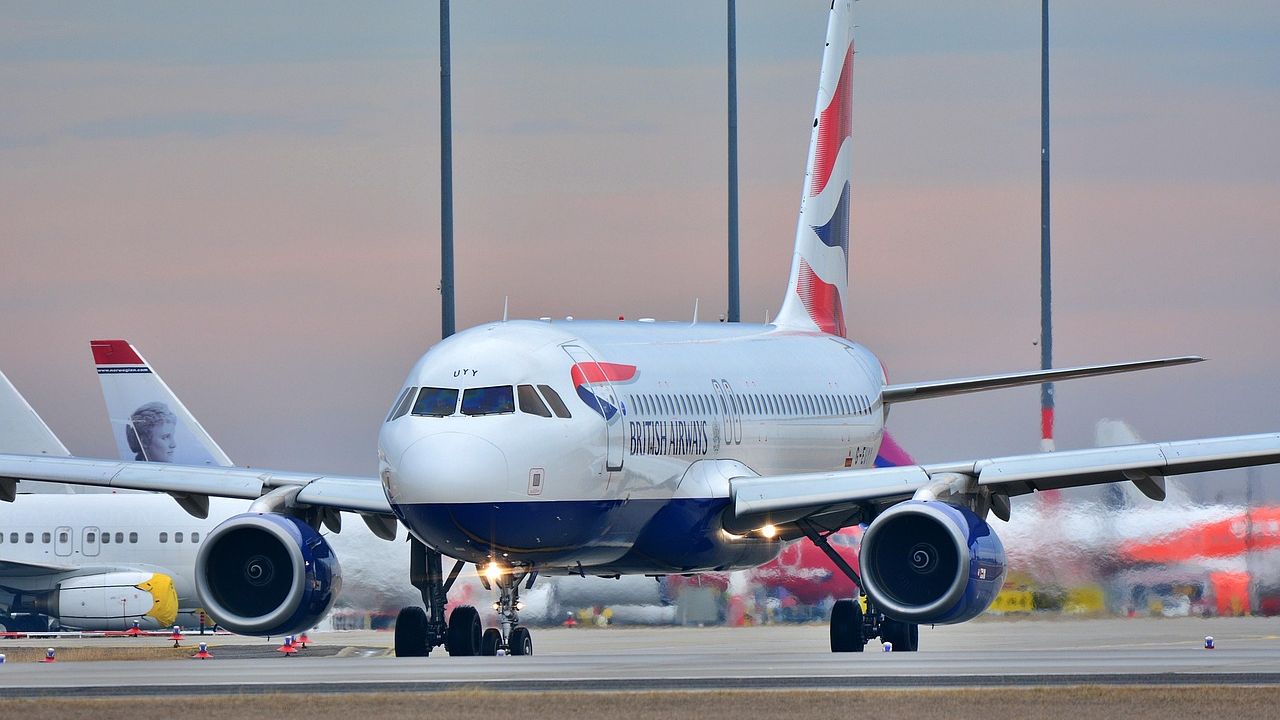

Roots of the Airport Branding Push (Image Credits: Pixabay)
Oakland — A protracted trademark clash between Oakland and San Francisco concluded Tuesday when both sides agreed to let the East Bay airport keep "San Francisco Bay" in its official name.[1][2] The settlement, signed last week and announced publicly on April 28, 2026, resolves claims of confusion and unfair competition while imposing strict branding rules on Oakland. Travelers can now expect clarity at the facility long known by its code OAK.
Roots of the Airport Branding Push
Officials at the Port of Oakland, which operates the airport, sought a rebrand in March 2024 to boost flagging passenger numbers.[1] They argued that visitors unfamiliar with Bay Area geography often defaulted to the larger San Francisco International Airport, even when Oakland proved closer or more convenient. The initial proposal — "San Francisco Bay Oakland International Airport" — aimed to highlight the facility’s position on the bay and draw more traffic from international and domestic routes.
That move sparked immediate backlash. San Francisco officials viewed it as an infringement on their airport’s trademark and a ploy to siphon passengers. The city filed suit in April 2024, alleging the name misled travelers and suggested a nonexistent affiliation between the two airports.[3]
Court Rulings Force Quick Adjustments
A federal judge in the Northern District of California sided with San Francisco that November, issuing a preliminary injunction that barred the new name.[4] The ruling cited likely harm to San Francisco’s brand from potential traveler confusion. Oakland appealed to the Ninth Circuit while tweaking its approach: In July 2025, the Port rolled out "Oakland San Francisco Bay Airport" as a temporary measure during litigation.
San Francisco amended its complaint to challenge this iteration as well. The back-and-forth prolonged the dispute, costing both sides time and resources amid ongoing appeals. Neither party admitted wrongdoing in the end, and no monetary payments changed hands.[5]
Key Provisions Shape the Final Deal
The agreement locks in "Oakland San Francisco Bay Airport" as the official name, with the IATA code OAK unchanged.[3] Restrictions ensure "Oakland" remains prominent: The Port cannot stylize, bold, color, or enlarge "San Francisco" or "San Francisco Bay" to make them stand out. Marketing must always lead with "Oakland," and no hyphens or slashes can link the city names.
Prohibited variations include several past proposals:
- "San Francisco Bay Oakland International Airport"
- "Oakland San Francisco International Bay Airport"
- "Oakland San Francisco Bay International Airport"
Online ads must exclude keywords like "San Francisco Airport" or "SF Airport." The Port also commits to notifying airlines, transit agencies, and regulators of the approved name.[6][4]
"We’re proud Oakland fought for, and preserved the right to retain our airport’s full name that puts Oakland first and recognizes OAK’s location on the San Francisco Bay." — Mary Richardson, Port of Oakland attorney
San Francisco City Attorney David Chiu echoed a regional focus: "When more visitors come to the Bay Area, our entire region benefits."[1]
Challenges Persist Amid Passenger Slump
Oakland’s traffic has dropped sharply despite the rebranding efforts. Figures for the 12 months ending February 2026 showed a 13.7 percent decline from the prior year, contrasting with flat national domestic trends.[1][4] Smaller facilities like OAK have struggled post-pandemic, as travelers gravitate toward hubs with more flights and amenities.
The settlement clears a path for trademark registration and mutual non-opposition. Both sides will dismiss claims and appeals, fostering cooperation on notifications to third parties like airlines and BART.[6] San Francisco International Airport Director Mike Nakornkhet welcomed the clarity for passengers choosing between options.
This resolution underscores the fierce competition in regional aviation, where branding battles reflect deeper economic stakes. As Bay Area tourism rebounds, whether the compromise name revives Oakland’s fortunes remains an open question.