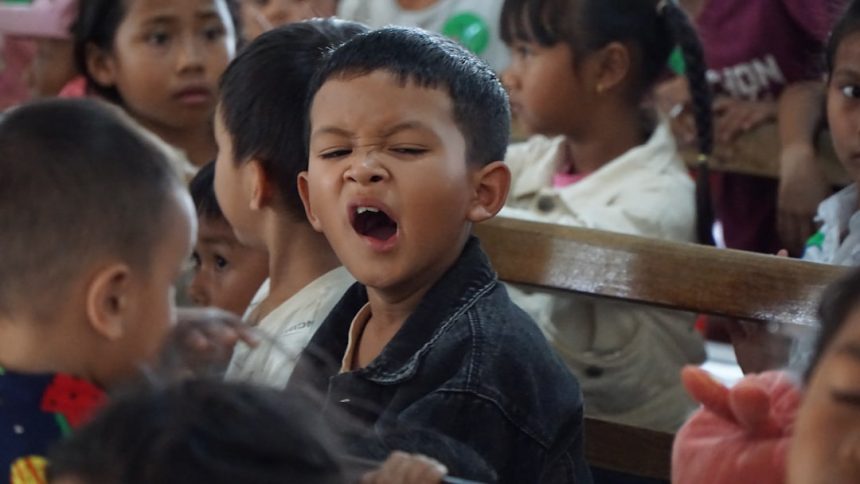
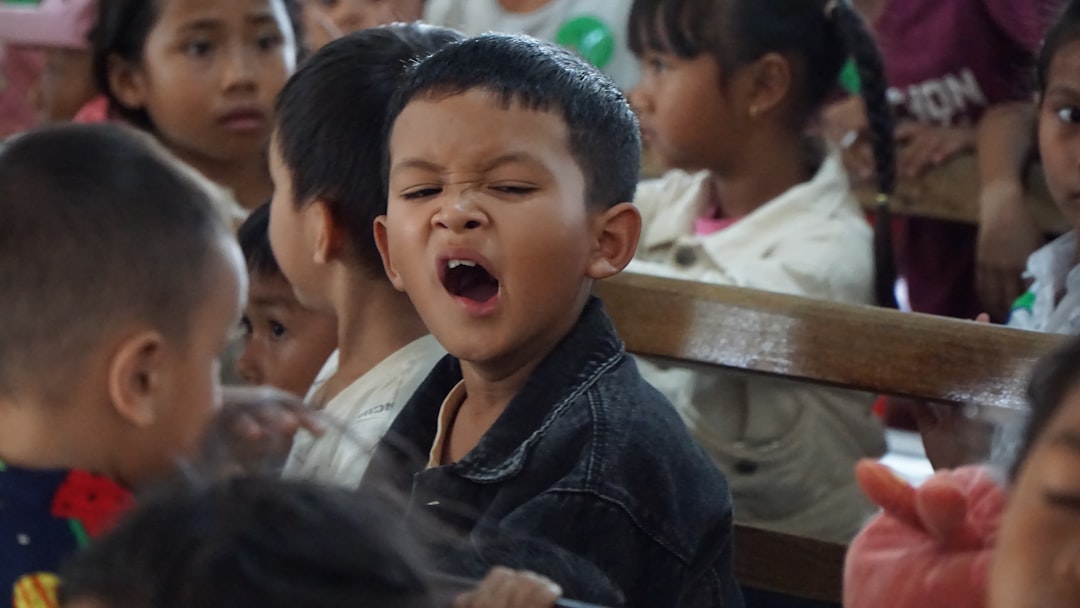
A Routine Visit Turns into Family Separation (Image Credits: Unsplash)
Hayward, California – Federal agents detained a 6-year-old deaf boy and his family during a routine immigration check-in last month, deporting them to Colombia without essential hearing devices. Joseph Londono Rodriguez, a student at the California School for the Deaf in nearby Fremont, now faces severe health risks from inadequate care for his cochlear implant. His attorney warned that the child remains in peril without immediate access to specialized treatment available in the United States.[1][2]
A Routine Visit Turns into Family Separation
On March 3, 2026, Lesly Rodriguez Gutierrez brought her two young sons to a U.S. Immigration and Customs Enforcement office in San Francisco for what she believed was a standard photo update. Agents took fingerprints, pressured her to sign documents without clear explanation, and quickly loaded the family into a vehicle headed for detention. The group included Joseph, his 4-year-old brother, and their mother, who had fled Colombia in 2022 to escape domestic violence.[1][3]
Two days later, on March 5, ICE transported them to San Francisco International Airport, then to a facility in Louisiana before their removal to Colombia. Relatives waited outside the office with Joseph’s hearing aids, but authorities denied access to the devices. Rodriguez Gutierrez, who worked as a cleaner and childcare provider in Hayward, had no criminal record and was pursuing asylum relief.[4][2]
Health Crisis Looms Without Implant Maintenance
Joseph relies on a cochlear implant that demands regular professional cleaning and adjustments to prevent complications. His attorney, Nikolas De Bremaeker of Centro Legal de la Raza in Oakland, emphasized the dangers: untreated devices heighten risks of infection, meningitis, and even death. In Colombia, such specialized services prove scarce, leaving the boy vulnerable daily.[1]
De Bremaeker described Joseph as heartbroken and withdrawn, feeling isolated since few around him understand American Sign Language, his primary mode of communication. Colombian sign language differs significantly, compounding his struggles. Without immersion in a deaf community like the one at his Fremont school, experts fear long-term language deprivation could stunt his development.[3][5]
The Boy’s Heartfelt Plea Echoes Across Borders
During a recent video call arranged by California State Superintendent of Public Instruction Tony Thurmond, Joseph signed directly to his teacher: “I want to go back to school.” The interaction brought a brief smile to his face, but underscored his disconnection from the life he knew. Staff at the California School for the Deaf recalled him as funny and well-liked among peers.[4]
Partner offer
Thurmond hosted a news conference at the school, rallying support to bring Joseph home. He noted the mother’s efforts to secure opportunities for her son, including enrollment in the state-funded program. Nonprofits like Hands United now link the family with local deaf services in Colombia, though residential schooling options fall short of California’s offerings.[1]
Officials Mobilize Amid Legal Pushback
De Bremaeker filed a humanitarian parole petition in mid-March, citing the family’s ongoing dangers in Colombia and Joseph’s unmet health needs. Congressman Eric Swalwell dispatched staff to deliver replacement hearing aids, confirming the family’s location while advancing appeals. A bipartisan group of California lawmakers, including Senators Alex Padilla and Adam Schiff, demanded a federal investigation.[5][1]
- 2022: Family enters U.S. seeking asylum from violence.
- June 2024: Immigration judge issues removal order.
- March 3, 2026: Detention at ICE check-in.
- March 5: Deportation to Colombia.
- Mid-March: Parole petition filed; aids delivered.
Thurmond urged public calls to Congress and the administration for Joseph’s return to resume studies.[3]
ICE Defends Action as Lawful Enforcement
DHS classified Rodriguez Gutierrez as an individual who entered illegally and ignored reporting mandates after the 2024 order. Officials maintained that parents decide whether to take children during removal, rejecting claims of forced deportation. They affirmed no family separations occurred, as she chose to depart with her sons.[2]
Critics, including De Bremaeker, countered that due process faltered, with no chance to address asylum claims or health accommodations. The case highlights tensions between immigration enforcement and child welfare, especially for those with disabilities. As efforts intensify, Joseph’s future hinges on swift humanitarian intervention.[6]
This deportation not only upends a young life but spotlights gaps in protections for vulnerable migrant children. Will federal authorities grant parole to safeguard Joseph’s health and education? Share your thoughts in the comments.
Key Takeaways
- Joseph’s cochlear implant requires U.S.-level care to avert deadly infections.
- State leaders and lawmakers push humanitarian parole amid outcry.
- ICE cites a prior removal order and compliance failures for the action.
Partner offer
Planning a trip to Vegas?
Compare hotel rates and show tickets on VEGAS.com.