Ever wonder what really happens when cameras stop rolling? The magic of filmmaking doesn’t just live on screen. From impossible production schedules to wild creative decisions that seem crazy until they work perfectly, the entertainment industry runs on a mix of innovation, chaos, and sheer determination.
Here’s the thing most people don’t realize: the stories happening backstage are often wilder than what makes it to the final cut. Let’s be real, these productions involve thousands of moving parts, egos, budgets, and creative gambles that could sink entire studios. What you’re about to discover might change how you watch your favorite films forever.
When a Film Uses All the World’s Pink Paint
The Barbie production used such massive quantities of pink paint that it created an international shortage, according to production designer Sarah Greenwood. Think about that for a second. A single movie literally exhausted the global inventory of its paint supplier, Rosco. Director Greta Gerwig wasn’t joking around when she insisted on maintaining what she called the “kid-ness” of Barbie Land.
The production reduced the size of houses and cars by 23 percent to create the feeling of them being toys, which meant every single prop, vehicle, and set piece had to be custom-built from scratch. The Barbie car couldn’t use anything from a real world car as it would all be too big, forcing the team to draw, manufacture, and install every component. The attention to detail reached obsessive levels, honestly.
The filmmakers relied on practical effects instead of CGI whenever possible to help create a sense of “authentic artificiality”, a term Gerwig herself coined. This backward approach in an era dominated by digital effects shows how sometimes the old ways still work best.
Cutting Thirty Days to Build a Town That Doesn’t Exist
Christopher Nolan does things differently, which is probably an understatement. Oppenheimer was originally set for an 85-day shoot, but Nolan cut it down by at least 30 days just to free up budget money for production design. Let that sink in. He sacrificed nearly a month of filming time to make sure Ruth De Jong could build Los Alamos properly.
When construction first budgeted the Los Alamos town set, it came to twenty million dollars. That’s when Nolan made what De Jong called “the most incredible thing” by reorganizing the entire shooting schedule. The film was originally planned to be filmed for 85 days but instead wrapped up in 57 days. Murphy later admitted the pace was absolutely insane, which tracks.
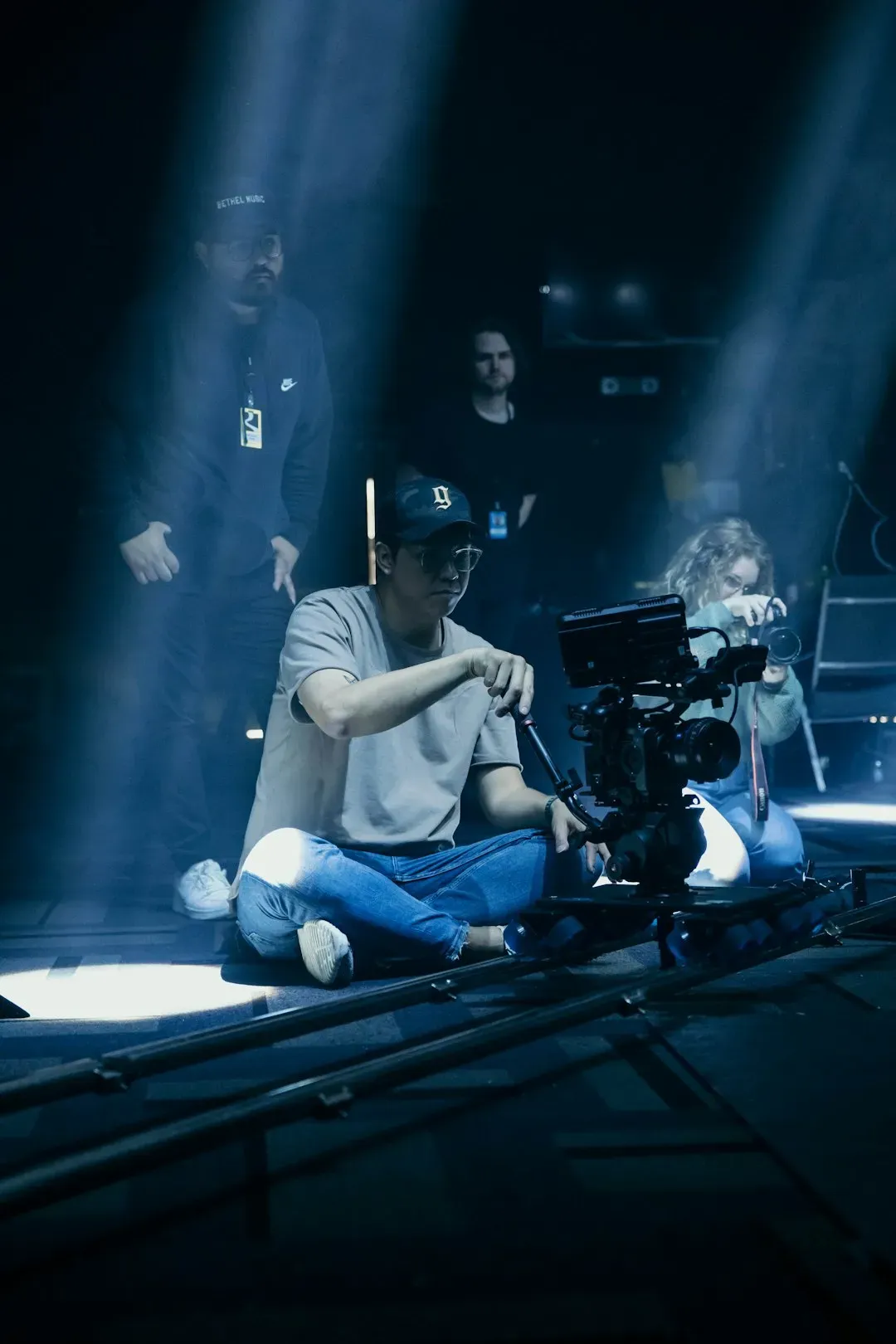
There’s just Chris and the cameraman, one camera always unless there’s some huge set piece, and the boom operator and that’s it, with no video village and no monitors. It’s the ultimate analog approach in a digital age.
The Hollywood Production Landscape After the Strikes
The number of productions increased 18 percent in 2024 and spend on those projects ramped up by sixteen billion dollars compared to 2023 when simultaneous writers’ and actors’ strikes shut down much of the business, though that uptick fell short of expectations and 2022 levels of production by 11 percent. Recovery hasn’t been smooth, to put it mildly.
Hollywood studios spent eleven billion dollars on productions in the second quarter of 2024, a 20 percent drop from the same period in 2022, while the Greater Los Angeles Area alone experienced a roughly 36 percent decrease in shoot days compared to its five-year average. These aren’t just statistics. They represent actual jobs, families, and entire communities built around entertainment production.
Sixty-three percent of surveyed crew members reported earning less than expected in 2024, and 41 percent are considering leaving the industry within the next five years due to financial instability. The human cost of industry contraction hits hardest for the people below the line who make everything happen.
Global Production Hubs Are Shifting
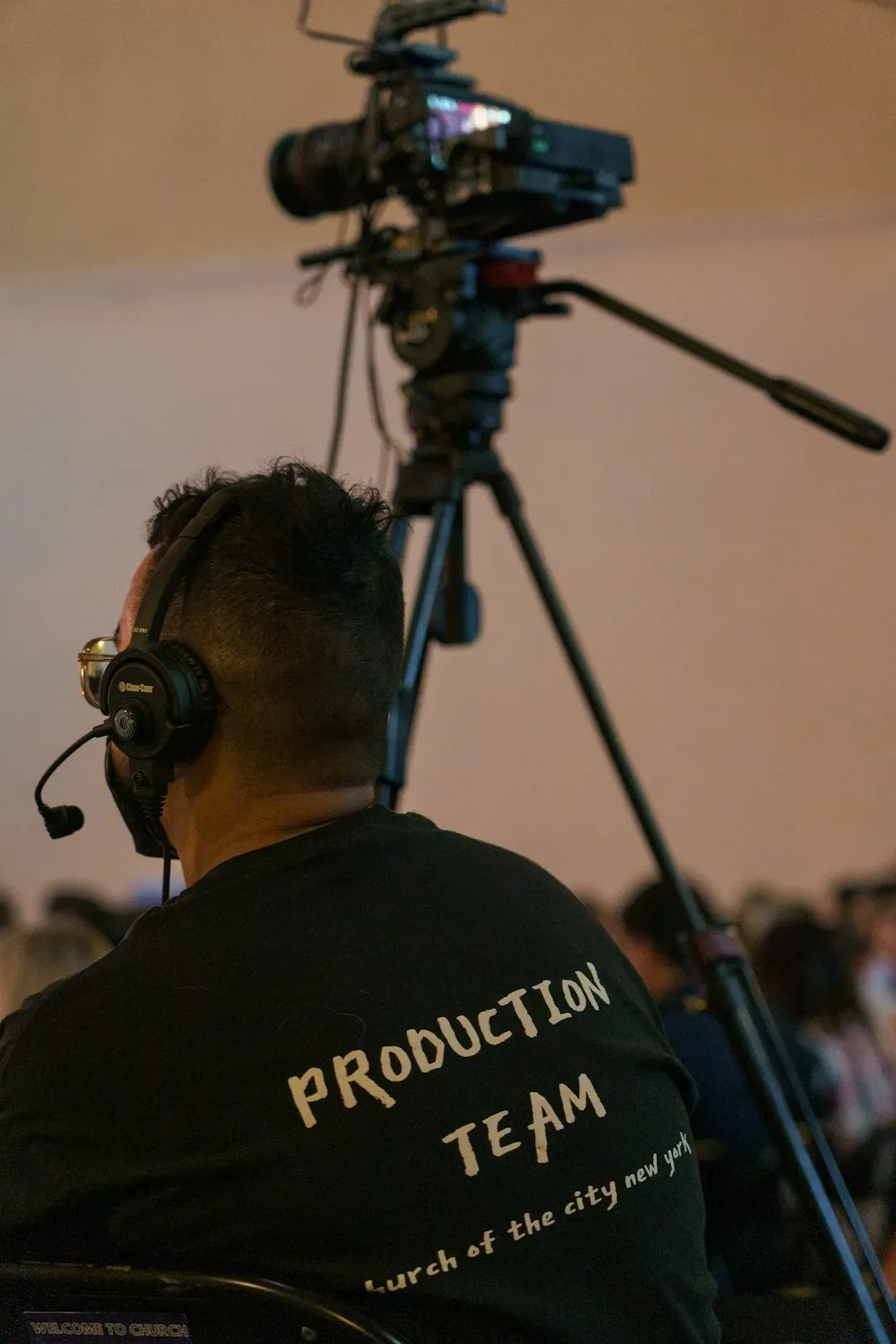
When asked about preferred filming locations for 2025 and 2026, no location in the United States made the top five slots, with Toronto, the United Kingdom, Vancouver, Central Europe and Australia leading the pack while California came in sixth. That’s a dramatic shift, honestly. California used to dominate this industry completely.
In 2024, roughly fourteen and a half billion dollars was spent in the United States on titles originating from US companies whose budgets exceeded forty million dollars, as opposed to nearly six billion in the UK, over five billion in Canada, and about two billion in Australia and New Zealand. Tax incentives drive these decisions more than creative preferences.
New Jersey enacted measures to enhance its incentive program with Governor Murphy signing legislation increasing the annual tax credit allocation to three hundred million dollars for general applicants in addition to two hundred fifty million for New Jersey studio partners, also introducing higher credit percentages for productions with approved diversity plans. States are literally competing for Hollywood’s attention now.
AI and Virtual Production Are Changing Everything
Virtual production combines physical and digital elements in real time allowing filmmakers to create intricate environments without location scouting, with films like The Mandalorian showcasing how this technology cuts costs and accelerates timelines. The technology feels like science fiction, except it’s happening right now on soundstages worldwide.
AI has become indispensable across all stages of film production, from script generation to audience preference analysis, while in visual effects it automates tasks like rotoscoping, rendering, object tracking, and de-aging, significantly reducing costs and timelines. Some filmmakers embrace it enthusiastically. Others worry about what gets lost in the process.
Large productions generate up to approximately three thousand metric tons of carbon dioxide which equals powering 656 homes for a year. The environmental impact of modern filmmaking can’t be ignored anymore, even if studios are implementing renewable energy solutions and waste reduction programs.