


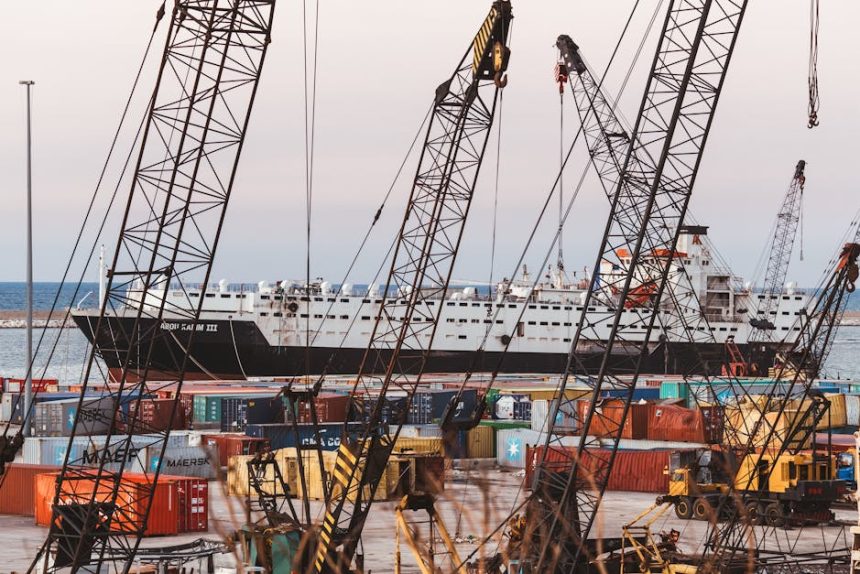


Israel Launches Fresh Strikes on Hezbollah (Image Credits: Pexels)
Beirut, Lebanon – Israeli airstrikes hammered Hezbollah-linked sites in the capital early Monday, producing massive explosions visible across the skyline. Evacuation orders swept through Beirut neighborhoods and southern regions, compounding a displacement crisis affecting more than 800,000 residents.[1][2] Iranian attacks on commercial vessels near the Strait of Hormuz, coupled with ongoing threats, have slashed shipping volumes to nearly zero in this vital artery for one-fifth of global oil.[3] These parallel fronts, unfolding since late February, intensify fears of prolonged regional instability and worldwide economic strain.
Israel Launches Fresh Strikes on Hezbollah
The Israeli military struck infrastructure in Beirut’s southern suburbs, prompting urgent evacuations. Seven individuals perished in southern Lebanon attacks, among them two paramedics aiding prior victims. Lebanon’s toll from Israeli operations now exceeds 850 lives lost, including over 100 children and dozens of women.[4][2]
Troops massed along the border hint at ground preparations, alarming observers. Hezbollah responded with rockets into northern Israel following the U.S.-Israeli opening salvos against Iran on February 28. Officials noted Israel’s 7,600 strikes inside Iran have neutralized 85 percent of its air defenses and 70 percent of missile launchers, yet thousands of targets persist.[1]
Iran’s Strait of Hormuz Assault Disrupts Global Trade
Direct hits on merchant ships and persistent warnings have halted traffic through the Strait of Hormuz. Iran assumed responsibility for several vessel strikes in the Persian Gulf area. Tehran declared the passage open except to U.S., Israeli, or allied shipments, wielding mines and fast-attack craft as leverage.[5]
Recent incidents included burning tankers off Iraq and shutdowns at Omani terminals. Iraq suspended its 3.5 million barrels-per-day exports via the strait. Sailors reported routine sightings of drones and missiles amid the standoff.[3]
Oil Surge Fuels Economic Alarm Worldwide
Brent crude hovered above $100 per barrel Monday, climbing nearly 45 percent since hostilities erupted and peaking near $120. The strait closure threatens food and fertilizer costs, especially in vulnerable nations. Central banks face added hurdles in curbing inflation.[1]
Emergency reserves totaling over 1.4 billion barrels stand ready from International Energy Agency members. Gulf neighbors endured separate blows: a Dubai airport fuel fire from an Iranian drone, a fatal missile in Abu Dhabi, Fujairah oil blazes, and Saudi intercepts of 35 drones.[2]
| Location | Reported Casualties |
|---|---|
| Lebanon (Israeli strikes) | 850+ killed[4] |
| Iran (U.S.-Israeli strikes) | 1,300+ killed[3] |
| Israel (Iranian missiles) | 12 killed[1] |
| U.S. military | 13 killed[2] |
World Leaders Grapple with Escalation
U.S. President Donald Trump urged nations including China and European allies to deploy warships for strait security, warning of lasting memory for non-participants. No firm pledges emerged. The European Union weighed extending Red Sea patrols to Hormuz, while Britain eyed mine-clearing drones.[3]
Iranian Foreign Minister Abbas Araghchi rejected talks as “delusional” on social media. Germany voiced worries over Lebanon’s humanitarian woes and a potential Israeli ground push. Israeli spokesman Lt. Col. Nadav Shoshani affirmed continued operations “for as long as needed.”[4]
- Evacuation zones expand in Beirut and south Lebanon.
- Shipping reroutes evade Hormuz amid mine threats.
- Oil majors tap strategic stockpiles.
- Hezbollah exchanges fire despite losses.
- U.S. vows to counter Iranian maritime moves.
Key Takeaways
As strikes echo from Beirut to the Gulf, the intertwined conflicts demand swift de-escalation to avert deeper chaos. Energy lifelines hang in balance, with everyday costs rising globally. What do you think lies ahead for these flashpoints? Tell us in the comments.


