Sometimes the most interesting places are the ones that refuse to follow the crowd. Picture this: a Nevada community that deliberately bans gambling, caps growth, and celebrates its quiet streets instead of bright lights. That’s Boulder City for you. While Las Vegas continues to expand with skyscrapers and neon, this little desert oasis just 20 miles away has chosen a completely different path.
People aren’t moving here by accident. There’s something deliberate about choosing Boulder City, something that speaks to a deeper craving for connection, calm, and community. Let’s explore what makes this place so magnetic to those seeking refuge from the rush.
A Population That Stays Intentionally Small
In 2023, Boulder City had a population of roughly 14,900 residents, growing just 0.135% between 2022 and 2023. That’s not stagnation – that’s intention. Projections for 2025 estimate the population at around 15,143 people, which means this community has hovered near the same size for years.
Here’s the thing: Boulder City actually limits itself. The city maintains strict controls on growth, limited to 120 single or multi-family residential building permits for new construction per year. That’s not a lot, especially when neighboring cities are exploding. This intentional slowdown keeps Boulder City from becoming another sprawling suburb.
The population density sits at just 74 people per square mile, which gives you a sense of how much breathing room exists here. Compare that to packed urban centers and you start to understand the appeal.
Roots That Run Deep to 1931
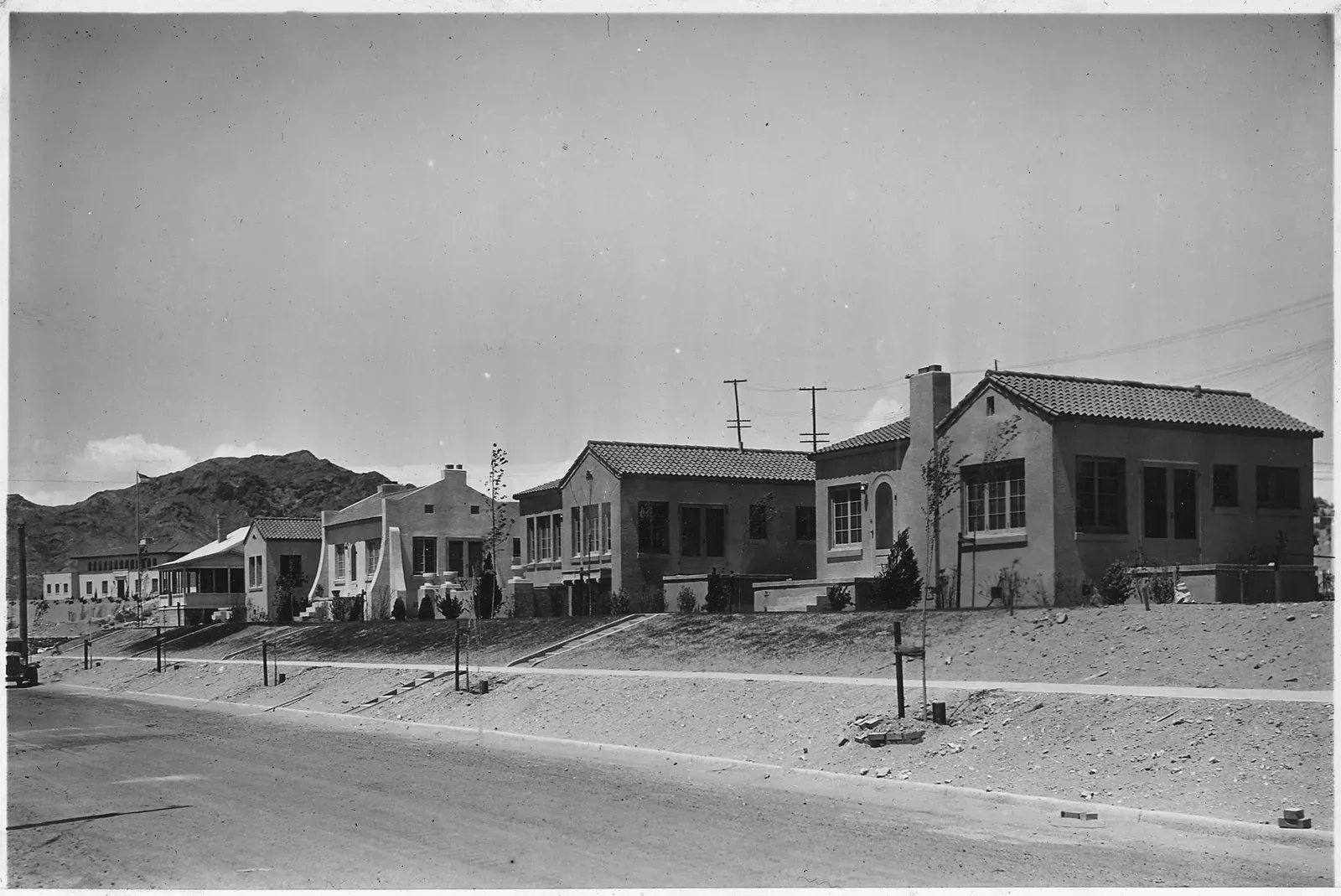
Boulder City was originally built in 1931 by the Bureau of Reclamation to house workers constructing the Hoover Dam on the Colorado River. This wasn’t some accidental town that grew organically. It was planned, structured, purpose-built. That history still echoes today.
The town was established as the Boulder Canyon Project and was meticulously planned to support up to 5,250 workers at its peak in 1934. The grid layout, the public spaces, even the tree-lined streets all came from deliberate design choices made nearly a century ago. Walking through downtown today, you can still see those 1930s architectural touches that give the place character.
What’s remarkable is how that original blueprint still shapes life here. The sense of order, the emphasis on shared spaces, the walkability – all of it traces back to those early planners who wanted to build something enduring, not just functional.
That ‘Big Family’ Feeling Everyone Talks About
People in Boulder City don’t just live near each other – they actually know each other. It sounds quaint, maybe even a little nostalgic, but residents consistently describe the community as feeling “like a big family.” That’s not marketing speak. It’s the lived reality of a place small enough for connections to matter.
One longtime resident noted, “It has no crimes. You don’t lock your doors, I never have”, capturing a trust level that’s increasingly rare. Whether it’s at the local coffee shop, the farmers market, or community events, faces become familiar. Names get remembered.
This social cohesion doesn’t happen by accident in larger cities. The controlled growth, the lack of transient casino workers, the stability of the population – all of it fosters deeper roots. Neighbors help neighbors. Kids play outside. It genuinely feels different from the anonymity of urban sprawl.
A Suburban-Rural Mix That Works
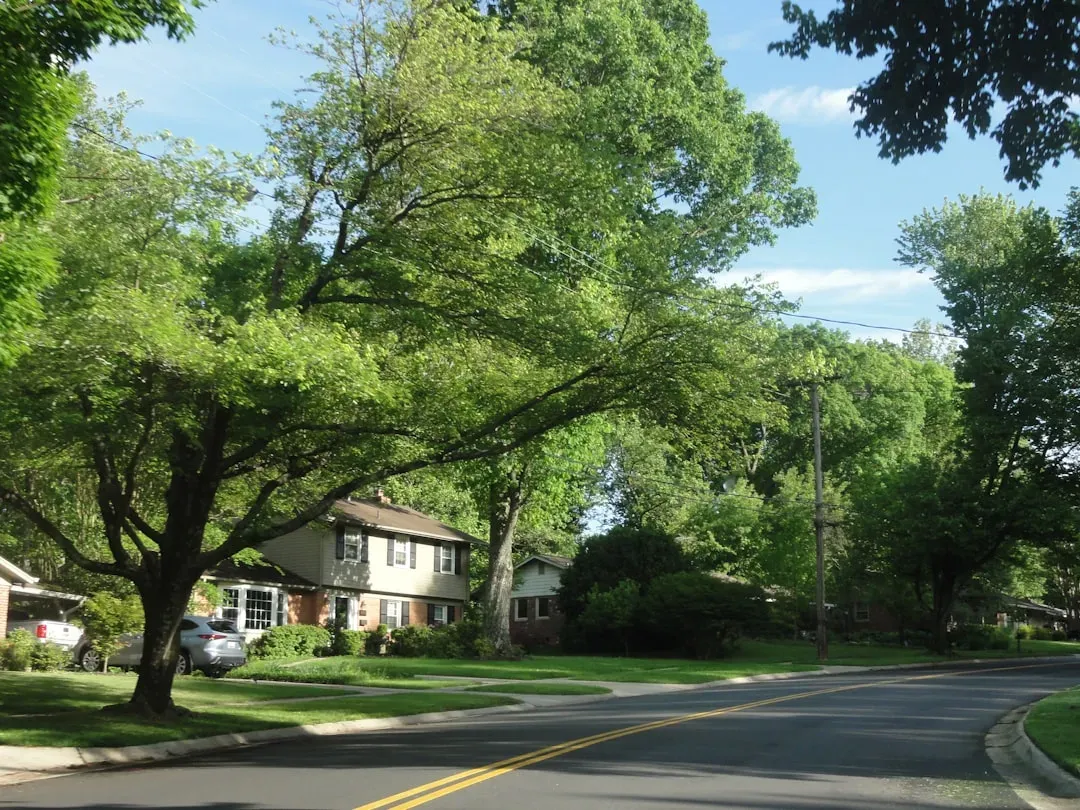
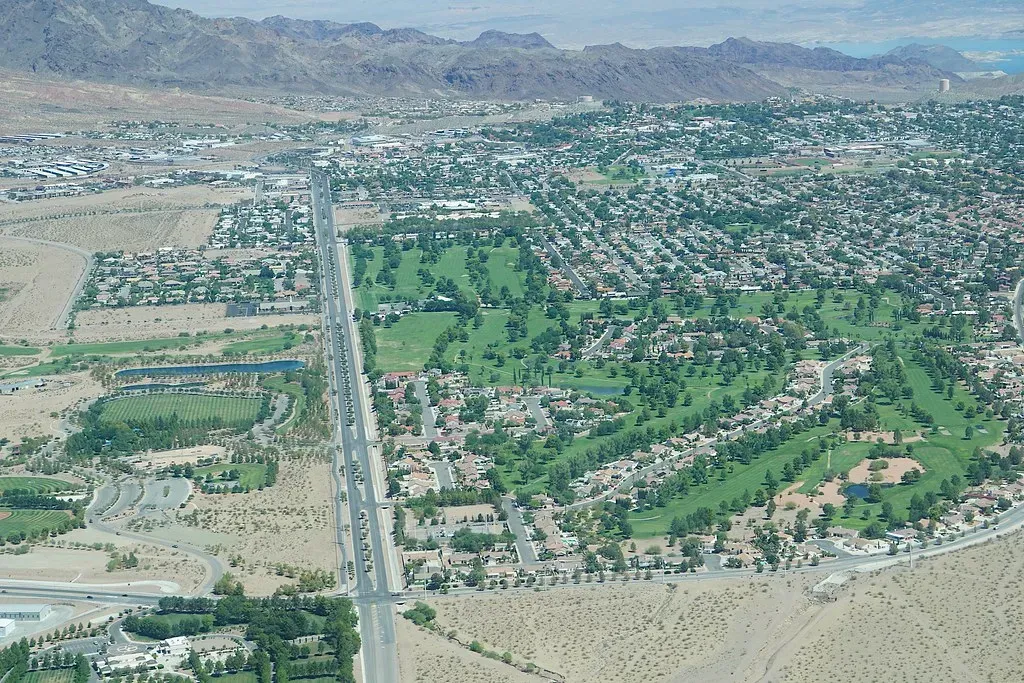
Boulder City offers a suburban-rural mix with many parks and high homeownership, creating that ideal blend of accessibility and space. You’re not stuck in isolated farmland, but you’re also not jammed into row houses with paper-thin walls. The balance feels just right for many.
Single-family detached homes make up roughly two-thirds of the city’s housing units, which contributes to that residential, family-oriented vibe. Yards, garages, driveways – these aren’t luxuries here, they’re the norm. People can spread out, have pets, plant gardens.
The high homeownership rate also means stability. When people own their homes, they invest in the community differently. They care about schools, parks, local governance. That investment creates a virtuous cycle of engagement and improvement that renters just don’t always have the stake in.
Walkability and Low Crime Create Peace of Mind
Boulder City’s crime rates are more than 50% lower than the national average, with only 9 violent crimes total recorded – 61 per 100,000 people. Let that sink in for a moment. The city shines as one of the safest in the United States thanks to its remarkably low rate of violent incidents.
The violent crime rate is only 8.6, while the US average is 22.7, meaning residents can feel secure in their daily lives. Parents let their kids bike to school. People take evening walks without worry. That sense of safety transforms daily life in ways that are hard to quantify but impossible to overstate.
The walkable neighborhoods matter too. Tree-lined streets, sidewalks, parks within strolling distance – these design elements encourage people to be out and about, which naturally creates more eyes on the street and a greater sense of collective security. It’s urban planning at its finest.
The Only Gambling-Free Zone in Nevada
The city charter, approved by residents, prohibited gambling within city limits, making Boulder City one of only two locations in Nevada where gambling is illegal. In a state synonymous with casinos, that’s a bold statement of values. It shapes everything about the town’s identity.
Since its founding as a federal reservation for Hoover Dam workers in 1931, Boulder City has based its character on simplicity, and was founded with laws against gambling, prostitution and liquor. When the federal government relinquished control in 1960, residents voted to keep the gambling ban. They’ve resisted developers and pressure ever since.
This isn’t about being anti-fun. It’s about preserving a certain quality of life. No slot machines in grocery stores. No casinos dominating the skyline. No transient workforce chasing tips and jackpots. The result is a quieter, more stable community focused on families rather than tourists.
Outdoor Recreation at Your Doorstep
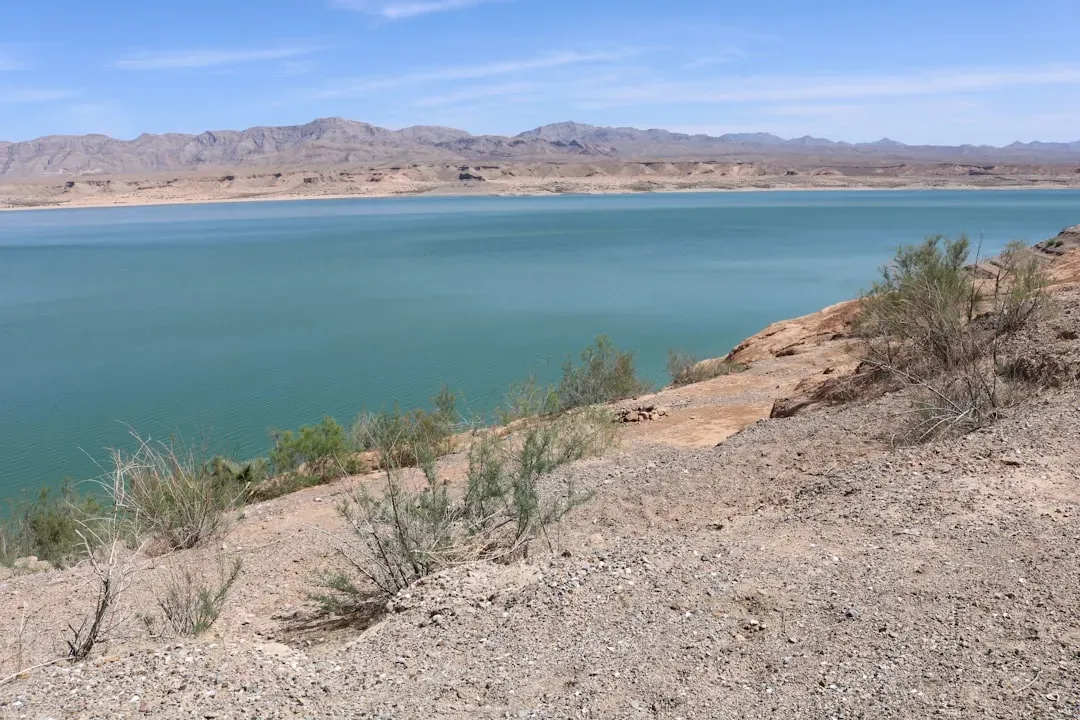
Residents enjoy a wide variety of activities at Lake Mead National Recreation Area such as boating, camping, hiking, kayaking, swimming, and year-round fishing. This isn’t just marketing copy – it’s daily life. People actually use these amenities regularly because they’re so accessible.
The city has two municipal golf courses, one private course, a city pool, racquetball complex, lit tennis courts, athletic fields, a BMX bicycle track, and ample mountain hiking trails, plus Hemenway Park. For outdoor enthusiasts, it’s paradise. You can hike in the morning, golf in the afternoon, and paddleboard at sunset.
Boulder City sits at 2,500 feet elevation with green lawns and tree-shaded streets overlooking Lake Mead, just 5 miles from the lake, 8 miles from Hoover Dam, and 21 miles from Las Vegas. That proximity to both nature and urban amenities creates the best of both worlds – adventure when you want it, quiet when you need it.
Historic Downtown and Preserved 1930s Charm
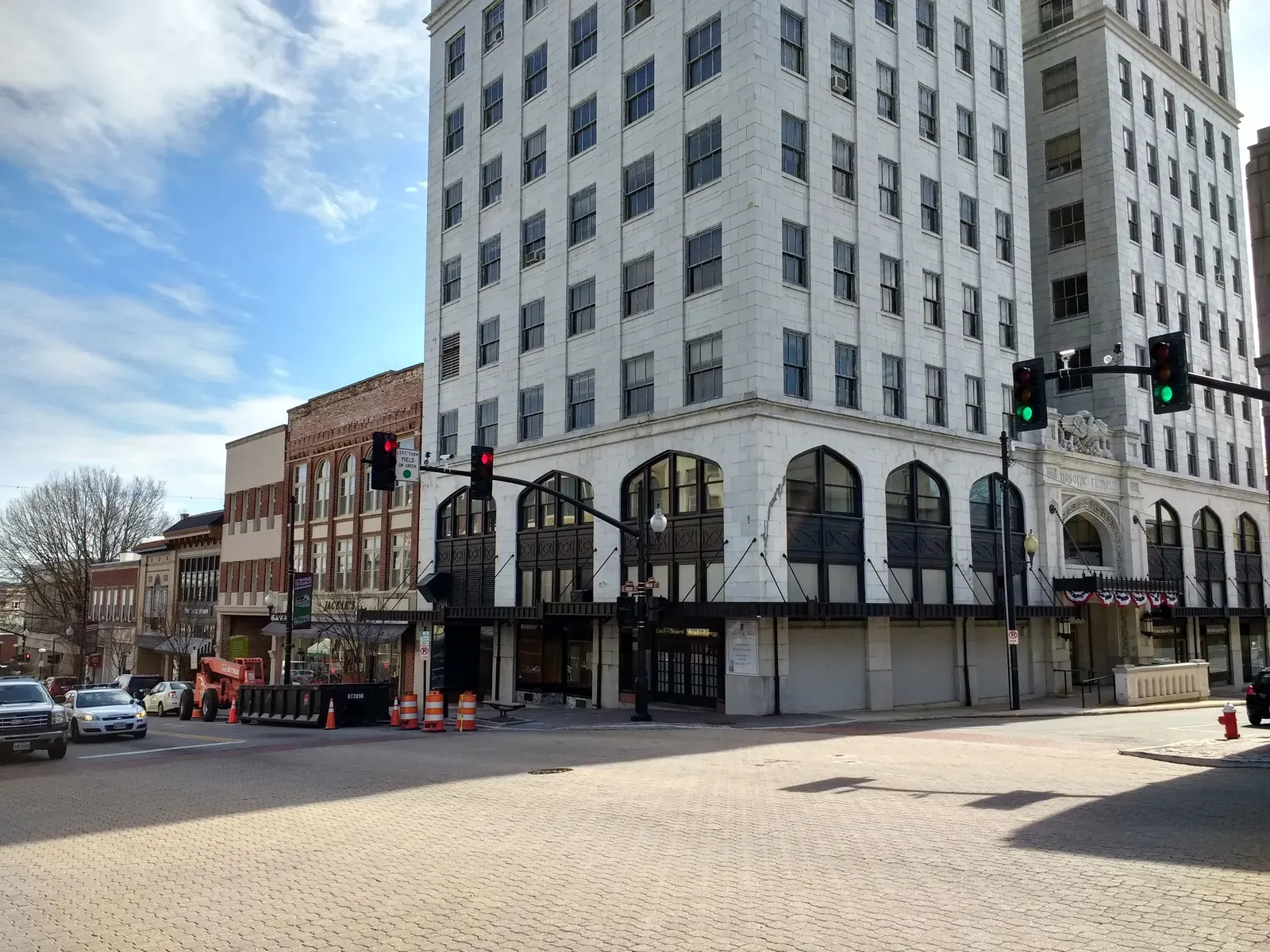
The historic downtown isn’t just a tourist attraction – it’s the heart of community life. The city’s sole reason for existence was housing workers contracted to build Hoover Dam, and men hoping for work began settling in tents soon after the site was chosen in 1930. That origin story is preserved in the architecture and layout.
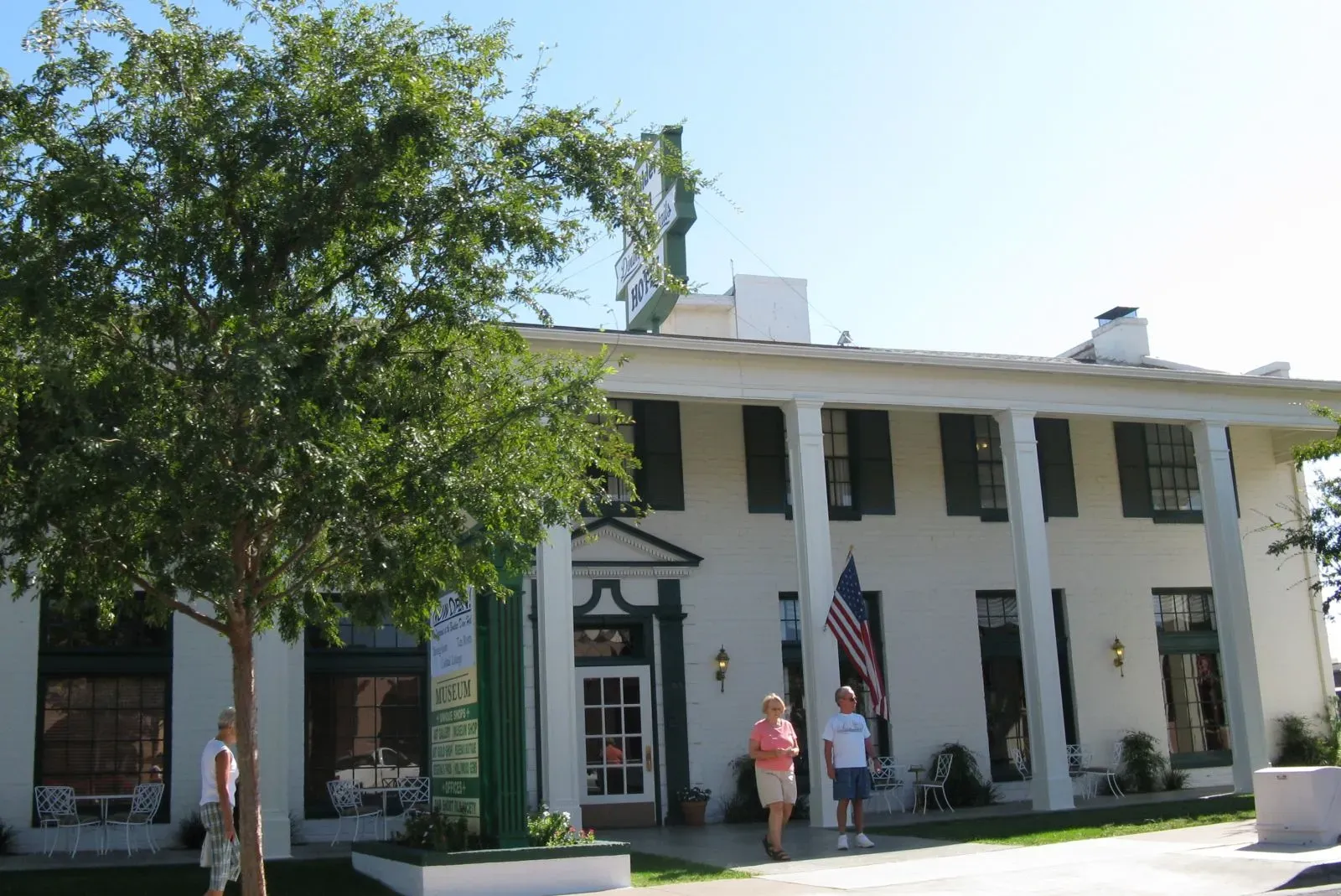
Walking down Nevada Way, you’ll see buildings that date back to the dam’s construction era. The Boulder Dam Hotel, built in 1933, still stands. The Boulder Theatre opened in 1931 to entertain workers. These aren’t replicas or theme park facades – they’re authentic structures that survived because the community valued preservation.
This historic character gives Boulder City an identity that newer suburbs can’t replicate. There’s a sense of continuity, of being connected to something larger than yourself. It’s the opposite of the disposable, tear-it-down-and-rebuild mentality that dominates modern development.
Close to Vegas, But Worlds Apart
Boulder City is approximately 26 miles southeast of Las Vegas, which means you can reach the Strip in about half an hour when you need big-city amenities. Want to catch a show, dine at a celebrity chef restaurant, or fly out of a major airport? It’s all right there. Then you drive home to peace and quiet.
This proximity is strategic. Residents get access to job opportunities, entertainment, and services without having to live in the chaos. They can enjoy the best parts of Vegas – concerts, shopping, dining – while avoiding the worst: traffic, crowds, noise, crime. It’s like having a city on call without it invading your daily existence.
With a population of roughly 15,500, Boulder City is just 25 miles southeast of glitzy Las Vegas, but doesn’t seem to fit southern Nevada’s landscape, untouched by neon, megaresorts and explosive growth. The contrast is intentional and cherished. People who live here have chosen distance from the Strip, not proximity to it.
Housing That Reflects Stability and Value
The median home sold price in Boulder City was $476,000 in June 2025, up 11% from the previous year. That’s not cheap, but it reflects demand and quality. People are willing to pay a premium for the lifestyle Boulder City offers. The median house value reached $610,325, making Boulder City real estate among the most expensive in Nevada.
Here’s what matters: the stability. In October 2025, home prices were up over 25% compared to the previous year, selling for a median price of $560K, with homes selling after 47 days on market. The market is strong because the community is desirable. People aren’t flipping houses here – they’re settling in for the long haul.
High homeownership means neighbors stay put. Kids grow up together. Relationships deepen. That creates a different social fabric than transient rental communities. It’s one of those subtle factors that transforms a housing development into an actual neighborhood.
A Different Kind of Nevada Dream
Boulder City represents something increasingly rare: a deliberate rejection of endless growth and commercialization in favor of community, safety, and quality of life. While other cities chase development at any cost, this little town has drawn a line in the desert sand. No gambling. Limited growth. Preserved history. Outdoor access. Family focus.
The people who choose Boulder City in 2026 aren’t running away from something – they’re running toward a vision of what community can be when it’s intentional about its values. They’re choosing quiet streets over neon lights, neighbors who know your name over anonymity, hiking trails over casinos. It’s a different kind of Nevada dream, one built on connection rather than excess. What draws you to a place like this? Would you trade the bright lights for starry skies? Tell us what you think in the comments below.