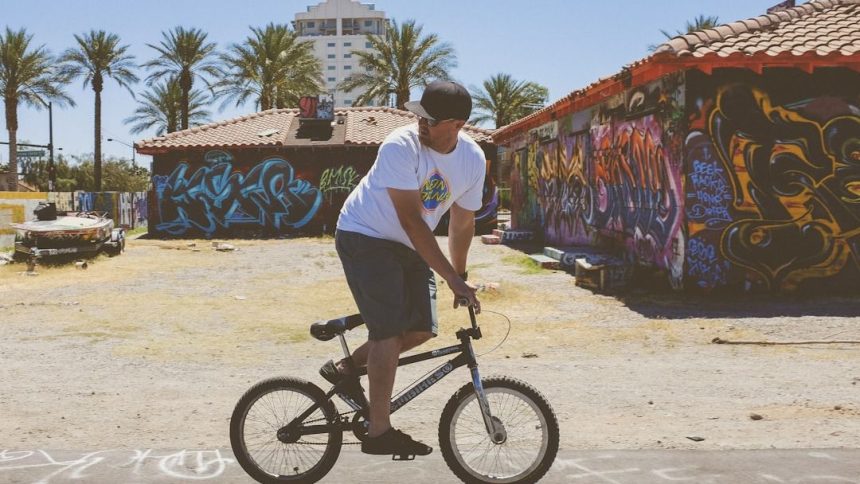
Most visitors to Las Vegas spend their entire trip within a mile of the same neon corridor. That’s a choice, not a requirement. The city that grew up around gambling and spectacle has quietly developed a patchwork of real, lived-in communities that feel almost nothing like the postcard version of Vegas. Some are historic. Some are tucked behind man-made lakes. Some are staging small cultural revolutions a short drive from the casino floor.
These five micro-neighborhoods don’t show up in resort brochures. They’re where locals eat on Tuesday nights, walk their dogs on Saturday mornings, and argue about historic preservation at community meetings. Las Vegas’s neighborhoods reveal the city’s evolution from a casino and nightlife-focused destination to a diverse metropolitan area that offers quality of life and distinctive desert living. If you’ve only seen the Strip, you’ve really only seen the packaging.
1. The 18b Arts District: Las Vegas’s Creative Core

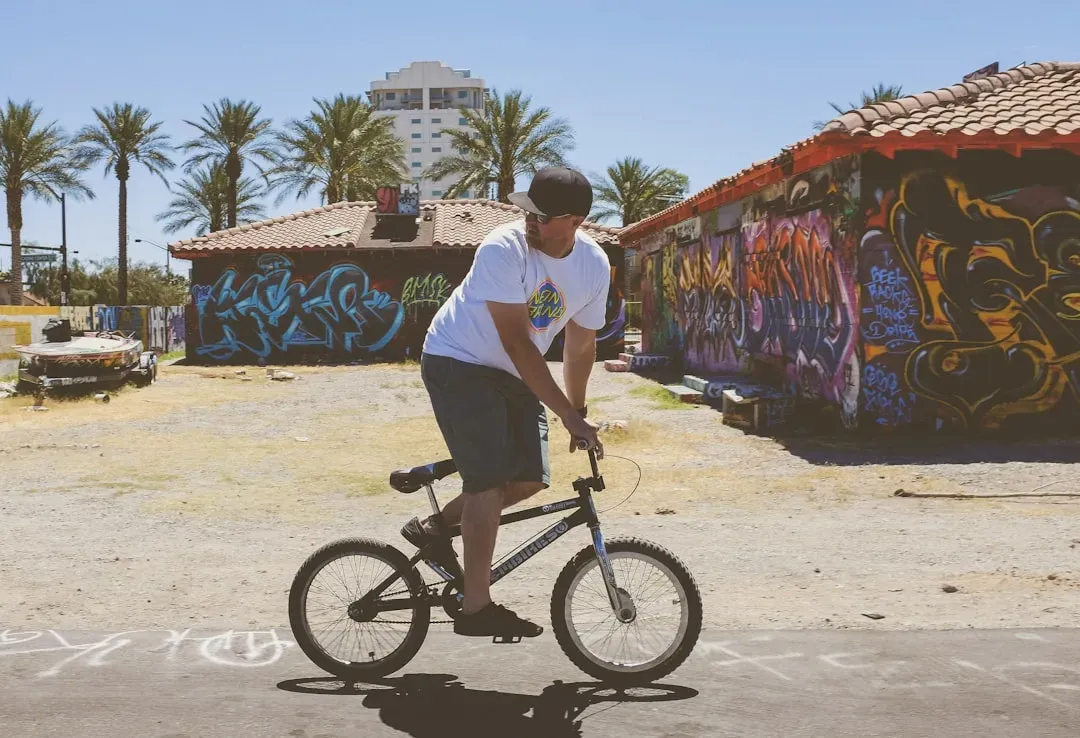
The area is officially known as 18b The Las Vegas Arts District, as it originally spanned 18 blocks throughout downtown Las Vegas. That number has since grown considerably, with the district expanding well beyond its original footprint. The Arts District was formed in 1998 as a non-profit initiative to develop what it calls “the hippest district in Southern Nevada” by promoting art, business and residential growth.
Art galleries and studios line 18b’s backbone, producing and exhibiting a wide range of styles and media, from surrealist paintings and ceramics to fine art and photography. Over 20 independent shops sell retro furniture, vintage clothing, antiques, and other nifty wares, many oozing with the essence of the city’s bygone eras. It’s the kind of block where a craft cocktail bar sits next to a mid-century furniture shop and nobody thinks that’s strange.
The long-standing monthly festival, Las Vegas’ premier arts and cultural event, invites around 15,000 visitors to one big district-wide block party, revolving around food, drink, live music, visual performances, and artists showing off their creations. This is First Friday, and it’s genuinely one of the better free events in the city. As First Friday has become more popular, the 18b neighborhood association set up Preview Thursdays for the day before First Friday. This event allows serious art collectors to check out the openings and galleries without having to deal with the crowds.
The housing types in the Arts District mainly consist of historic homes, converted warehouses, and lofts in styles ranging from Victorian and Craftsman to modern and industrial designs. It’s not the cheapest place to live in Vegas, but for those who want urban texture over suburban uniformity, it’s hard to beat.
2. Huntridge: World War II History Written in Bungalows

Las Vegas’s first tract subdivision, the Huntridge neighborhood was erected between 1941 and 1944 on land purchased in the 1920s by international businessman Leigh Hunt. The name itself is a tribute, chosen by developers in honor of Hunt after his death. The Huntridge neighborhood is steeped in WWII-era history. The subdivision was one of three FHA housing projects built in Las Vegas at the time to accommodate defense workers.
Huntridge is one of Las Vegas’s most historical neighborhoods, known for its midcentury architecture, tree-lined streets and central location. It blends vintage homes with small businesses and community parks, creating a walkable neighborhood feel despite its proximity to the city’s busy downtown district. In a metro area that often bulldozes its past, Huntridge holds on to it.
The Huntridge Theater is the neighborhood’s most identifiable landmark, although it’s been closed since 2004. Over 60 years, the first desegregated theater in Vegas went from a movie house to a live concert venue with the likes of No Doubt and the Red Hot Chili Peppers performing on stage. Efforts to revive it continue, and the surrounding commercial plaza has already seen a genuine refresh.
The median home price is around $400,000, which is lower than in many neighborhoods closer to Summerlin or Henderson. Prices typically range from the lower $200,000s to the lower $500,000s. For historic Las Vegas character at a relatively accessible price point, Huntridge makes a compelling case.
3. John S. Park Historic District: The Neighborhood That Blocked a Casino

Developed primarily between 1931 and 1956 for those who created the “Entertainment Capital of the World,” the neighborhood contains architecture ranging from Period Revival to post-World War II ranch. It sits just half a mile from the Strip but occupies what feels like an entirely different era. It was listed on the United States National Register of Historic Places in 2003. The neighborhood was named by the American Planning Association as one of the 10 best neighborhoods in the United States for 2010.
Neighborhood residents sought historical designation as protection from commercial encroachment. In 1999, casino innovator Bob Stupak sought approval for his plans to build a Titanic-shaped, 1,200-room casino, complete with an 1,800-seat theater housed in an iceberg in the vicinity of the neighborhood. Residents pushed back, organized, and won. That civic energy has defined the neighborhood ever since.
Compact and easy to navigate by foot, the neighborhood is adjacent to the emerging arts district and a commercial district offering shopping and ethnic restaurants. Mass transit service to all areas of the valley runs via Las Vegas and Charleston Boulevards. More than 20 residents in this mid-century, large-lot neighborhood of conventional landscaping invested more than $65,000 to convert lawn turf to xeriscape landscaping. Small details like that reveal a community that is genuinely invested in its own future.
Partner offer

The John S. Park Historic District was established in the 1930s and 1940s, making it one of the oldest residential areas in Las Vegas. Named after local businessman and civic leader John S. Park, the neighborhood features a variety of architectural styles, including Ranch, Tudor, and Minimal Traditional. In 2003, the area was designated as a historic district, recognizing its importance in Las Vegas’s development and its well-preserved homes.
4. Desert Shores: Vegas’s Best Kept Secret Has Four Lakes

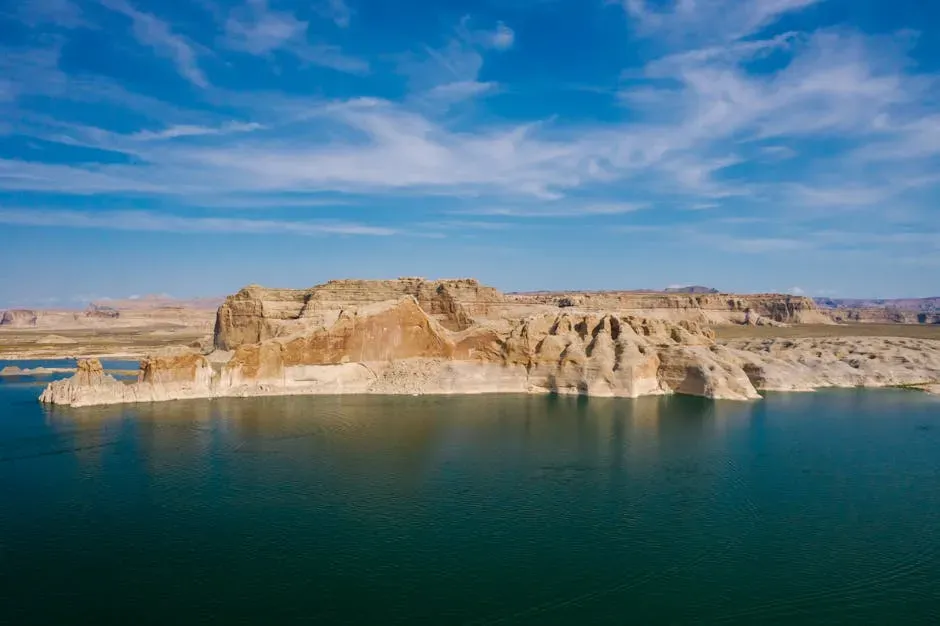
Desert Shores, a small gem of a master-planned, private community toward the northwest edge of Las Vegas, is a unique oasis that stands in contrast to its surrounding metropolis, an exclusive lakeside gem that has created something out of nothing, much like the rest of Sin City. The concept sounds unlikely for a desert city, but it works. Established in 1988 by RA Homes, Desert Shores was envisioned as a one-of-a-kind community that brought water features to the Las Vegas desert. The development was among the first in the valley to incorporate lakes as a central feature, creating an oasis-like atmosphere that quickly became a hallmark of the neighborhood.
The centerpiece of this neighborhood is its four stunning man-made lakes, covering 46 acres: Lake Jacqueline, Lake Sarah, Lake Maddison, and Lake Lindsey. Each lake has its own character, its own beach club, and its own homeowner association. The HOA does enforce noise restrictions, but on the Desert Shores lakes you can use no-wake watercraft like electric boats and manually-powered watercraft such as rowing sculls and kayaks.
Desert Shores is a premier lake community in northwest Las Vegas featuring four man-made lakes with private beach clubs, homes ranging from $300,000 to $700,000, and a resort-lifestyle atmosphere near Summerlin. Both luxurious and affordable, Desert Shores is only 12 miles from the Vegas Strip and just north of the vibrant Downtown Summerlin. It’s the sort of place that surprises people when they discover it exists.
Desert Shores has plenty of space for trails, making it a great spot for walking, jogging, bicycling, or rollerblading. The Desert Shores Loop is a 4.5-mile trail that wraps around some of the lake-adjacent neighborhood and is open to the public. Dining options on the water, including a well-regarded French bistro, complete the picture of a neighborhood that genuinely overdelivers on expectations.
5. The Lakes: A Quieter, Leafier Lakeside Community

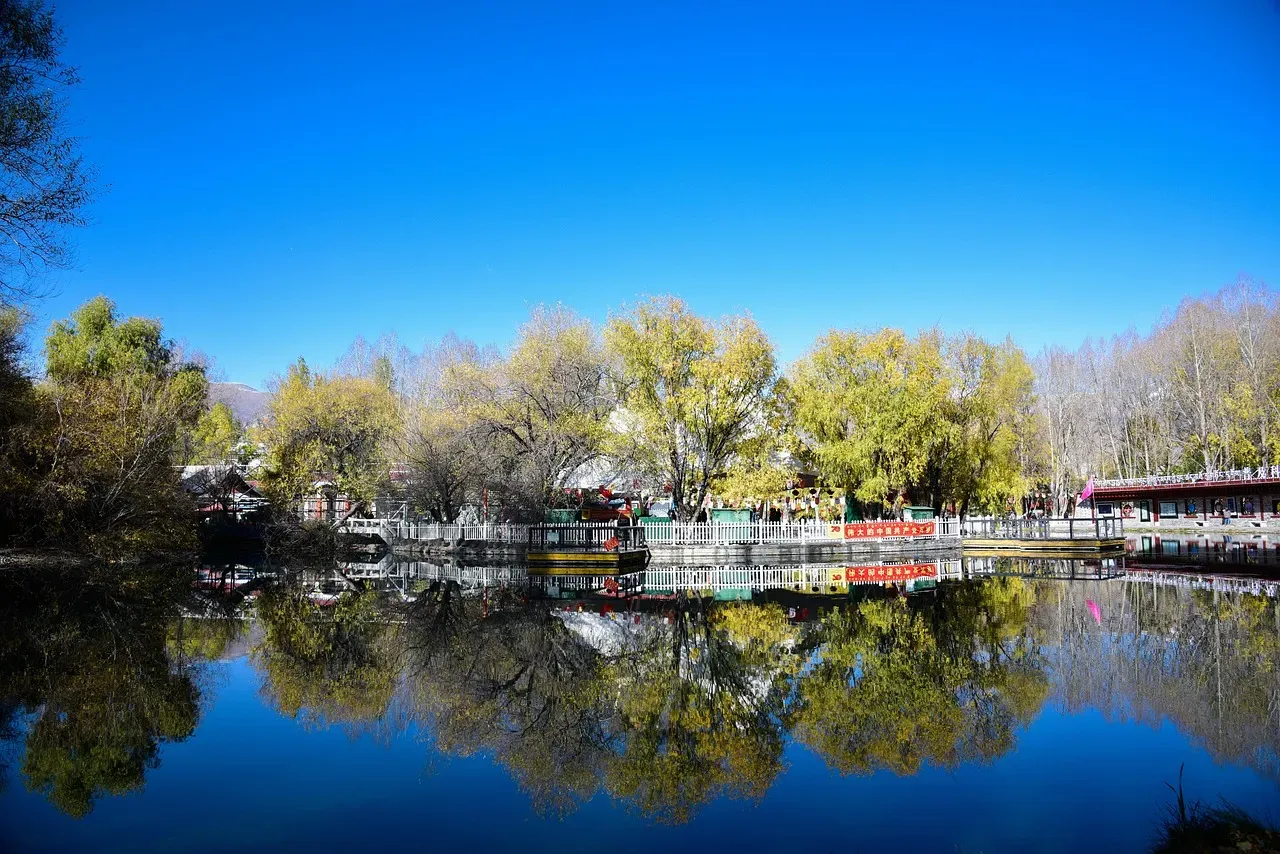
Set around the gorgeous man-made Lake Sahara is The Lakes community, located just east of Summerlin South in the zip code 89117, which places it roughly 15 minutes from the Las Vegas Strip. It’s a distinct community from Desert Shores, a distinction that locals are particular about. The Lakes and Desert Shores are two popular waterfront communities in west Las Vegas, both built around man-made lakes with walking paths and shared neighborhood amenities. While they share a similar lakefront appeal, the layout, housing styles, and overall feel of each community are different.
What sets Spring Valley apart is its commitment to green space and mature landscaping. Unlike many Las Vegas neighborhoods where desert landscaping dominates, Spring Valley features lush parks, established trees, and verdant common areas that create a cooler microclimate during brutal summer months. The same quality of mature landscaping is reflected in The Lakes, where older trees create actual shade, something genuinely rare in the broader Las Vegas valley.
Living in The Lakes means having access to miles and miles of tree-lined paths for walking or biking. Something that fitness enthusiasts enjoy are the exercise stations placed throughout the community. There’s a Town Center with its own grocery store, restaurants, shopping and business center. It functions as a genuinely self-contained neighborhood in a way few Vegas communities manage.
The Lakes is a master-planned community that offers waterfront homes and condos, some of which offer the opportunity to own shoreline and your own dock. There are luxury homes and gated neighborhoods within the community, which can run over $1 million. However, it’s not just expensive properties here. You can also find affordable condos in The Lakes in the $200,000-$400,000 range.
What All Five Have in Common

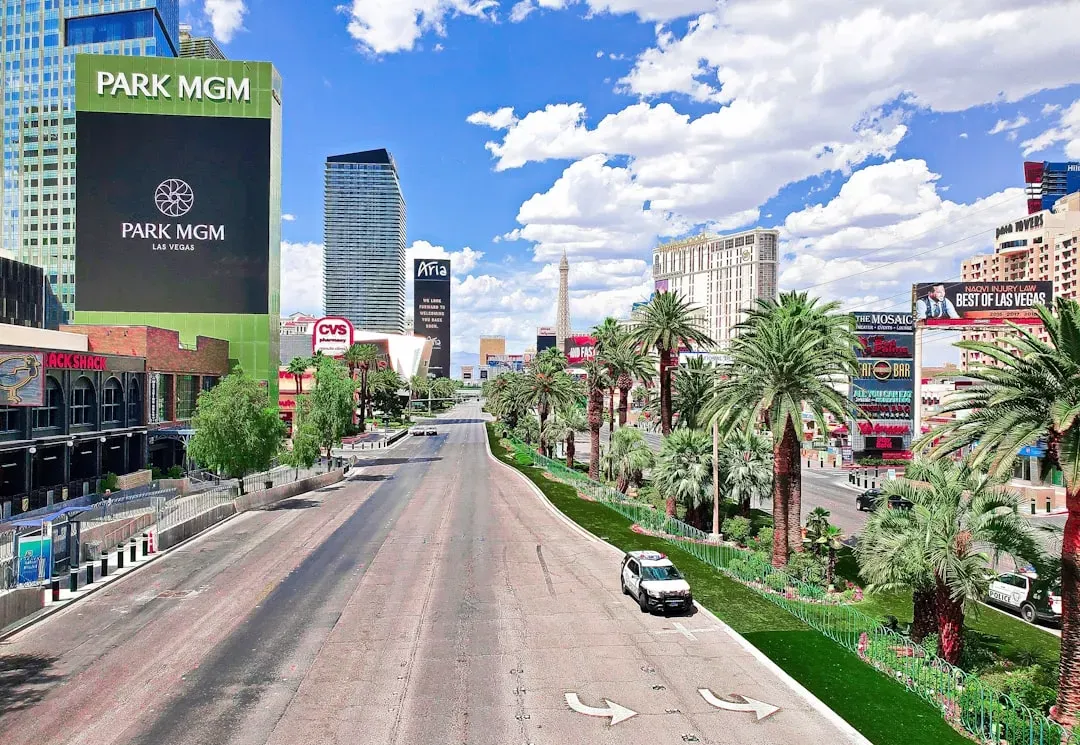
Those unfamiliar with the Las Vegas housing market might assume locals live on the Strip. While that’s an option, most locals choose to live in one of the valley’s many diverse neighborhoods. These five micro-communities are proof of exactly that. They were each built around something the Strip deliberately ignores: the texture of ordinary daily life.
From Huntridge’s wartime bungalows and the Arts District’s warehouse galleries to Desert Shores’ improbable lakefront calm, these pockets carry a version of Las Vegas that visitors rarely see. New developments and investments are transforming the landscape, bringing new life and opportunities to various neighborhoods. From the revitalization of historic areas to the construction of cutting-edge communities, Las Vegas continues to redefine itself.
What holds these places together isn’t proximity to the casino floor. It’s the presence of people who made a deliberate choice to stay, to preserve, and to invest in a city that most of the world thinks it already understands. That’s a very different kind of bet, and by all appearances, it’s paying off.
Partner offer
Planning a trip to Vegas?
Compare hotel rates and show tickets on VEGAS.com.