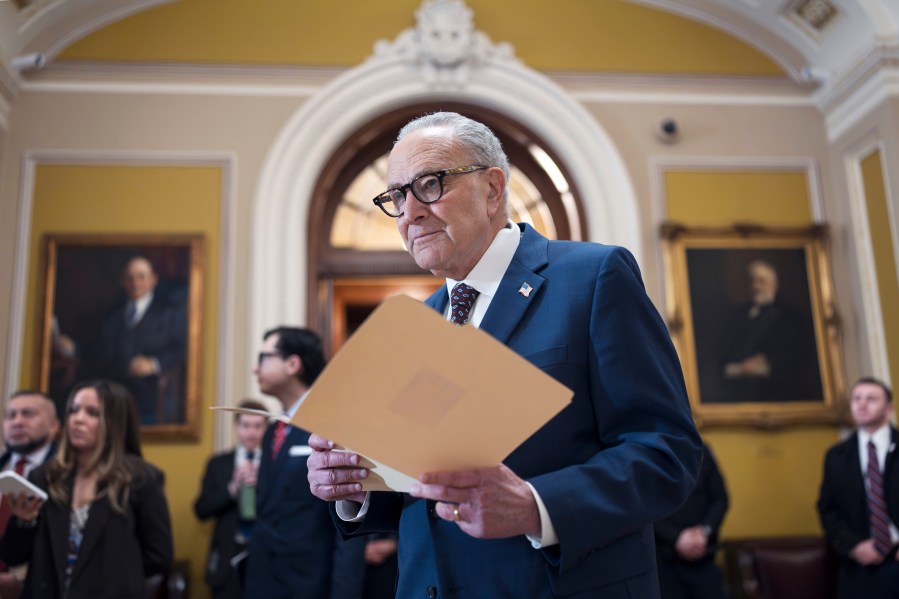
Minneapolis Shootings Fuel Urgent Pushback (Image Credits: 8newsnow.com)
Washington – Senate Democrats and the White House forged a last-minute agreement late Thursday to head off a partial government shutdown, funding most federal agencies through the fiscal year while extending Department of Homeland Security operations for two weeks.[1][2]
Minneapolis Shootings Fuel Urgent Pushback
The compromise emerged amid national outrage over two fatal shootings of U.S. citizens by federal immigration agents in Minneapolis. Renee Nicole Good and Alex Pretti died during clashes tied to President Donald Trump’s intensified deportation efforts.[2] Democrats seized the moment to demand safeguards against aggressive tactics employed by Immigration and Customs Enforcement, or ICE.
Senate Democrats blocked an earlier DHS funding measure Thursday, signaling their resolve. The standoff risked halting operations at multiple agencies as Friday’s midnight deadline loomed. Lawmakers from both parties acknowledged the need for change, with even some Republicans voicing concerns over enforcement methods.[3]
Core Elements of the Funding Package
The deal separates DHS from a broader spending bill, allowing swift passage of full-year appropriations for major departments. The Pentagon, State Department, and agencies handling health, education, labor, and transportation now receive funding until September 30.[1]
DHS, including the Coast Guard, gains a temporary two-week extension. This pause enables ongoing talks between Congress, the White House, and agency leaders. President Trump endorsed the arrangement on social media, stating Republicans and Democrats had united to fund most government functions while providing the DHS extension. He urged a bipartisan “YES” vote.[4]
Democrats Outline Specific ICE Restrictions
Negotiators focused on curbing ICE practices amid the Minneapolis fallout. Democrats proposed measures including mandatory body cameras for agents, bans on masks during operations, and stricter rules for arrests and searches without warrants.[2]
- Require body-worn cameras on all federal immigration agents.
- Prohibit masks to ensure accountability during raids.
- Tighten warrant requirements for detentions and entries.
- Reduce agent presence in non-cooperative states like Minnesota.
Border czar Tom Homan indicated plans to scale back operations in Minnesota, contingent on local cooperation. Figures like Sen. Bernie Sanders called for halting ICE funding entirely until DHS Secretary Kristi Noem faces removal.[5]
House Republicans Present Next Hurdle
While the Senate eyed votes Thursday evening, the House posed uncertainties. Conservative members, via the Freedom Caucus, insisted on comprehensive DHS funding in any package. Speaker Mike Johnson expressed reluctance but prioritized avoiding disruption.[6]
Republicans initially sought a longer DHS extension, but two weeks emerged as the compromise. Final approval hinges on swift House action post-Senate passage. Failure could revive shutdown risks, though leaders remained optimistic late Thursday.[7]
The agreement underscores fragile bipartisanship amid heated immigration debates. It averts immediate chaos but leaves deeper reforms unresolved, testing lawmakers’ ability to balance security and civil liberties.
Key Takeaways:
- Government largely funded through September; DHS extended two weeks.
- Minneapolis deaths catalyzed Democratic demands for ICE oversight.
- Trump’s endorsement signals potential for passage, pending House buy-in.
As funding stabilizes, the spotlight shifts to immigration policy tweaks. Will Congress deliver lasting guardrails, or will tensions escalate? Share your thoughts in the comments.