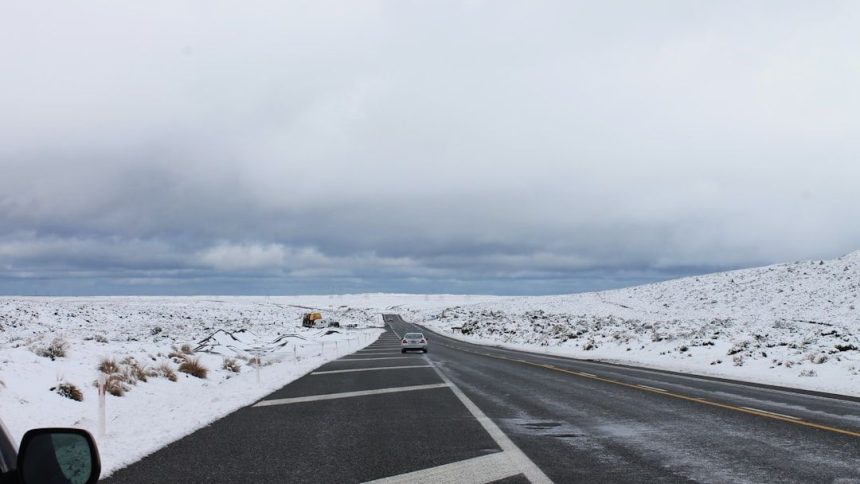
Most people picture black ice on a snowy mountain pass or a frozen Midwestern highway. What almost nobody expects is to find a nearly invisible sheet of ice on a desert road, in a region where the sun blazes for most of the year. That assumption, that the Southwest is too warm or too dry for serious winter hazards, is exactly the kind of thinking that has cost lives.
The stretch of Interstate 40 cutting through northern Arizona and New Mexico is one of the most quietly lethal winter corridors in the United States. It looks ordinary. It feels familiar. Yet when the temperature drops and moisture meets the pavement at elevation, it transforms into something truly dangerous. Read on, because what this highway becomes in winter is not what you would ever guess.
The Illusion of a Desert Road That Should Be Safe
There is something deeply misleading about a road that runs through a sun-baked landscape. Drivers passing through the Sonoran and Colorado Plateau regions along I-40 carry a false sense of security, shaped by every prior drive they have ever taken through a dry, warm Southwest. The desert looks incapable of producing winter ice. That instinct is dangerously wrong.
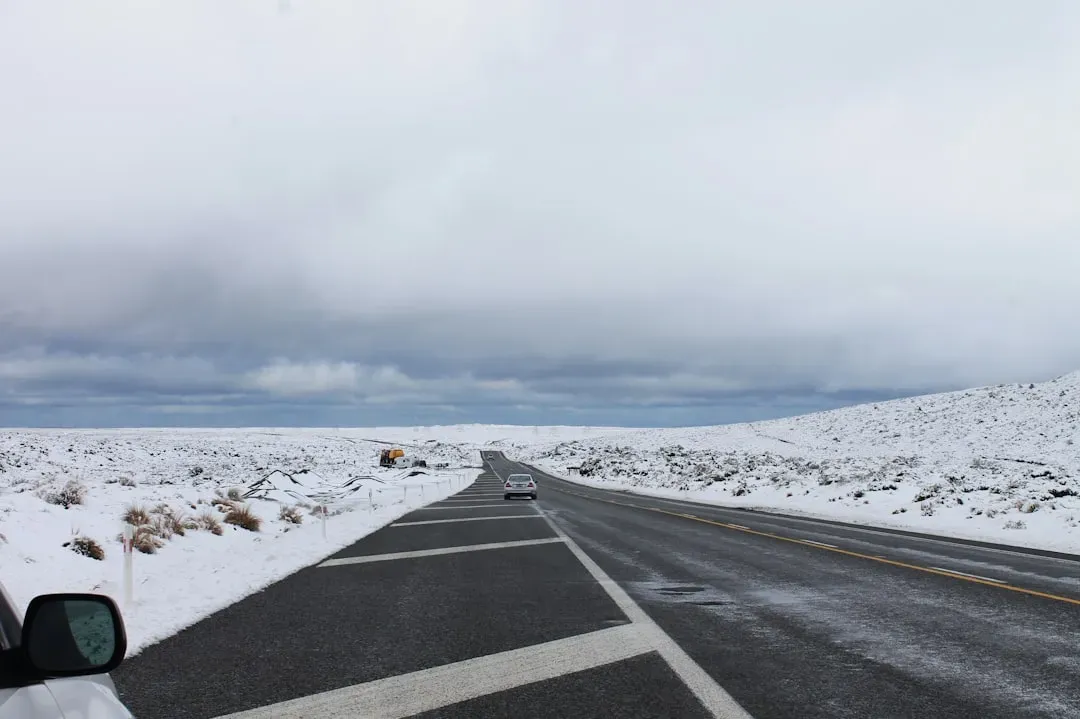
Eastern Arizona and New Mexico’s stretch of I-40 sits at high elevations reaching up to 7,300 feet, where drivers can expect winter snow, strong crosswinds, and freezing nights. That elevation changes everything. You are not driving through low desert anymore. You are on a plateau where the temperature, moisture, and physics of ice formation operate very differently from what the surrounding scenery would suggest.
What Black Ice Actually Is – and Why It’s So Hard to See
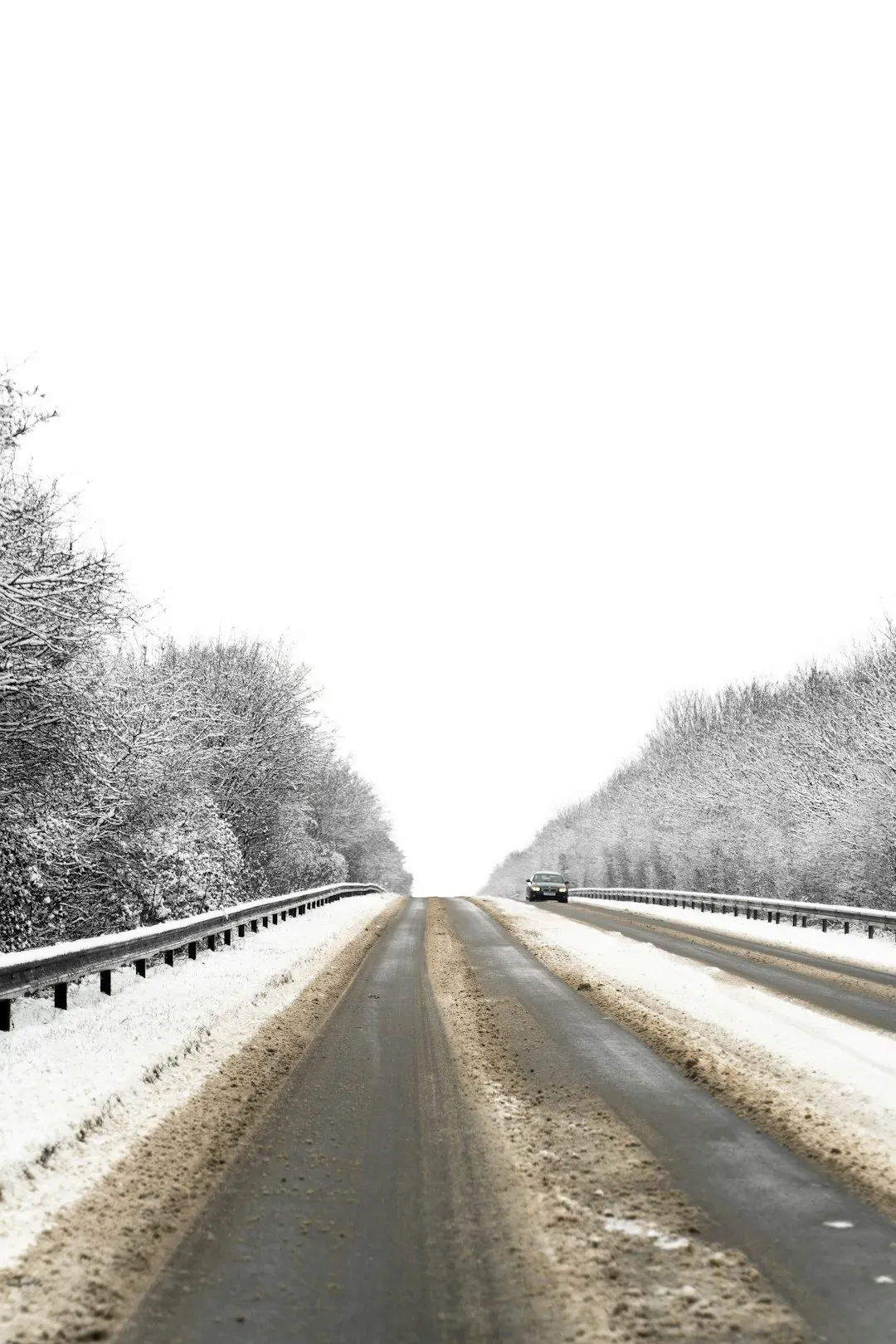
The term “black ice” in the United States is defined by the National Weather Service as “patchy ice on roadways or other transportation surfaces that cannot easily be seen.” It is often clear, not white, with the black road surface visible underneath. It is most prevalent during the early morning hours, especially after snowmelt on the roadways has had a chance to refreeze overnight when the temperature drops below freezing. Black ice can also form when roadways are slick from rain and temperatures drop below freezing overnight.
Black ice is dangerous because drivers cannot see it, their tires cannot grip it, and their brakes cannot work correctly on it. When drivers cannot see it, they cannot prepare themselves. When their tires lose traction, drivers can lose control of their vehicles immediately. Think of it this way: it’s the driving equivalent of stepping onto what looks like a dry floor, only to discover it has been waxed to glass. There is simply no time to react.
The Temperature Trap That Forms Ice on Desert Highways
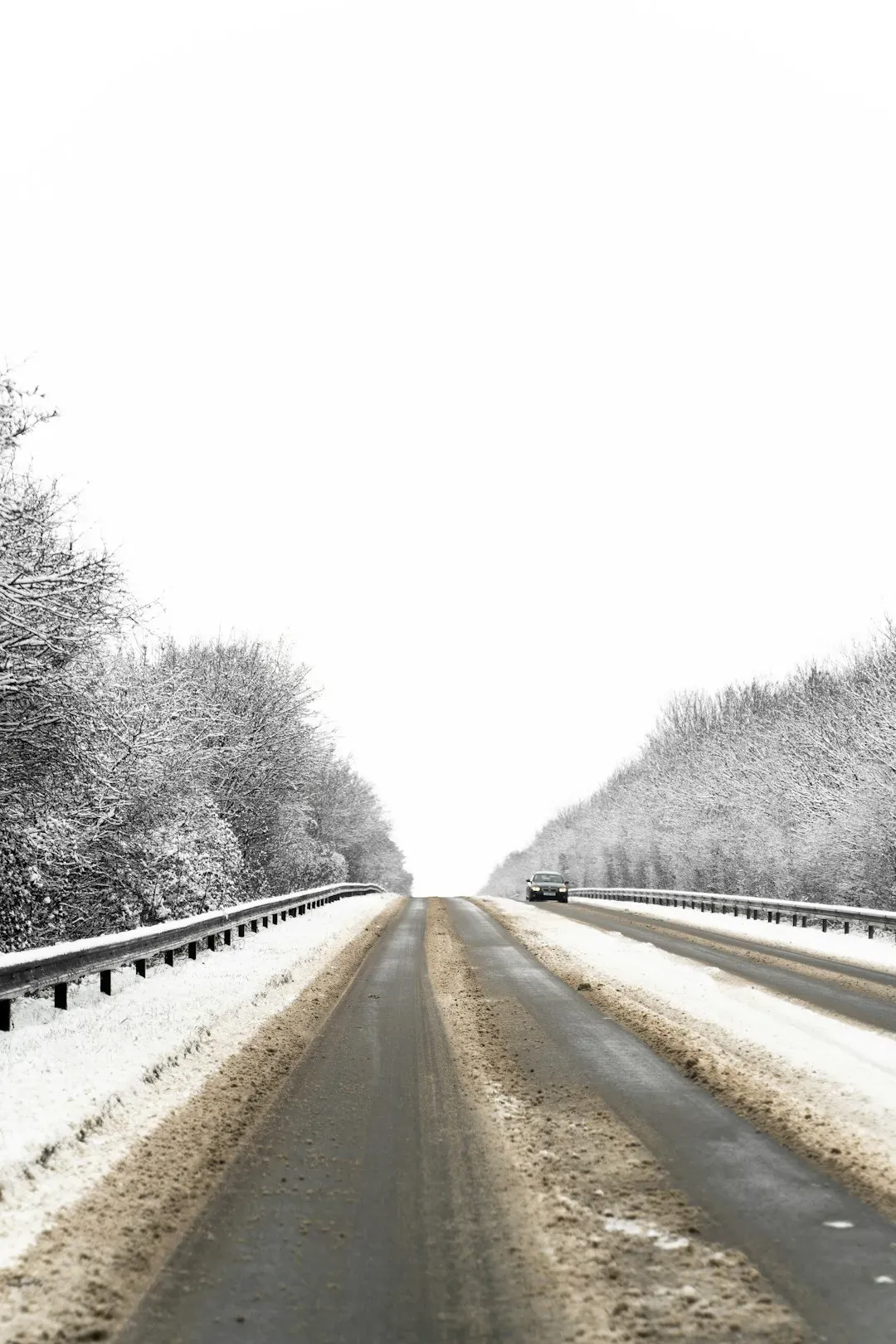
Temperatures in the Southwest can shift dramatically from day to night. In the morning, the roads may be clear and dry, but by nightfall, temperatures can drop quickly, especially in some of the northern areas. This can create black ice on the road, a hidden hazard for drivers in the Southwest who may be unfamiliar with it.
Black ice may form even when the ambient temperature is several degrees above the freezing point if the air warms suddenly after a prolonged cold spell that has left the surface of the roadway well below freezing. This is part of what makes the desert corridor so deceptive. The air feels cool, not cold. Drivers see no snow. Nothing about the visual environment screams “ice.” Yet the pavement surface, chilled for hours by frigid nighttime air, has become a skating rink.
Bridges and Overpasses: Where Ice Forms First and Fastest
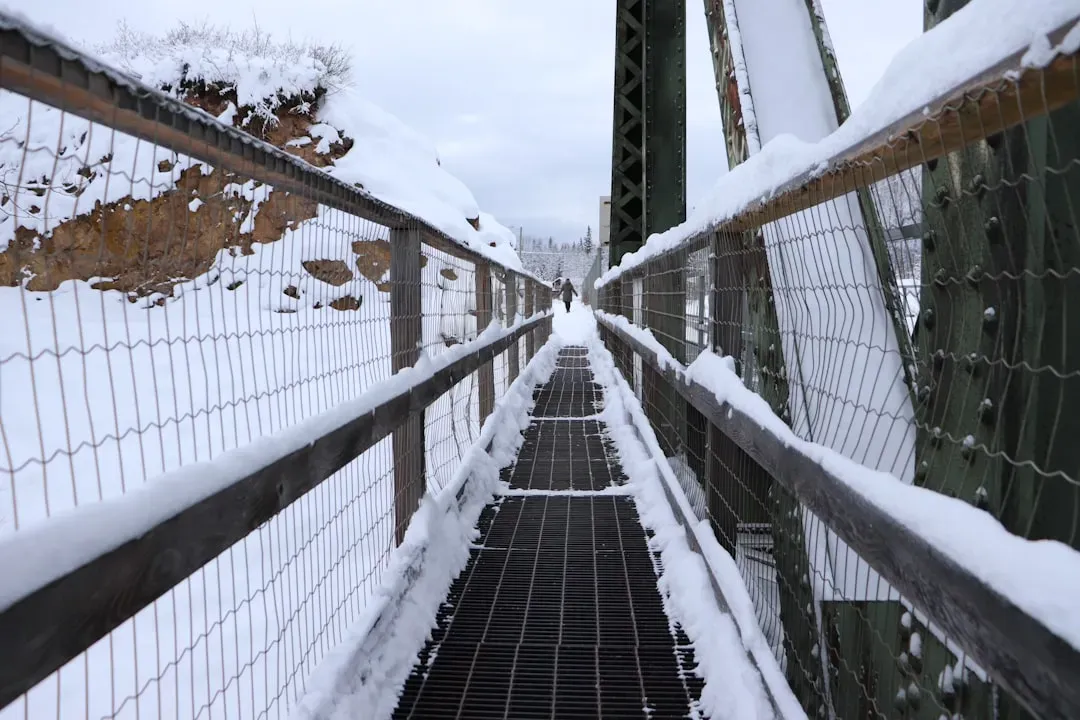
Black ice forms first on bridges and overpasses because air can circulate both above and below the surface of the elevated roadway when the ambient temperature drops, causing the pavement temperature on the bridge to fall rapidly. This is basic physics, but it has catastrophic consequences on long, fast desert highways where bridges appear suddenly and without warning.
Elevated surfaces such as bridges and overpasses flash freeze significantly faster than the regular roadway. Drivers may be cruising at highway speeds on wet pavement, only to suddenly encounter a sheet of solid ice upon crossing a bridge. This dramatic shift in road conditions is the leading cause of accidents during freezing rain events. On a stretch of desert highway like I-40, where long open runs at highway speed are the norm, that transition from dry asphalt to solid ice can happen within the blink of a headlight.
I-40 Through Northern Arizona: A Specific Highway That Becomes a Death Trap
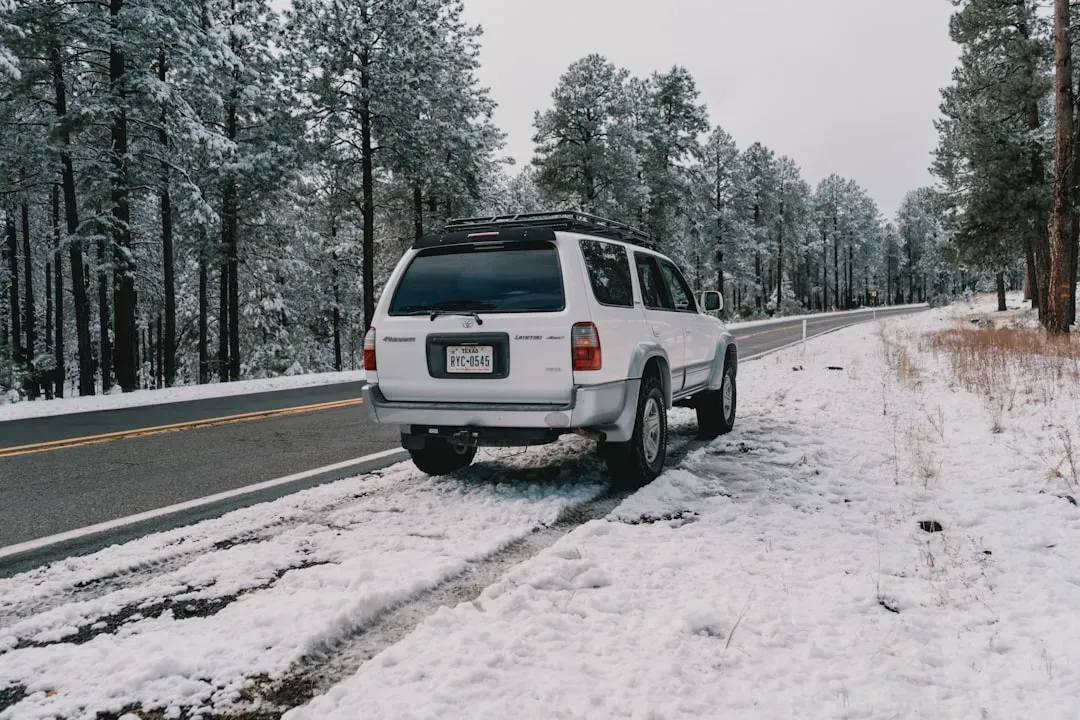
Running across the northern part of Arizona through Flagstaff, the 359 miles of Interstate 40 is part of the major thoroughfare connecting California to North Carolina. With everything from brush fires in the summer to snow and ice in the winter, I-40’s heavy traffic and dynamic road conditions demand that all drivers focus on safety first.
Snow and black ice have closed Interstate 40 east of Flagstaff for hours at a stretch, as semi-trucks have jackknifed due to the conditions. In one documented winter event, two people died in a crash involving 18 vehicles near Williams, Arizona, and a fire caused by the crash burned for more than 12 hours. That is not a freak event. It reflects a pattern that repeats itself every single winter on this road.
The Role of Elevation and Unfamiliar Drivers
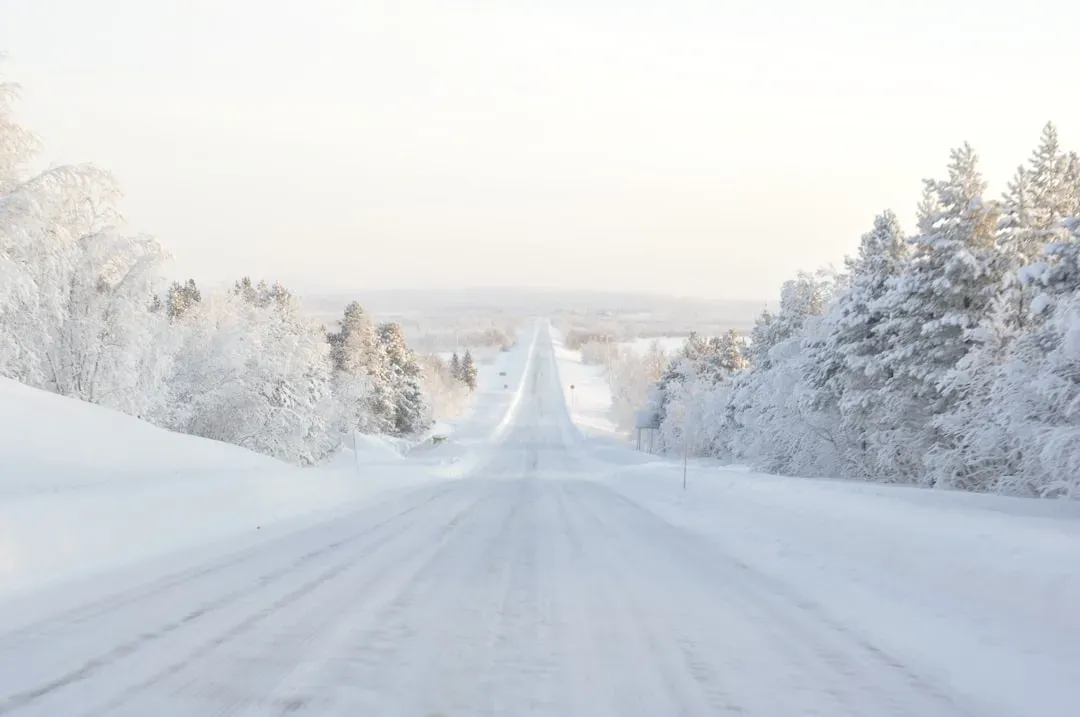
Icing events in the Midwest and Plains tend to be intermittent and widely spaced in time rather than season-long. Intermittent icing events cause more deaths because motorists are caught unprepared. In general, the fewer road icing events a location sees per winter, the greater the rate of fatalities per event. The same rule applies to the desert Southwest. Most drivers on I-40 through Arizona or New Mexico are travelers and long-haul truckers passing through, not locals who know the road’s winter personality.
Probable explanations for higher road ice fatality numbers in certain regions include the fact that travel often takes place on rural highways at high speeds, the average trip requires more mileage, and all travel must be done by automobile. Honestly, when you combine high speed, long distances, unfamiliar drivers, and sudden black ice on a desert road most people think is safe, you have a recipe for disaster that keeps repeating itself year after year.
The Scale of the National Problem: Ice Kills More Than You Think
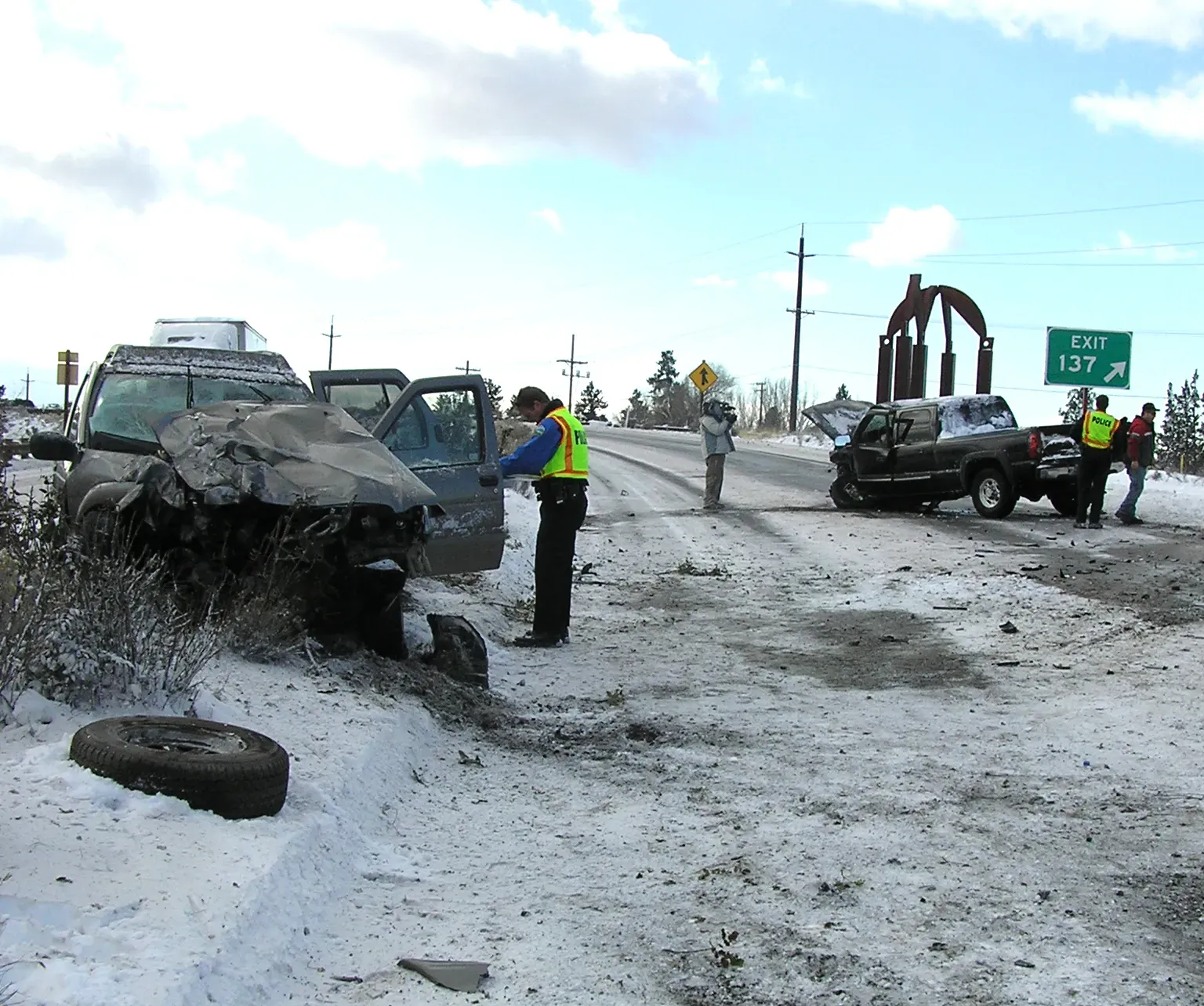
Uploaded by Smallman12q, CC BY 2.0)
According to the Federal Highway Administration, icy conditions contribute to over 150,000 accidents annually in the United States, resulting in approximately 1,800 fatalities and more than 135,000 injuries. Let that number settle in. That is nearly five deaths every single day during winter across the country, not from dramatic blizzards or white-out conditions, but from ice.
Each year, roughly 24 percent of weather-related vehicle crashes occur on snowy, slushy, or icy pavement and 15 percent happen during snowfall or sleet. Roughly one in four weather-related crashes, in other words, happens on ice or frozen roads. Almost half a million car accidents each year are due to winter storms, wet road conditions, and general bad weather, and according to the American Automobile Association, there are more than 2,000 winter road deaths.
States Where Winter Crashes Spike the Most – and How Desert States Fit In
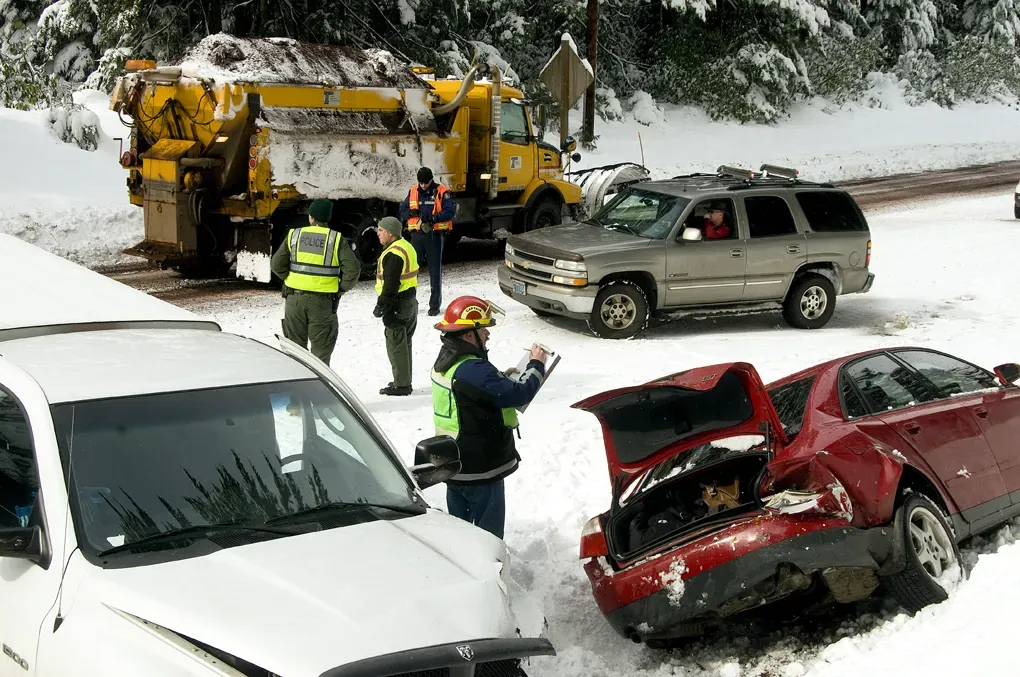
Uploaded by Smallman12q, CC BY 2.0)
From fall to winter, crash rates increased 168% in North Dakota, 65% in Mississippi, and 50% in Kentucky, with significant spikes also observed in Minnesota, Michigan, and Iowa. Those are staggering numbers. A nearly 170% rise means that the road almost triples in danger just because the season changed. That is not a gradual shift. It is a cliff edge.
Nevada and Colorado see crash rate gains linked to nighttime black ice and high-altitude corridors. Desert and plateau states are not immune to this winter surge pattern. Winter crash risk concentrates in a handful of brutal segments, with the worst clusters showing up on I-70 over Colorado’s high passes, I-80 across Elk Mountain in Wyoming, and other stretches defined by rapid temperature swings and wind exposure at elevation. I-40 through northern Arizona fits every one of those risk factors perfectly.
The Deadly Pattern of Multi-Vehicle Pileups on Desert Ice
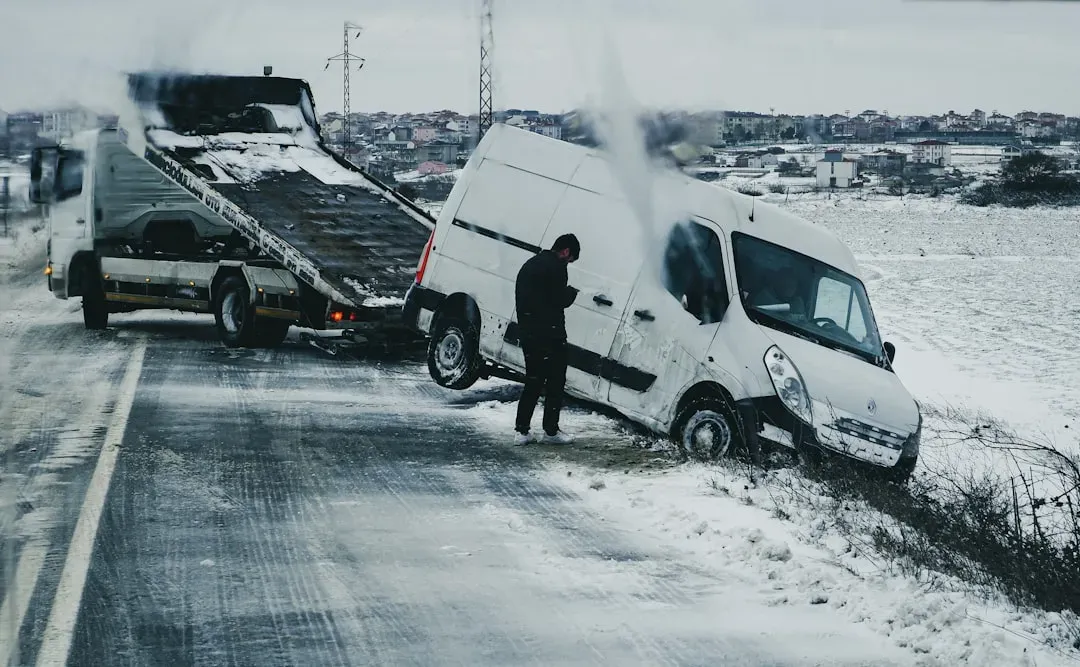
Multi-vehicle accidents are a frequent consequence of icy conditions, especially on highways where vehicles travel at higher speeds. One small incident, such as a car skidding into another, can quickly escalate into a pileup involving multiple vehicles. On icy stretches of interstate, a single vehicle losing control can lead to a domino effect, with other drivers unable to stop in time to avoid the crash. These pileups are particularly hazardous because emergency responders may face difficulty accessing the scene during severe winter storms.
It can be up to ten times longer for a car to stop on icy or wet roads than on dry pavements. On a desert highway where speed limits are high and following distances are often too short, that stopping distance multiplied by ten is the difference between a near-miss and a 20-vehicle pileup. Sleet and freezing rain can cause black ice, a nearly invisible layer of ice that makes roads extremely slick, especially at intersections, highway on-ramps, and sharp curves where vehicles are more likely to lose control. Many drivers underestimate the risk, failing to reduce their speed when sleet or freezing precipitation begins to fall.
Warning Signs, Patterns, and What Drivers Must Know Before Driving Desert Winter Roads
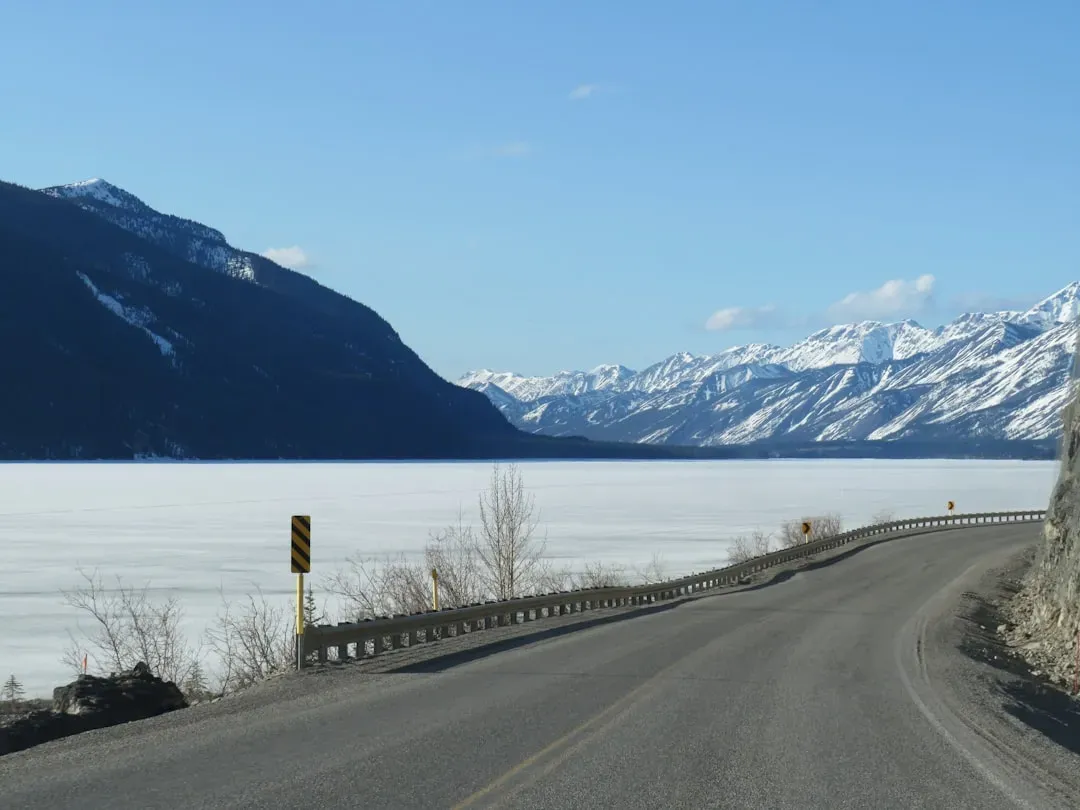
In some cases, accidents occur not because of negligence but because icy conditions develop so quickly that drivers have no time to react. This is particularly common in the early morning hours when temperatures are at their lowest and dew freezes into ice on the road. The window of danger on desert desert roads is often narrowest and most treacherous right around dawn, when road surfaces have had all night to chill and any moisture has had hours to set into a sheet of transparent ice.
If driving after sunset, drivers should slow down and be extra cautious around bridges and shaded areas, where black ice forms first. Research data from fleet analysis platforms shows that nearly half of all crashes happen in the afternoon and evening commute windows, with nighttime hours especially risky due to a lack of visibility and falling temperatures. As the air gets colder, driving late at night or early in the morning can also be hazardous due to fatigued motorists and black ice. That combination of fatigue, darkness, and invisible ice on a desert road most people consider safe is what makes these stretches quietly catastrophic.
Conclusion: The Road That Doesn’t Look Dangerous Is Often the Most Dangerous
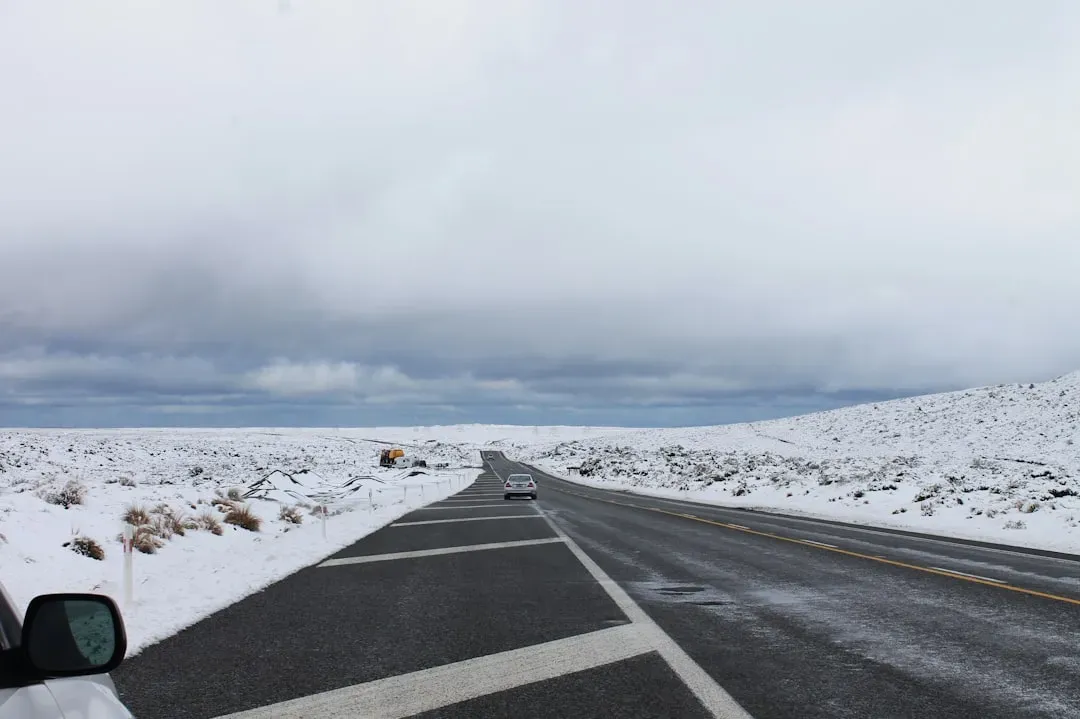
There is a psychological trap embedded in driving through a desert in winter. The landscape does not signal danger the way a snow-covered mountain pass does. It looks dry, open, and forgiving. That visual calm is a lie told by the scenery while the pavement quietly freezes beneath your wheels.
I-40 through northern Arizona and New Mexico is a perfect case study in this deception. High elevation, dramatic day-to-night temperature swings, unfamiliar out-of-state drivers, high-speed traffic, and sudden black ice have all combined to turn a seemingly ordinary desert highway into one of the most dangerous winter corridors in America. It doesn’t make the news as often as a blizzard on the East Coast. But the crashes, the pileups, the closed lanes, and the fatalities happen every single winter without fail.
The most dangerous road is often the one you were never afraid of. The next time you drive through the Southwest in winter and the sky is clear and the desert looks dry and warm, just remember: the pavement has been cooling since sunset, and the bridge up ahead froze hours ago. What would you have guessed?