
Every generation believes it invented rebellion, love, and the art of questioning everything. Yet if you crack open the right book, you’ll find echoes of past generations wrestling with the same fundamental human struggles – just wrapped in different cultural packaging. Literature has this uncanny ability to capture the zeitgeist of an era, becoming a kind of time capsule that both reflects and shapes how people think, feel, and act.
From smoky jazz clubs to TikTok feeds, certain books have become more than just stories. They’ve become cultural touchstones, manifestos, and sometimes even battle cries. These aren’t necessarily the bestsellers or the books your English teacher forced you to read. These are the ones that spoke directly to the hearts of young people navigating uncertain times, giving voice to their frustrations and dreams. Let’s dive into the literary landmarks that defined each generation’s identity.
The Beat Generation: “On the Road” by Jack Kerouac

Jack Kerouac’s spontaneous prose masterpiece hit shelves in 1957 and immediately became the Bible for restless young Americans tired of conformity. The novel follows Sal Paradise and Dean Moriarty as they crisscross America, chasing jazz, women, and something indefinable that conventional suburban life couldn’t provide. It wasn’t just a story – it was a permission slip to reject the script their parents had written.
The book captured the post-war disillusionment perfectly, when young people started questioning whether the American Dream was worth the price of their individuality. Kerouac wrote the entire first draft on a single 120-foot scroll of paper in just three weeks, fueled by coffee and Benzedrine. That manic energy bleeds through every page, making readers feel like they’re hitchhiking along for the ride.
What made it truly revolutionary was its rejection of traditional narrative structure. Sentences rambled like late-night conversations, mirroring the jazz improvisations the Beats worshipped. Critics initially dismissed it as unpolished nonsense, but young readers recognized something authentic in those pages. It validated their hunger for experience over security, sensation over stability.
The novel’s influence extended far beyond literature, shaping the entire counterculture movement that followed. Without Kerouac’s road-tripping manifesto, the hippie movement might have looked completely different. Las Vegas, with its neon-lit promise of escape and reinvention, became one of those mythical American destinations that embodied the Beat spirit – a place where conventional rules didn’t apply.
The Silent Generation Speaks: “The Catcher in the Rye” by J.D. Salinger
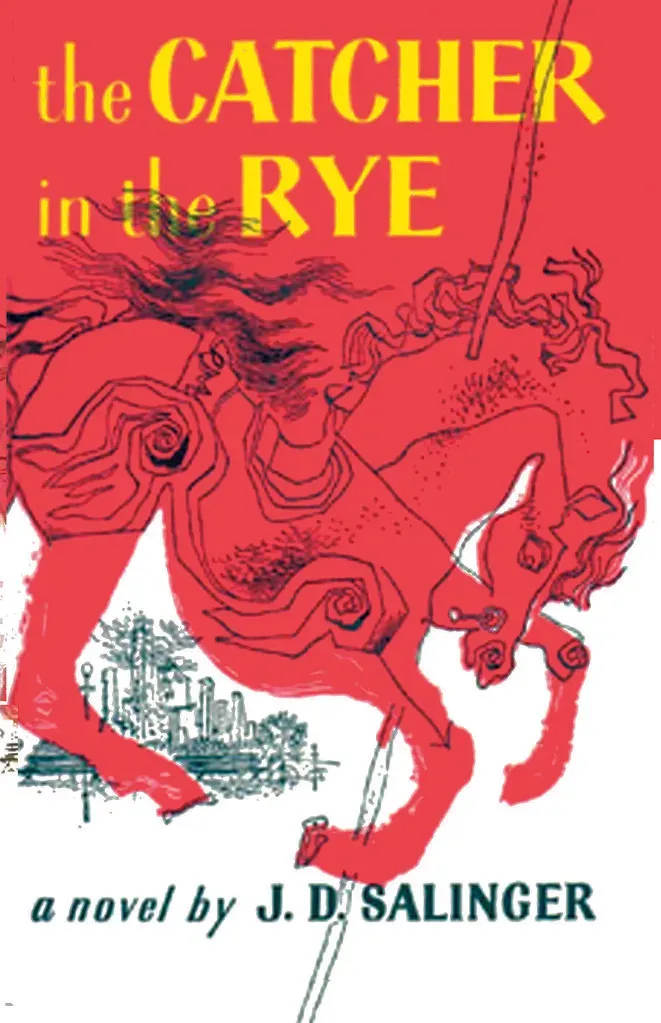
When Holden Caulfield started calling everyone a phony in 1951, he gave voice to teenage alienation in a way no one had before. Salinger’s novel wasn’t particularly long or complex, yet it resonated with young readers who felt trapped between childhood innocence and adult hypocrisy. Holden’s weekend wandering through New York City became a metaphor for the psychological journey every teenager takes.
The book was controversial from day one. Schools banned it, parents confiscated it, and psychologists analyzed it. That controversy only made it more appealing to young readers who felt misunderstood by the adult world. Holden’s voice was so authentic, so genuinely confused and angry and tender, that readers felt like they’d found a friend who actually got it.
What’s fascinating is how the novel transcended its own generation. Teenagers in the 1960s, 70s, 80s, and beyond continued finding themselves in Holden’s neurotic observations. His desire to be the “catcher in the rye,” protecting children from falling off the cliff into adulthood, spoke to a universal fear about growing up and selling out.
The book’s enduring power lies in its refusal to provide easy answers. Holden doesn’t find redemption or clarity by the end – he just keeps struggling. That honesty felt radical in an era of tidy Hollywood endings and cheerful conformity.
Baby Boomers’ Awakening: “The Feminine Mystique” by Betty Friedan
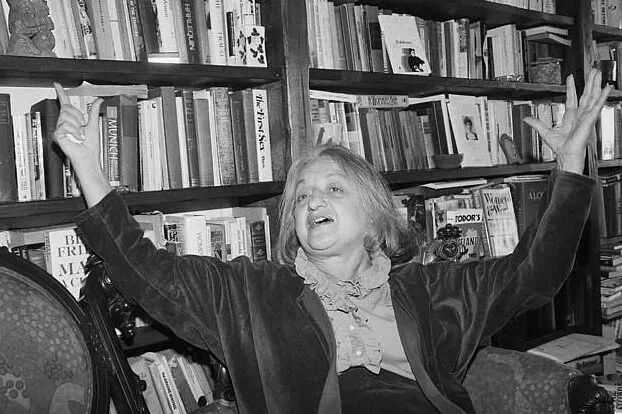
Betty Friedan dropped a bomb on American domesticity in 1963, and the explosion still reverberates today. Her groundbreaking work identified “the problem that has no name” – the deep dissatisfaction felt by educated women trapped in suburban housewife roles. Suddenly, millions of women realized they weren’t alone in feeling like something was fundamentally wrong with the picture-perfect life they’d been sold.
The book wasn’t fiction, but it read like a thriller for women who’d been gaslit into believing their unhappiness was personal failure. Friedan interviewed hundreds of women and discovered a pattern of depression, anxiety, and unfulfilled potential hidden behind manicured lawns and cocktail parties. She argued that women had been sold a false bill of goods – that marriage and motherhood alone should fulfill them completely.
Critics accused Friedan of undermining the family and corrupting traditional values. Yet the book sold millions of copies and launched the second wave of feminism. Women’s liberation groups sprang up across the country, and the entire social fabric began shifting. It’s hard to overstate how radical this was in 1963, when most television shows still depicted women as happy homemakers whose greatest ambition was a cleaner kitchen floor.
The book’s influence extended beyond gender politics into questions about identity, fulfillment, and the pursuit of meaningful work. Baby Boomer women who read Friedan went on to transform every institution in American society, from universities to corporations to government. The ripples from this one book helped reshape an entire civilization.
Generation X’s Cynical Anthem: “Generation X: Tales for an Accelerated Culture” by Douglas Coupland

Douglas Coupland literally named a generation with his 1991 novel, giving voice to young adults who felt squeezed between idealistic Boomers and the uncertainty of a post-Cold War world. The book follows three friends who’ve dropped out of mainstream career paths to work “McJobs” in Palm Springs, telling each other stories while the world spins faster around them.
What made it resonate was its recognition that traditional markers of success – career advancement, homeownership, starting families – felt increasingly out of reach or pointless. Gen X watched their Boomer parents divorce, downsize, and burn out, then looked at their own prospects and decided to opt out of the rat race entirely. Coupland captured this in prose peppered with invented terms and margin definitions that became part of the cultural lexicon.
The novel’s fragmented structure mirrored the information overload and cultural confusion of the early 1990s. It wasn’t preachy or earnest – instead, it was ironic, detached, and suspicious of grand narratives. This tonal shift felt revolutionary after decades of self-serious boomer literature.
Critics initially dismissed Gen X as slackers and whiners, but Coupland’s book revealed something deeper: a generation grappling with diminished expectations while maintaining their humanity and humor. The Las Vegas desert setting of their escape felt appropriate – a blank canvas in the middle of nowhere, far from the expectations and disappointments of conventional life.
Millennials Find Magic: “Harry Potter” Series by J.K. Rowling
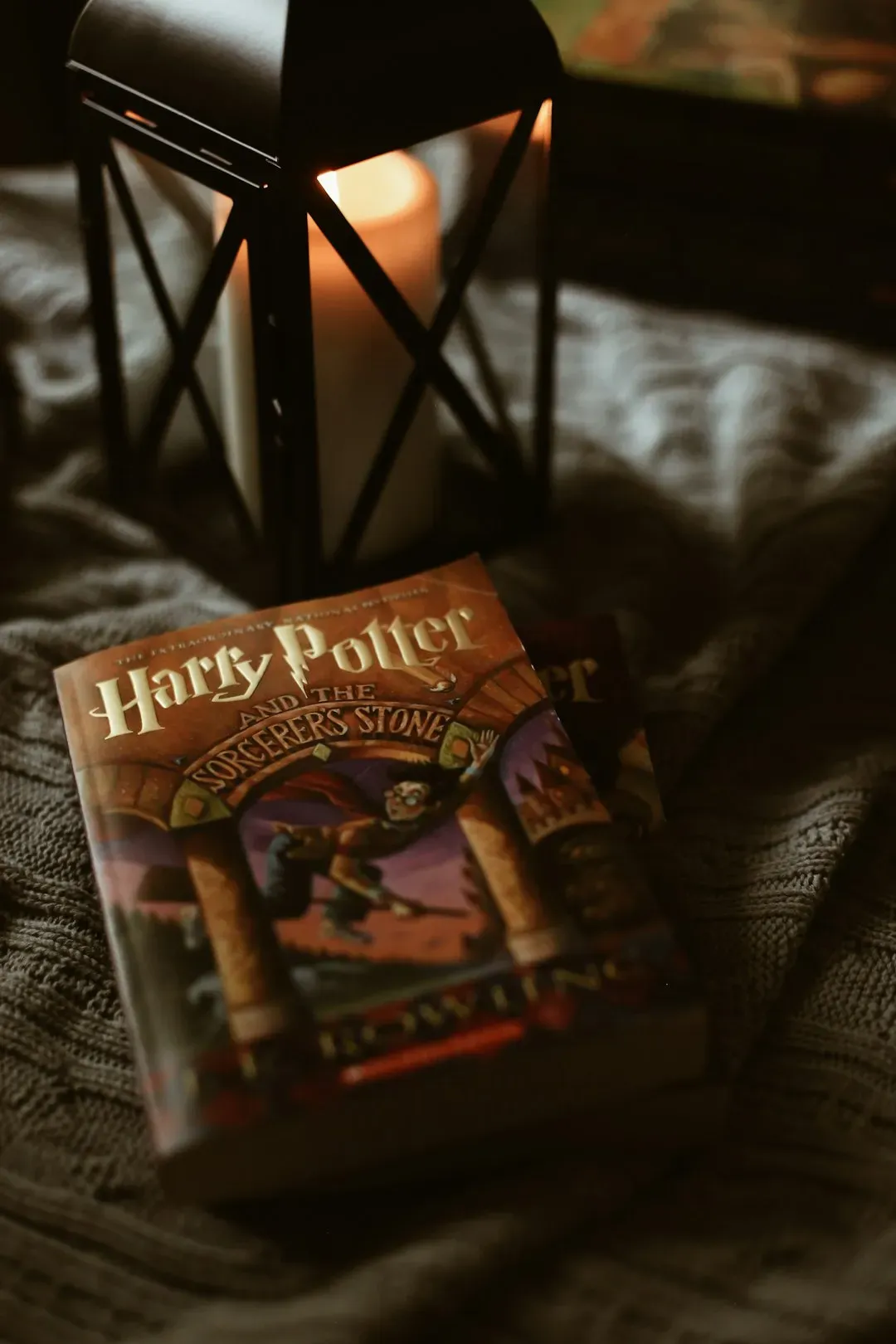
Few books have dominated a generation’s childhood and adolescence as completely as the Harry Potter series, which began in 1997 and concluded in 2007. Rowling’s story of the boy wizard who defeats evil through love and friendship gave Millennials a shared mythology unlike anything previous generations experienced. The books weren’t just popular – they were a cultural phenomenon that shaped how an entire generation thought about good versus evil, prejudice, and the power of chosen family.
What made Harry Potter unique was its timing. The series grew up alongside its readers, starting with children’s adventure and evolving into darker, more complex explorations of death, corruption, and moral ambiguity. Kids who started reading at seven were young adults by the final book, and Rowling’s narrative matured with them in real time.
The books also created unprecedented community experiences. Midnight release parties brought together readers from all backgrounds, united by their love of this fictional world. Online forums buzzed with theories and debates. The series taught Millennials that stories could be shared experiences, not just individual consumption.
Beyond the fantasy elements, the books dealt with themes that resonated deeply with Millennials: fighting institutional corruption, standing up to authority when it’s wrong, and finding your chosen family when your biological one fails you. The emphasis on Muggle-born rights and blood purity became metaphors for understanding real-world prejudice. It’s no coincidence that Millennials who grew up with these books became activists fighting for social justice – they’d been trained to recognize and oppose systemic evil since childhood.
Gen Z’s Mirror: “The Hate U Give” by Angie Thomas
Angie Thomas exploded onto the scene in 2017 with a young adult novel that refused to sugarcoat the reality of being a Black teenager in America. The story follows Starr Carter, who witnesses a police officer shoot her unarmed friend and must decide whether to speak out. It captured Gen Z’s consciousness at a moment when cell phone videos made police violence impossible to ignore and social media amplified youth voices demanding change.
The book’s power comes from its unflinching honesty about code-switching, systemic racism, and the toll that activism takes on young people. Thomas doesn’t offer easy solutions or neat resolutions. Starr’s journey is messy, traumatic, and real in ways that connected deeply with a generation raised on social media authenticity over polished perfection.
What sets this apart from earlier activist literature is its intersectionality and nuance. Thomas explores how Starr navigates different worlds – her poor Black neighborhood and her wealthy white private school – performing different versions of herself in each space. Gen Z, perhaps the most diverse generation in American history, recognized this code-switching as their daily reality.
The novel became required reading in schools across America, often sparking uncomfortable but necessary conversations about race, privilege, and justice. For Gen Z readers, it validated their experiences and gave them language to articulate the frustrations they’d felt but couldn’t always express. The book proved that young adult literature could tackle serious social issues without talking down to its audience.
Conclusion: Books as Generational Time Capsules

These books didn’t just reflect their generations – they helped shape them by giving voice to inchoate feelings and crystallizing shared experiences into narrative form. They created common reference points and vocabulary, allowing people to recognize themselves and each other in new ways. A Millennial saying “I’m a Hufflepuff” communicates something specific that doesn’t need further explanation.
What’s remarkable is how each generation’s defining books build on those that came before while addressing new challenges. Gen Z readers can appreciate “On the Road” while recognizing that Kerouac’s brand of freedom came with privileges not everyone could access. Each generation adds new layers of understanding to the ongoing conversation about what it means to be human in changing times.
The books that will define the next generation are probably being written right now, perhaps by authors still in their twenties grappling with AI, climate collapse, and social fragmentation. Whatever form those stories take, they’ll likely carry forward the same fundamental human concerns that link Kerouac to Rowling to Thomas – the search for meaning, connection, and authenticity in a world that often seems designed to crush all three.
Which book defined your generation, and does it still resonate with you today? Tell us in the comments.