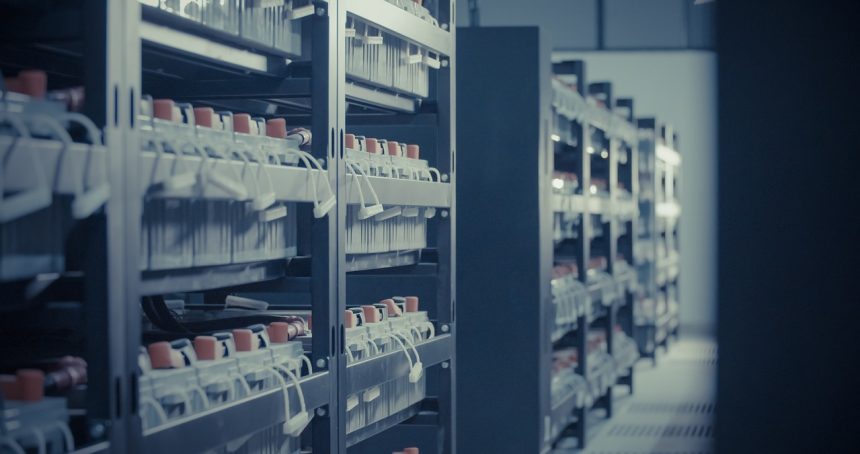
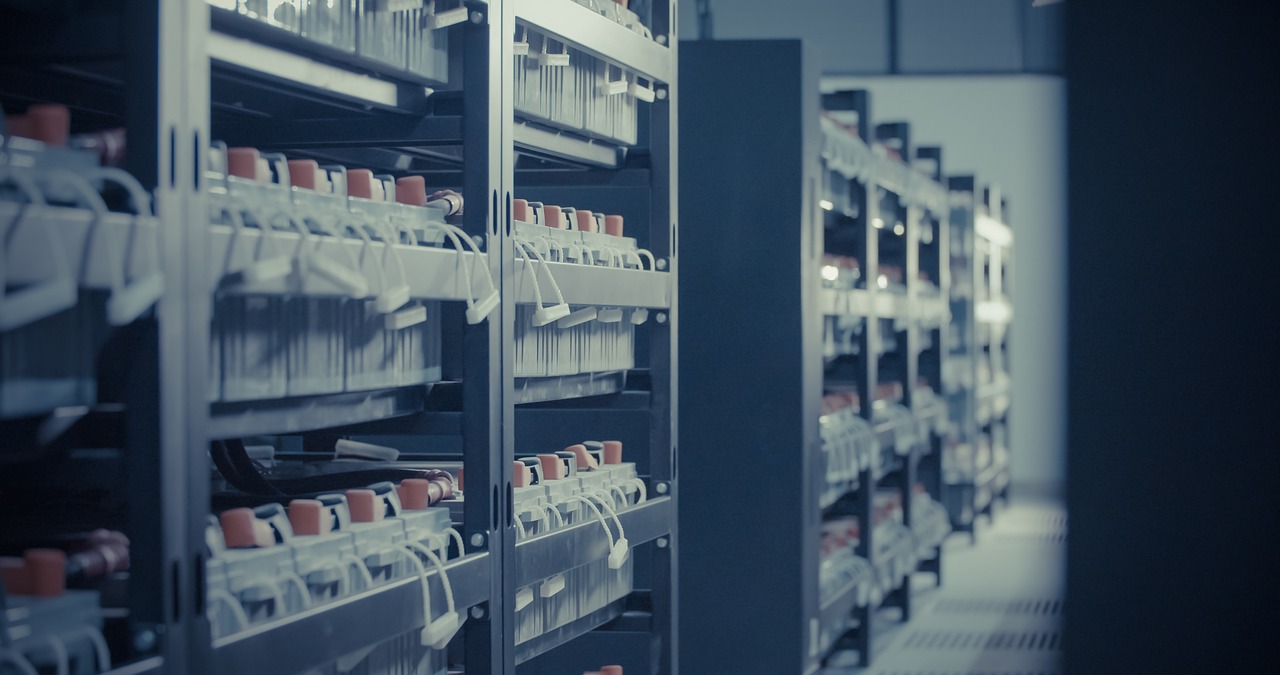

Developers Pitch Economic Boost Amid Desert Doubts (Image Credits: Pixabay)
Boulder City, Nevada – A proposed 170-megawatt AI data center on 88.5 acres of city-owned land in the Eldorado Valley has triggered widespread opposition from residents worried about escalating electricity costs and water demands.[1][2] Local homeowners packed council meetings and launched an online petition that amassed more than 2,600 signatures, signaling deep community resistance.[3] The Boulder City Council advanced the project through an initial phase earlier this year, despite vocal protests, leaving many to question whether elected officials truly heeded public sentiment.[4]
Developers Pitch Economic Boost Amid Desert Doubts
Townsite Solar 2 LLC, backed by Skylar Capital Management, unveiled plans for the high-density facility in March 2026.[1] The project targets AI workloads with advanced, water-efficient cooling systems designed to minimize environmental footprints in the arid region. Proponents highlighted potential annual revenue of $2.6 million for the city, along with new job opportunities to help address budget shortfalls discussed by council members in January.[5]
Developer Richard Lammers emphasized adaptability during a recent public meeting, stating the team aimed to create one of the nation’s top data centers by addressing community feedback.[6] Still, the scale – spanning nearly 90 acres – raised immediate flags about infrastructure compatibility in a town long prized for its quiet, preserved character.
Residents Voice Fears of Overburdened Resources
Opposition crystallized at city council sessions where dozens of neighbors argued against approval for roughly 45 minutes during one March gathering.[7] Homeowners expressed alarm over the facility’s massive power draw, which could strain the local grid and drive up utility rates amid rising temperatures. Water scarcity emerged as another flashpoint, with critics noting years of official calls for conservation now seemingly contradicted by the project’s needs.[4]
Protests extended beyond meetings. Residents planned all-day demonstrations at City Hall ahead of a key planning commission discussion, underscoring frustration with perceived rushed processes.[4] A town hall hosted by gubernatorial candidate Alexis Hill drew around 40 attendees who pressed for clarity on long-term impacts.[8]
Partner offer

Petition Surge Highlights Depth of Divide
An online petition titled “No Data Centers in Boulder City” quickly surpassed 2,100 signatures, later climbing higher, as locals urged the council and planning commission to reject the zoning changes.[9][10] Signatories argued the development bypassed voter input in an area designated for limited uses, eroding trust in local governance. One resident letter captured the sentiment, decrying politicians who dismiss public opinion in favor of select polls.[11]
Council Member Denise Ashurst acknowledged the town’s small-scale identity but suggested room for technological evolution. Yet, such views clashed with the crowd’s emphasis on preserving Boulder City’s unique appeal against industrial-scale projects.[4]
Balancing Act: Pros Versus Public Pushback
The debate pits promised gains against tangible risks. Developers touted revenue and employment, while opponents focused on hidden costs to everyday life.
| Project Pros | Resident Concerns |
|---|---|
| $2.6 million annual revenue[5] | Grid strain and higher power bills[12] |
| New jobs and tech advancement | Water use in drought conditions[13] |
| Efficient cooling tech | Loss of open desert habitat[14] |
Tax incentives for data centers have further fueled skepticism, with some viewing them as unfair subsidies amid statewide growth in such facilities.[15]
In response to mounting pressure, Boulder City officials postponed a pivotal hearing from mid-April to May, buying time for more dialogue.[16] The controversy has drawn gubernatorial hopefuls into the fray, elevating a local zoning fight to broader policy discussions on data center proliferation.[17]
Key Takeaways:
- Over 2,600 residents signed a petition opposing the data center, highlighting resource and transparency worries.
- The 170MW facility promises economic perks but faces scrutiny over power and water demands.
- A November 2026 ballot question could decide data center allowances in the Eldorado Valley.[18])
As Boulder City navigates this crossroads, the core issue remains whether economic ambitions will override the clear call from constituents to protect their town’s fabric. The numbers – petition tallies, power projections, revenue estimates – paint a complex picture, but resident voices grow louder with each delay. What do you think about the balance between growth and preservation here? Tell us in the comments.
Partner offer
Planning a trip to Vegas?
Compare hotel rates and show tickets on VEGAS.com.