


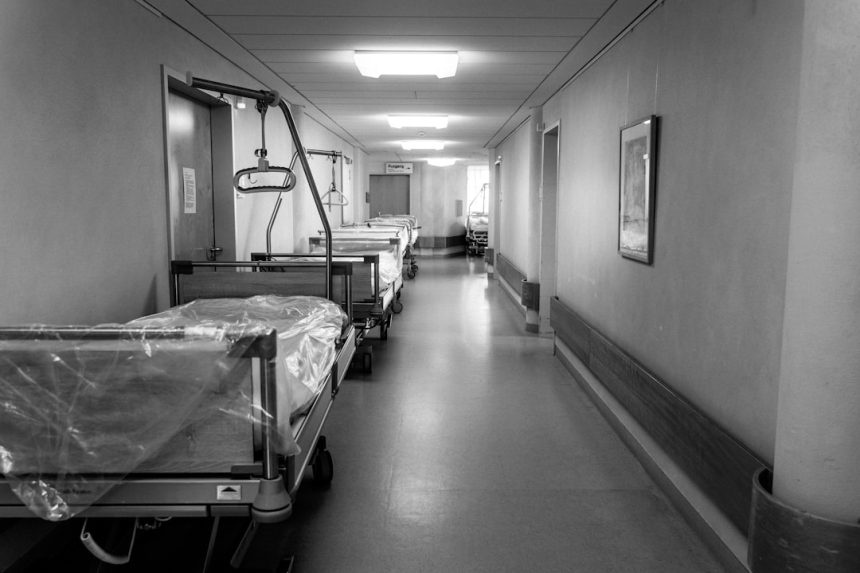


Financial Pressures Prompt the Overhaul (Image Credits: Unsplash)
Boulder City, Nevada – Boulder City Hospital revealed plans to lay off around 70 employees and permanently close inpatient care as it converts to a rural emergency hospital effective May 1.[1][2]
Financial Pressures Prompt the Overhaul
The decision stemmed from longstanding challenges facing small critical access hospitals like Boulder City Hospital. Low patient volumes, inconsistent reimbursements, workforce shortages, and high fixed costs had strained operations for years. Post-COVID funds from the American Rescue Plan Act provided temporary relief, but leaders sought a sustainable path forward.
Discussions about the rural emergency hospital option began in October and gained board approval in December. Hospital CEO Thomas Maher described the move as essential for viability. “The viability of the hospital, for a long time, has been a concern of mine and the board’s,” Maher stated. “We were searching for a way to ensure we have a long-term viable health care option in Boulder City.”[1]
Clear Changes to Services Offered
Inpatient beds for stays longer than 24 hours will close permanently, including medical-surgical units, transitional recovery, and geriatric psychiatry admissions. Patients needing extended care will receive stabilization in the emergency department before transfer to partner facilities in the Las Vegas Valley.[2]
Core services will persist to meet urgent community needs. Emergency care operates around the clock, alongside outpatient offerings.
Partner offer

- 24/7 emergency department and observation stays under 24 hours
- Primary care clinic
- Laboratory, radiology, and respiratory therapy
- Outpatient surgery and behavioral health
- 47-bed long-term care and skilled nursing facility
Human Toll: Layoffs and Employee Support
The restructuring affects roughly 70 part- and full-time positions across departments such as nursing, pharmacy, dietary, and housekeeping. Employees received WARN Act notices on February 26, with terminations set for around April 30 after a 60-day period that includes continued pay and benefits.[2]
Maher expressed deep regret over the cuts. “It’s absolutely the worst part of this job,” he said. “Any time you have a reduction in force, sadly, good people often lose their jobs.” The hospital scheduled informational meetings for staff in mid-March and offers COBRA coverage and unemployment guidance.[3]
New Financial Lifeline Under REH Designation
The rural emergency hospital model, introduced by Medicare in 2020, targets facilities like this one with fewer than 50 beds. It delivers a fixed monthly payment of $295,000 – totaling $3.54 million annually – regardless of patient numbers, plus a 5% bonus on outpatient Medicare reimbursements.[4]
This structure eliminates inpatient overhead while prioritizing emergency and outpatient focus. Dozens of similar hospitals nationwide adopted it by early 2026 to avert closure. Recent Medicaid cuts from federal legislation further pressured the facility, Maher noted.[5]
The transition awaits final approval from state and federal regulators, with public comments due by March 27. For full details, see the hospital’s community letter.[2]
Key Takeaways
- Emergency and outpatient services remain fully operational 24/7.
- Inpatient care ends May 1; transfers ensure continuity for serious cases.
- Fixed Medicare funding secures the hospital’s future amid rural challenges.
Boulder City Hospital’s pivot underscores a broader trend: rural facilities adapting to survive by refocusing on essentials. Residents retain vital care nearby, averting the full closures seen elsewhere. What do you think about these changes? Tell us in the comments.
Partner offer
Planning a trip to Vegas?
Compare hotel rates and show tickets on VEGAS.com.


