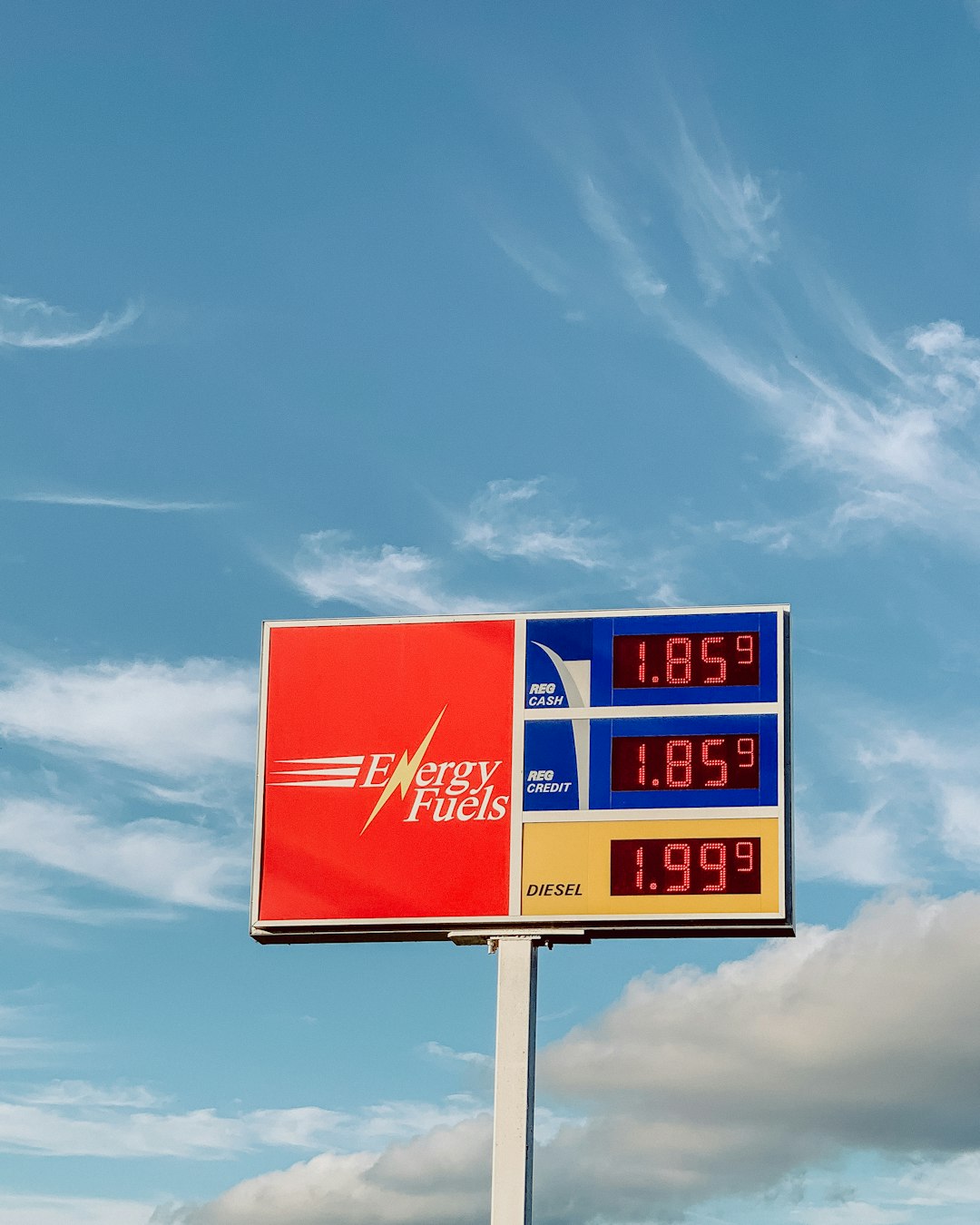

Iran Conflict Triggers Global Oil Shock (Image Credits: Unsplash)
Nevada – Gasoline prices in Nevada have risen more sharply than the national average amid the U.S. military action against Iran, with state regulations in California playing a pivotal role in the disparity.
Iran Conflict Triggers Global Oil Shock
The United States conducted successful strikes on Iran, targeting leadership, naval assets, and infrastructure.[1]
Iran responded by closing the Strait of Hormuz, a chokepoint through which 20 percent of the world’s oil passed last year.[1]
Oil markets reacted swiftly. Brent crude jumped from around $73 per barrel on February 27 to nearly $120 on Monday before easing below $91 by Tuesday.[1]
Nationally, gasoline saw its largest three-day increase since Hurricane Katrina in 2005, pushing the average above $3.50 per gallon – a 21 percent rise from a month earlier.[1]
Politicians Target Trump Over Pump Costs
California Governor Gavin Newsom criticized the president, stating the actions cost Americans $1.5 billion more at the pump that week alone.[1]
His office posted on X that Americans disliked the price increases attributed to Trump.[1]
Nevada Attorney General Aaron Ford, a Democratic candidate for governor, described prices above $4 per gallon as an outrageous burden on working families.[1]
These statements highlighted voter concerns over living costs as the conflict unfolded.
Partner offer

Nevada Prices Outpace the Nation
In Nevada, the average price climbed from $3.56 per gallon a month ago to $4.30 currently.[1]
Texas averaged $3.21 per gallon, and even after the recent national spike, 39 states offered cheaper fuel than Nevada recorded a month prior.[1]
| State | Price a Month Ago | Current Price |
|---|---|---|
| Nevada | $3.56 | $4.30 |
| Texas | N/A | $3.21 |
| National Avg | ~$2.89 | >$3.50 |
This table illustrates Nevada’s steeper trajectory compared to broader trends.
Factors beyond the Middle East tensions contributed to the local escalation.
California’s Regulations Strain Supply Chain
Nevada relies on California for approximately 88 percent of its refined oil products.[1]
Over decades, California implemented measures that curtailed fossil fuel operations, leading to refinery closures and greater dependence on imported oil.[1]
- Refineries shut down progressively due to regulatory pressures.
- State policies increased vulnerability to global supply shifts.
- Nevada, lacking local refining capacity, absorbed the fallout.
- These dynamics amplified costs beyond the temporary war-related disruption.
Analysts noted that such policies created a supply crunch felt acutely in neighboring states.
Persistent Pressures Beyond the Battlefield
While U.S. efforts calmed oil markets somewhat, California’s approach to energy showed no immediate reversal.[1]
The combination exposed how state-level decisions intersect with international events to shape everyday expenses.
Key Takeaways
- Nevada gas prices rose 21 percent in a month, outstripping the national jump.
- 88 percent of Nevada’s supply originates in California.
- Regulatory closures left the region exposed to foreign oil fluctuations.
As prices stabilize nationally, Western drivers face ongoing challenges from intertwined supply realities. What impact do these policies have on your wallet? Share your thoughts in the comments.
Partner offer
Planning a trip to Vegas?
Compare hotel rates and show tickets on VEGAS.com.