
Investigations Clear Oil Companies of Gouging Claims (Image Credits: Unsplash)
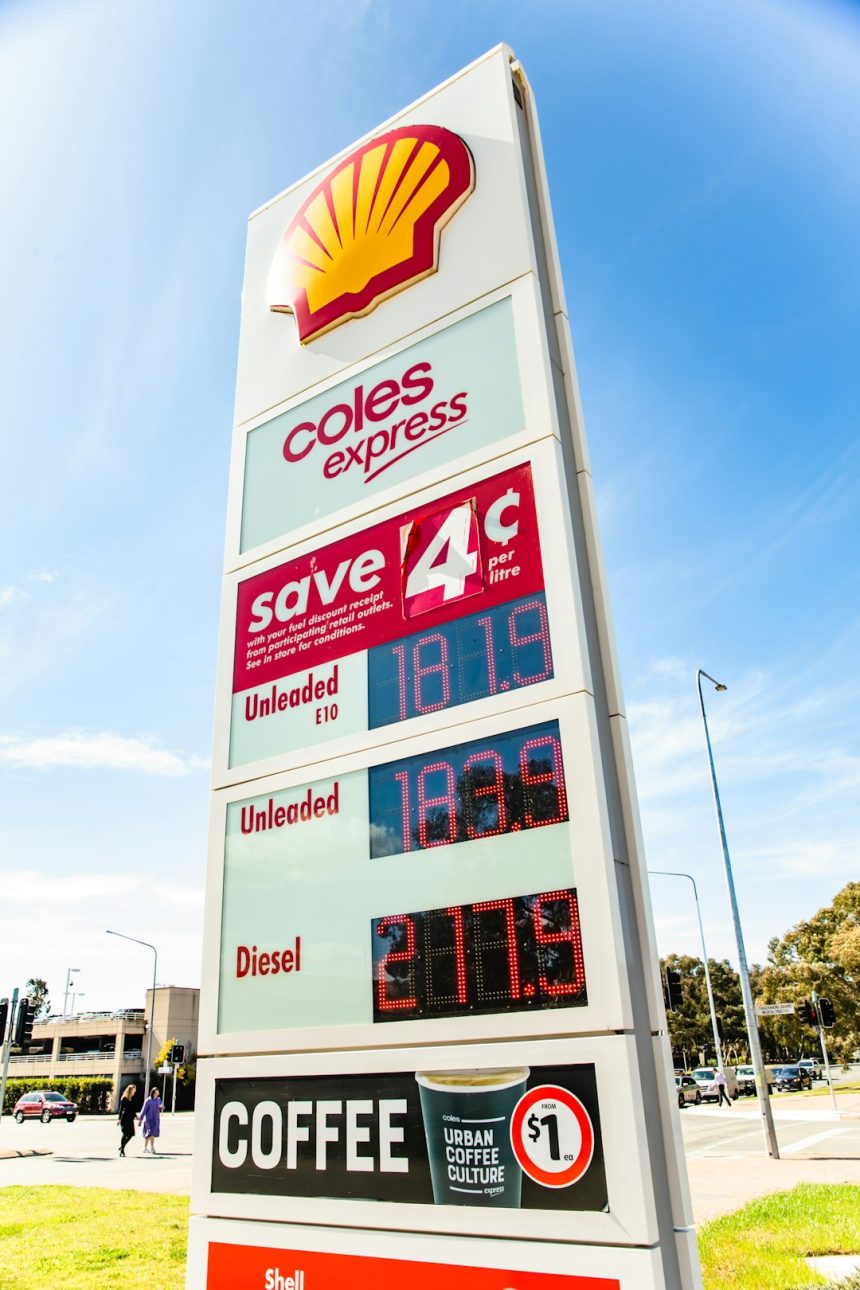
Nevada – Las Vegas drivers faced average gas prices above $4.90 a gallon recently, well exceeding the national average of around $4, amid tensions from the war with Iran. The Silver State relies on California for about 88 percent of its gasoline supply, making it vulnerable to its neighbor’s market dynamics. Politicians often point to price gouging as the culprit, but investigations reveal deeper policy roots behind these elevated costs.
Investigations Clear Oil Companies of Gouging Claims
A CBS News California probe spanning six months uncovered no proof of illegal price gouging despite years of accusations from state leaders.[1][2] Officials identified supply dynamics contributing to spikes but stopped short of blaming refiners. Natural Resources Secretary Wade Crowfoot noted certain factors drove volatility without pinpointing corporate misconduct.
Independent analyses echoed these findings. A University of Southern California study listed structural issues rather than profiteering as the main drivers. Federal reviews by the FTC and others similarly dismissed manipulation claims. California lawmakers approved penalties in 2023 targeting excessive refinery profits, yet the measure has seen limited use and no major enforcement.
Taxes and Environmental Rules Stack the Costs
California imposes the nation’s highest gasoline taxes and fees, totaling about $1.64 per gallon according to recent estimates. The state excise tax alone stands at 61 cents per gallon, surpassing the U.S. average by more than double.[3] Additional levies include sales taxes, underground storage fees, cap-and-trade programs adding 23 cents, and the Low Carbon Fuel Standard at 14 cents.
Environmental mandates require a unique CARBOB fuel blend, seasonal adjustments, and compliance measures that inflate production by 47 cents to $1.15 per gallon. These state-specific elements account for 55 percent of each gallon’s price. Labor, energy, and distribution costs further widen the gap in the isolated West Coast market.
Partner offer

- Highest excise tax: 61 cents/gallon
- Cap-and-trade and LCFS: 37 cents/gallon combined
- Special fuel blend processing: 10-15 cents/gallon
- Total taxes/fees: Up to $1.64/gallon
- Environmental compliance: $0.47-$1.15/gallon
Refinery Closures Shrink Supply Amid Global Shifts
California lost significant refining capacity through recent shutdowns. The Phillips 66 Los Angeles facility, processing 139,000 barrels daily, closed in October. Valero’s Benicia refinery, with 145,000 barrels capacity, followed by month’s end. These closures cut statewide capacity by 17 percent, forcing greater dependence on imports.
Over 60 percent of crude now arrives by ship, often from Asia or the Middle East, raising transportation emissions and exposure to international disruptions. No major inbound pipelines exacerbate vulnerabilities; resupply from outages takes weeks. The state’s 2035 ban on new internal combustion engine sales discourages infrastructure investment, while more than 360 energy firms relocated since 2018 due to regulatory pressures.[4]
| Factor | Impact on Prices |
|---|---|
| Refinery Capacity Loss | 17% reduction |
| In-State Crude Supply | Only 23% |
| Import Reliance | 60%+ by marine/rail |
Nevada Bears the Brunt of Neighboring Policies
Las Vegas pumps reflected California’s 2022 peaks above $6 per gallon, with Nevada averages surpassing $5 at times. Current Iran-related spikes pushed local prices higher than the U.S. benchmark. Governor Gavin Newsom touted his anti-gouging law as a win against Big Oil, yet prices remain elevated.
Chevron executives highlighted refining challenges, noting few out-of-state facilities produce California-compliant fuel. A Berkeley economist pointed to a persistent “mystery surcharge” since 2015, tied to outages rather than collusion. These dynamics spill over, straining Nevada households and businesses.
Key Takeaways
- No evidence supports price gouging claims after multiple probes.
- State taxes, regs, and supply constraints explain most premiums.
- Refinery exits heighten import risks from volatile regions.
California’s approach underscores the pitfalls of targeting symptoms over causes. Nevada leaders would do well to advocate for supply stability rather than recycled gouging rhetoric. As prices fluctuate, addressing root policies offers the clearest path to relief. What steps should states take next? Share your views in the comments.
Partner offer
Planning a trip to Vegas?
Compare hotel rates and show tickets on VEGAS.com.