Walk into any American store in early autumn and the Halloween aisle looks oddly familiar. The bags change a little, the packaging gets a refresh, yet many of the same names have been sitting there for generations.
Some of these candies are loved, some are mocked, and nearly all of them still sell. Here are nine that have stayed in the trick-or-treat rotation for decades, along with what makes each one stick around.
Candy Corn

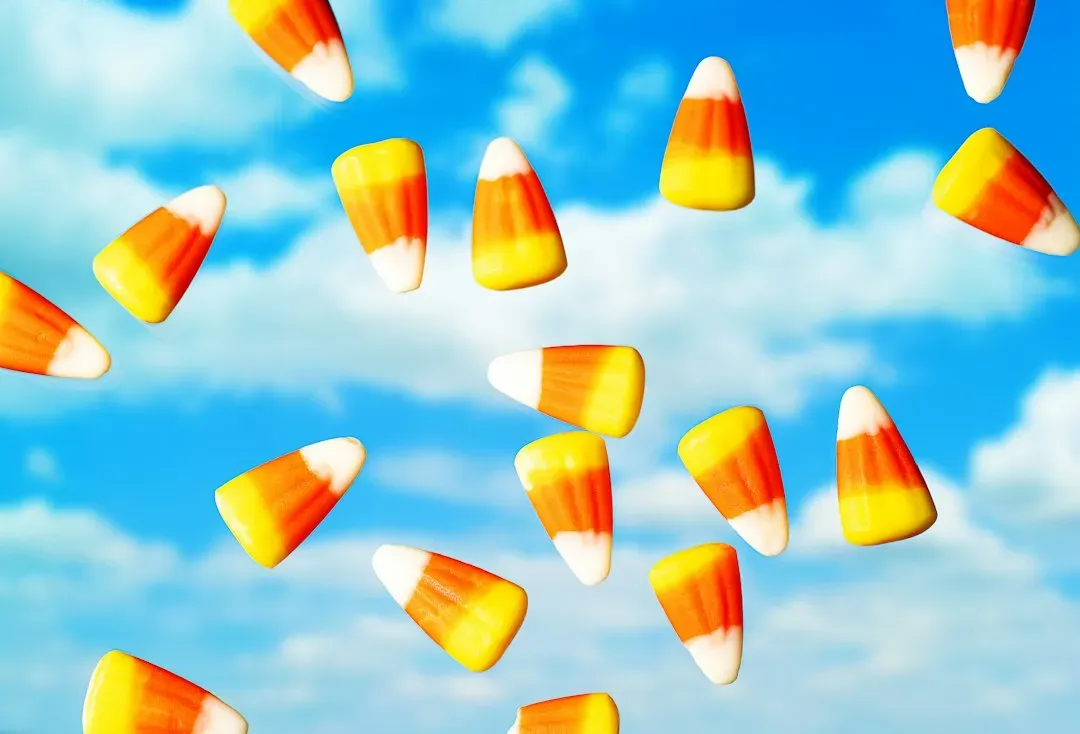
Candy corn is the most argued-over candy of the season. It dates to the late 1800s, when George Renninger of the Wunderle Candy Company in Philadelphia is generally credited with creating it. The Goelitz Candy Company, later known for Jelly Belly, began making it in 1898.
People still go looking for it. Candy corn was the most searched candy in 34 states between Sept. 3 and Oct. 3, 2024, according to Google Trends. Instacart data showed it was most popular in Maine, where purchases ran 138 percent above the national average.
Reese’s Peanut Butter Cups

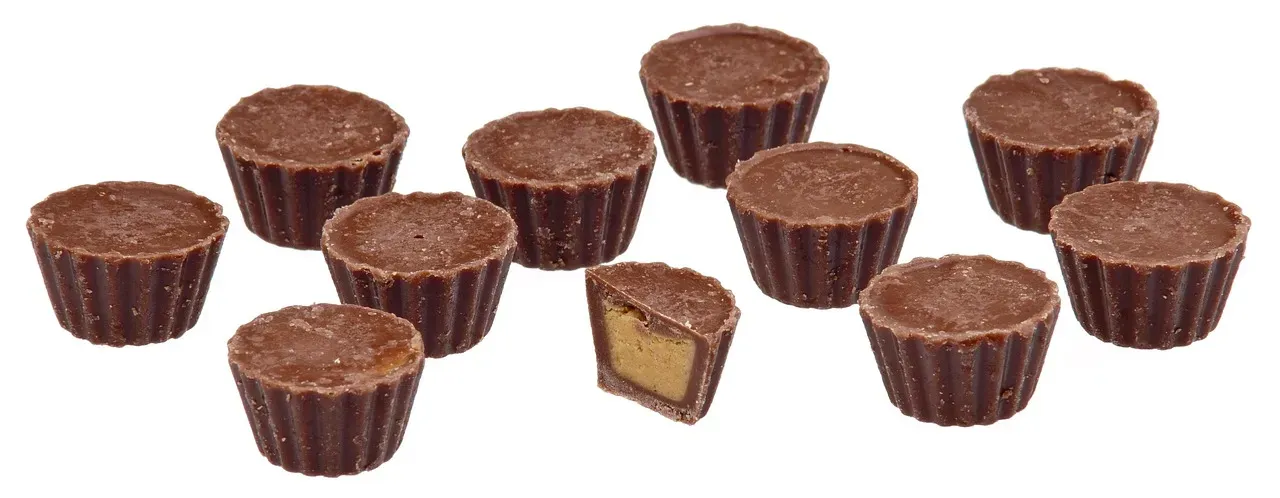
H.B. Reese, a former Hershey dairy farmer and shipping foreman, started selling his peanut butter cups in the late 1920s. Hershey bought the company in 1963, and the cups have been a staple of its lineup ever since.
Their Halloween standing holds up in recent data. A 2024 Axios report on state by state favorites carried the headline that Reese’s cups were the most popular Halloween candy, which fits what many trick-or-treaters say about the orange wrappers.
Snickers

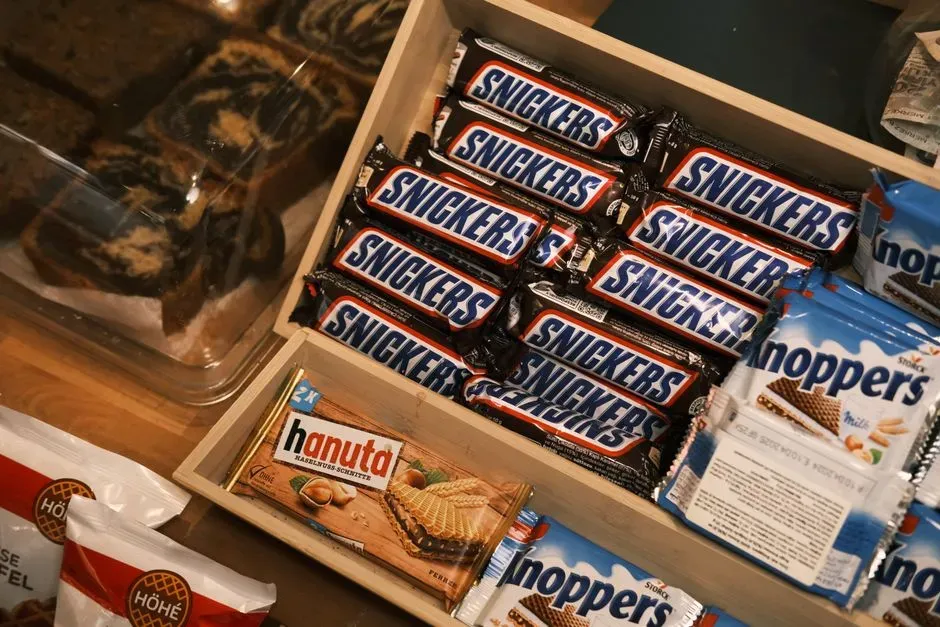
Mars introduced Snickers in 1930, naming it after a horse the Mars family owned. Nougat, caramel, peanuts and milk chocolate made it a filling bar from the start, and the fun size version turned it into a doorstep standard.
It works well for Halloween because it feels substantial in a tiny package. Kids tend to trade for it, and adults tend to quietly raid the bowl for it.
Tootsie Rolls

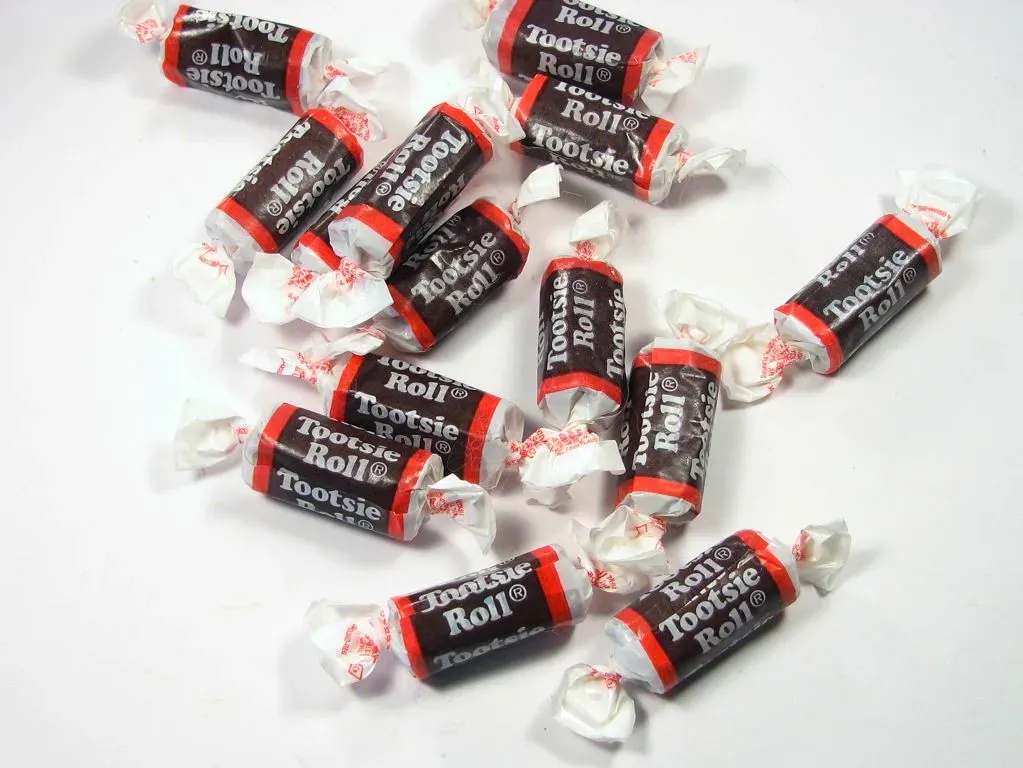
Austrian immigrant Leo Hirshfield began making Tootsie Rolls in New York in 1896. The chewy, chocolate flavored candy was one of the first American penny candies to be individually wrapped.
Small Tootsie Rolls are cheap, sturdy and shelf stable, which explains their long run in bulk Halloween bags. They rarely top anyone’s favorites list, yet they almost always show up in the bag.
Hershey’s Kisses

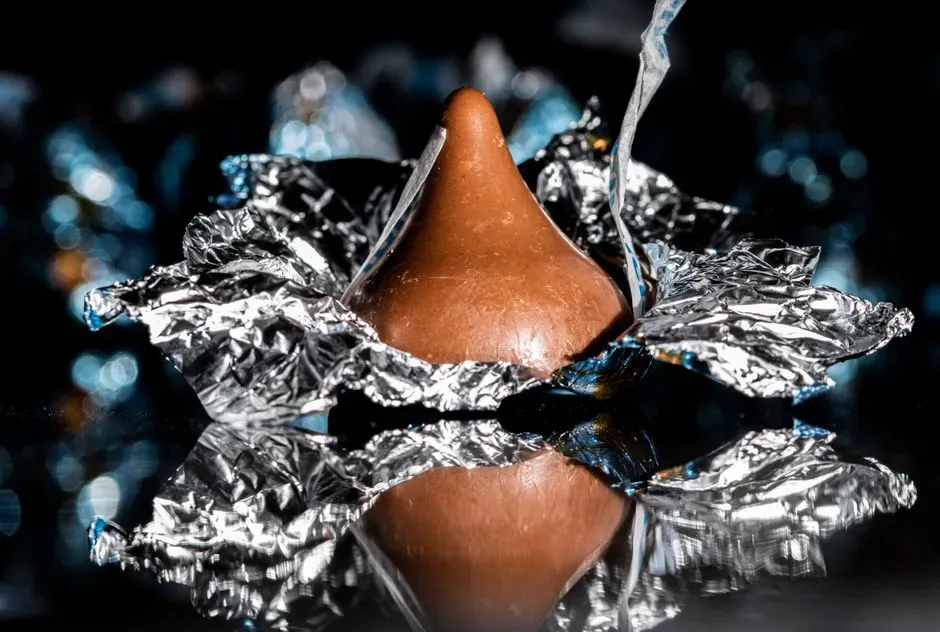
Hershey’s introduced its foil wrapped Kisses in 1907, and the teardrop shape became one of the best known chocolate designs in the country. They are sold year round, but the orange and black foil versions make Halloween appearances every fall.
Partner offer

Part of the appeal is simple. A Kiss is small, familiar and easy to hand out by the handful, which suits a night when volume matters.
M&M’s

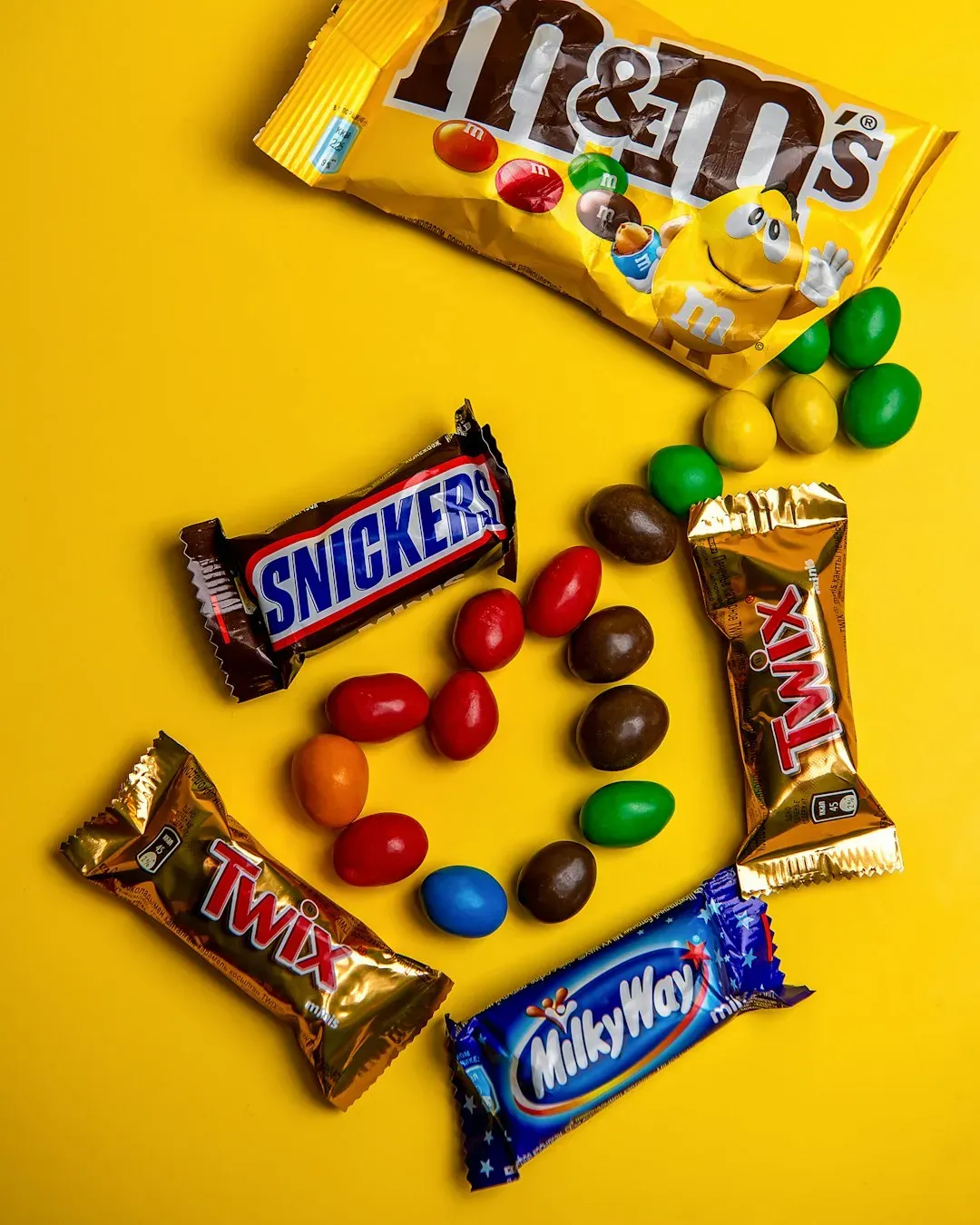
M&M’s first appeared in 1941, produced by Mars and originally sold to American soldiers because the hard shell kept the chocolate from melting. After the war, they became a mainstream treat.
Fun size packs of plain and peanut M&M’s remain regulars in Halloween assortments. The candy coating makes them travel well in a plastic pumpkin, which counts for a lot by the end of the night.
Milk Duds

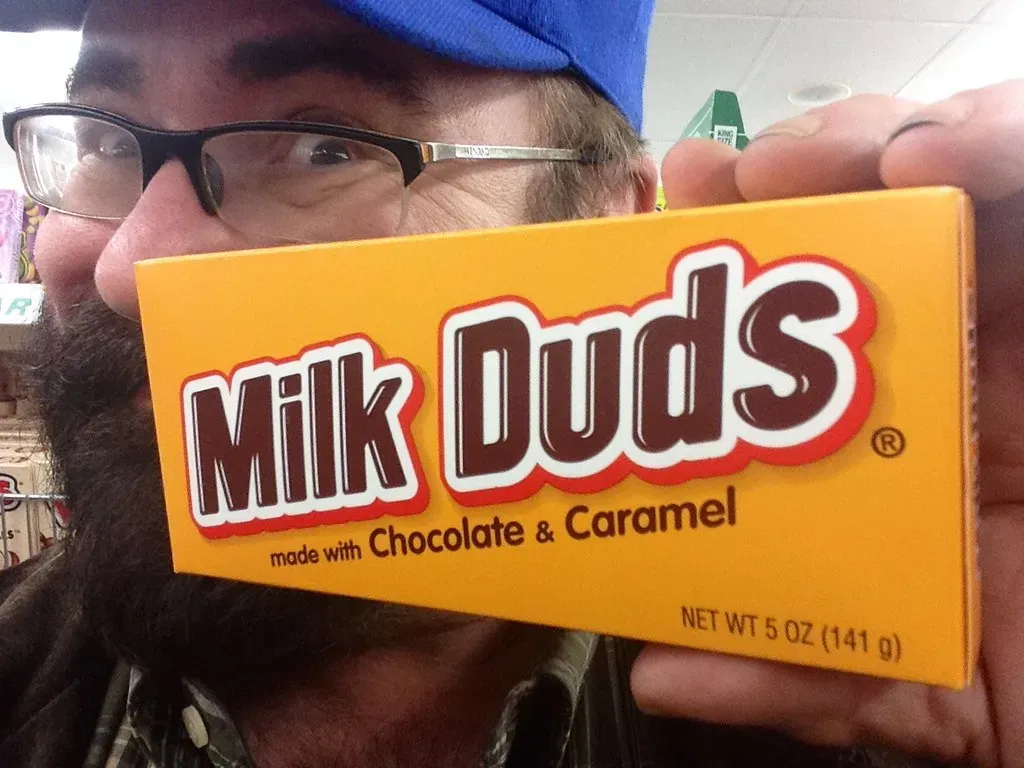
Milk Duds came from the Holloway Candy Company in Chicago in 1926. Round caramel pieces covered in chocolate were meant to be perfectly round, though the early production turned out lumpy, and the name reportedly came from those flaws.
They are now sold in small boxes that suit Halloween handouts. Chewy and a bit jaw testing, they have a loyal following among people who like candy that lasts a while.
Skittles

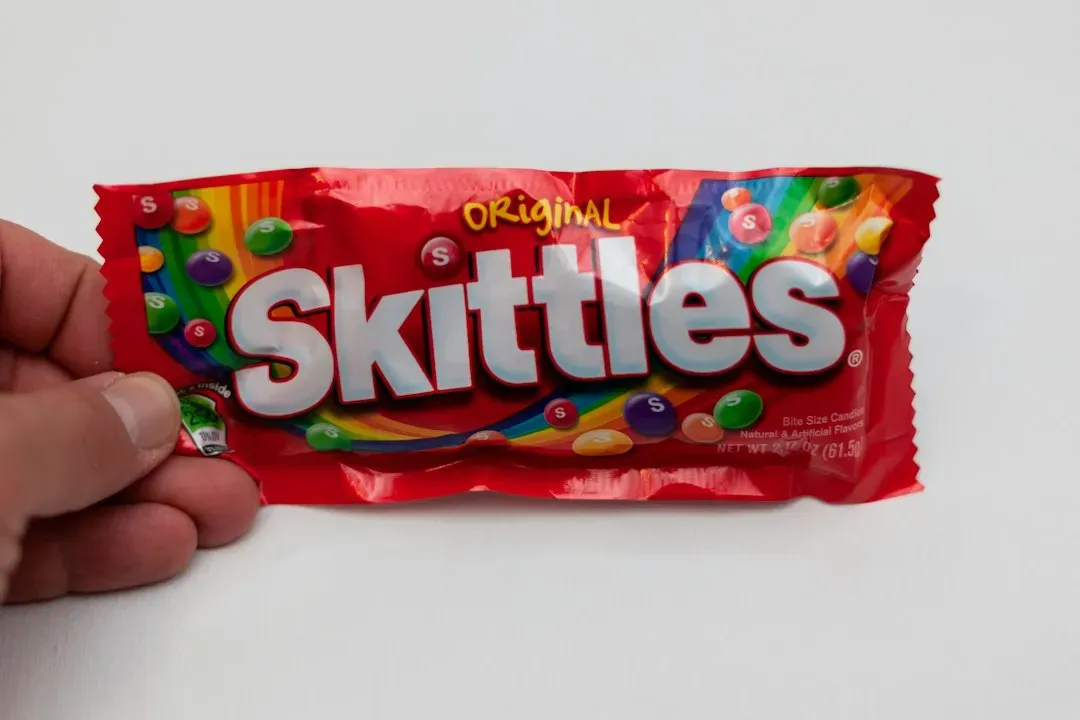
Skittles started in the United Kingdom in the early 1970s and reached the United States in 1979. The fruit flavored, hard shelled candies are now made by Wrigley, a Mars company.
As a non chocolate option, they fill an important role in the Halloween bowl, particularly for kids who avoid chocolate or have a nut allergy concern. Their bright colors also fit the season’s visual mood without trying too hard.
Kit Kat

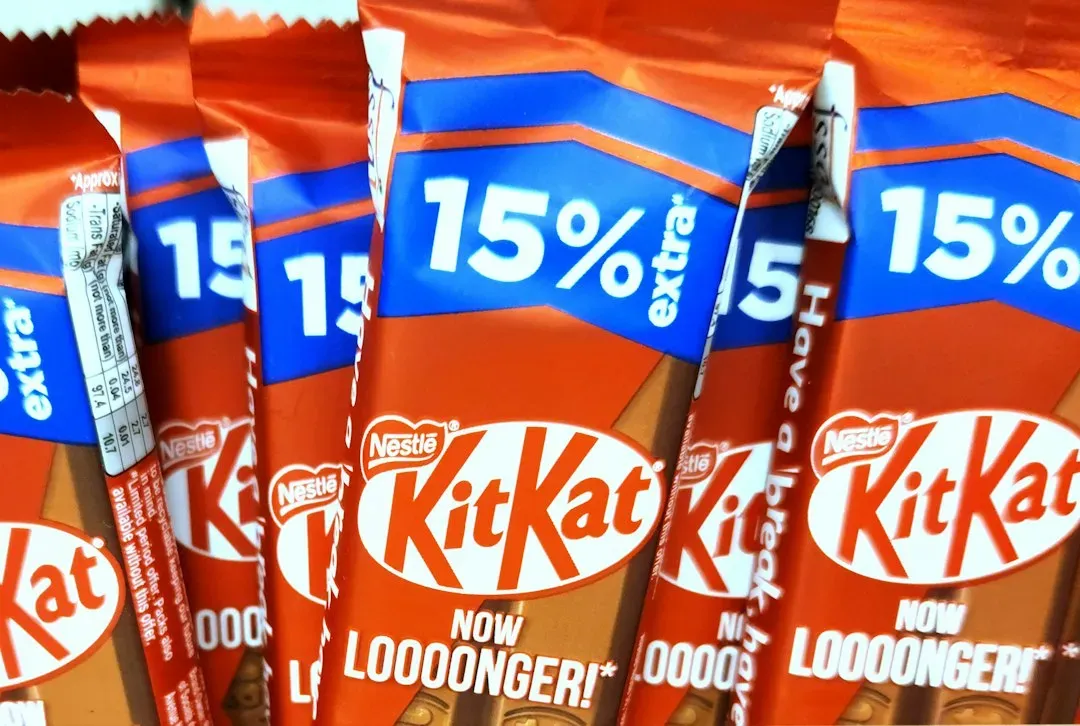
Kit Kat began in England in the 1930s, and Hershey has made and sold it in the United States under license since 1970. The wafer fingers covered in chocolate give it a crisp texture unlike most other bars in the bowl.
Fun size packs usually contain a couple of small fingers, so kids can split one with a sibling or save half for later. That easy sharing quality is a quiet reason it keeps its spot.
How Big Halloween Candy Sales Are Now

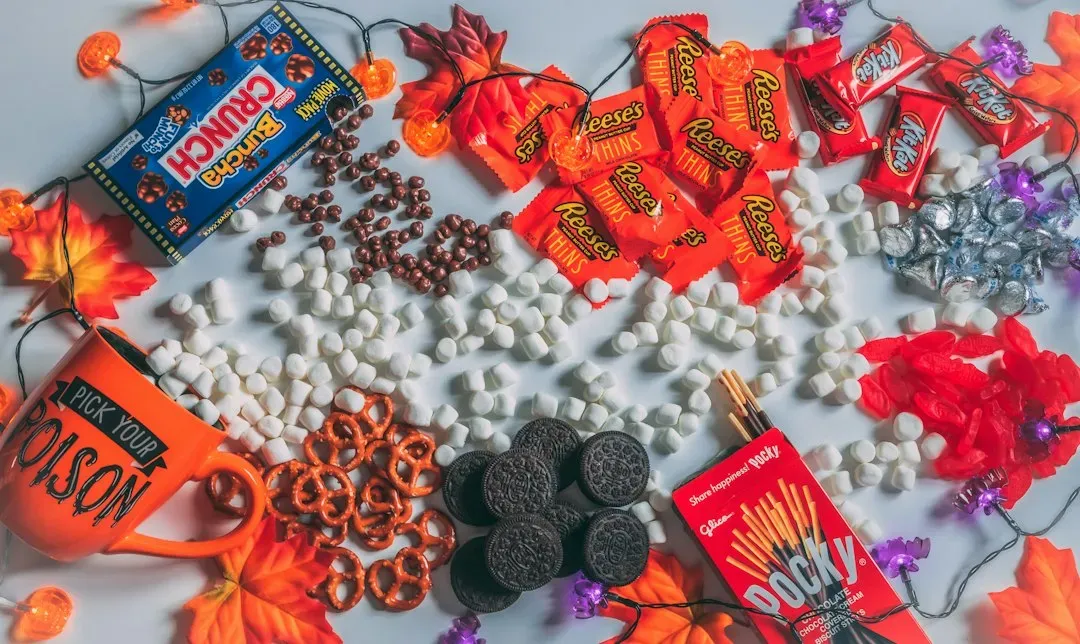
Candy is still the leading category in Halloween shopping. The National Retail Federation expects total Halloween spending to reach $13.5 billion in 2026. Candy remains the most popular purchase, with 96 percent of consumers planning to buy sweets, which accounts for $4.1 billion in spending.
That is up from last year’s projection. In 2025, the NRF expected consumers to spend $3.9 billion on Halloween candy. The National Confectioners Association reported that confectionery sales in the weeks before Halloween 2024 reached $7.4 billion, nearly 18 percent of the year’s confectionery retail sales.
Partner offer
Planning a trip to Vegas?
Compare hotel rates and show tickets on VEGAS.com.