What Catch-Up Contributions Actually Are

Catch-up contributions are extra money you can contribute to your retirement account, beyond the annual elective deferral limits set each calendar year by the IRS, if you’re age 50 or older. They allow you to save more money on top of the normal annual contribution limit, which can be especially beneficial as you near retirement age – and particularly helpful for those who may have delayed saving or are behind on their retirement savings goals.
Since 2002, retirement savers age 50 and over have had the option of making catch-up contributions to their 401(k) plans, which stack on top of the regular limits for employee contributions to tax-deferred retirement plans. The amounts were limited to just $1,000 per year when they first came out but expanded to $7,500 by 2025. That’s a meaningful change that the government has steadily reinforced over two decades, and recent legislation has taken it even further.
The 401(k) Catch-Up Limits You Need to Know Right Now

The standard 401(k) contribution limit for 2025 is $23,500. If you’re over 50, you can add another $7,500 in catch-up contributions, bringing your total to $31,000. For 2026, those numbers have been nudged upward again. The annual contribution limit for employees who participate in 401(k), 403(b), governmental 457 plans, and the federal government’s Thrift Savings Plan increased to $24,500, and the catch-up contribution limit for employees aged 50 and over increased to $8,000.
Participants in most 401(k), 403(b), governmental 457 plans, and the federal government’s Thrift Savings Plan who are 50 and older can generally contribute up to $32,500 each year, starting in 2026. That is a substantial annual savings opportunity – the kind that can genuinely shift the trajectory of a retirement account in the final stretch of a career.
The Super Catch-Up: A Special Boost for Ages 60 to 63

Under a change made in SECURE 2.0, a higher catch-up contribution limit applies for employees who turn 60, 61, 62, and 63 in a calendar year, starting in 2025, for those who participate in most 401(k), 403(b), governmental 457 plans, and the federal government’s Thrift Savings Plan. For workers 60 to 63, there is a super-sized catch-up limit of $11,250 for eligible plans, bringing the total to $34,750 in 2025.
Participants who are 60, 61, 62, or 63 years old by the end of the calendar year can contribute up to $11,250, surpassing the standard catch-up limit for those aged 50 and above. This allows for a total contribution of $35,750 to 457(b) or 401(k) plans in 2026. It’s worth noting that plans which permit catch-up contributions for employees 50 and over are not required to offer the higher age 60 to 63 catch-ups, so checking with your plan administrator is a worthwhile step before assuming you qualify.
IRA Catch-Up Contributions and Updated 2026 Limits

The limit for both traditional and Roth IRAs is $7,000 total across all accounts in 2025, which breaks down to roughly $583 a month. Individuals 50 or older can make an additional $1,000 catch-up contribution, bringing their total IRA contribution limit to $8,000. For 2026, things have improved slightly on the IRA side as well.
For 2026, the annual maximum IRA contribution increased to $7,500, plus an increase to the catch-up contribution to $1,100, for a total limit of $8,600. Catch-up contributions to an IRA are due by the due date of your tax return, not including extensions. If you hold both a traditional and a Roth IRA, keep in mind that the contribution limits apply across both accounts combined, not to each one separately.
The Real State of Retirement Savings for Americans Over 50

The “magic number” Americans think they need to retire comfortably in 2026 is $1.46 million – that’s $200,000 more than the $1.26 million figure from 2025, and still a far cry from what most people have socked away in their various retirement accounts. The gap between aspiration and reality is not trivial. The average 401(k) balance for people in their 50s at pre-retirement age is around $629,000 – probably not enough to retire comfortably for most people, especially when the average American household spends over $77,000 each year.
Nearly two in five Americans (39%) said “not having enough saved for retirement” was a financial concern in an April 2025 NerdWallet survey. Over half of American households (54%) report having no dedicated retirement savings, according to the Federal Reserve’s Survey of Consumer Finances. Those numbers make clear why the catch-up provision exists – and why using it matters more than most people realize.
Tax Advantages That Make Catch-Up Contributions So Compelling
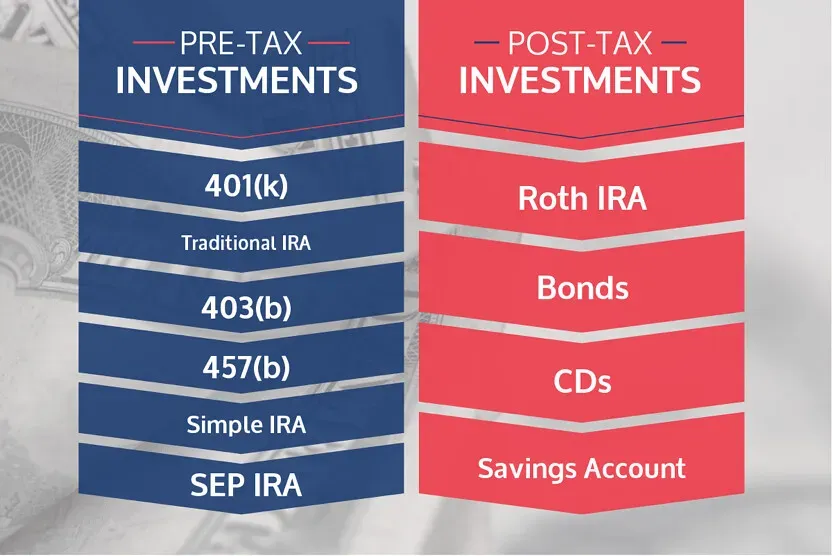
With traditional IRAs or 401(k)s, contributions reduce your taxable income in the current year, as long as you are eligible, though withdrawals are taxable. These traditional accounts also offer tax-deferred compounding. The tax relief can be substantial when you run the actual numbers. A 50-year-old employee who contributed the $23,500 maximum to her retirement plan in 2025 plus the $7,500 catch-up amount would have effectively shielded $31,000 from current-year taxes, resulting in a tax break of $7,440 for someone in the 24% tax bracket.
Partner offer
With Roth IRAs, you pay taxes up front but qualified withdrawals are tax-free when you reach age 59½, assuming certain conditions are met. Roth IRAs offer the potential for tax-free compounding. The choice between traditional and Roth treatment largely depends on where you expect your tax rate to land in retirement. Catch-up contributions lower taxable income immediately and defer taxes until withdrawals, potentially reducing your tax rate during high-income years.
The New Roth Rule for High Earners in 2026
A new provision from SECURE 2.0 went into effect on January 1, 2026. Individuals who earned more than $150,000 in prior-year wages from their current employer will only be able to make catch-up contributions to a Roth 401(k), meaning the contribution amount will be subject to taxes upfront. This is one of the more consequential retirement rule changes in recent years, and many workers aren’t aware of it yet.
Starting in 2026, 401(k) plans must offer Roth contributions for high earners to make catch-up contributions at all. Because business owners often fall into this “high earner” group, failing to add a Roth feature could unintentionally eliminate their own ability to make catch-ups. Paying taxes upfront makes these contributions less attractive than they were previously, especially for retirement savers who expect to be in a lower tax bracket in retirement than they were during their working years. Still, for those behind on savings, the math often still favors contributing.
The Power of Compounding Even in Your Final Working Years

If you turn 50 this year and put an extra $1,100 into your IRA at the beginning of each year for the next 20 years, and it earns an average return of 7% a year, you could have just over $48,000 more in your account than someone who didn’t take advantage of the catch-up. That’s the impact from the IRA catch-up alone. Across a full 401(k) catch-up strategy, the numbers grow considerably larger.
If you contribute the full catch-up amount of $8,000 starting at age 50 and continue doing so through age 65, you could make total contributions of $120,000 or more over that period. Taking advantage of catch-up contributions could net you an extra $150,000 or more in retirement assets, due to the additional money you’ll put away and the opportunity for compounded growth. Those aren’t guarantees, but they reflect what consistent, disciplined use of available limits can realistically produce.
How Employer Matching Fits Into the Picture

If the plan document permits, the employer can make matching contributions for an employee who contributes elective deferrals, for example 50 cents for each dollar deferred. Employer matching contributions can be discretionary or mandatory, as in SIMPLE plans and Safe Harbor 401(k) plans. Importantly, employer contributions don’t count against your personal catch-up limits, which means older workers can stack employer matching on top of their own maximum contributions.
The total contribution limit for both employee and employer contributions to 401(k) defined contribution plans is $72,000, and catch-up contributions may increase this amount. That ceiling is far higher than most people realize. A 401(k) match is a special benefit your company puts into your 401(k) based on what you contribute. The formula used to determine 401(k) matches varies by company. Often, this match is 50 cents or $1 for each dollar you contribute. Not claiming the full employer match while missing catch-up contributions is effectively leaving money on the table twice.
Practical Steps to Start or Accelerate Catch-Up Contributions
To begin, you can adjust your deferral rate by logging in to your retirement portal or talking to HR to increase the percentage of your paycheck directed to your 401(k) or similar plan. Some plans require a separate election for catch-up contributions, so ensure you’re enrolled correctly. Timing a contribution boost with a salary raise can help you save more without dramatically changing your take-home pay.
In the same year, you can make catch-up contributions to a 401(k), an IRA, and a SIMPLE IRA to strengthen your overall savings strategy. If eligible, both spouses can individually contribute the maximum catch-up amount, effectively doubling your household’s catch-up potential. A common guideline is to aim to save at least 15% of your income each year, including any employer contributions, for retirement – and that includes savings in other retirement accounts, like a Roth IRA.
Conclusion: There’s Still Real Ground to Cover

The retirement savings gap in America is real, but it’s not fixed. Catch-up contributions exist precisely because life doesn’t always allow for perfectly consistent saving from age 25 to 65. Career pauses, family obligations, debt, and stagnant wages all take bites out of what people manage to set aside. This provision was helpful for people who got off to a late start with retirement savings, as well as empty-nesters who might have more money to spare after putting kids through college.
The limits are generous, the tax advantages are real, and the compounding impact over even a decade is substantial. Whether you’ve been contributing steadily for years or you’re just now getting serious, the mechanics are in your favor once you hit 50. The question isn’t really whether catch-up contributions are worth it. The question is whether you’re using them to their full potential – because the window, while wide, doesn’t stay open forever.
Partner offer
Planning a trip to Vegas?
Compare hotel rates and show tickets on VEGAS.com.